
The suspended dome
About 31 metres across, and the ring of windows at its base makes it look unsupported — by design.
ImanFakhri — CC BY-SA 4.0 · August Dominus — CC0 · ImanFakhri — CC BY-SA 4.0 · Onur capit — CC BY-SA 4.0
One building that has carried three identities across fifteen centuries. The emperor Justinian raised it as a church in 537, and it remained the largest cathedral in the world for about a thousand years. After the conquest of Constantinople in 1453 Mehmed II converted it to a mosque and the minarets, mihrab and minbar were added. In 1935 it became a museum, and in 2020 it returned to use as a mosque. The engineering achievement is the dome: about thirty-one metres across, carried on four piers through pendentives, which were a new solution at the time. The ring of windows at its base makes it appear suspended without support, an effect that was intended. What marks the interior is that both layers coexist visually: gold Byzantine mosaic alongside enormous Arabic calligraphic roundels bearing the names of God and the Rightly Guided Caliphs. Seeing both in one field of view is the essence of the experience. Since its return to use as a mosque the terms of a visit have changed: sections close to visitors at prayer times, modest dress and removing shoes are required, and some mosaics are covered during prayer.
About 31 metres across, and the ring of windows at its base makes it look unsupported — by design.
Gold Byzantine mosaic and vast Arabic calligraphic roundels in the same field of view.
It remained the world's largest cathedral for about a thousand years.
Sultanahmet, Fatih, Istanbul
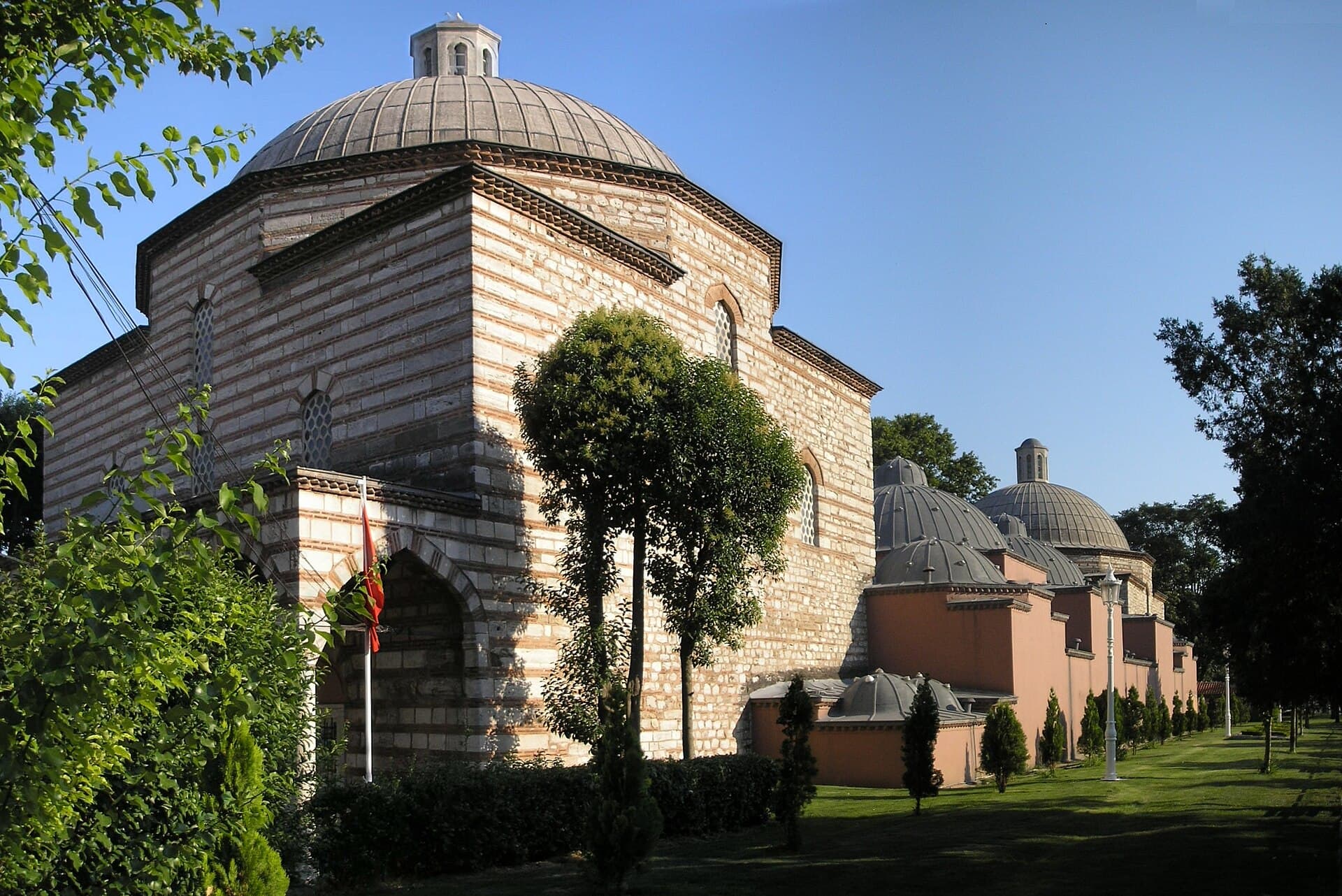 Hürrem Sultan HammamBetween Hagia Sophia and the Blue Mosque, where every tour group stops for photo2 minutes walk4.5
 Basilica CisternThe largest surviving underground cistern of Constantinople, below ground a few 2 minutes walk4.5
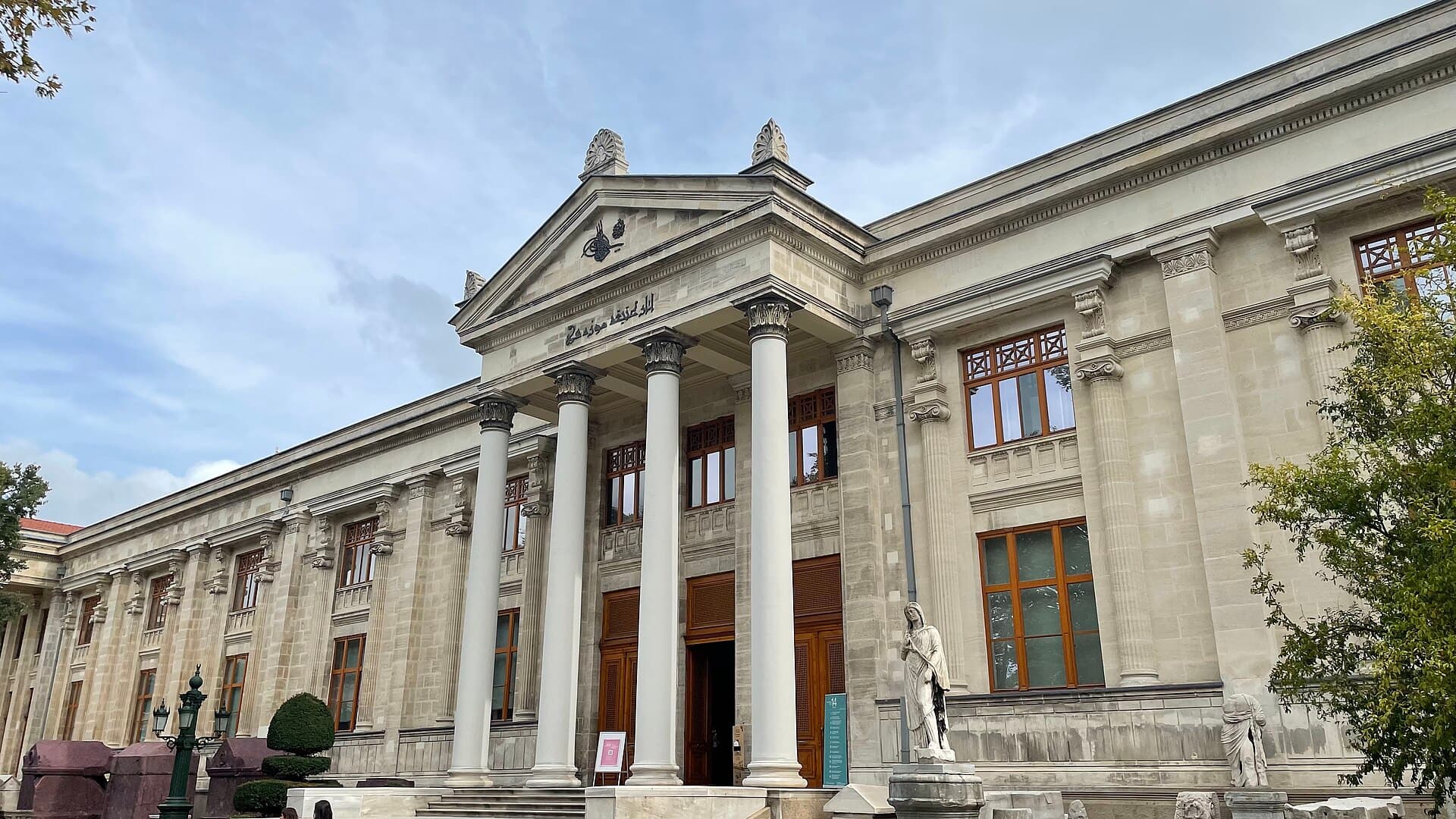 Istanbul Archaeological MuseumsA complex of three museums below Gülhane Park beside Topkapı Palace, holding one5 minutes walk4.5
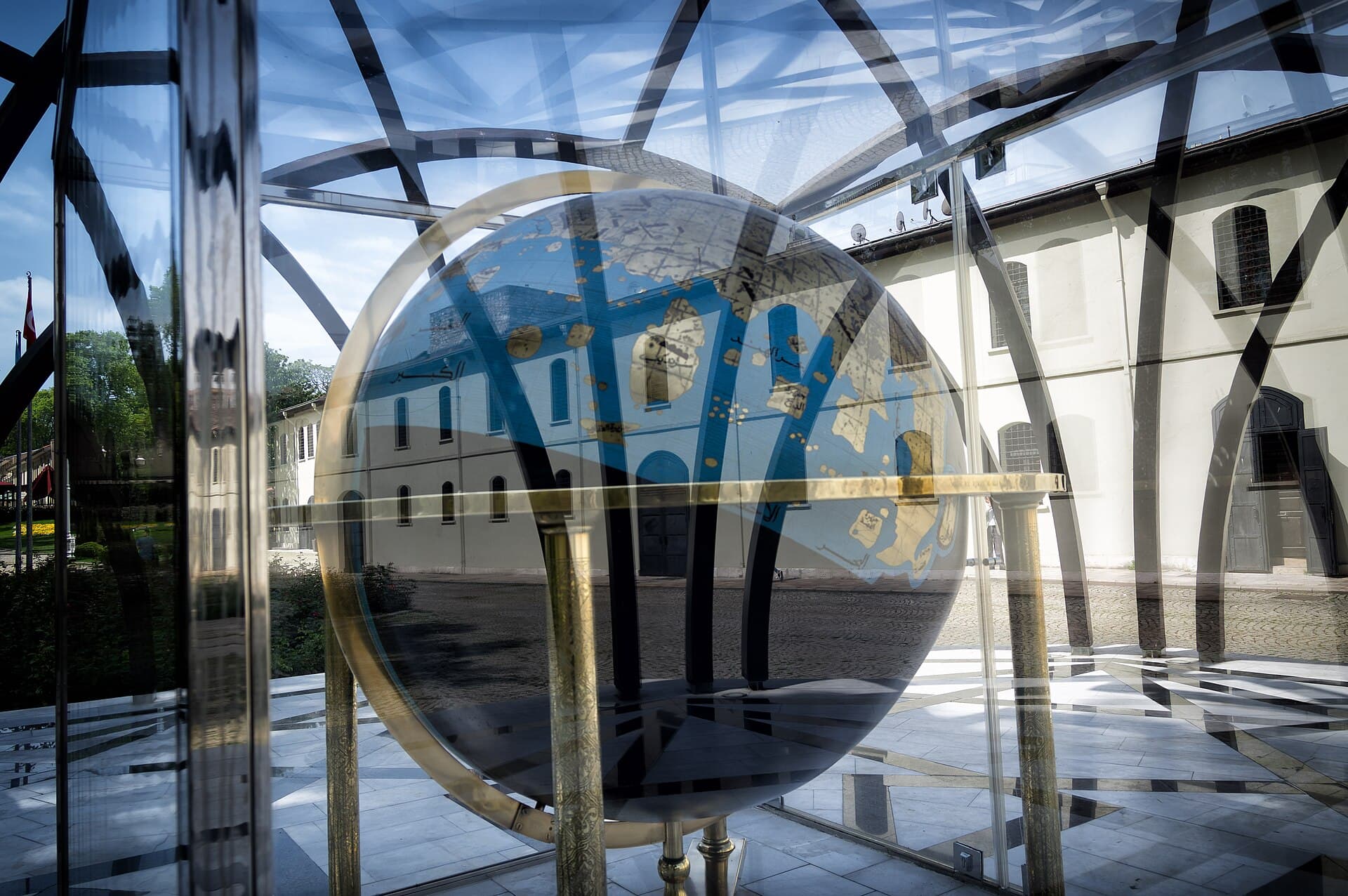 Gülhane ParkNot everything in Gülhane Park is trees. This was the outer garden of Topkapı Pa5 minutes walk4.8
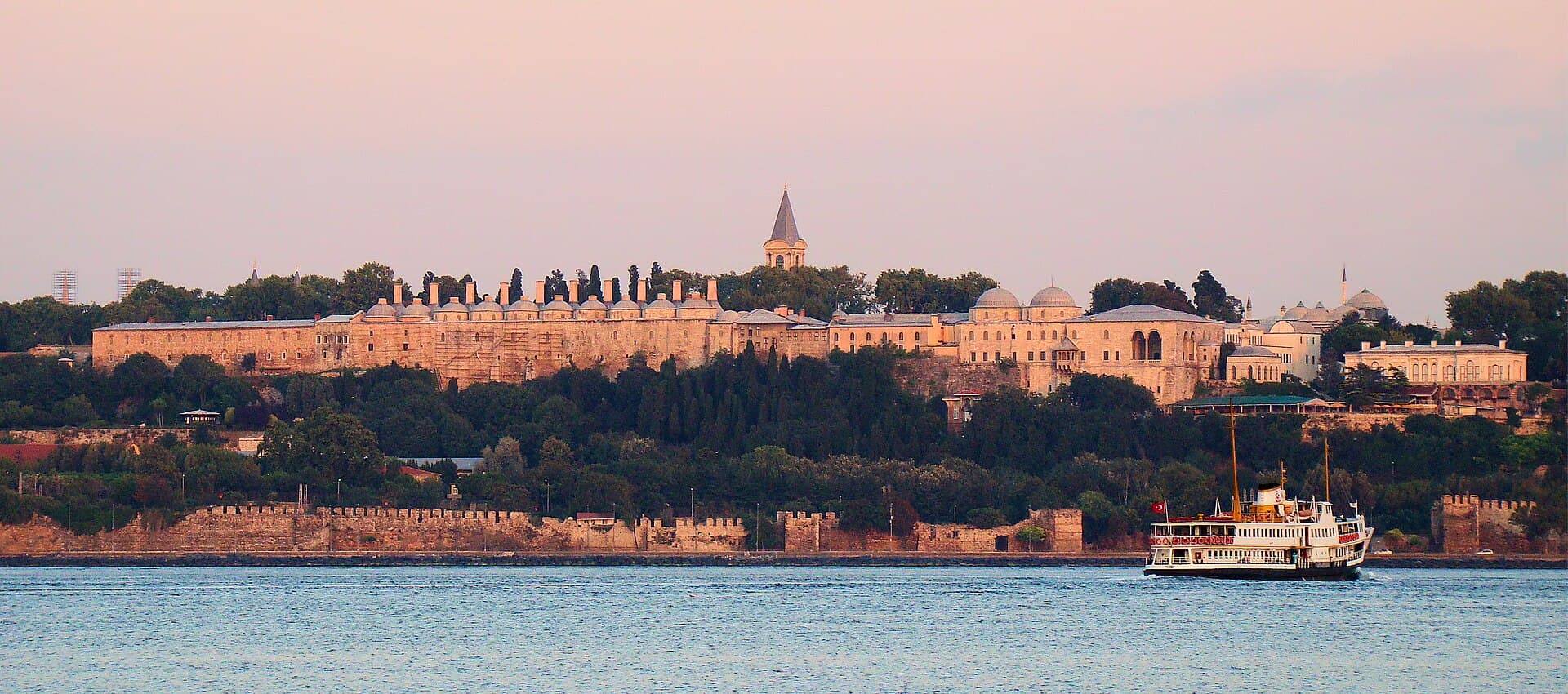 Topkapı PalaceThe principal seat of the Ottoman sultans for some four hundred years, on the he5 minutes walk4.7
Modest dress for men and women, a head covering for women, and shoes removed on entering the prayer space. Sections close to visitors at the five prayer times and at Friday prayer in particular. The arrangements have changed more than once since 2020, so check the current position rather than relying on older information.
Some are, and some are covered during prayer by drapes or by directed lighting. What you see depends on when you visit and which section is open that day. If the mosaics are your main reason for coming, avoid prayer times and check which areas are accessible.
The Blue Mosque faces it across the garden, and Topkapi Palace and the Basilica Cistern are a short walk away in Sultanahmet. The four together make a comfortable full day with no transport, and early morning is best for avoiding queues.