
The Sacred Relics
The Prophet's mantle and swords attributed to him and the Rightly Guided Caliphs.
Bjørn Christian Tørrissen — CC BY-SA 3.0 · Cornelis de Bruijn — Public domain · Cornelis de Bruijn — Public domain · Franz Hermann, Hans Gemminger, Valentin Mueller (Austrian) Born in Austria. Died in Austria. Details on Google Art Project — Public domain
The principal seat of the Ottoman sultans for some four hundred years, on the headland where the Bosphorus, the Golden Horn and the Sea of Marmara meet. Mehmed the Conqueror built it some years after taking Constantinople, and it remained the centre of government until the sultans moved to Dolmabahçe in the nineteenth century. Its plan is not one palace but a sequence of courtyards, each more private than the last — the first open to subjects, the fourth the sultan's own. Its most significant section for a Muslim visitor is the Sacred Relics: a collection holding the Prophet's mantle, swords attributed to him and to the Rightly Guided Caliphs, and other objects brought to Istanbul after the caliphate passed to the Ottomans. The Qur'an has been recited in the room without interruption for centuries, and photography is forbidden there. The treasury displays jewels including the Topkapı dagger and the famous diamond. The Harem is a separate wing, normally on an additional ticket, the living quarters of the sultan and his family, and worth adding. The complex is vast — allow at least three hours.
The Prophet's mantle and swords attributed to him and the Rightly Guided Caliphs.
Each more private than the last — the layout of Ottoman rule itself.
The imperial jewels, including the Topkapı dagger and the famous diamond.
Sarayburnu, Fatih
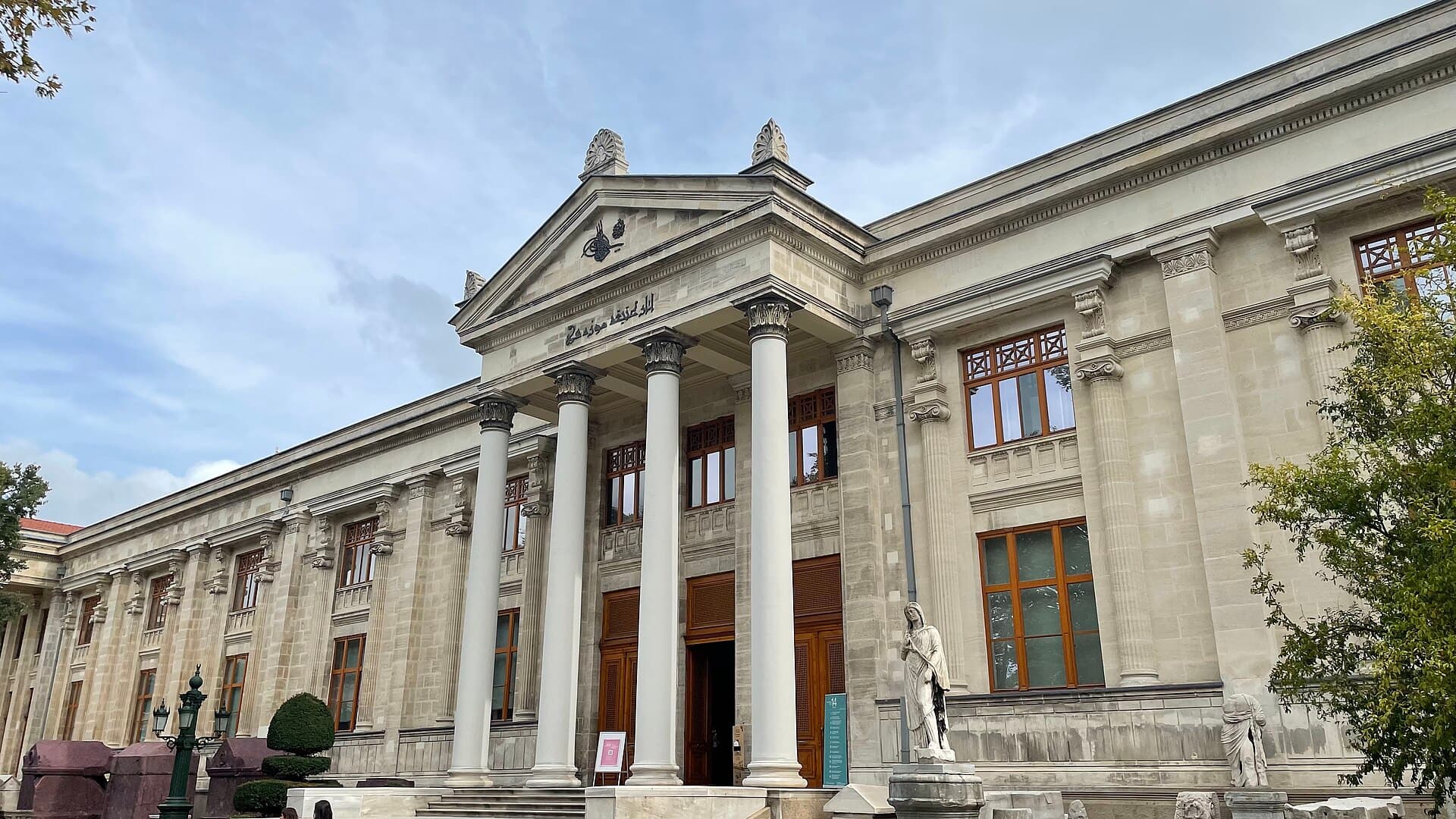 Istanbul Archaeological MuseumsA complex of three museums below Gülhane Park beside Topkapı Palace, holding one2 minutes walk4.5
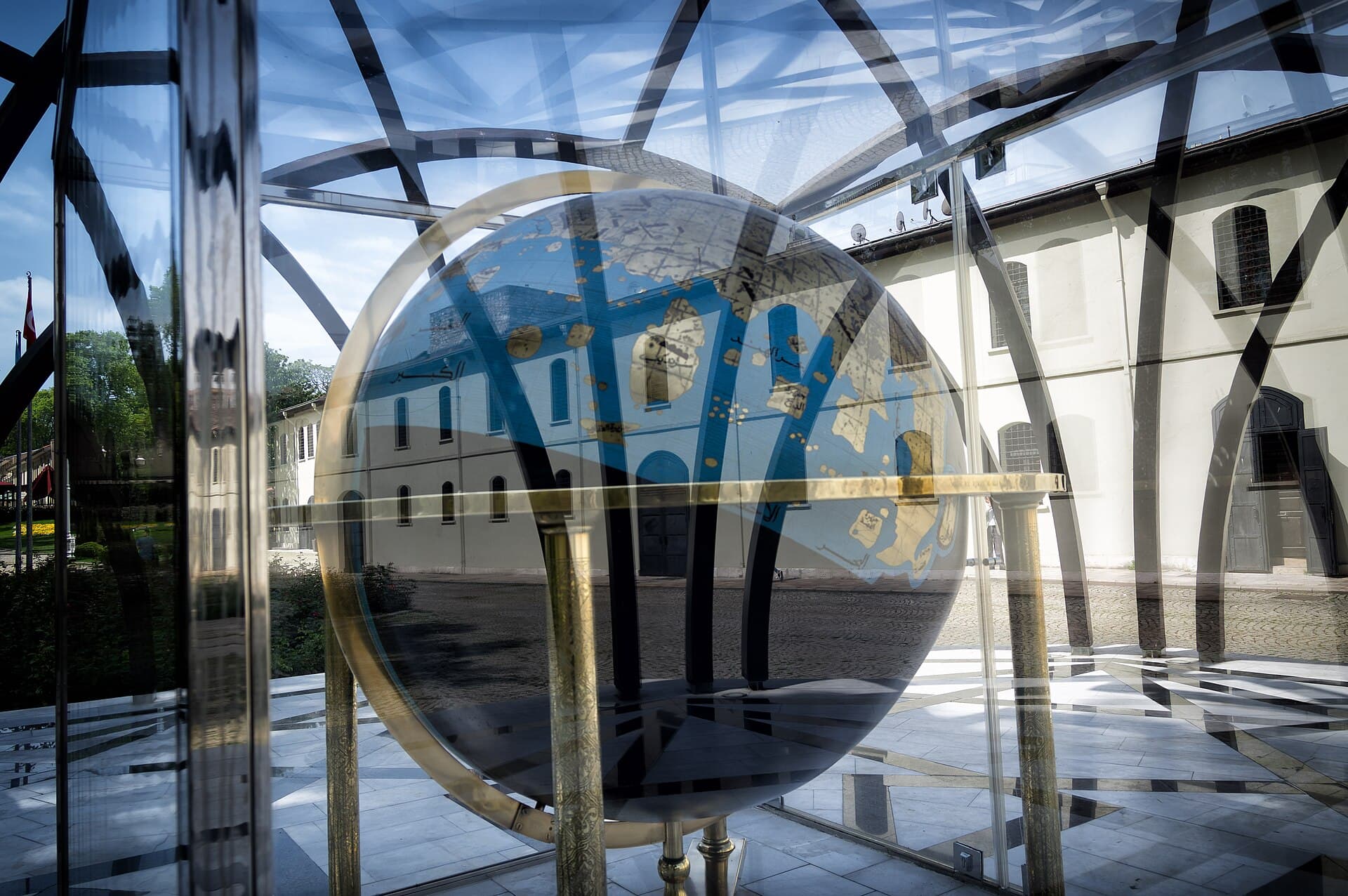 Gülhane ParkNot everything in Gülhane Park is trees. This was the outer garden of Topkapı Pa4 minutes walk4.8
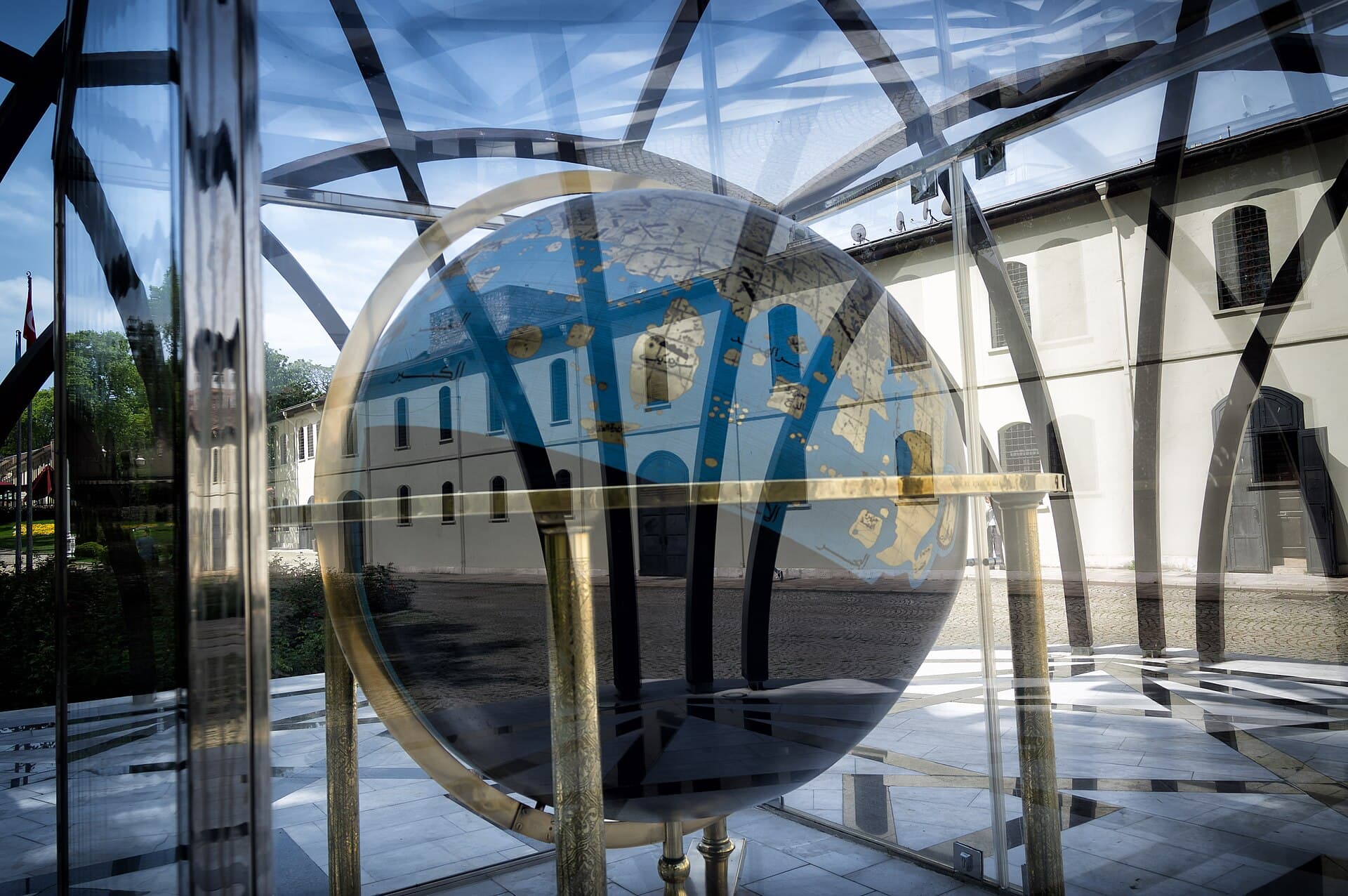 Museum of the History of Science and Technology in IslamIn stables that once housed the sultans' horses beneath the walls of Topkapı Pal5 minutes walk4.4
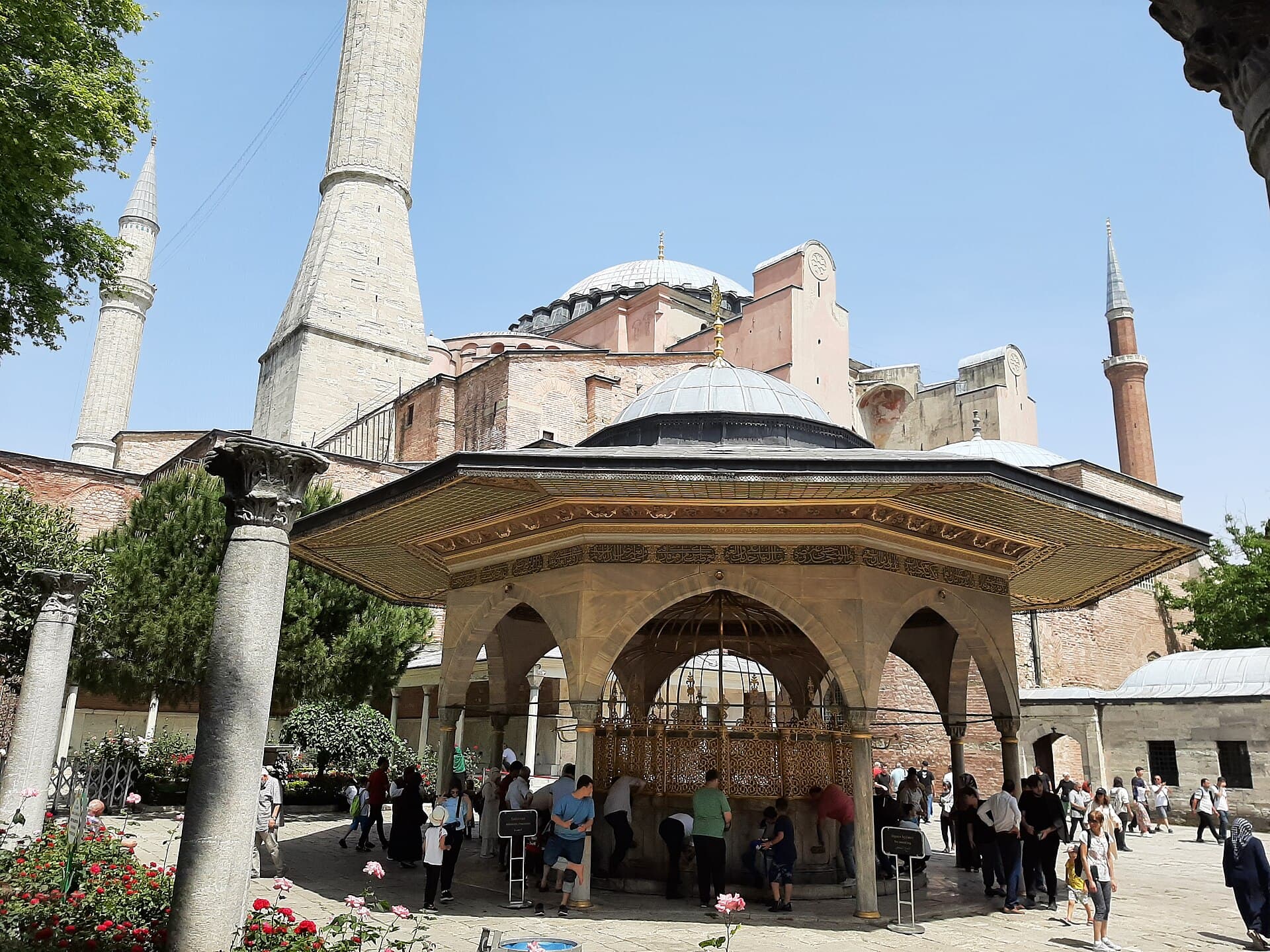 Hagia SophiaOne building that has carried three identities across fifteen centuries. The emp5 minutes walk4.7
 Basilica CisternThe largest surviving underground cistern of Constantinople, below ground a few 7 minutes walk4.5
Yes. The Harem is not a small wing but a city inside the palace: more than three hundred rooms, passages, baths and courtyards, and its tilework is among the finest in the complex. Without it you see only the official palace, not the place the ruling family actually lived.
The area holds Hagia Sophia, the Blue Mosque, Topkapı and the Basilica Cistern within walking distance of each other. Start at Topkapı when it opens, as it is the largest and gets busiest later, then Hagia Sophia, then the mosque in a window between prayers, and finish at the cistern. Book whatever can be booked ahead.