
The Alexander Sarcophagus
Carved with battle scenes, from Sidon, its original paint still traceable.
Metuboy — CC BY-SA 4.0 · Catsimpoolas, Nicholas — Public domain · Yair-haklai — CC BY-SA 4.0 · Ywpark2003 — CC0
A complex of three museums below Gülhane Park beside Topkapı Palace, holding one of the most important archaeological collections in the world. The collection reflects the extent of the Ottoman state: material from Anatolia, the Levant, Iraq, Egypt, the Arabian peninsula and the Balkans, gathered when all those lands lay under one government. Its best-known object is the Alexander Sarcophagus — a marble sarcophagus from Sidon carved with battle scenes in exceptional detail, with traces of its original paint still visible. It was not Alexander's but a Sidonian king's, though the name has stuck. It also holds the Treaty of Kadesh — the oldest known written peace treaty in history, agreed between the Egyptians and the Hittites in the thirteenth century BC, a copy of which hangs at the United Nations headquarters. Among its holdings are a panel from the balustrade of the Al-Aqsa Mosque and inscriptions from the Kaaba, alongside the Museum of the Ancient Orient with its Babylonian material including tiles from the Ishtar Gate. It sits on the Sultanahmet route and its ticket is normally separate from Topkapı's. Some wings may close for restoration.
Carved with battle scenes, from Sidon, its original paint still traceable.
The oldest known written peace treaty; a copy hangs at the United Nations.
A panel from the Al-Aqsa balustrade and inscriptions from the Kaaba.
Below Gülhane Park, beside Topkapı
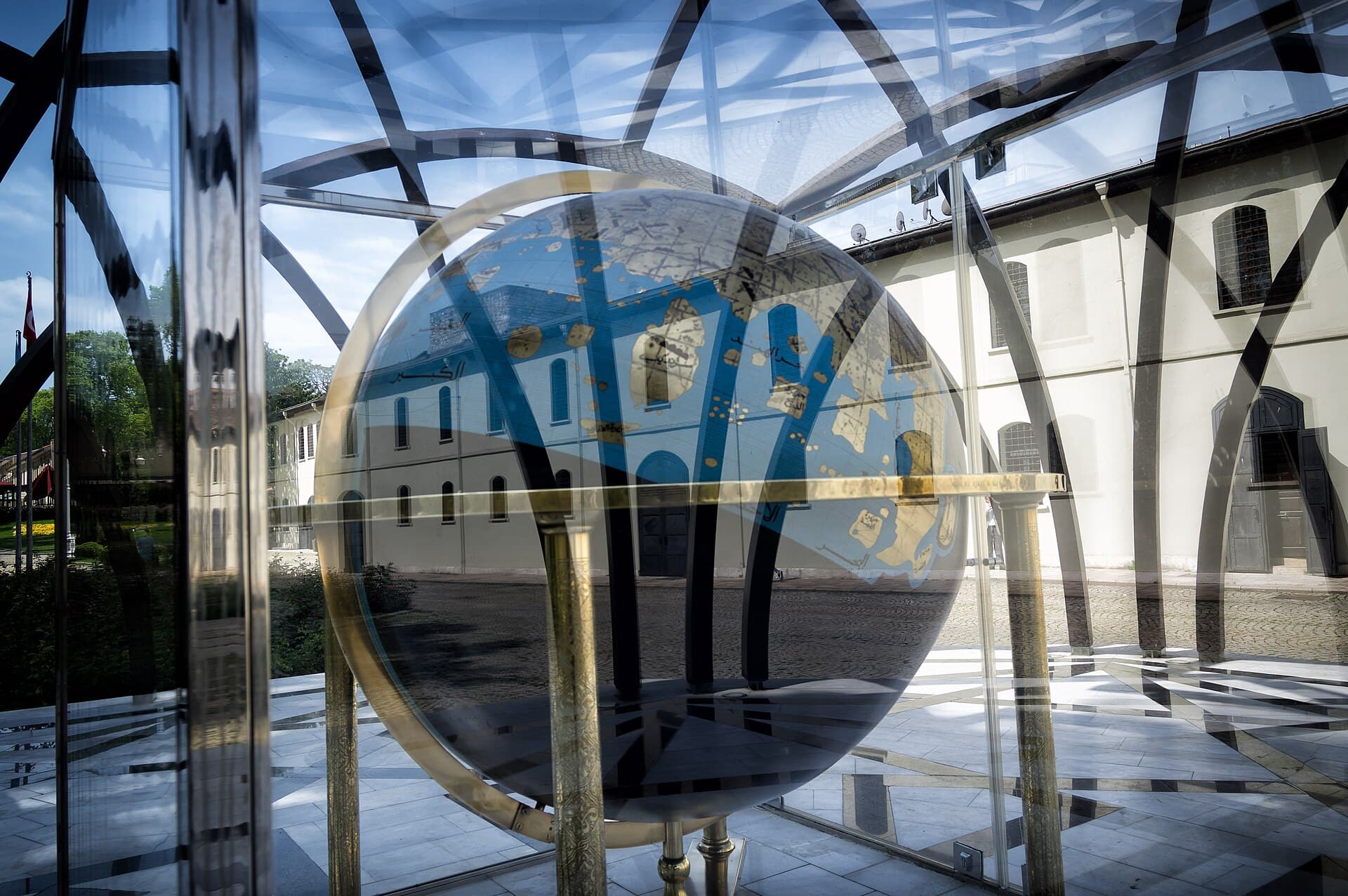 Gülhane ParkNot everything in Gülhane Park is trees. This was the outer garden of Topkapı Pa2 minutes walk4.8
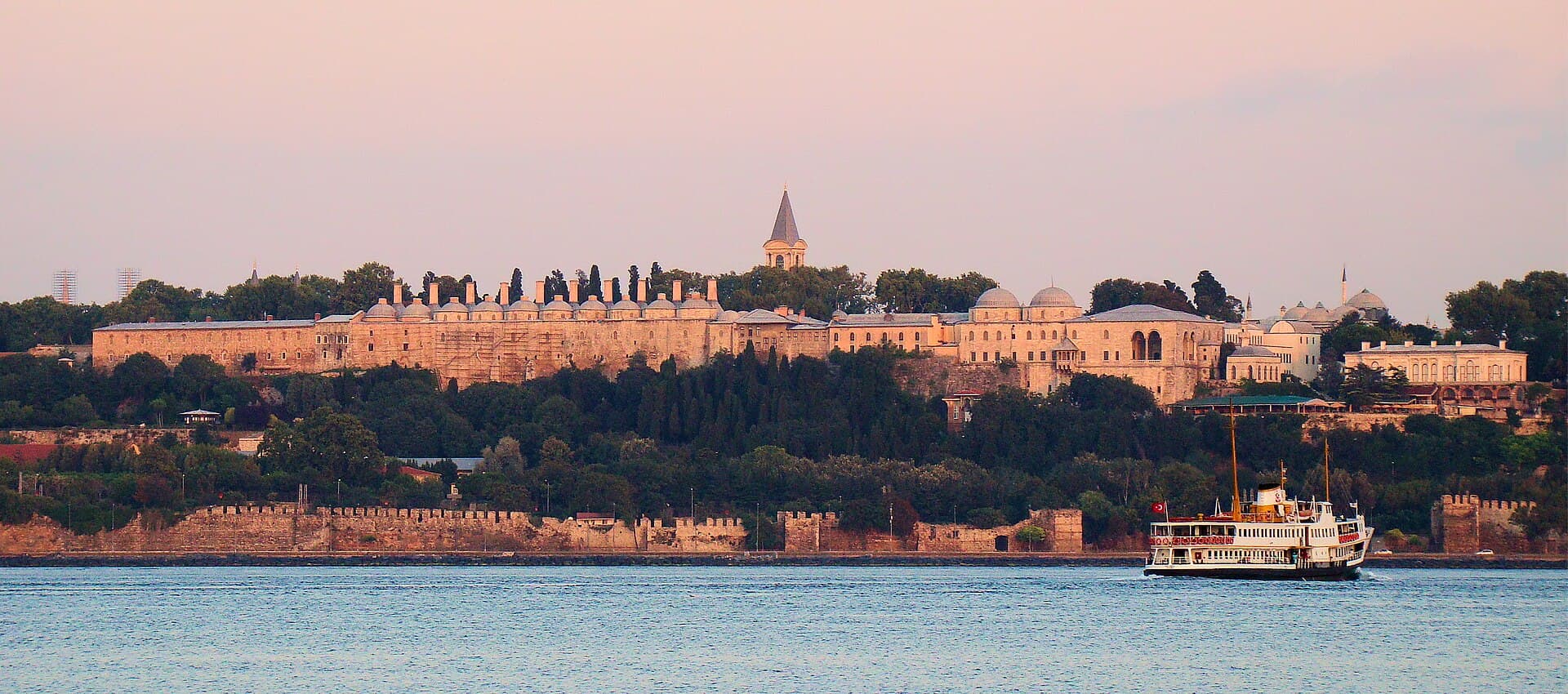 Topkapı PalaceThe principal seat of the Ottoman sultans for some four hundred years, on the he2 minutes walk4.7
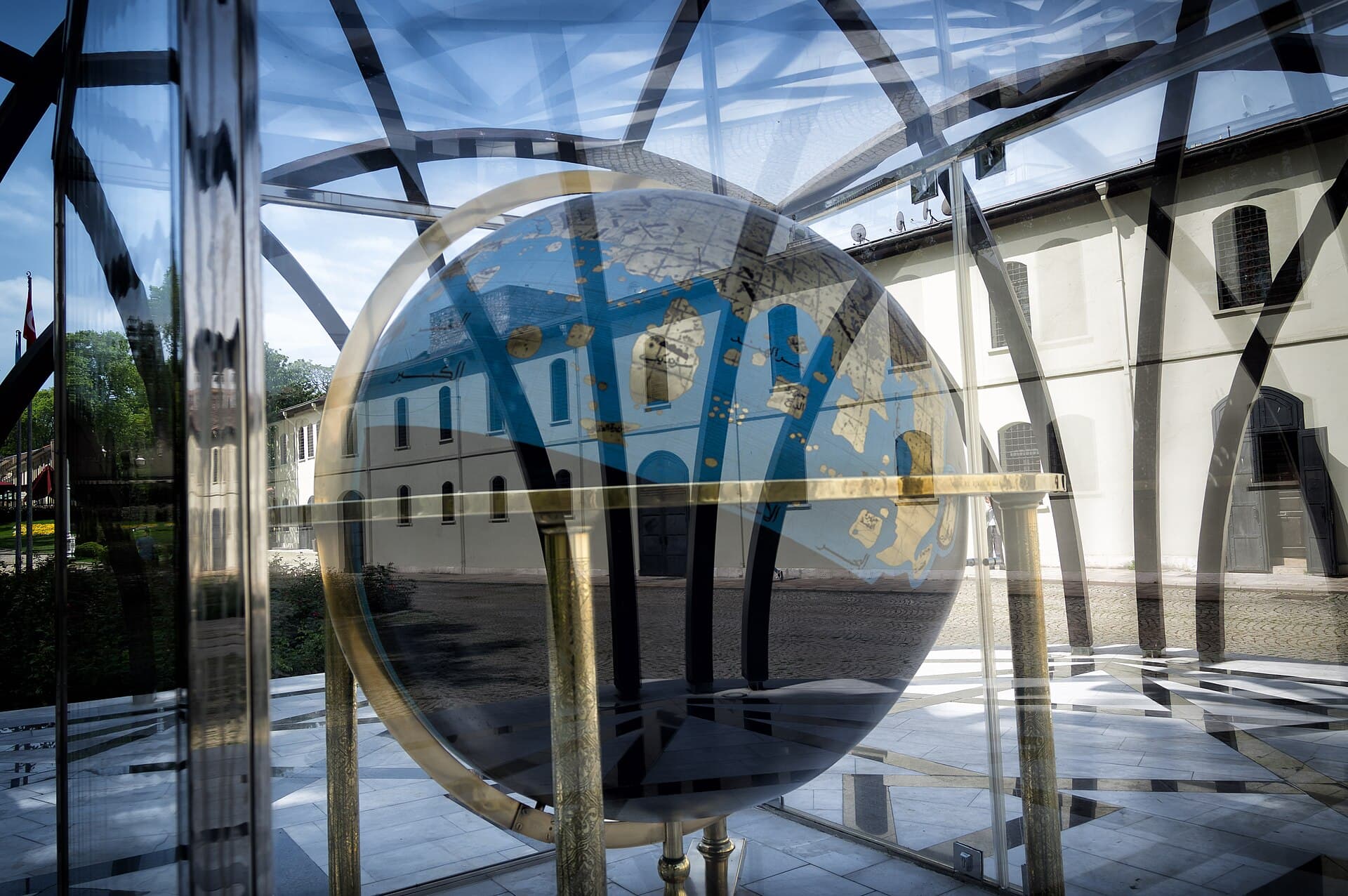 Museum of the History of Science and Technology in IslamIn stables that once housed the sultans' horses beneath the walls of Topkapı Pal3 minutes walk4.4
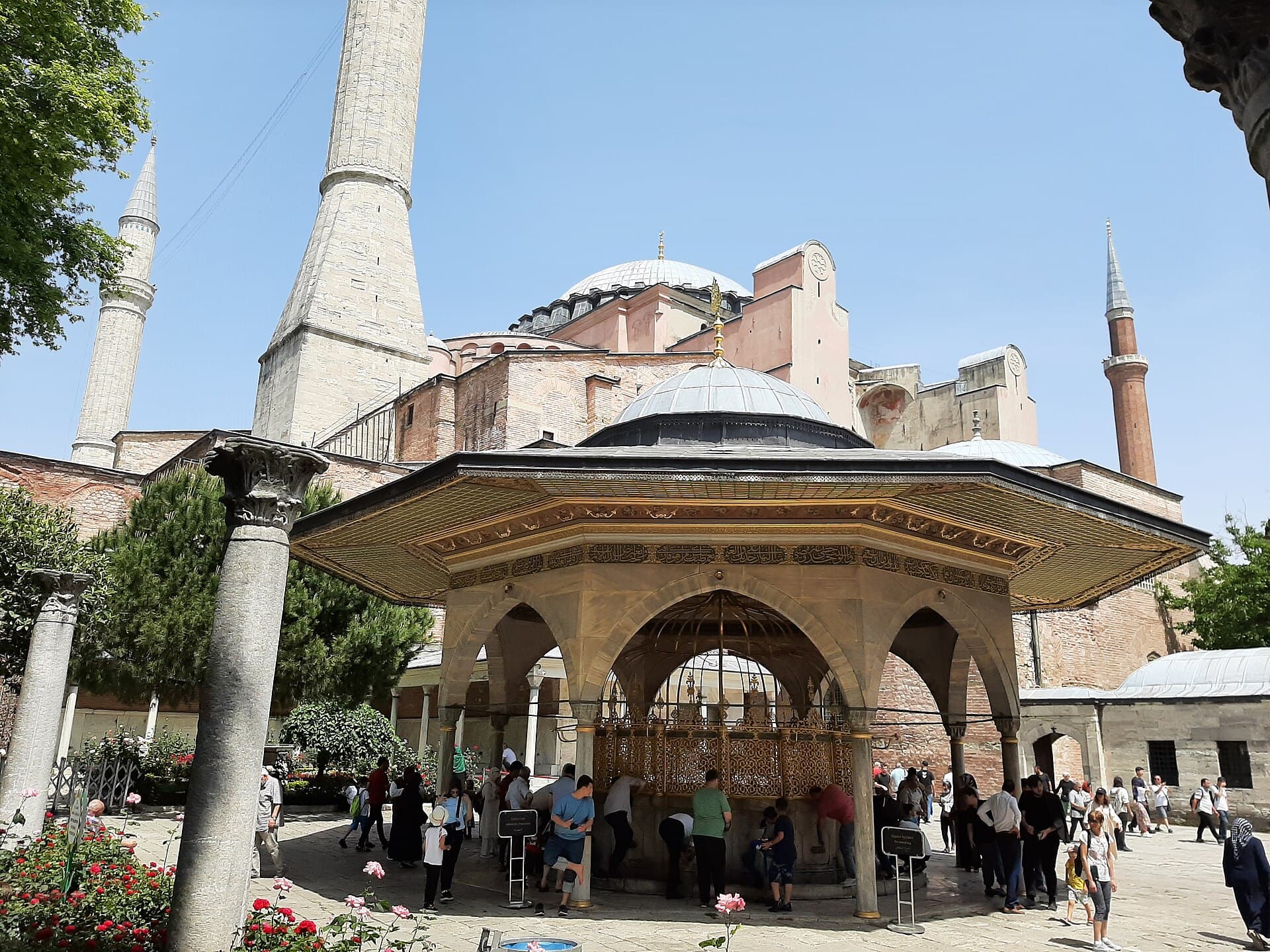 Hagia SophiaOne building that has carried three identities across fifteen centuries. The emp5 minutes walk4.7
 Basilica CisternThe largest surviving underground cistern of Constantinople, below ground a few 6 minutes walk4.5
Normally no, although the entrances adjoin and share the same grounds. Check when buying, as ticket structures change, and a Turkish museum card may cover both and save a great deal if you will visit several sites.
Yes if ancient history interests you — the collection is of world rather than regional standing. But plan realistically: Hagia Sophia, Topkapı, the Blue Mosque and the cistern fill a whole day on their own. Make this the morning of a second day, when the area is quieter.