
The cemetery treasures
Europe's first iron and bronze from the village graves.
Gunnar Richter Namenlos.net — CC BY 3.0 · Lukas Rie — CC BY-SA 3.0 at · Mateus2019 — CC BY-SA 3.0 · Mateus2019 — CC BY-SA 3.0
Hallstatt's museum bears European archaeology's heaviest name: the Hallstatt culture — the continent's first Iron Age (800-400 BC) named for the village cemetery that yielded thousands of graves and their treasures, and here are the originals: bronze and iron axes and jewellery, the mine's seven-thousand-year tools, and salt-preserved objects without parallel. The display is modern and theatrical through 26 chronological rooms from Bronze Age to early tourism — with a surprise nearby: the World of Graves glass floor over real excavations, free in a neighbouring shop. It is the answer to why Hallstatt actually matters, beyond the picture — and the perfect rain hour in a village whose seasons rain by temperament.
Europe's first iron and bronze from the village graves.
Leather, wood and rope the mountain held millennia.
Seestrasse 56, 4830 Hallstatt
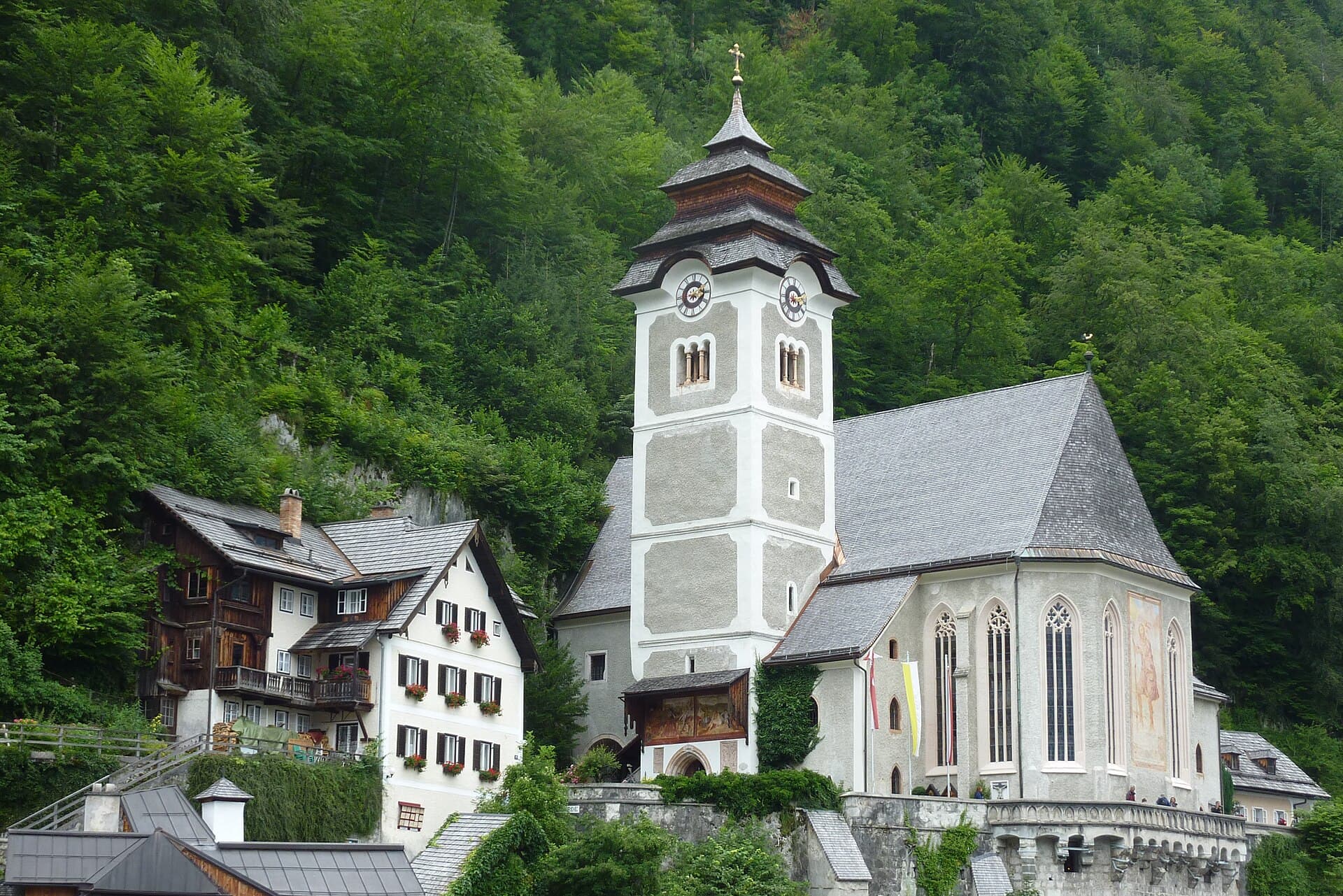 The Mountain Church & Bone HouseAbove the village roofs leans the Catholic church of Mary with its garden gravey2 minutes walk4.5
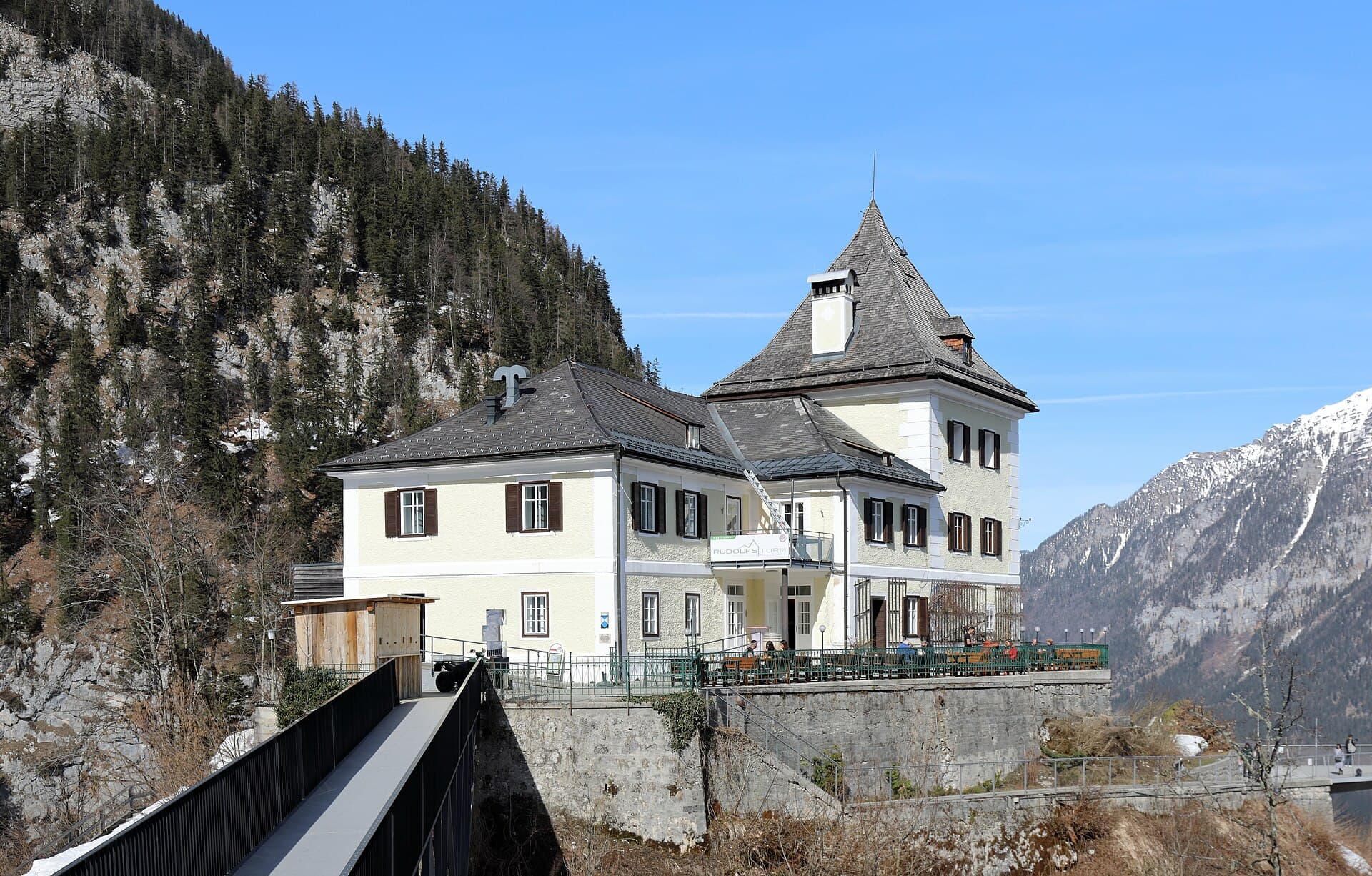 RudolfsturmA fourteenth-century tower on the slope above the village of Hallstatt, original6 minutes walk3.7
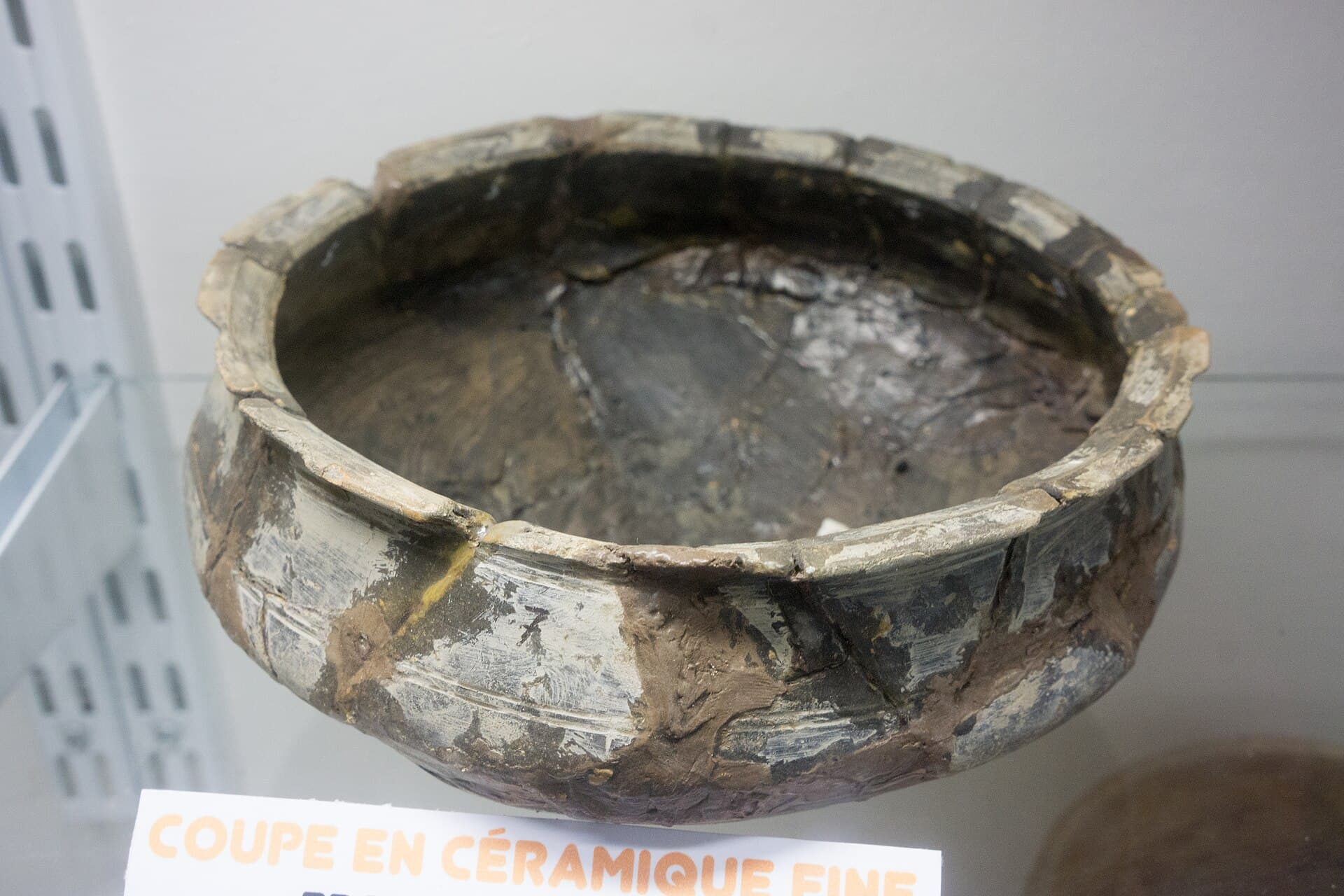 Hallstatt Salt Mine & SkywalkAbove Hallstatt lies the world's oldest salt mine: seven thousand unbroken diggi8 minutes walk4.5
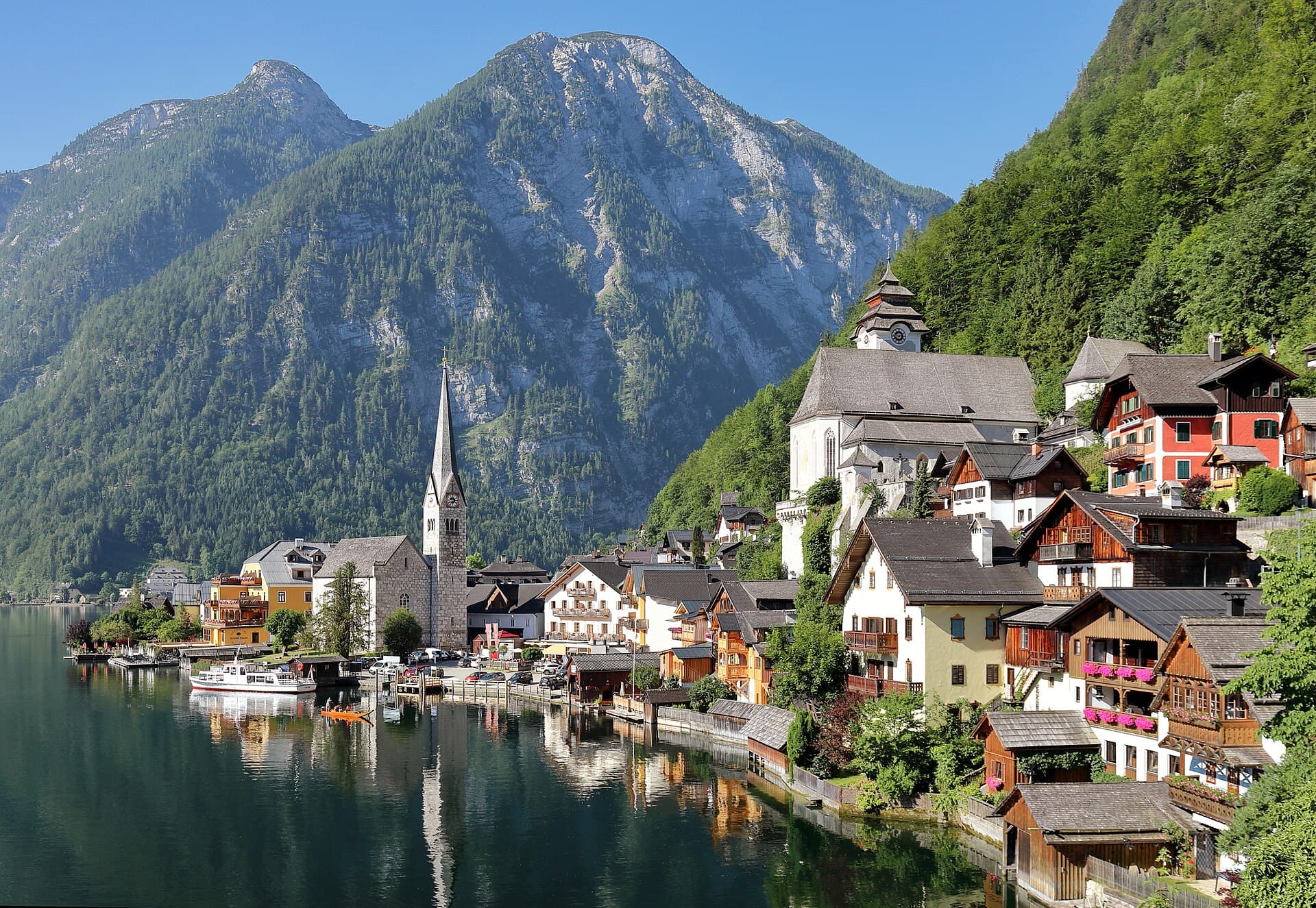 Hallstatt VillageHallstatt is the village become legend: stacked timber houses on a narrow ribbon9 minutes walk4.8
The mine is the experience, the museum the meaning — optimally: mine on the clear day, museum in the rain hour or evening. One tight day: the mine wins.