
The world's oldest salt mine
Extraction here has continued for more than three thousand years.
C.Stadler/Bwag — CC BY-SA 4.0 · Defecdet — CC BY-SA 4.0 · Lukas Rie — CC BY-SA 3.0 at · Defecdet — CC BY-SA 4.0
A fourteenth-century tower on the slope above the village of Hallstatt, originally built to protect the salt mines that were the whole region's source of wealth. Salt is the reason Hallstatt exists: it has been extracted here for more than three thousand years, and the oldest known salt mine in the world lies on this mountain. The early Iron Age culture of Europe is named Hallstatt because the cemetery that defined the period was found here. The tower was part of the system protecting that resource. Today it holds a restaurant and terrace and is not a monument visited inside. What makes the climb worthwhile is the position: it stands directly above the village, and the view from it over Hallstatt, its lake and the surrounding mountains is the scene that made this village among the most photographed places in Europe. It is reached by the funicular from the village on a ticket, or by a steep walk up. From beside it start the Skywalk — a platform cantilevered out over the valley — and the entrance to the salt mine. The funicular is seasonal and can stop in winter or for maintenance.
Extraction here has continued for more than three thousand years.
Europe's early Iron Age is called Hallstatt after a cemetery found here.
The outlook over village and lake is what made Hallstatt among Europe's most photographed places.
Above Hallstatt, at the funicular station
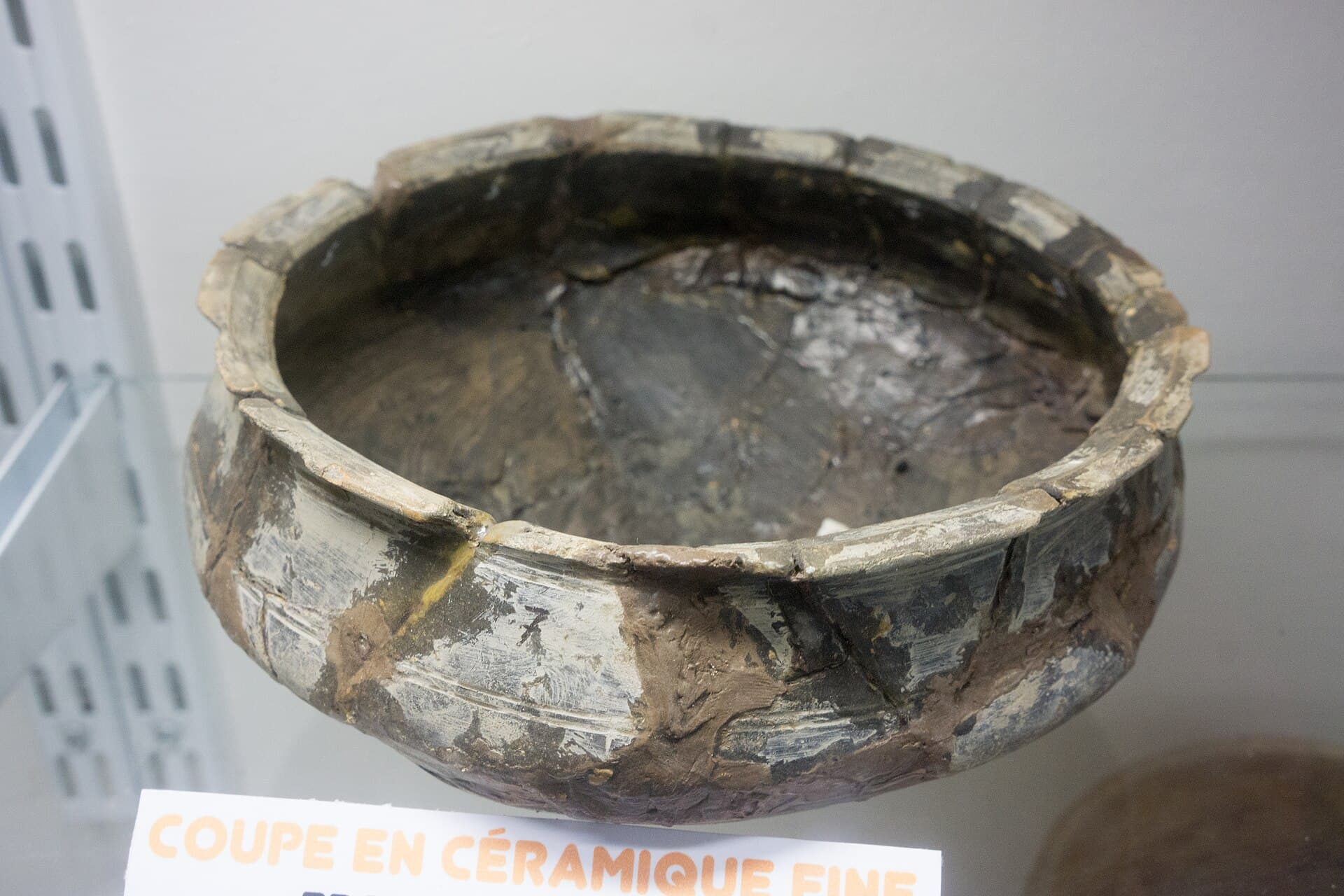 Hallstatt Salt Mine & SkywalkAbove Hallstatt lies the world's oldest salt mine: seven thousand unbroken diggi4 minutes walk4.5
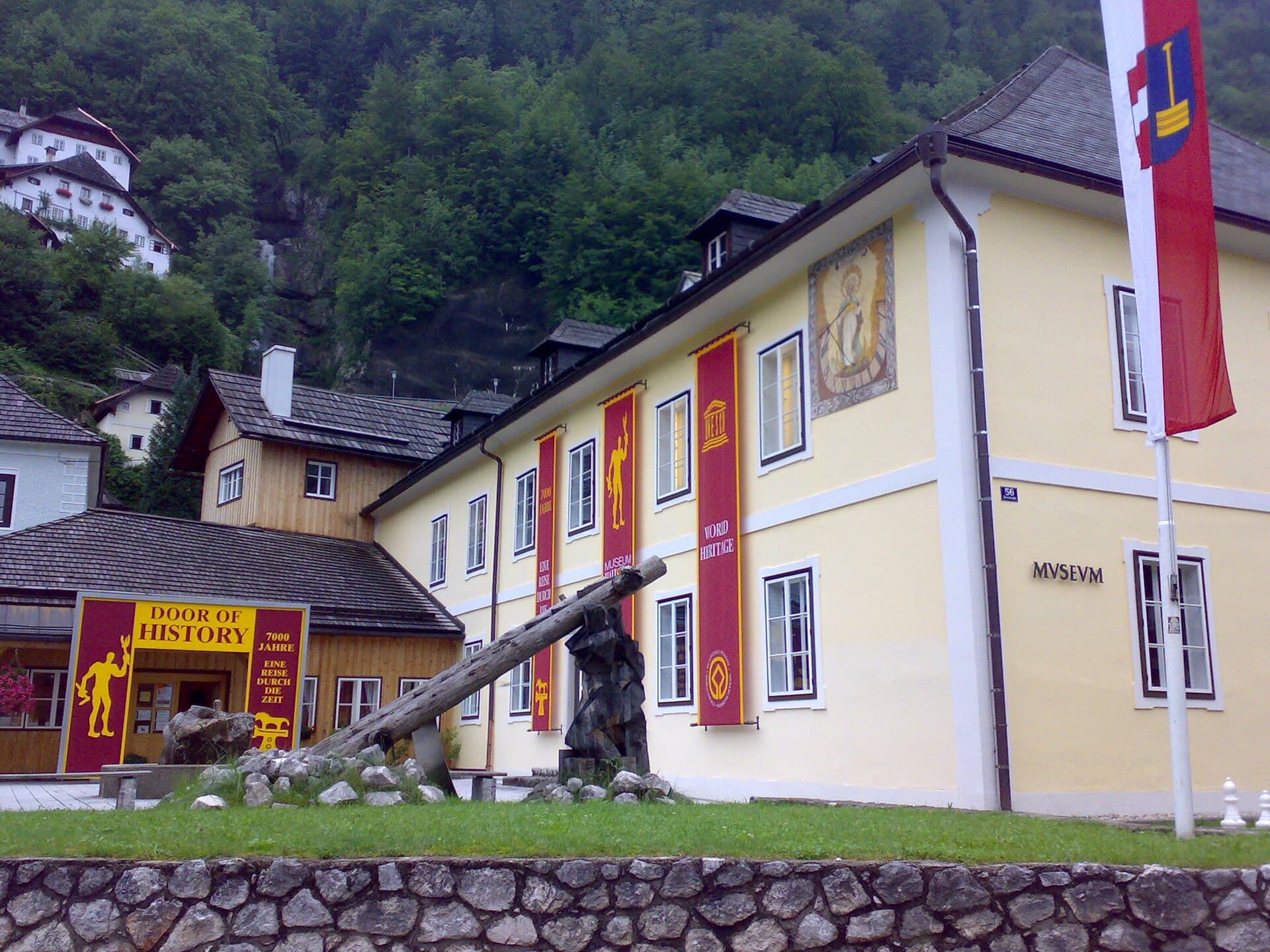 Hallstatt World Heritage MuseumHallstatt's museum bears European archaeology's heaviest name: the Hallstatt cul6 minutes walk4.4
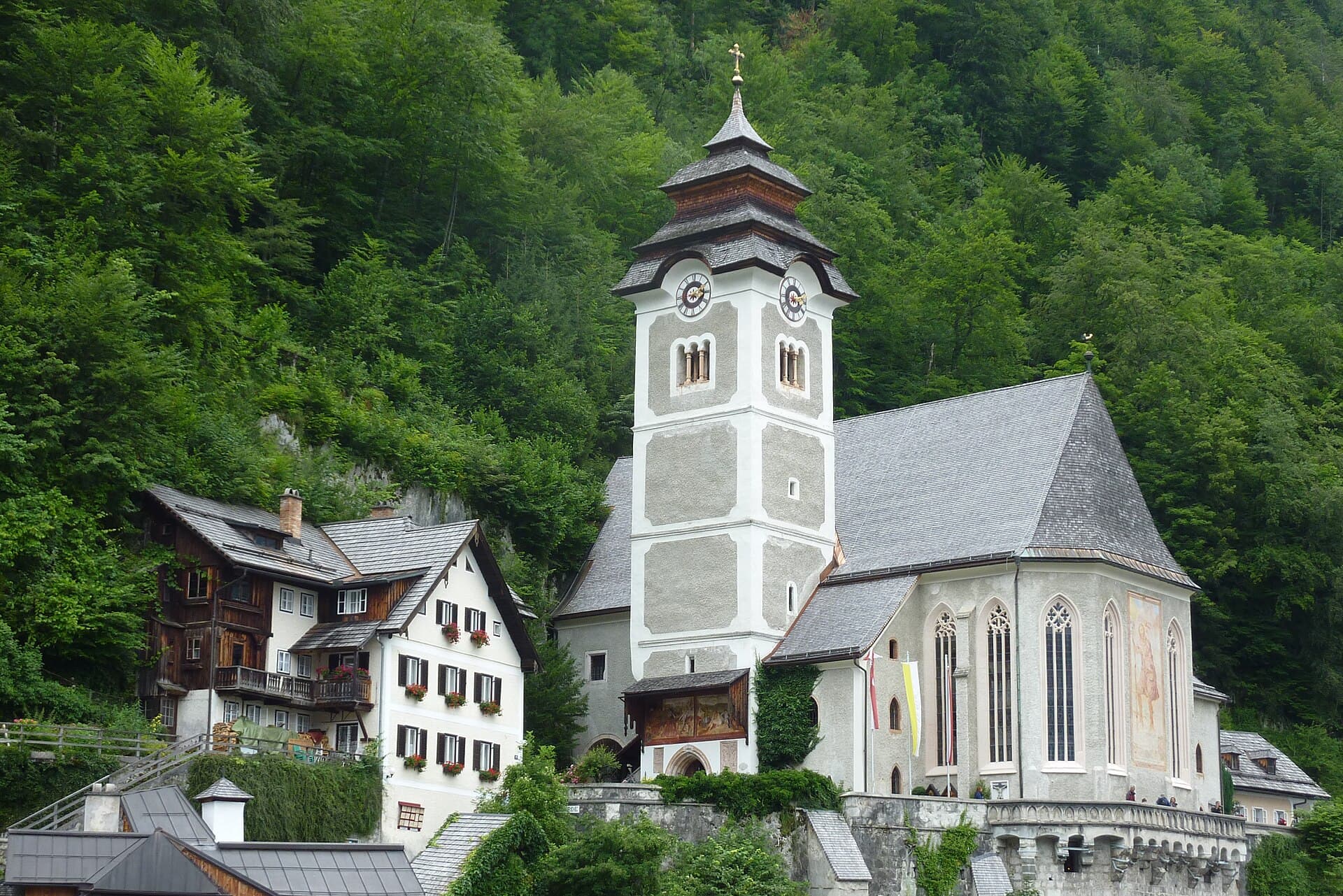 The Mountain Church & Bone HouseAbove the village roofs leans the Catholic church of Mary with its garden gravey6 minutes walk4.5
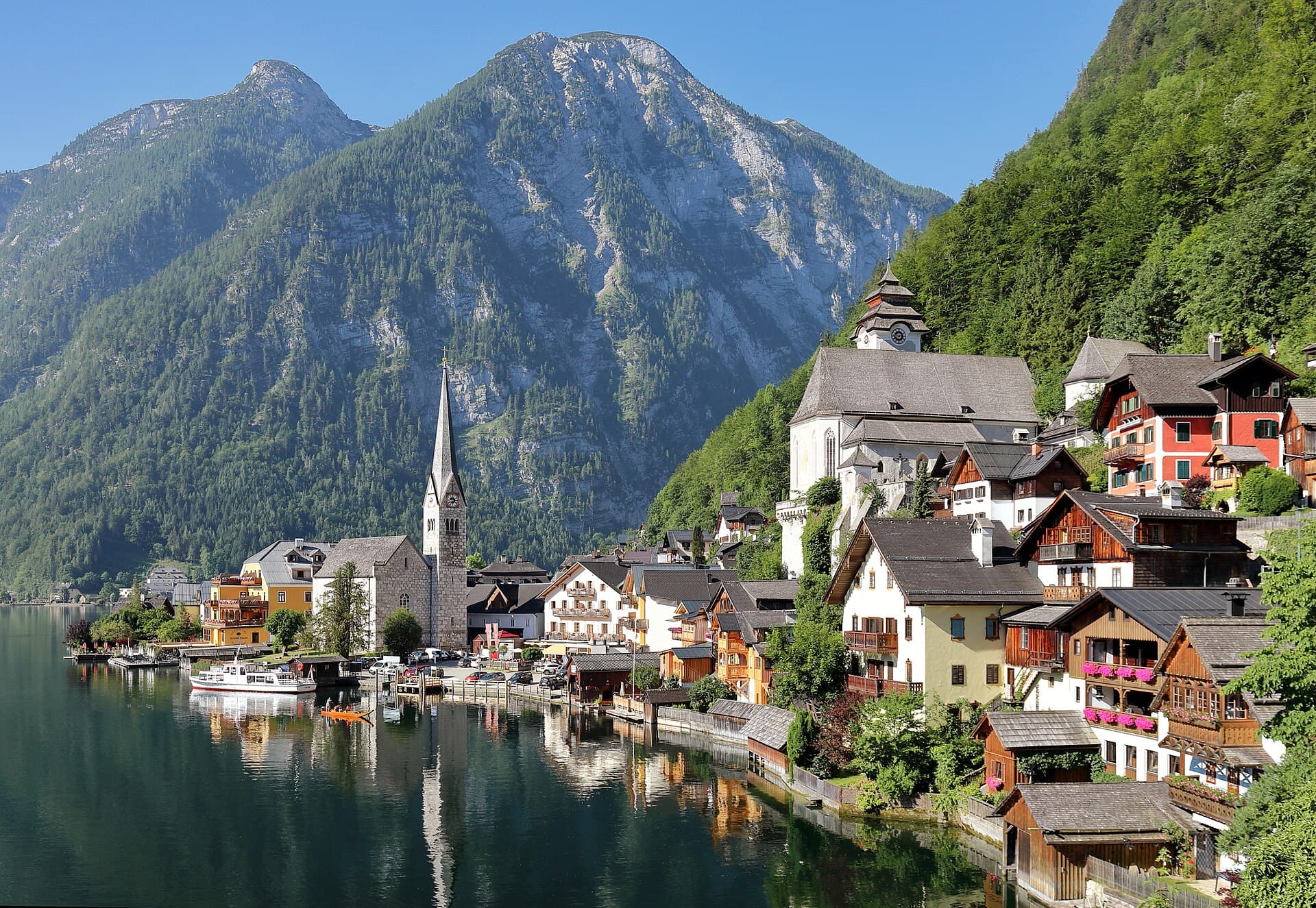 Hallstatt VillageHallstatt is the village become legend: stacked timber houses on a narrow ribbon8 minutes walk4.8
Yes, and it is the best thing in Hallstatt after the view. The tour descends inside the mountain through passages and the wooden slides the miners used, explaining how salt was extracted over thousands of years. It needs a ticket and booking in season, and the temperature inside stays low and constant.
Very early or late. The village is tiny — a few hundred residents — and receives thousands of visitors a day in season, most arriving by coach between ten and four. If you stay overnight or arrive before nine you will see an entirely different place. Winter is far quieter and the scene under snow is exceptional.