
The Skywalk
The metal tongue over the village roofscape — the famous aerial.
Fanny Schertzer — CC BY 3.0 · Balou46 — CC BY-SA 4.0 · Balou46 — CC BY-SA 4.0 · Joanbanjo — CC BY-SA 3.0
Above Hallstatt lies the world's oldest salt mine: seven thousand unbroken digging years that named the village and Europe's first Iron Age culture — the ascent a complete trilogy: the funicular up the village cliff, then the Skywalk's 360-metre-high metal tongue over the lake for the most famous aerial shot, then the mine and its tour: miners' suits, the two wooden slides, the underground salt lake with its show, and the Man in Salt — a worker's salt-preserved body of 350 BC found in 1734. The discovered Bronze Age wooden staircase (Europe's oldest surviving wooden stair) is displayed in the mountain with its effects — the visit's archaeological heart. The combined ticket (funicular + mine) is the right arithmetic — and the Skywalk is free to funicular riders: the time-pressed, or those with under-fours (barred from the mine), take it as a complete reward itself.
The metal tongue over the village roofscape — the famous aerial.
A 350 BC worker salt-kept — meeting the ages face on.
Europe's oldest wooden staircase where it was found.
The miners' wood ridden — your top speed clocked.
Salzbergstrasse 21, 4830 Hallstatt
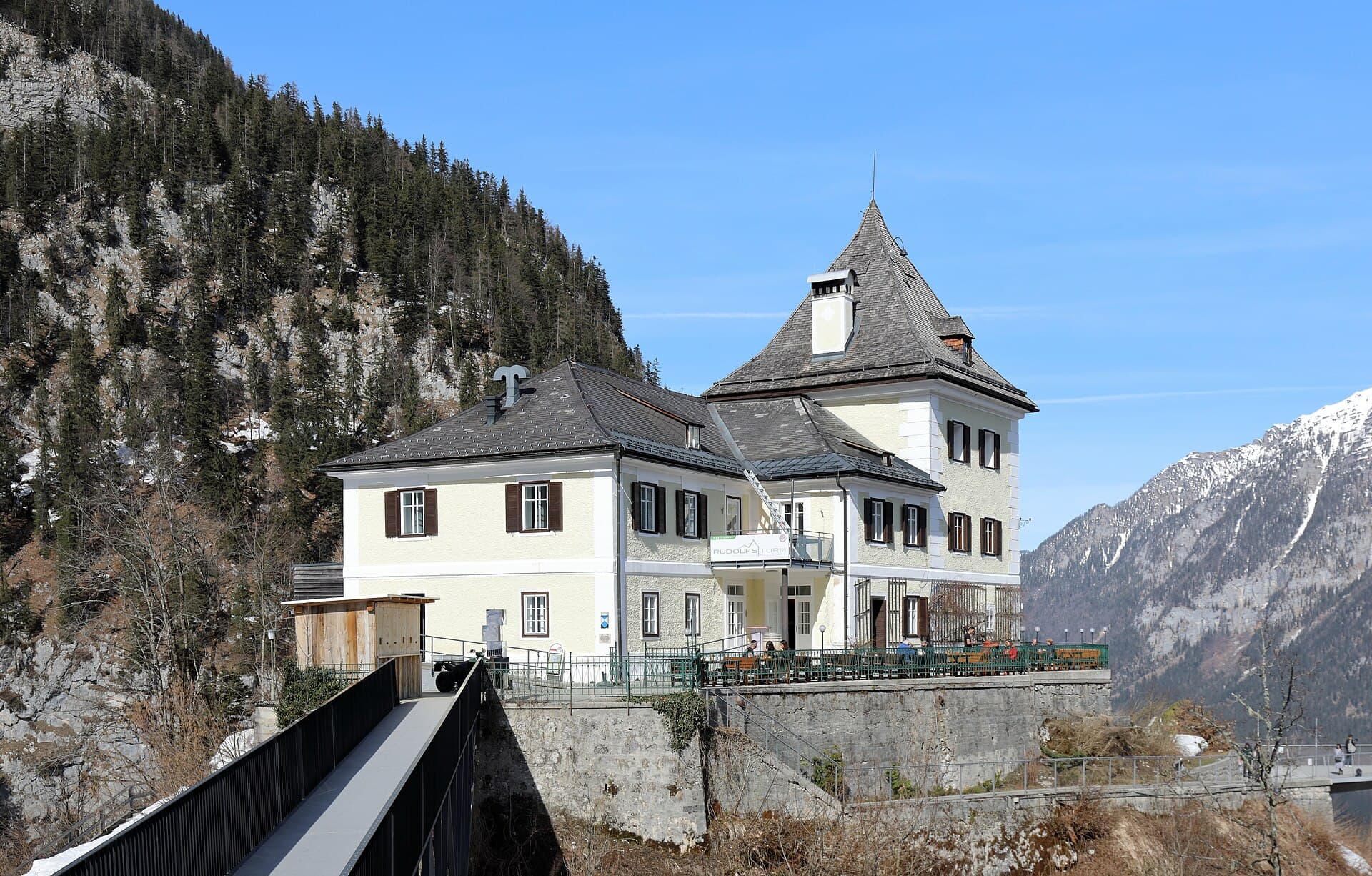 RudolfsturmA fourteenth-century tower on the slope above the village of Hallstatt, original4 minutes walk3.7
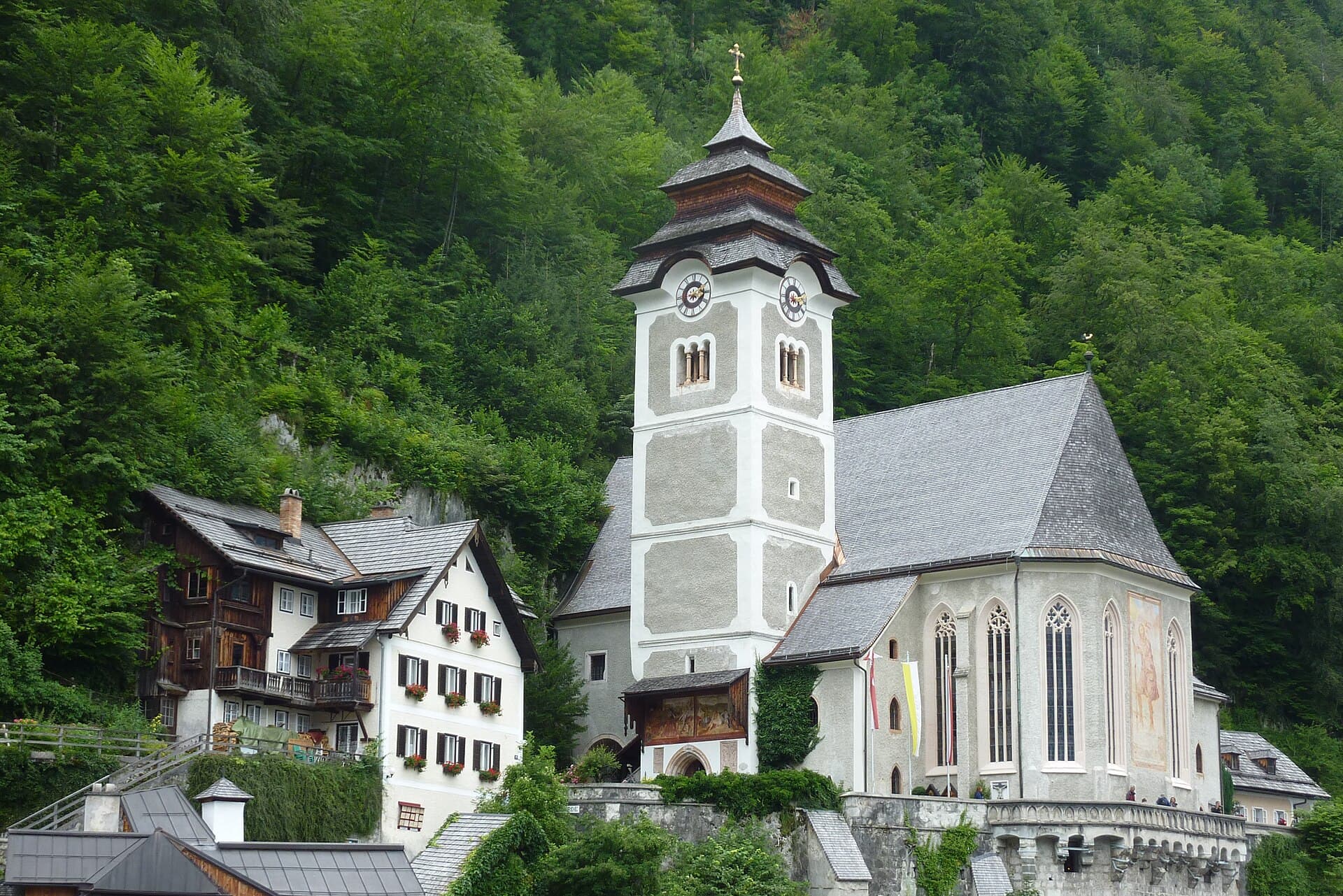 The Mountain Church & Bone HouseAbove the village roofs leans the Catholic church of Mary with its garden gravey8 minutes walk4.5
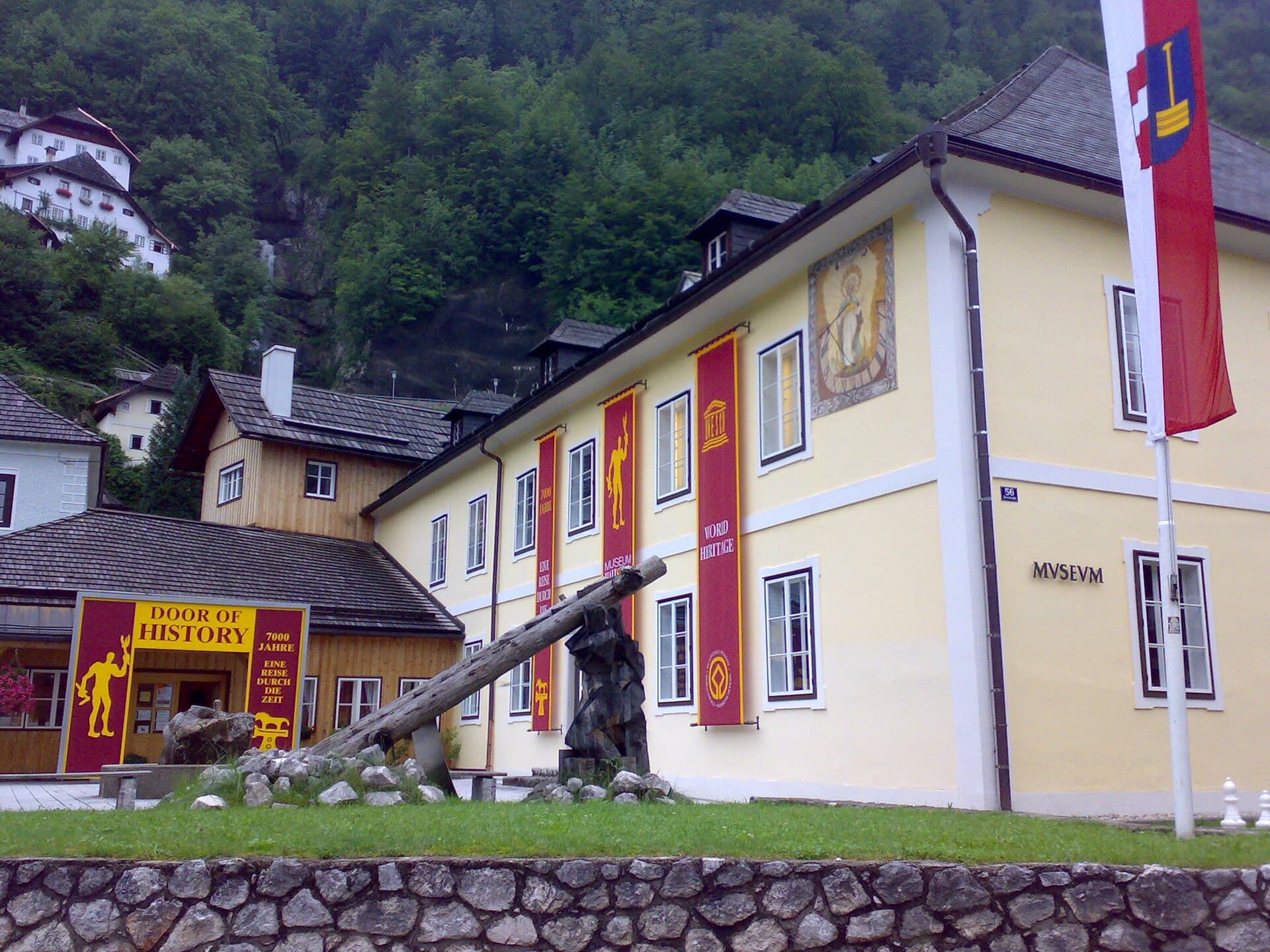 Hallstatt World Heritage MuseumHallstatt's museum bears European archaeology's heaviest name: the Hallstatt cul8 minutes walk4.4
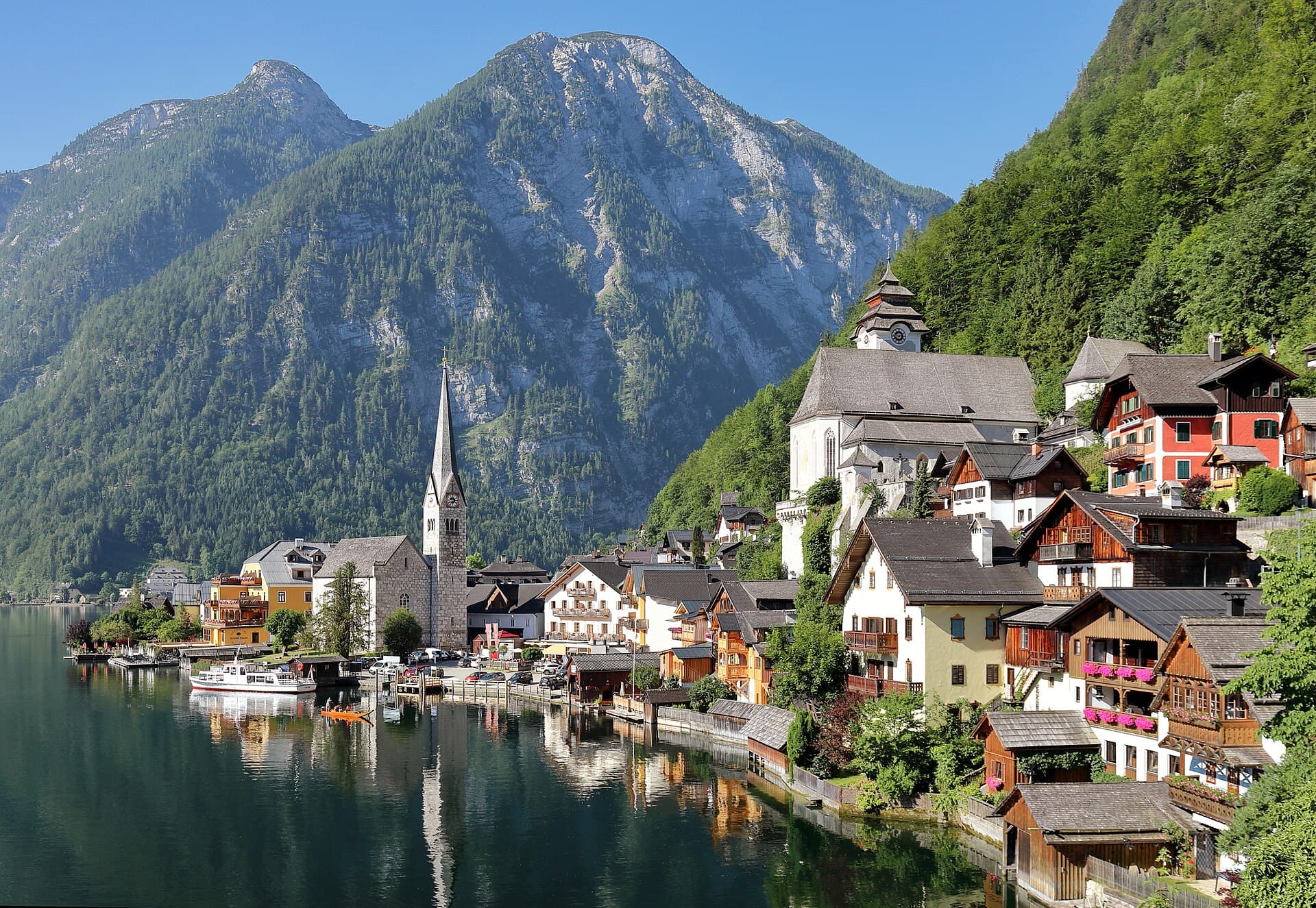 Hallstatt VillageHallstatt is the village become legend: stacked timber houses on a narrow ribbon11 minutes walk4.8
If Dürrnberg came first, the mines twin below ground — but Hallstatt's trilogy (funicular, Skywalk, Bronze Age finds) stays unique: take at least funicular and Skywalk. And conversely: starting here excuses Dürrnberg.