
The garlanded skulls
Roses, names and ordered families — memory as art.
Marion & Christoph Aistleitner — CC0 · C.Stadler/Bwag — CC BY-SA 4.0 · Uoaei1 — CC BY-SA 4.0 · Uoaei1 — CC BY-SA 4.0
Above the village roofs leans the Catholic church of Mary with its garden graveyard — and Austria's strangest chapel in its corner: the Bone House keeps 1,200 skulls, six hundred of them painted with rose garlands, their owners' names and dates — a custom born of narrow ground: the small cemetery's graves were reopened after decades, the remains honoured with paint and family order on the shelves. The last skull joined in 1995 by its owner's will (gold tooth included) — a living custom, not a museum one. The visit is brief and moving, not fearsome: care and roses make it a beloved memory lesson. The graveyard itself, roofed wooden crosses and flowers above the lake, ranks among earth's loveliest burial grounds — and the Gothic church's winged altar is a free treasure.
Roses, names and ordered families — memory as art.
Roofed wooden crosses and flowers above the water.
Kirchenweg 40, 4830 Hallstatt
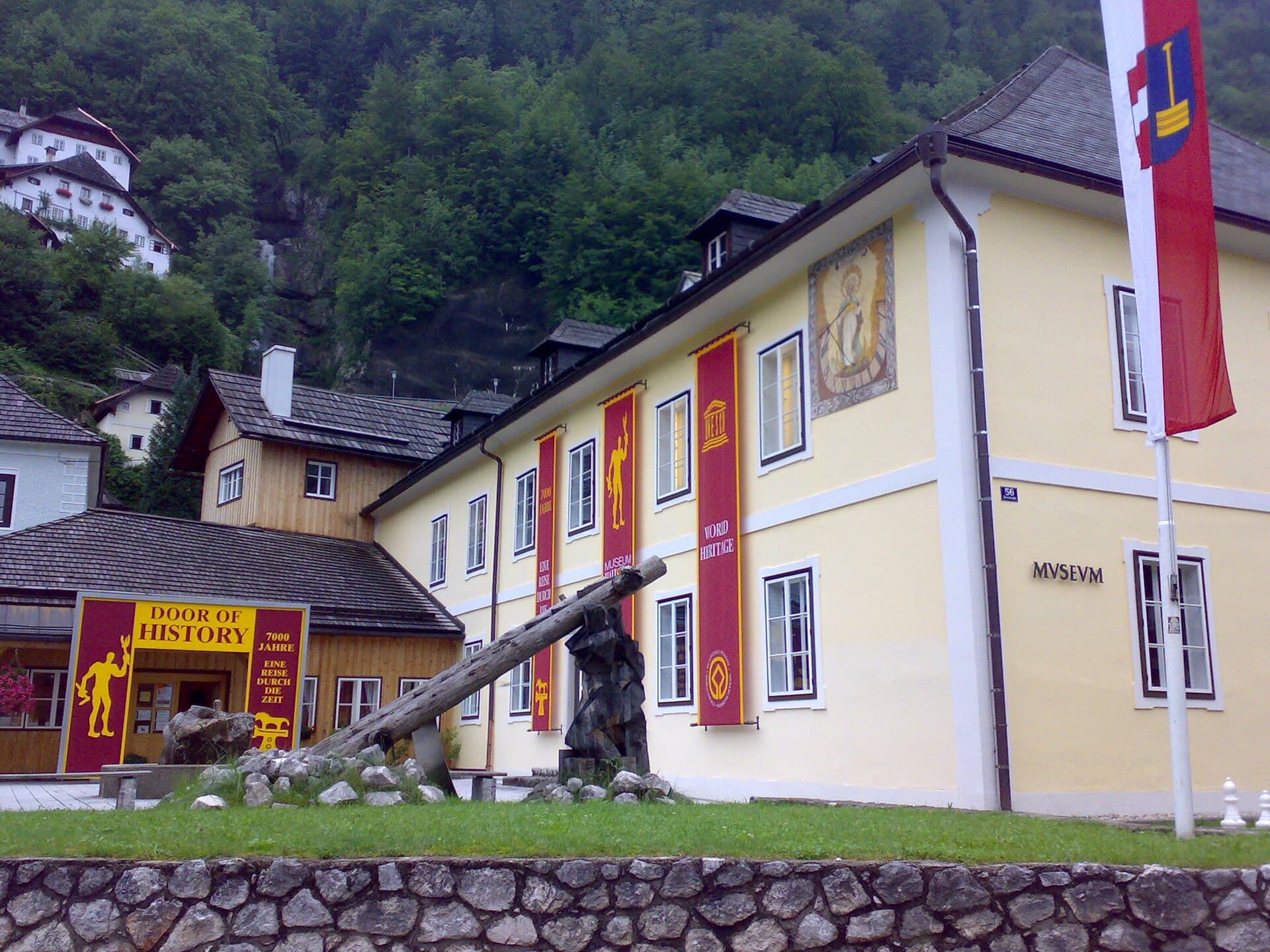 Hallstatt World Heritage MuseumHallstatt's museum bears European archaeology's heaviest name: the Hallstatt cul2 minutes walk4.4
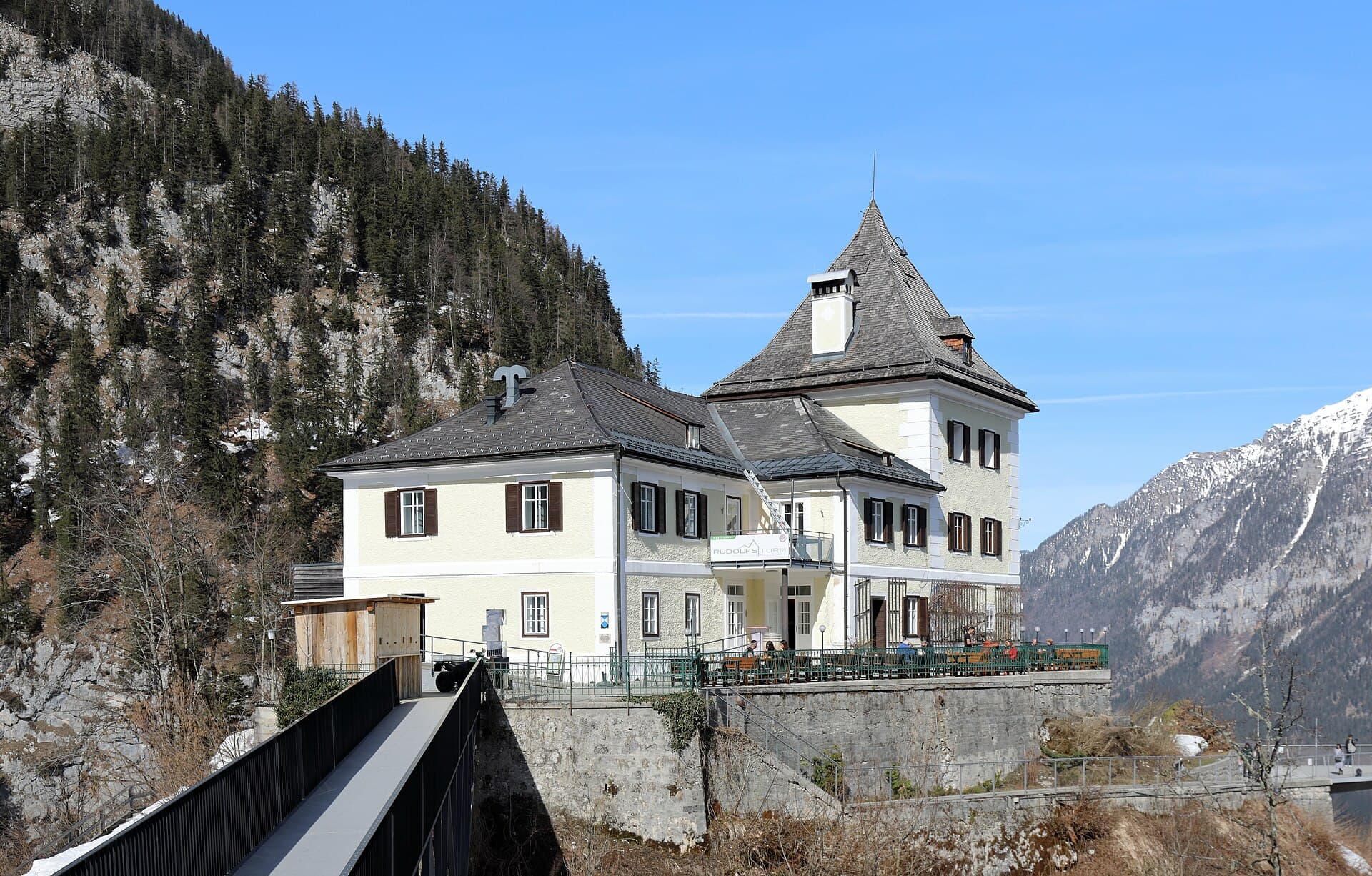 RudolfsturmA fourteenth-century tower on the slope above the village of Hallstatt, original6 minutes walk3.7
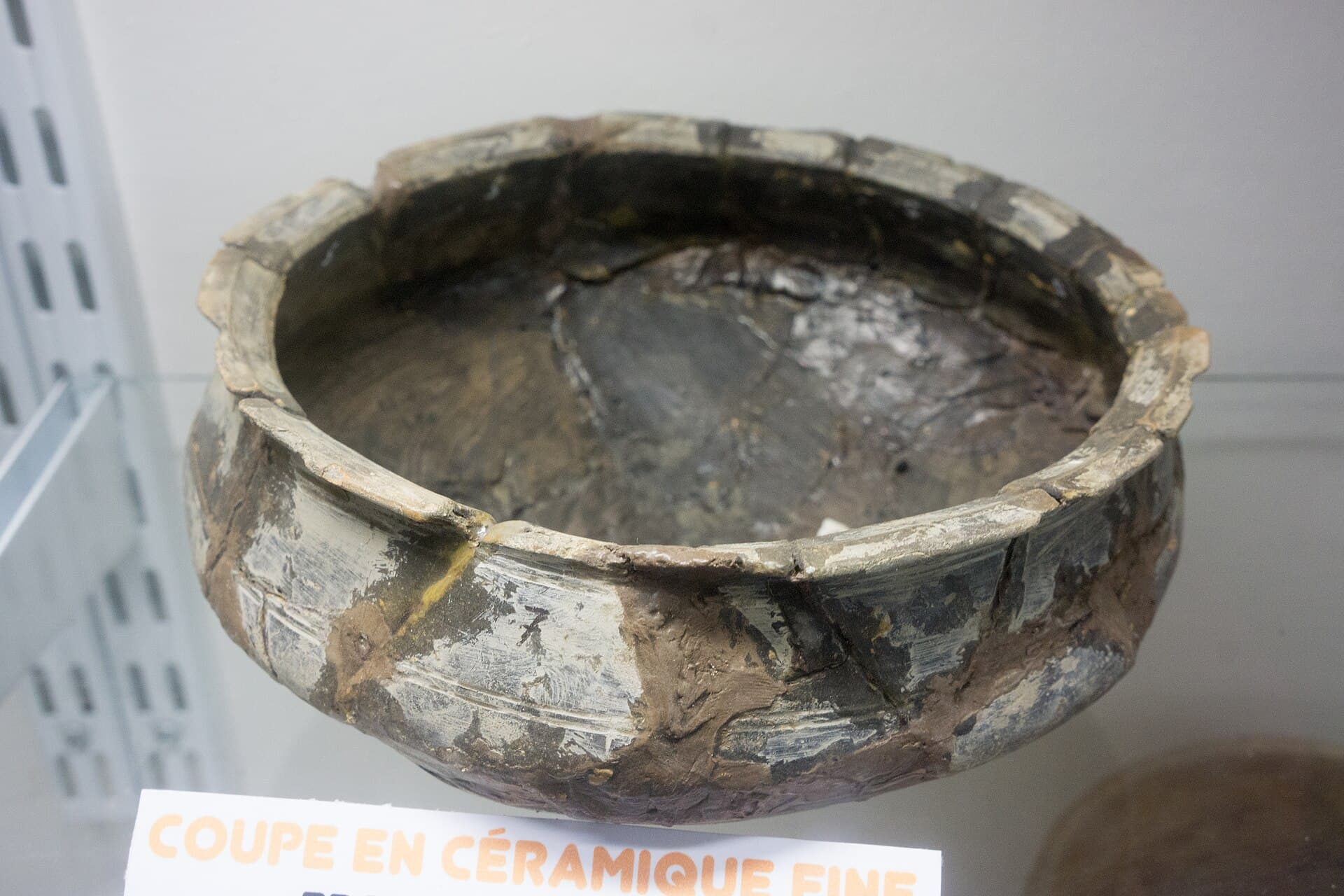 Hallstatt Salt Mine & SkywalkAbove Hallstatt lies the world's oldest salt mine: seven thousand unbroken diggi8 minutes walk4.5
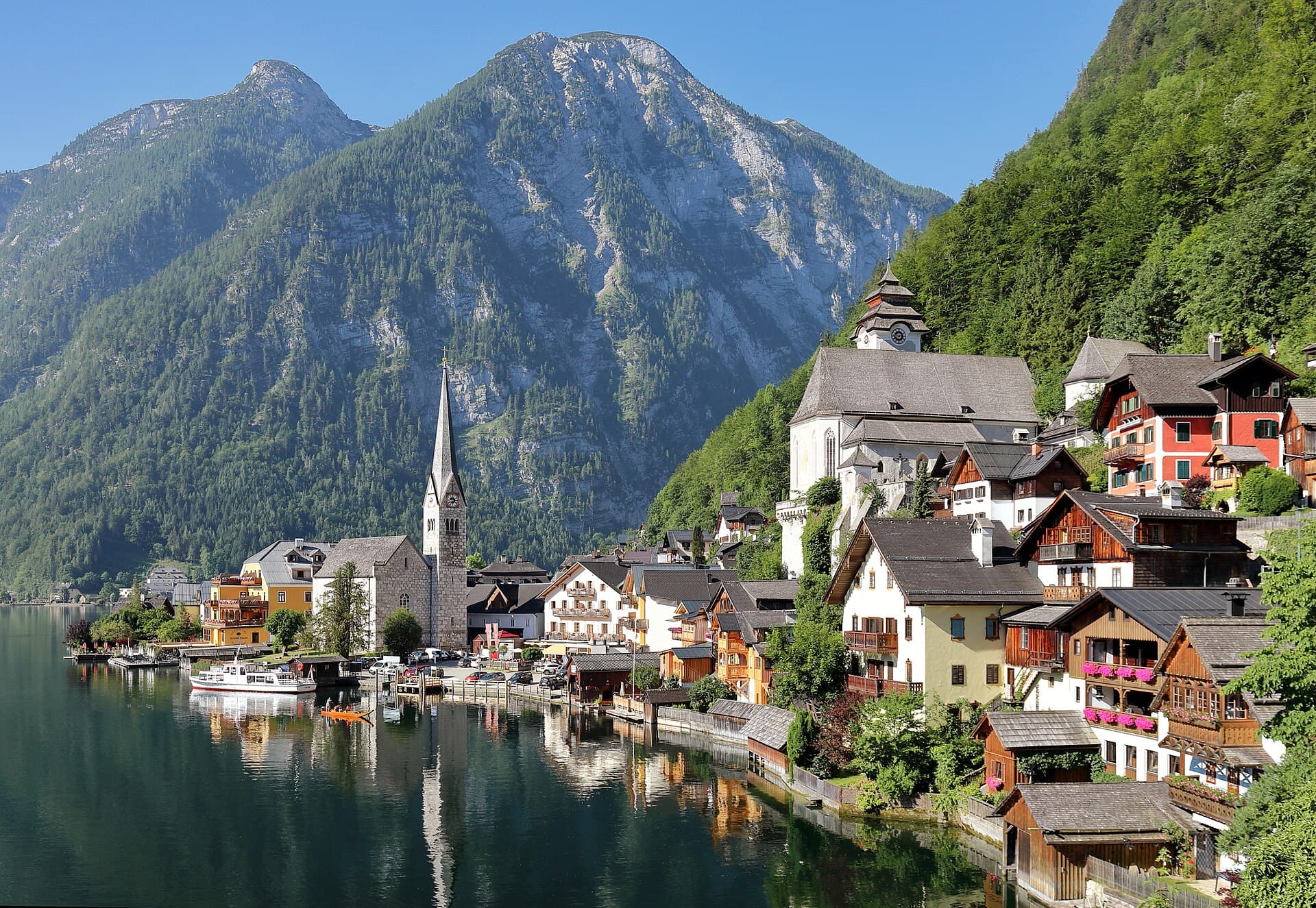 Hallstatt VillageHallstatt is the village become legend: stacked timber houses on a narrow ribbon11 minutes walk4.8
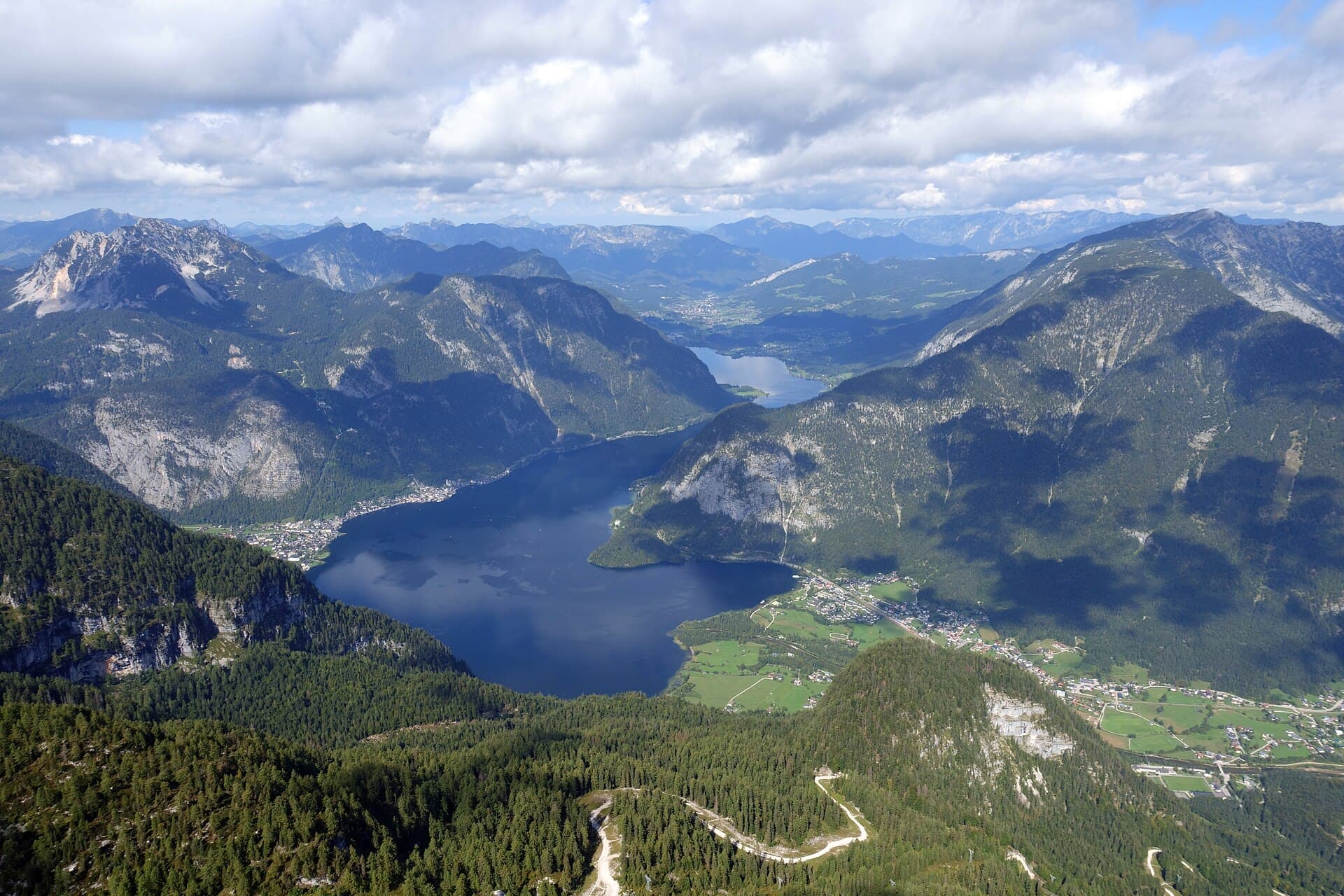 Lake HallstattLake Hallstatt is the legend's mirror: eight kilometres of emerald water between24 minutes walk4.6
Framing decides: presented as beautiful honouring, not horror — children from eight usually receive it so, the painting amazing them. Younger ones keep to graveyard and view.