
The Heidelberg Man jaw
A cast of a fossil hundreds of thousands of years old, found near the town.
4028mdk09 — CC BY-SA 3.0 · Moleskine — CC BY 4.0 · trolvag — CC BY-SA 3.0 · Thomas Pusch — CC BY-SA 4.0
The Kurpfälzisches Museum is Heidelberg's city museum, housed in an eighteenth-century baroque palace on the main street. The building itself is handsome, with one of the finest façades on that street. The collection brings together archaeology, art and the town's history. Its best-known piece is a cast of the jaw of "Heidelberg Man", a fossil hundreds of thousands of years old found near the town, which was among the oldest human remains in Europe when it was discovered. There is also a carved wooden altarpiece from the sixteenth century, and paintings of Heidelberg from the nineteenth, when the Romantics discovered it.
A cast of a fossil hundreds of thousands of years old, found near the town.
A finely carved sixteenth-century wooden altarpiece — one of the museum's key works.
Nineteenth-century pictures of the castle and town as the Romantic painters saw them.
An eighteenth-century palace with one of the handsomest façades on the main street.
Hauptstraße 97, 69117 Heidelberg
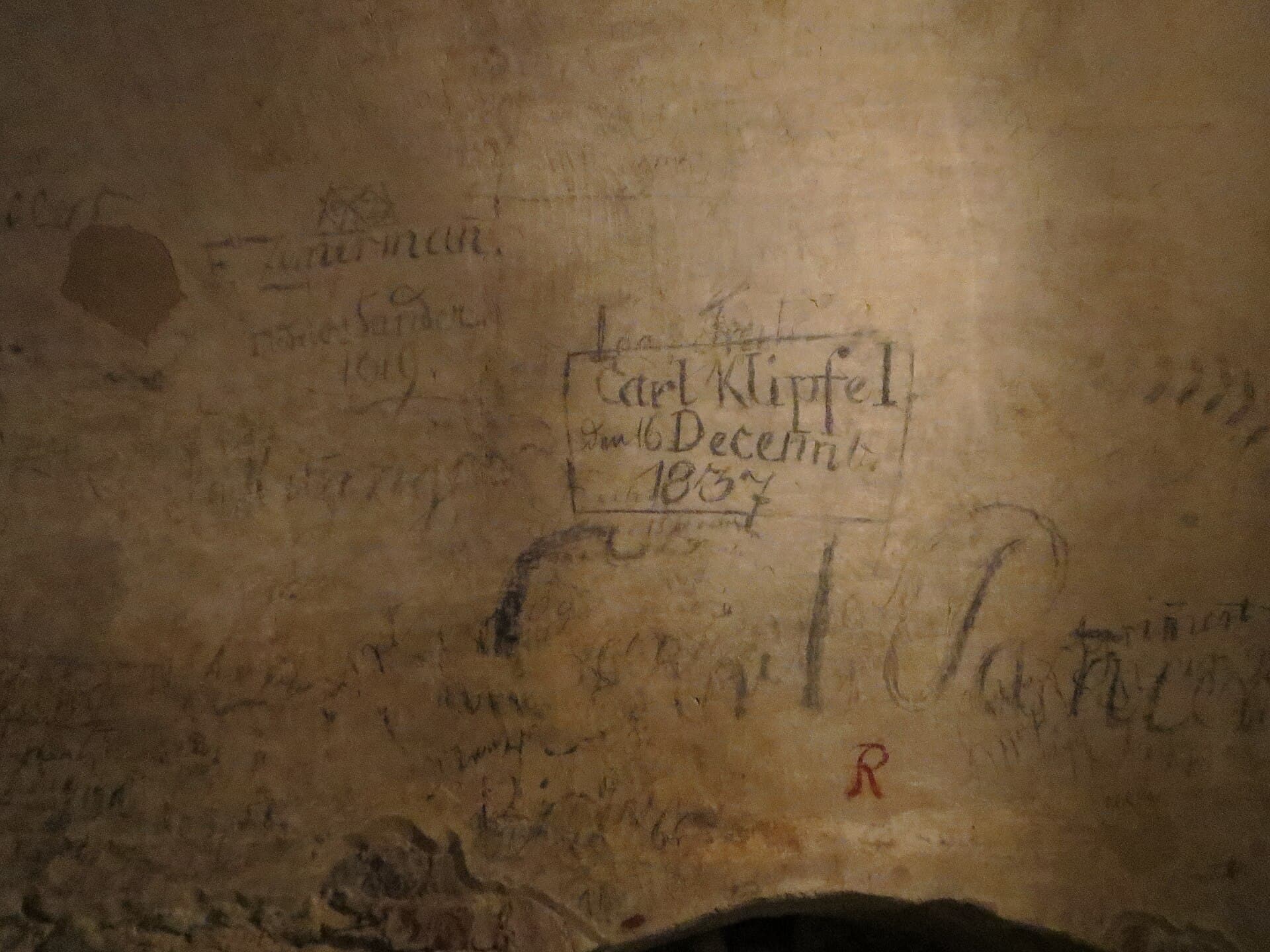 Student Prison (Studentenkarzer)The student prison is one of Heidelberg's strangest and most entertaining sights3 minutes walk4.4
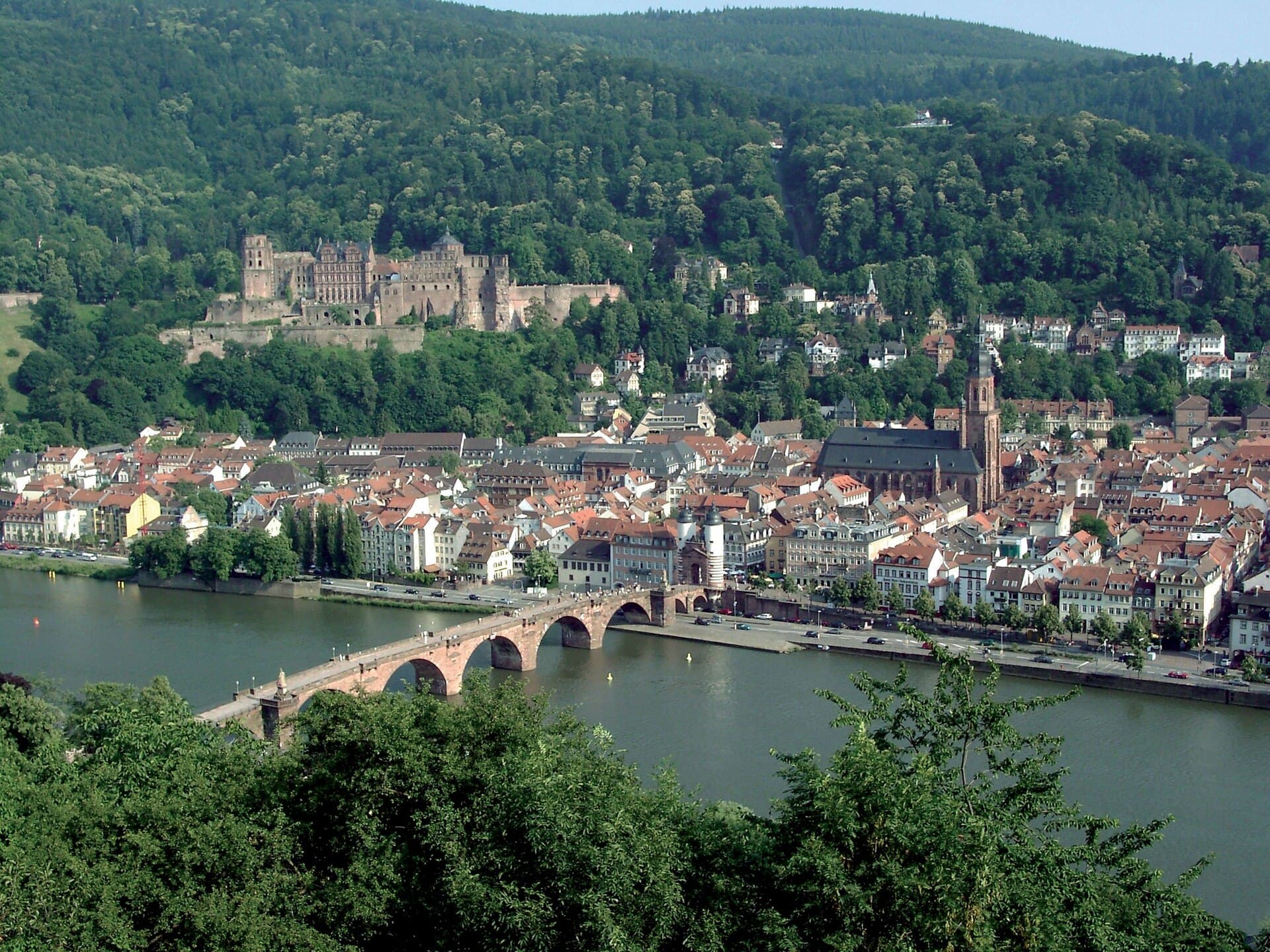 Heidelberg Old TownHeidelberg's old town is among the loveliest in Germany, for a simple reason: it3 minutes walk4.7
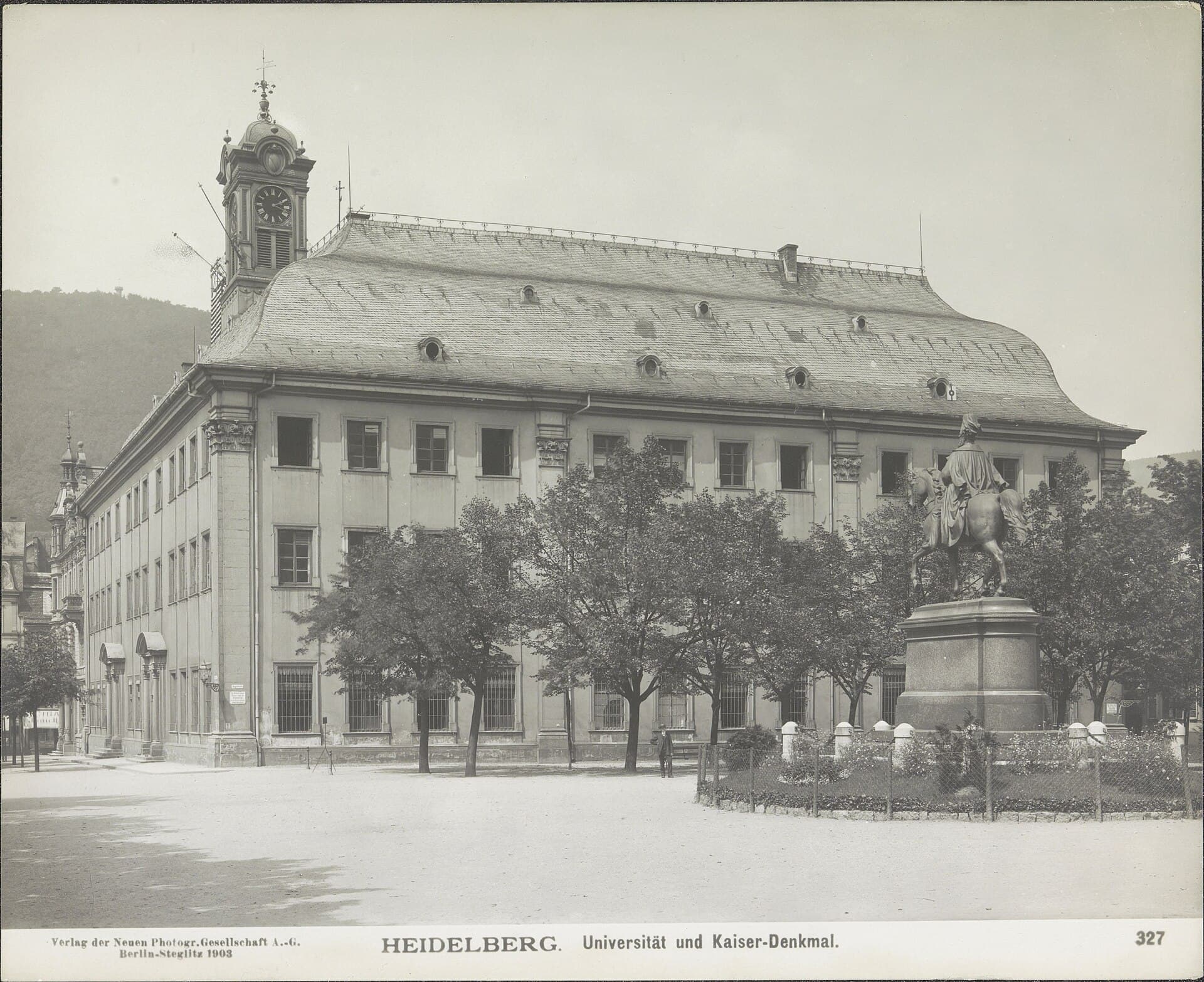 Heidelberg University MuseumA museum in the Old University building in Heidelberg, documenting the history o3 minutes walk4.1
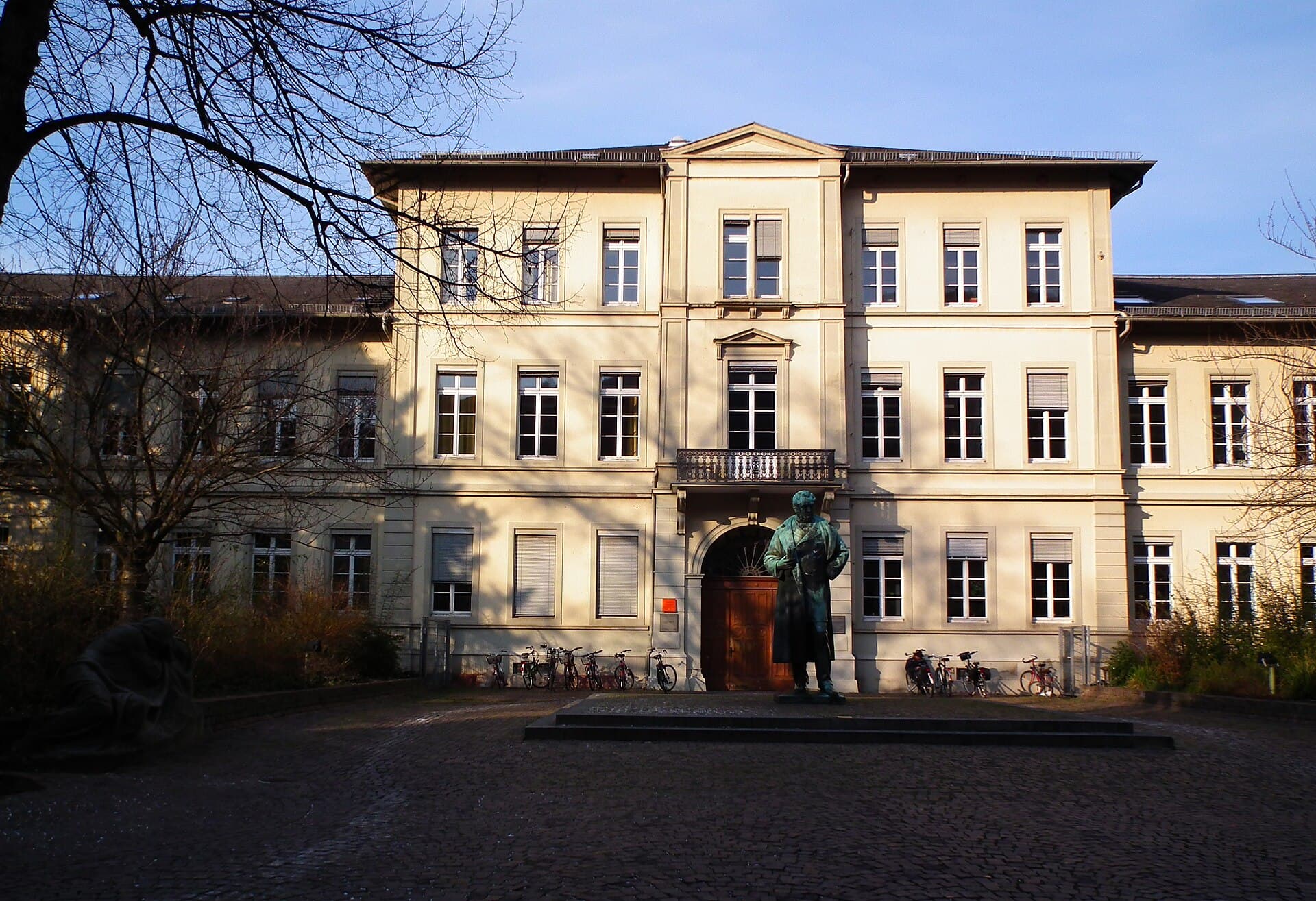 Heidelberg UniversityHeidelberg is Germany's oldest university, founded in 1386 by papal decree, and 4 minutes walk4.6
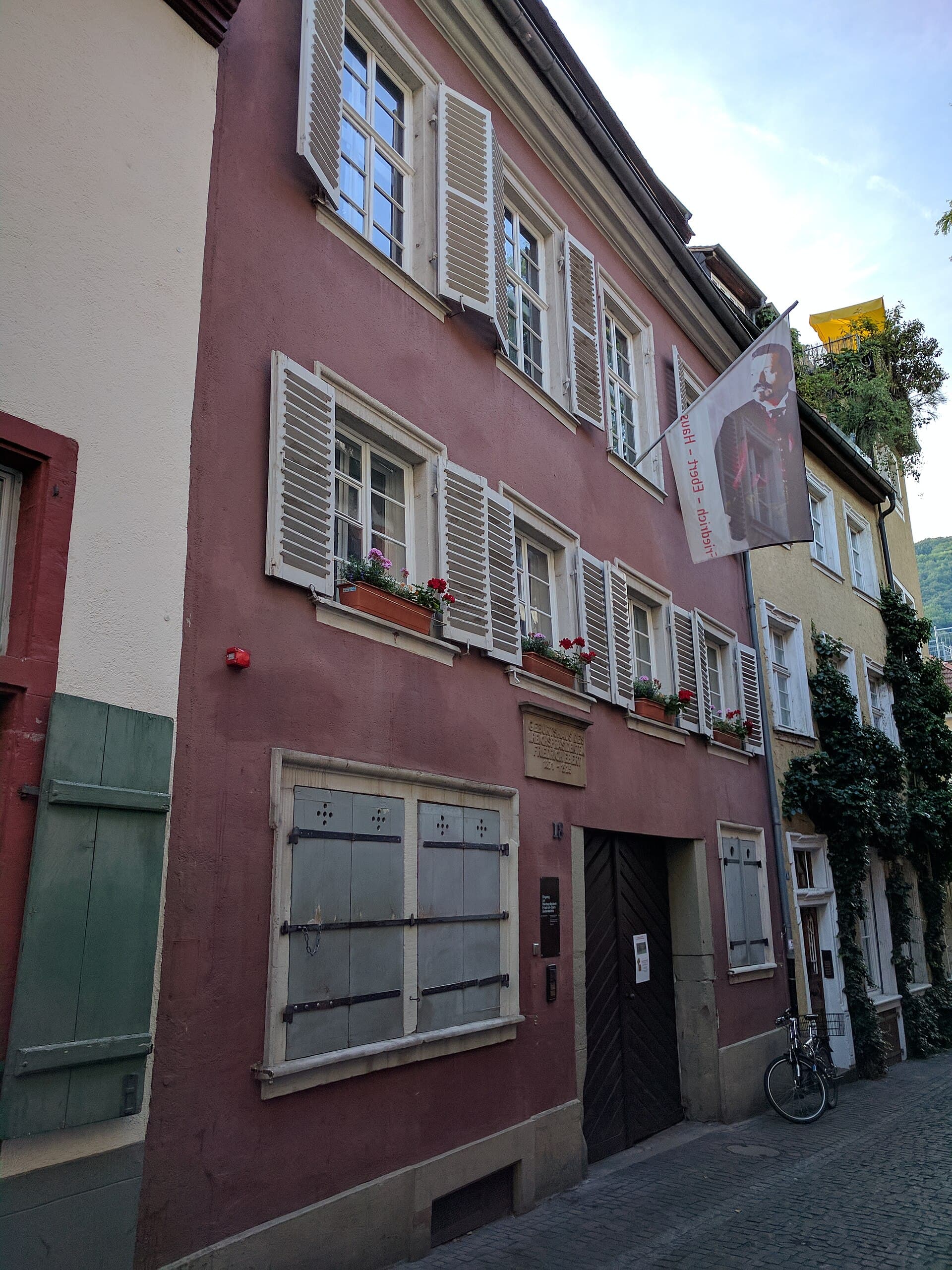 Friedrich Ebert MemorialThis house is where Friedrich Ebert was born in 1871 — Germany's first elected p5 minutes walk4.7
If the town's history interests you or you want shelter on a wet day, yes — and the ticket is very cheap. If you only have one day in Heidelberg, the castle, the Philosophers' Way and the old town come first.
Limited. The main panels are German with some English in the larger sections, but much of the detail is German only. There is nothing in Arabic.
A jaw fossil found in 1907 in a quarry near Heidelberg, which at the time was among the oldest known human remains in Europe. The species was named after the town, which is why it carries its name in anthropology.