
The world's highest consumption
Czechs drink more beer than any other people, by a clear margin.
Hu Totya — CC BY-SA 3.0 · I would appreciate being notified if you use my work outside Wikimedia. More of my work can be found in my personal gallery. — CC BY-SA 3.0 · Hosse — CC BY 3.0 · Jirka Dl — CC BY-SA 4.0
A historic brewery in Český Krumlov brought back into operation after years of closure, combining actual production with tours explaining Czech brewing. The context is worth setting out. Czechs drink more beer per head than any other people in the world, and by a clear rather than marginal margin. Beer here is not merely an alcoholic drink but a social institution: the pub is where people meet and argue, beer prices are a political subject, and the pilsner style that originated in Plzeň in 1842 changed brewing worldwide — most of the pale beer drunk anywhere today descends from it. Small town breweries like this one were the norm before centralised production, and most disappeared under communism or after privatisation. Bringing them back is a recent trend. Practical points: tours are ticketed and may include a tasting, and booking is advised in season. The place also serves food and beer without a tour. The tour involves alcohol — say so when booking if you do not drink, as an alternative is normally available.
Czechs drink more beer than any other people, by a clear margin.
Where people meet and argue, and beer prices are a political subject.
Most vanished under communism, and reviving them is a recent trend.
Český Krumlov
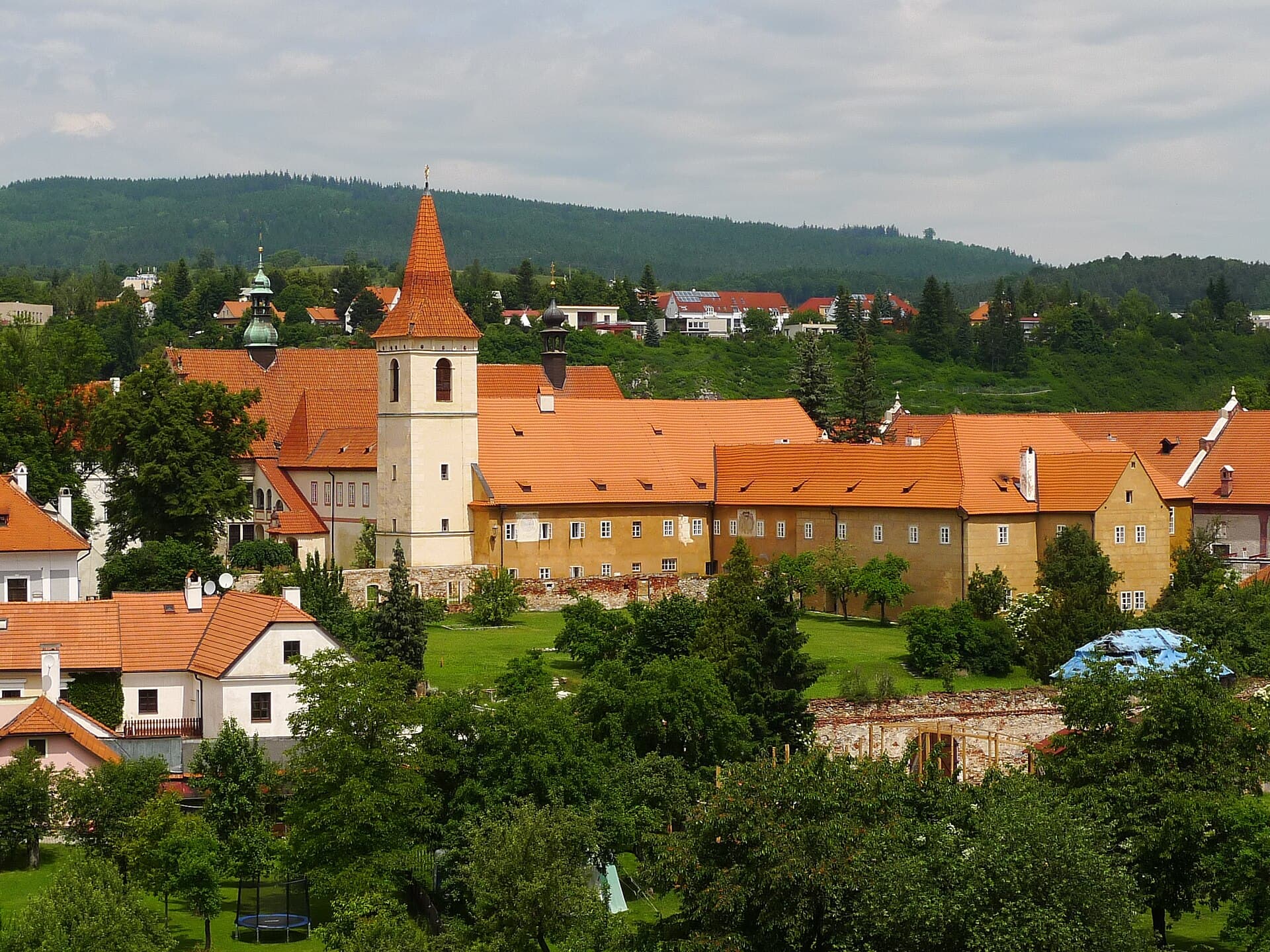 The Minorite Monastery and its GardenA monastic complex in Český Krumlov's old town, founded in 1350 and holding thre1 minute walk4.9
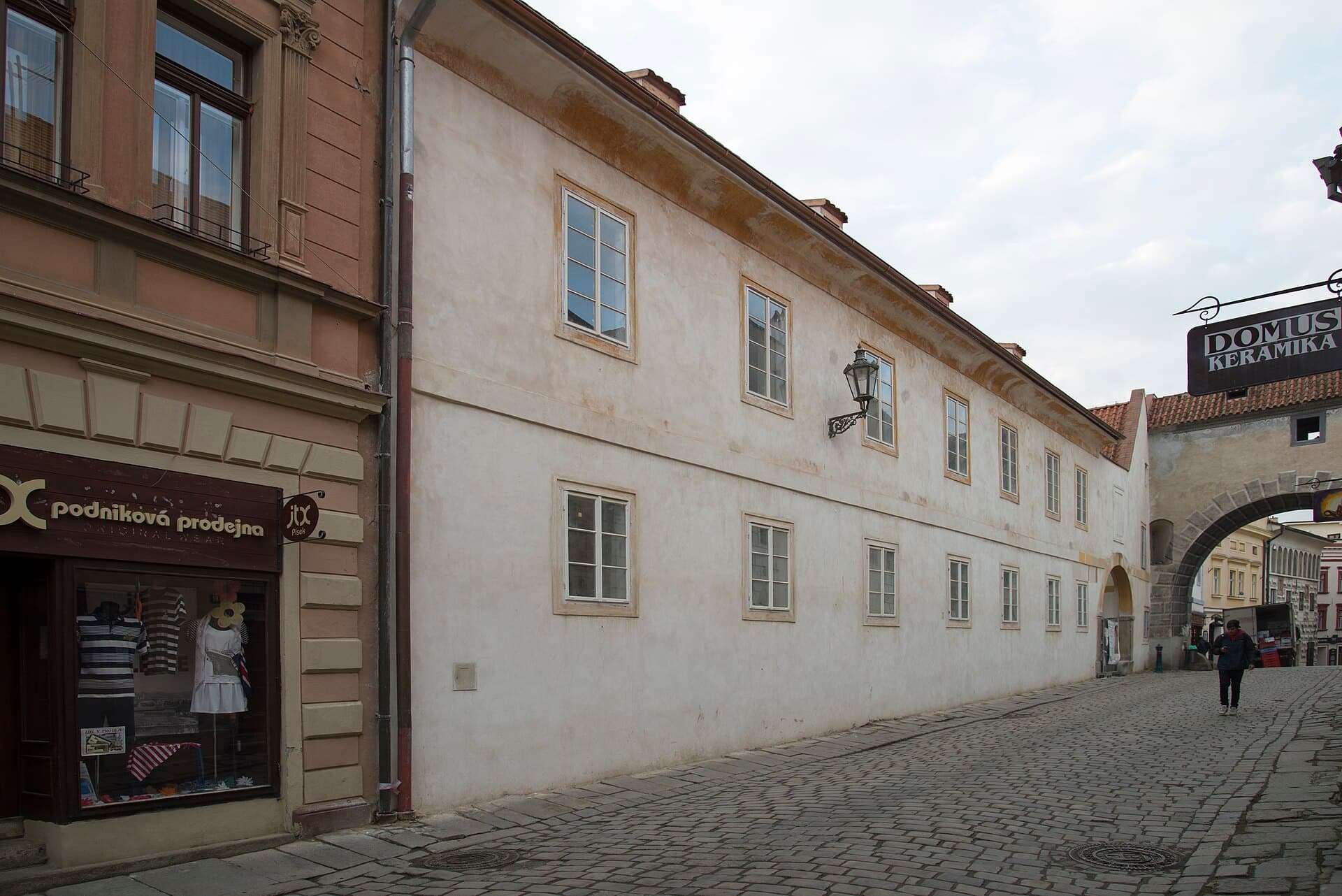 The Krumlov MonasteriesA monks' town behind the castle: the fourteenth-century complex joined two house2 minutes walk4.6
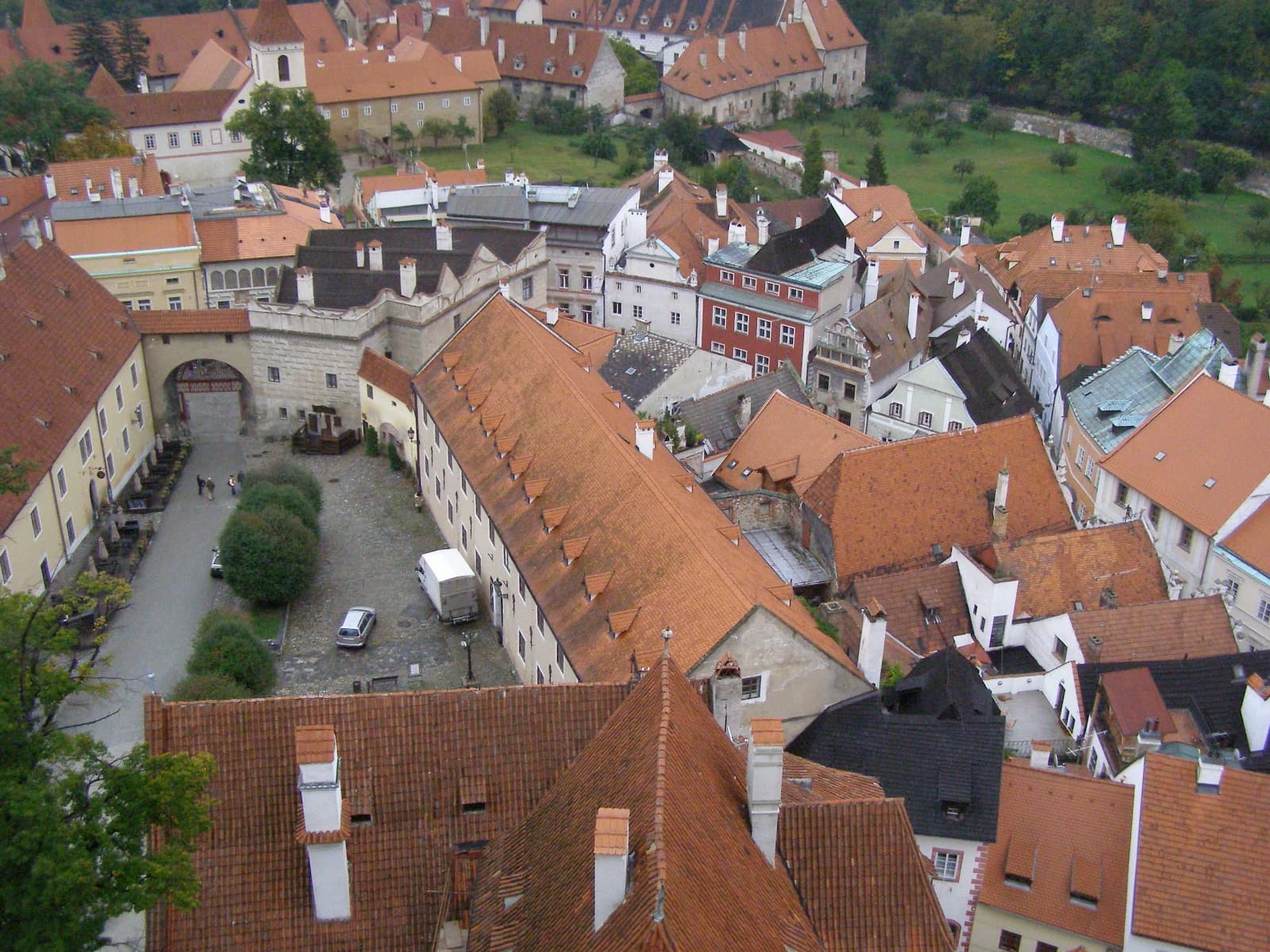 Latrán QuarterThe castle's town beneath its walls: Latrán is the servants' and craftsmen's ban2 minutes walk4.7
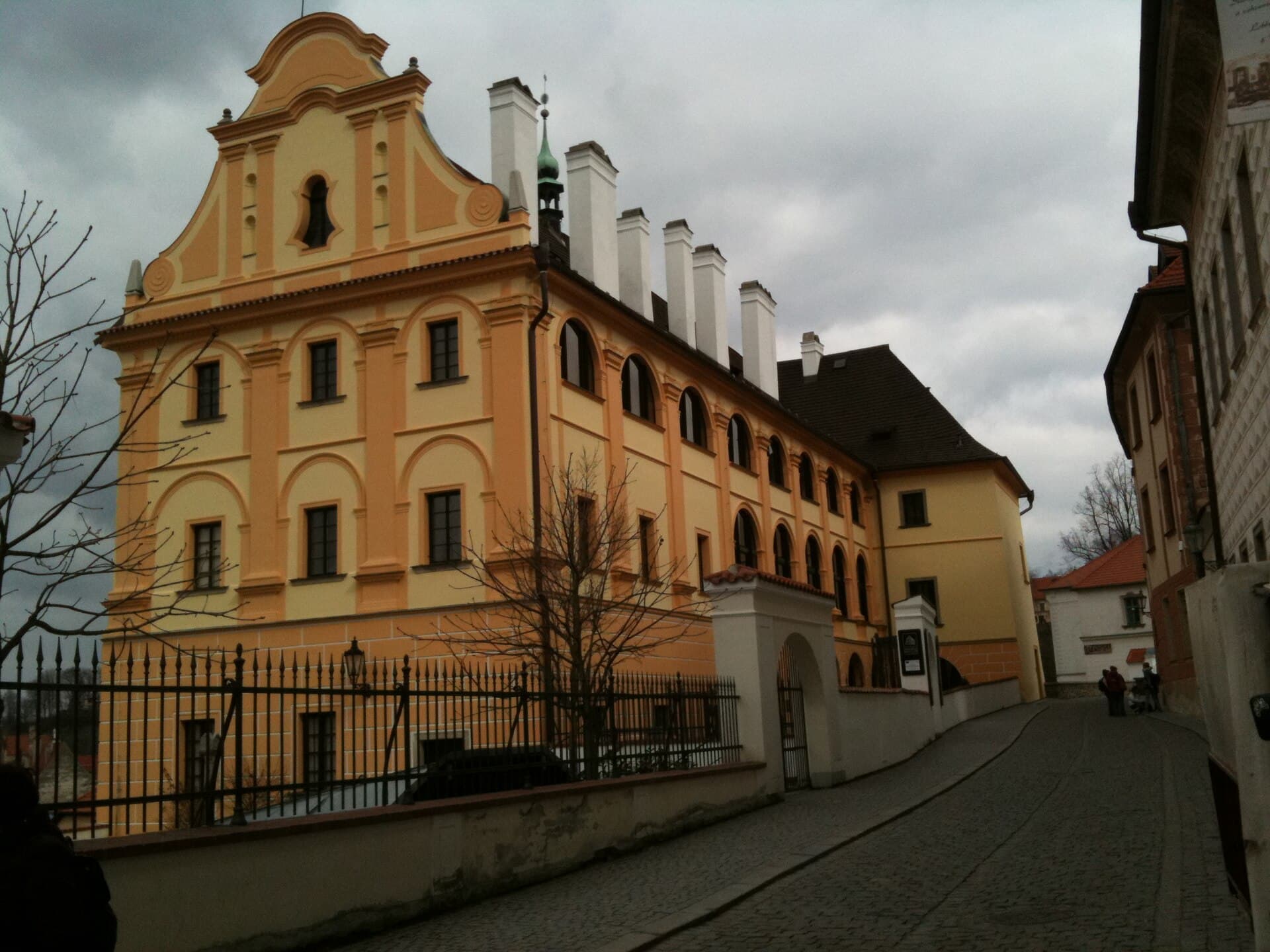 The Regional MuseumThe town's memory in a 1652 Jesuit college: the Regional Museum at Horní street'4 minutes walk4.7
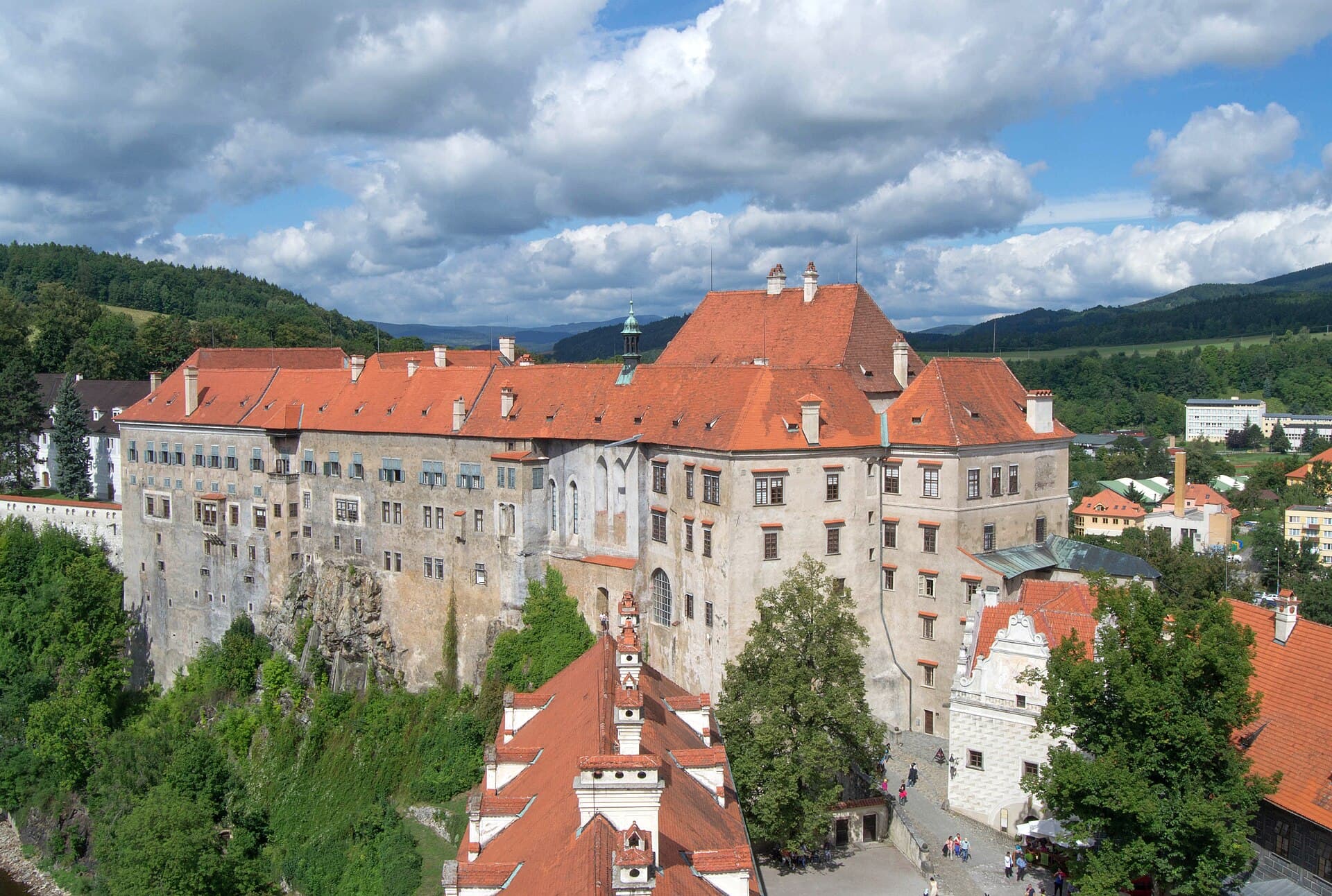 Cesky Krumlov CastleCzechia's second-largest castle after Prague's — above a town of mere thousands:4 minutes walk4.7
Say so when booking. The tour itself explains the process — malt, hops, fermentation — and is intelligible and interesting without a tasting. Most Czech breweries produce non-alcoholic beer, and here that is a serious product rather than a poor substitute. You can also simply use the restaurant.
For accumulated reasons: suitable water and good local malt and hops, an old monastic brewing tradition, then the technical innovation at Plzeň that produced the first clear pale beer in 1842, when beer was dark and cloudy. Add that under communism the pub was one of the few places to gather outside direct supervision, which entrenched it socially.