
The permanent exhibition
Names and faces of the deported, not only numbers.
Espen Solberg — CC BY-SA 3.0 · Kjetil Ree — CC BY-SA 3.0 · Kjetil Ree — CC BY-SA 3.0 · Kjetil Ree — CC BY-SA 3.0
The centre occupies Villa Grande on the Bygdøy peninsula, a large house whose history makes its use here deliberate: Vidkun Quisling, head of the Norwegian government that collaborated with the German occupation, lived in it through the war years. The house is now Norway's centre for research and teaching on genocide and minorities. The permanent exhibition tells what happened to Norway's Jews: there were about two thousand one hundred of them, more than seven hundred were deported to Auschwitz in 1942 and 1943, and around thirty survived. The hardest part is that the arrests were carried out by Norwegian police rather than by Germans alone, and the exhibition does not avoid it. The second section is broader: on minorities in Norway generally — Sámi, Roma, Quakers and Muslims — and on how stereotypes are built and turn into policy. **The subject is hard and unsuitable for young children.** It is a little way out of the centre, but on the Bygdøy museum route.
Names and faces of the deported, not only numbers.
Sámi, Roma and Muslims, and how stereotypes are made.
Villa Grande, Huk Aveny 56, 0287 Oslo
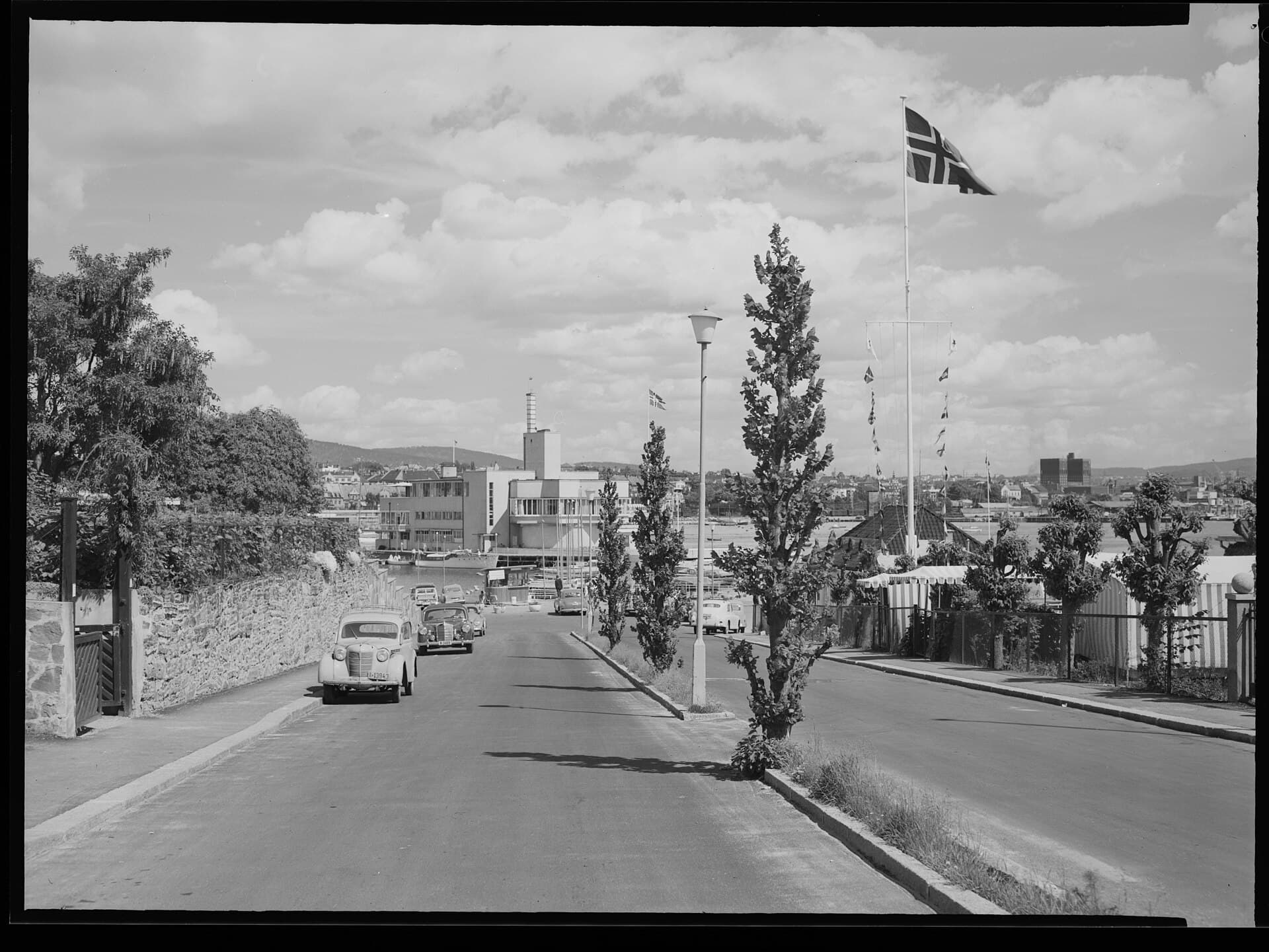 HukA beach and green space at the tip of the Bygdøy peninsula west of Oslo, the cit6 minutes walk4.7
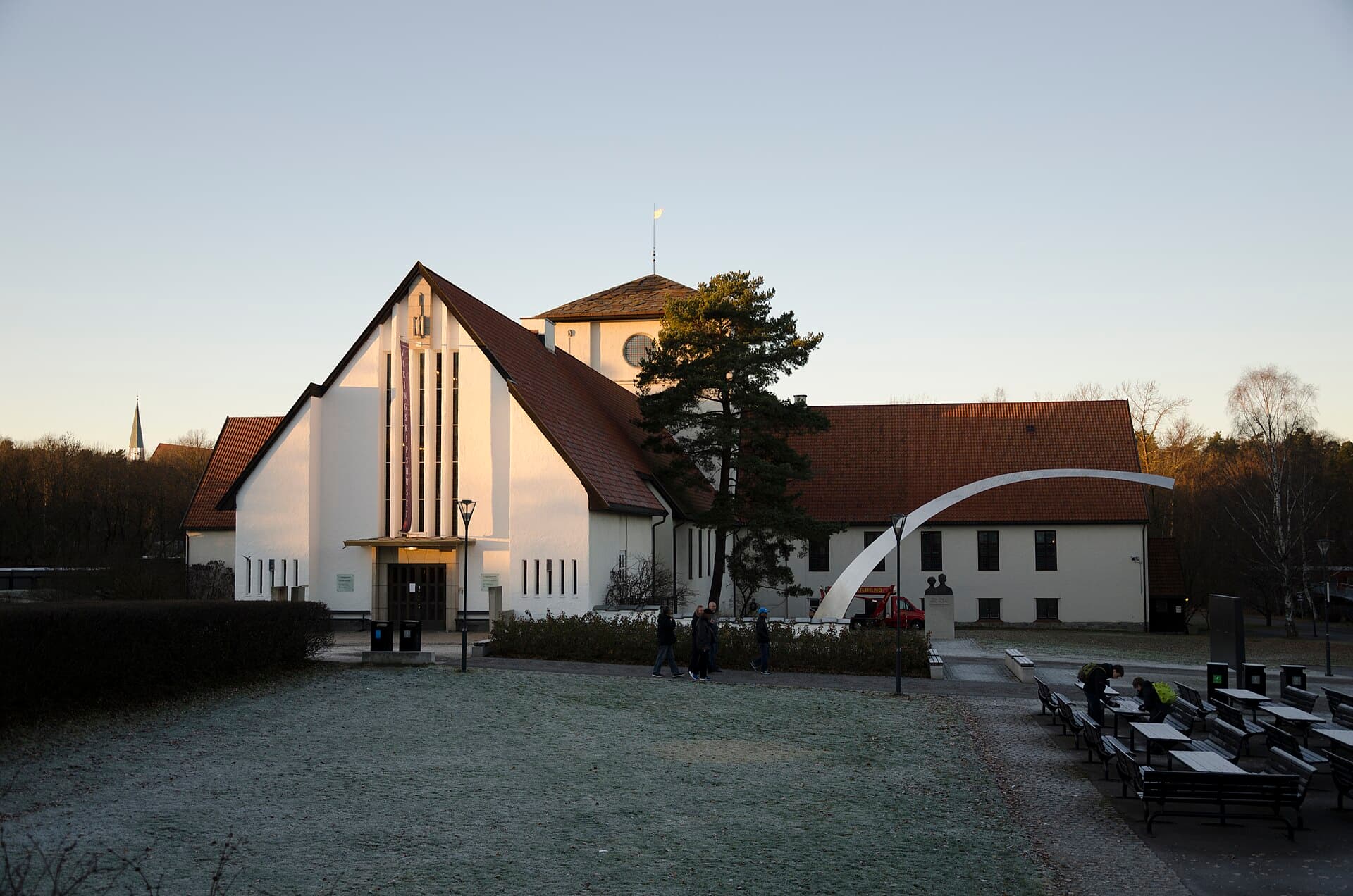 The Viking Ship Museum (Museum of the Viking Age)The Viking Ship Museum holds the most complete Viking wooden ships surviving on 9 minutes walk4.3
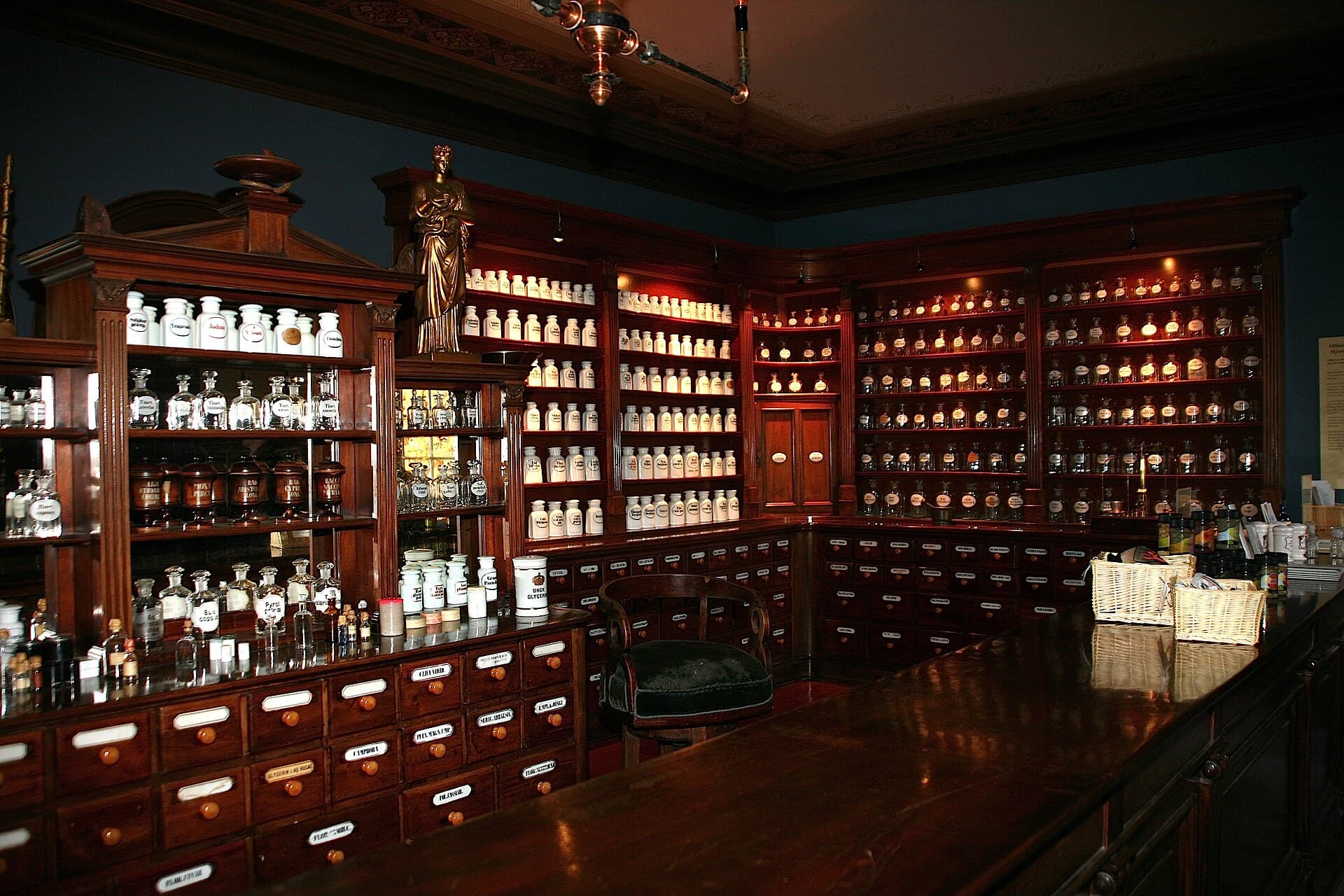 The Norwegian Pharmacy MuseumA small museum of pharmacy history inside the grounds of the Norwegian Folk Muse12 minutes walk4.8
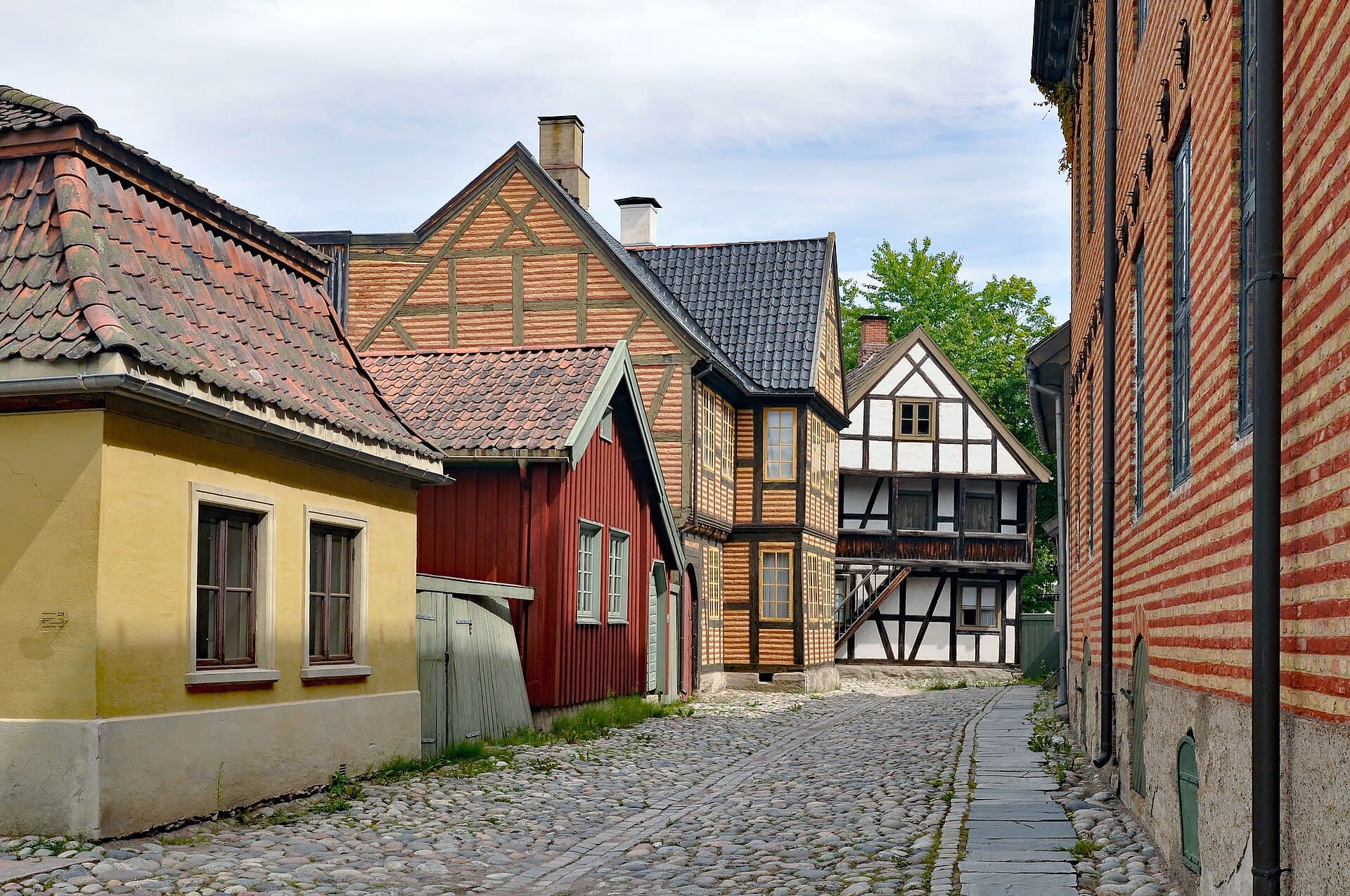 The Norwegian Museum of Cultural HistoryThe Folk Museum is Norway in miniature, outdoors: over 160 historic buildings mo12 minutes walk4.6
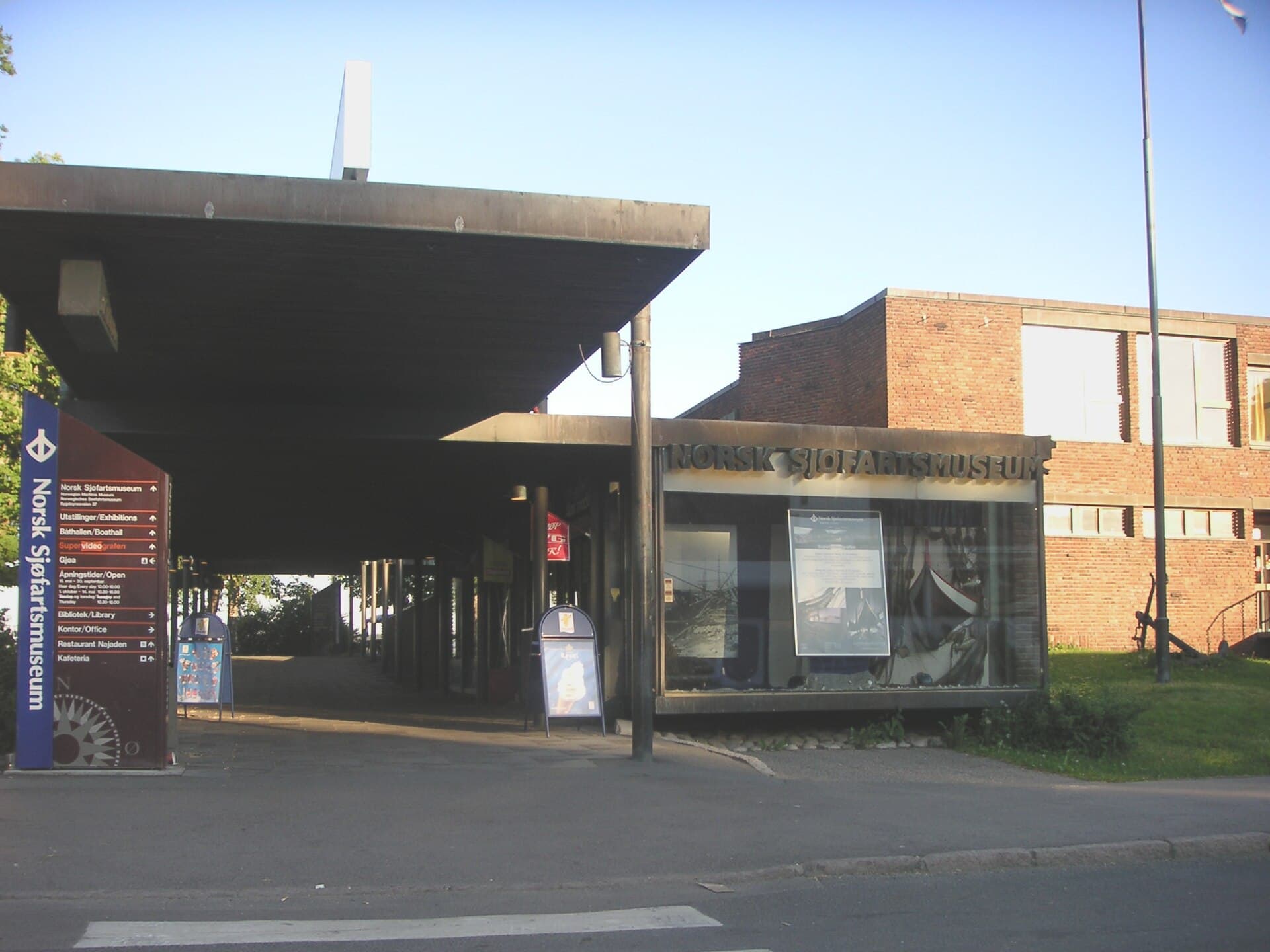 The Norwegian Maritime MuseumThe Norwegian Maritime Museum stands on the Bygdøy peninsula west of Oslo, the l15 minutes walk4.3
Vidkun Quisling was a Norwegian officer and politician who declared himself head of government on the day of the German invasion in April 1940, then nominally ruled the country under occupation until 1945, and was executed after the war for treason. His name entered English and other languages meaning a traitor who collaborates with an occupier of his own country — a rare case of a living person's name becoming a dictionary word within a few years. Placing the centre in his house is a deliberate choice: the place from which collaboration was run is now the place where what it led to is taught.