
A beach in a Nordic capital
Rocks, sand and lawns on the Oslo fjord, reached by public transport.
Jac Brun — Public domain · Jorge Franganillo — CC BY 4.0 · Jorge Franganillo — CC BY 4.0 · Ryan Hodnett — CC BY-SA 4.0
A beach and green space at the tip of the Bygdøy peninsula west of Oslo, the city's best-known bathing place. What makes it unexpected is its closeness: about twenty minutes from central Oslo by bus or boat, you find rocks, sand, lawns and open water on the Oslo fjord. A Scandinavian capital with a beach reachable on public transport. Norwegians use it heavily through the short summer: swimming, sitting on the rocks and grilling on the grass. The water is cold by Mediterranean standards, but Norwegians swim in it without hesitation. One thing you should know: part of the beach is designated for nude bathing. It is separate and signed, but it exists. If that matters to you, check the signs and stay in the general section. The Bygdøy peninsula itself is the greater reward: it holds the Viking Ship Museum, the Fram Museum, the Kon-Tiki Museum and the Norwegian Folk Museum, the densest museum area in Oslo. Free and always open. The boat from the city centre is seasonal and is the finest way to arrive.
Rocks, sand and lawns on the Oslo fjord, reached by public transport.
Viking ships, Fram, Kon-Tiki and the folk museum on the same peninsula.
A seasonal crossing of the fjord — the finest way there and part of the day.
The tip of the Bygdøy peninsula, west Oslo
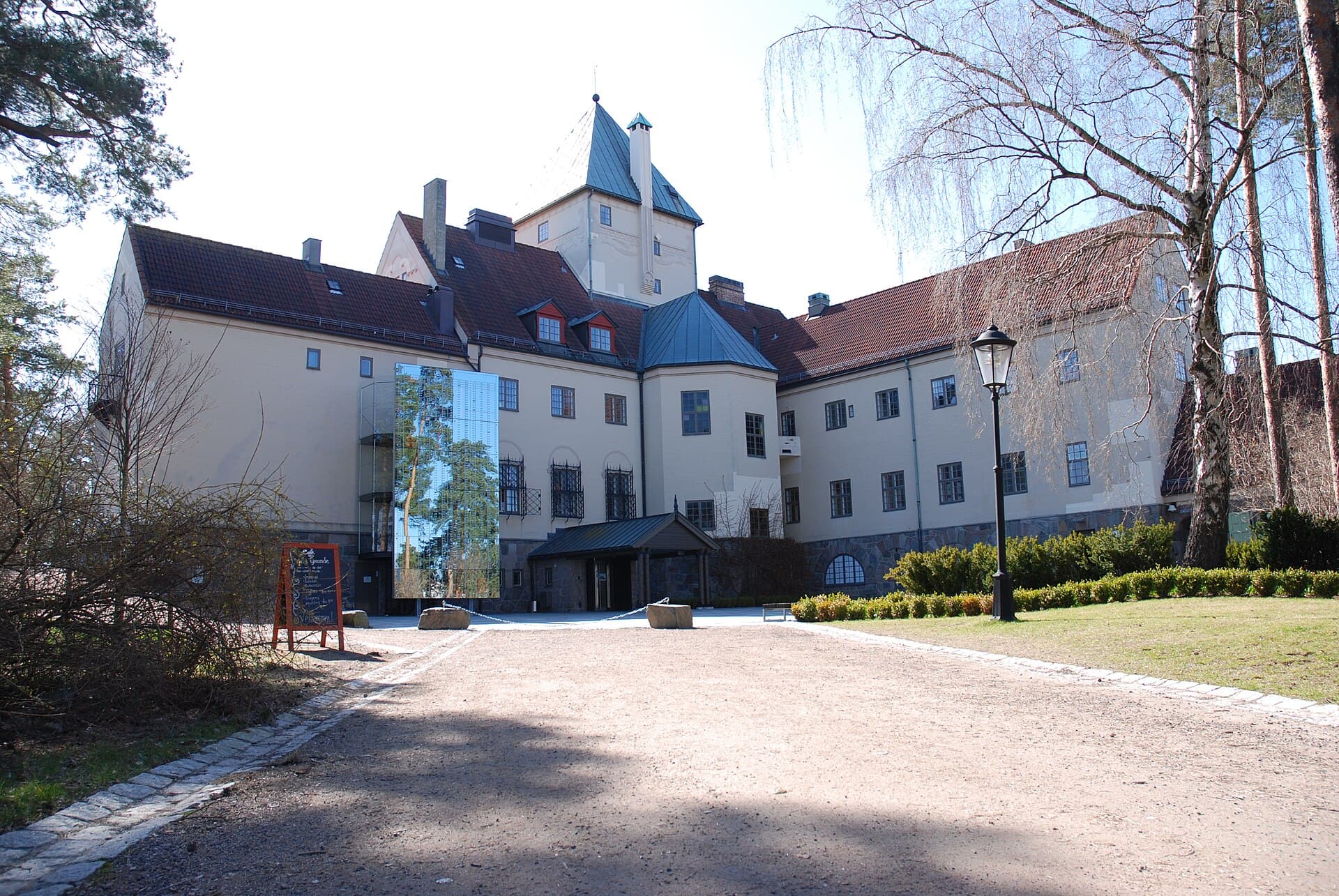 The Holocaust and Minority Studies CentreThe centre occupies Villa Grande on the Bygdøy peninsula, a large house whose hi6 minutes walk4.5
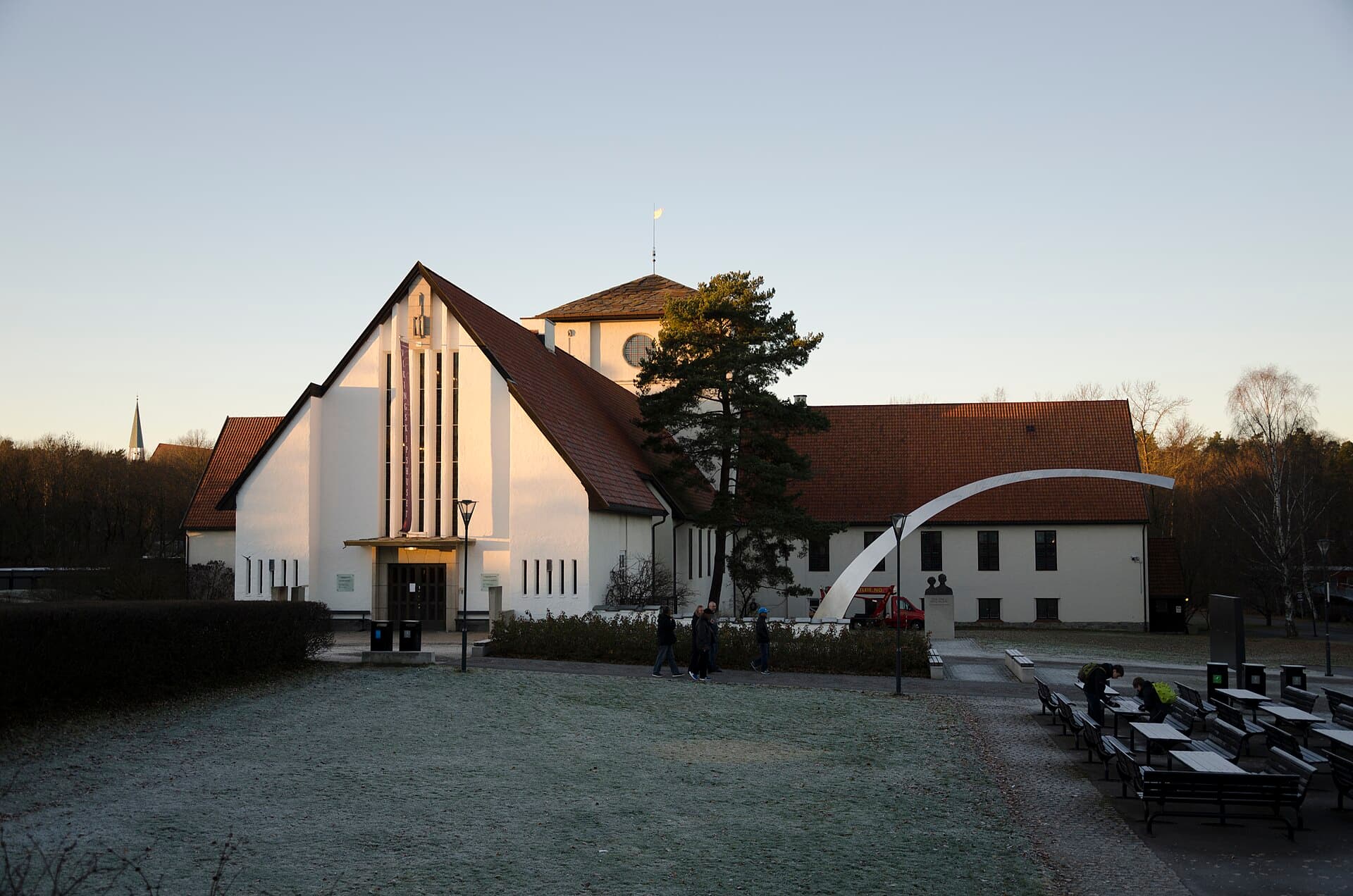 The Viking Ship Museum (Museum of the Viking Age)The Viking Ship Museum holds the most complete Viking wooden ships surviving on 15 minutes walk4.3
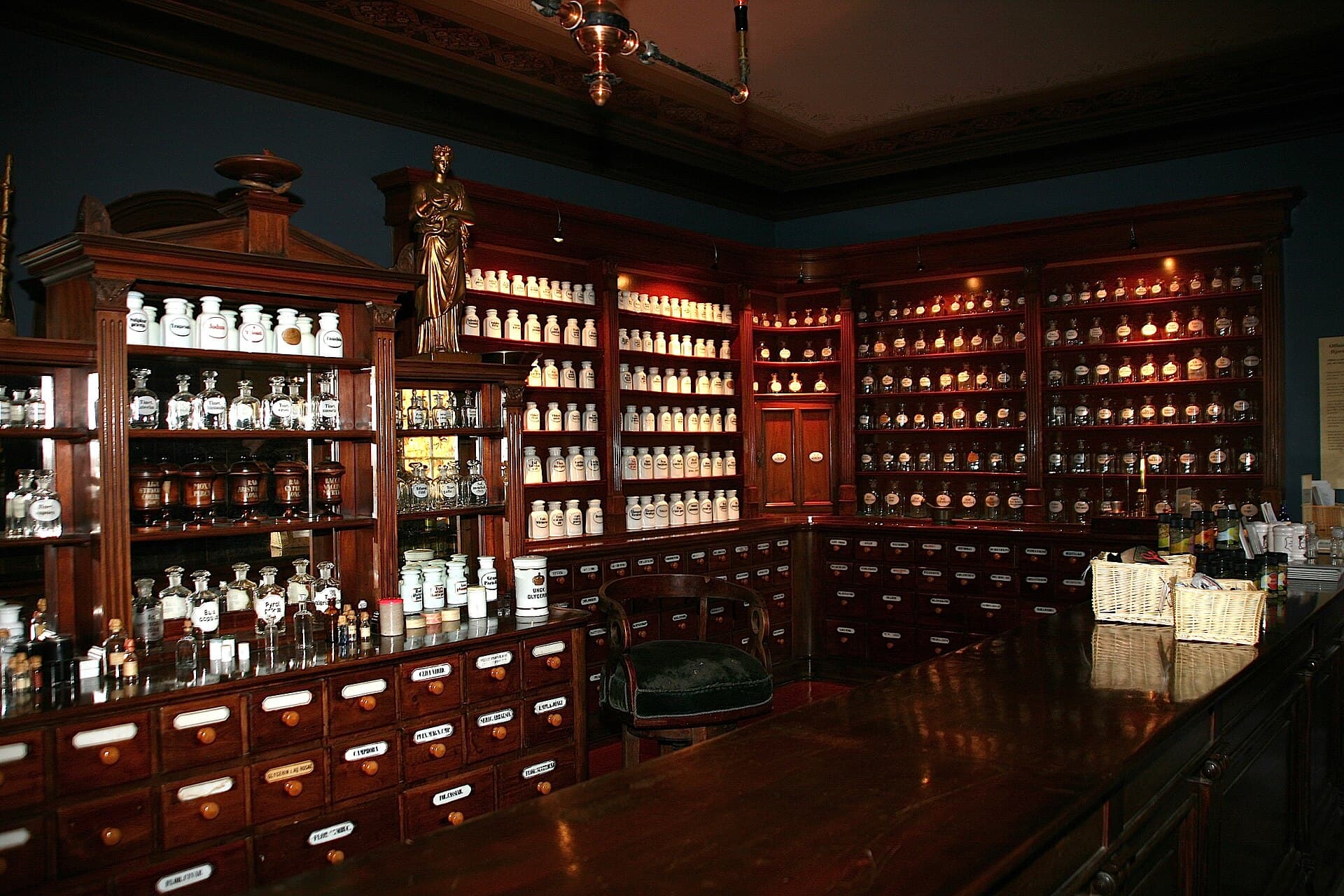 The Norwegian Pharmacy MuseumA small museum of pharmacy history inside the grounds of the Norwegian Folk Muse17 minutes walk4.8
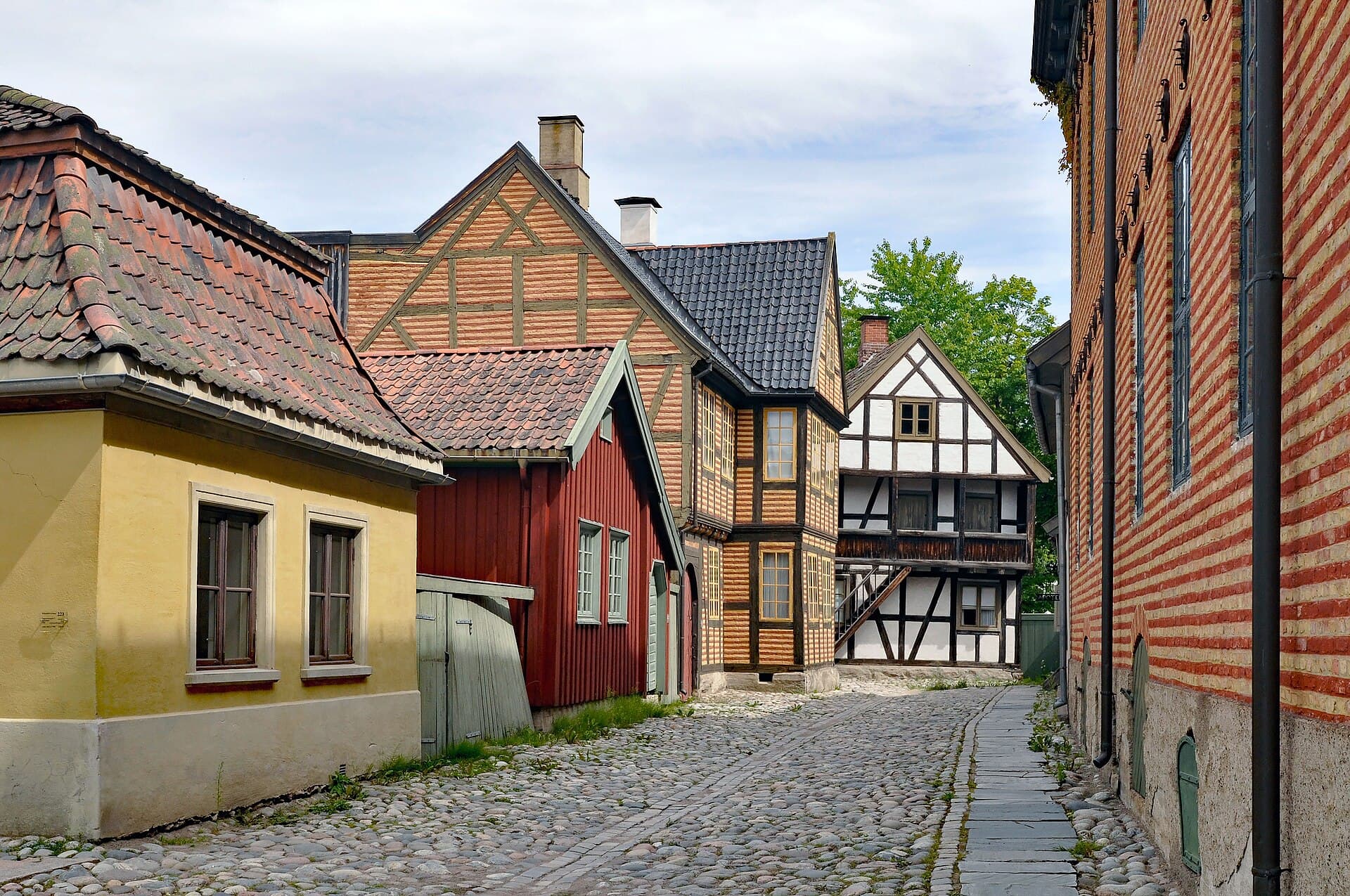 The Norwegian Museum of Cultural HistoryThe Folk Museum is Norway in miniature, outdoors: over 160 historic buildings mo18 minutes walk4.6
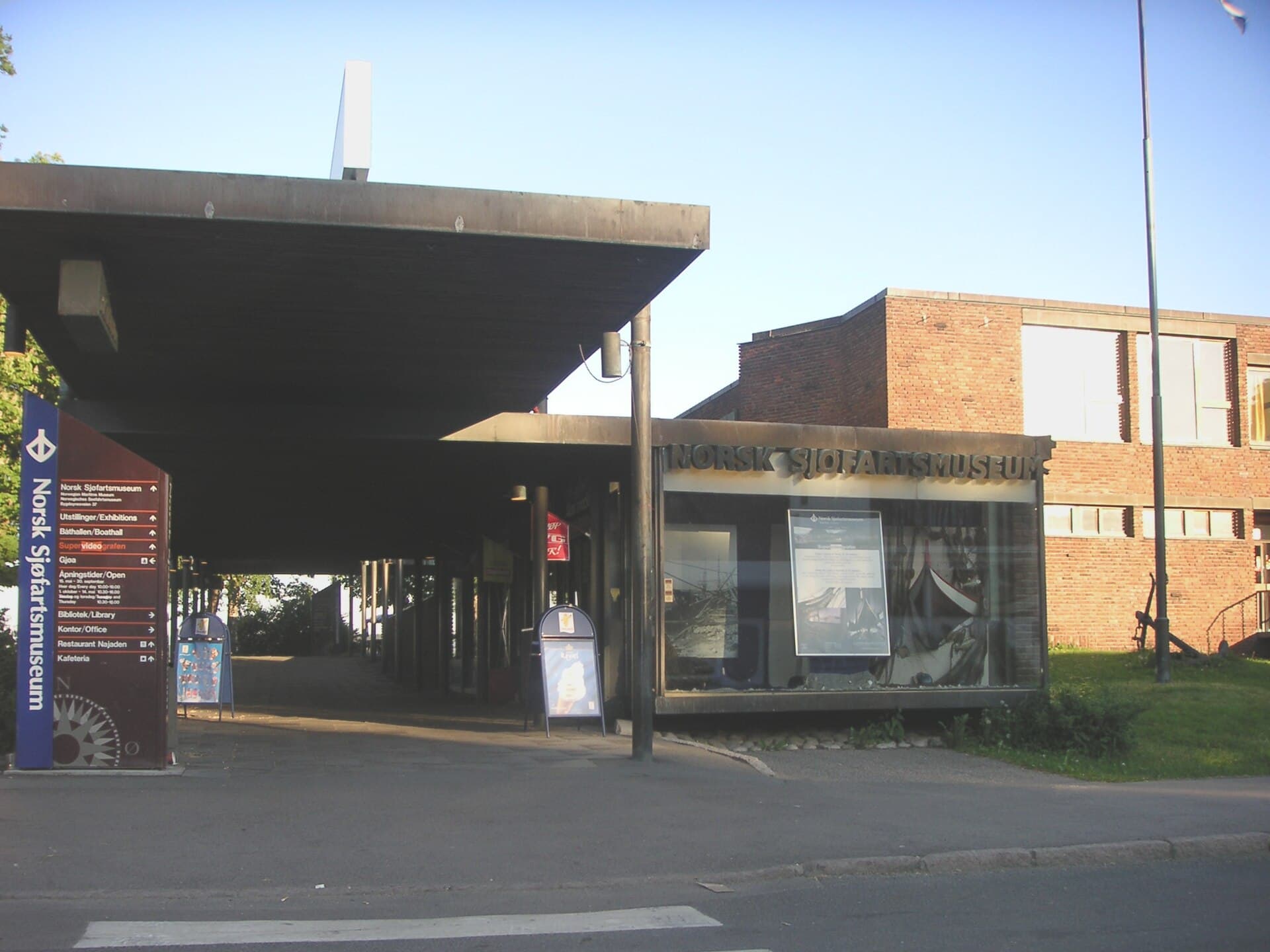 The Norwegian Maritime MuseumThe Norwegian Maritime Museum stands on the Bygdøy peninsula west of Oslo, the l19 minutes walk4.3
The Viking Ship Museum with its preserved ninth-century vessels; the Fram Museum with the polar exploration ship you can board; the Kon-Tiki Museum with Thor Heyerdahl's raft that crossed the Pacific; and the Norwegian Folk Museum, an open-air site of timber buildings moved from across the country. These are among Norway's most important museums.
Cold by Mediterranean standards: at the height of summer it reaches around eighteen or twenty degrees on warm days, and usually less. Norwegians swim in it without hesitation, but a visitor from a hot climate will find it a shock at first. The rocks and lawns are excellent for sitting even without swimming.