
Twenty-eight bronze guards
Larger-than-life figures in two ranks around the tomb.
Daderot — Public domain · Rijksmuseum — CC0 · Unknown authorUnknown author — Public domain · Zairon — CC BY-SA 4.0
A symbolic tomb for Emperor Maximilian I inside Innsbruck's court church, among the largest funerary works in Europe. What makes it exceptional is the guard around it: twenty-eight bronze figures larger than life, standing in two ranks either side of the tomb. They represent the emperor's ancestors, relatives and figures he chose himself — King Arthur among them, a legendary character he inserted into his lineage. The statues were cast over decades and Albrecht Dürer contributed to the design of some. Their detail is astonishing at close range: armour, cloth and faces executed with a precision rare in bronze at this scale. The irony is that Maximilian is not buried here. The tomb is empty — entirely symbolic — and his body lies in another city. He built himself the greatest funerary monument of his age and was then buried elsewhere. The church also holds a historic organ and the tomb of Andreas Hofer, hero of the Tyrolean resistance. The visit is normally on a combined ticket with the neighbouring folk art museum.
Larger-than-life figures in two ranks around the tomb.
The emperor placed a legendary figure among his displayed ancestors.
Armour, cloth and faces at a precision rare in work of this scale.
The Hofkirche, central Innsbruck
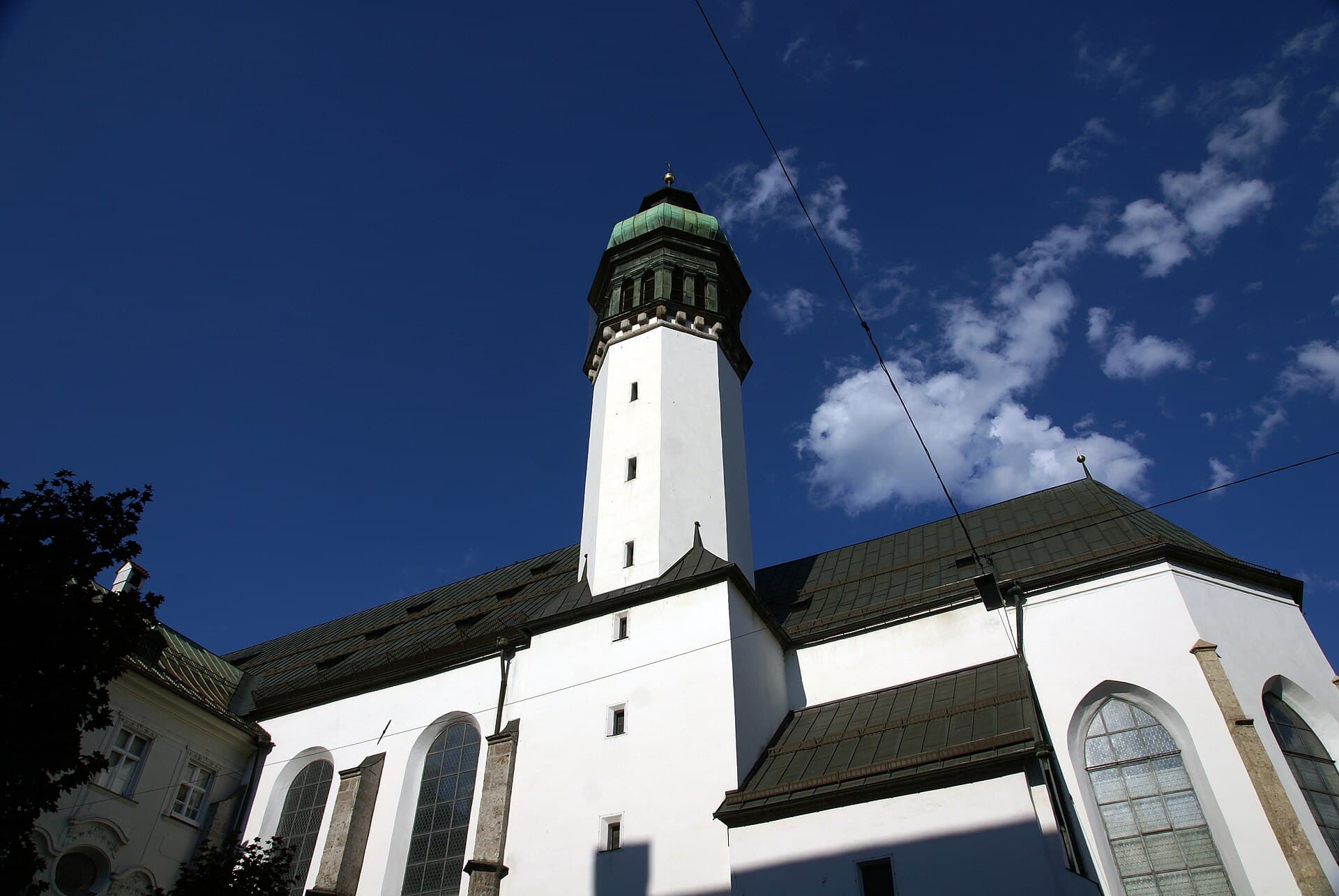 The Hofkirche & Black KnightsThe Hofkirche guards Europe's strangest empty tomb: Maximilian I's marble cenota1 minute walk4.7
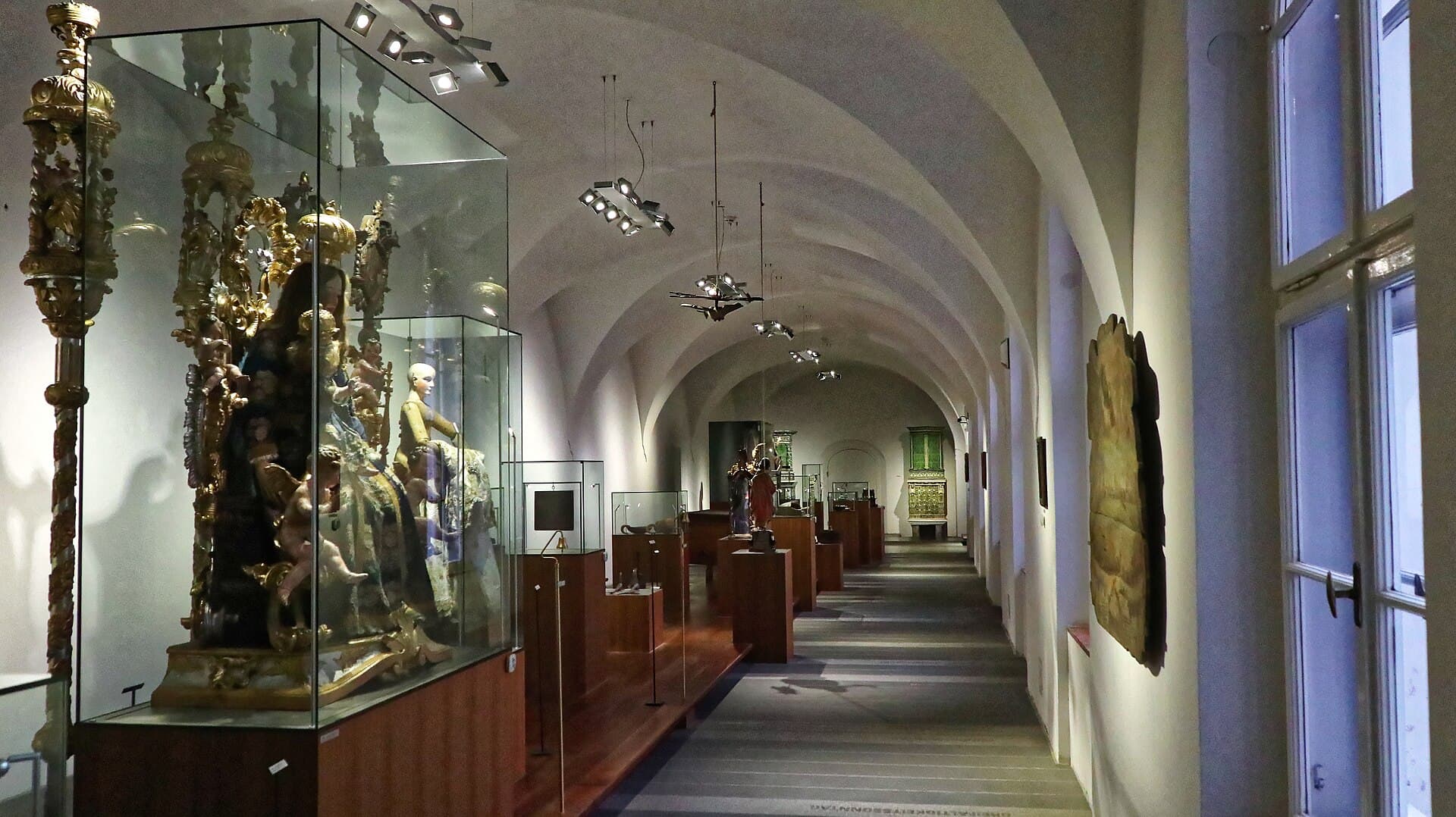 The Tyrolean Folk Art MuseumThe Tyrolean Folk Art Museum occupies the former Franciscan monastery adjoining 1 minute walk4.5
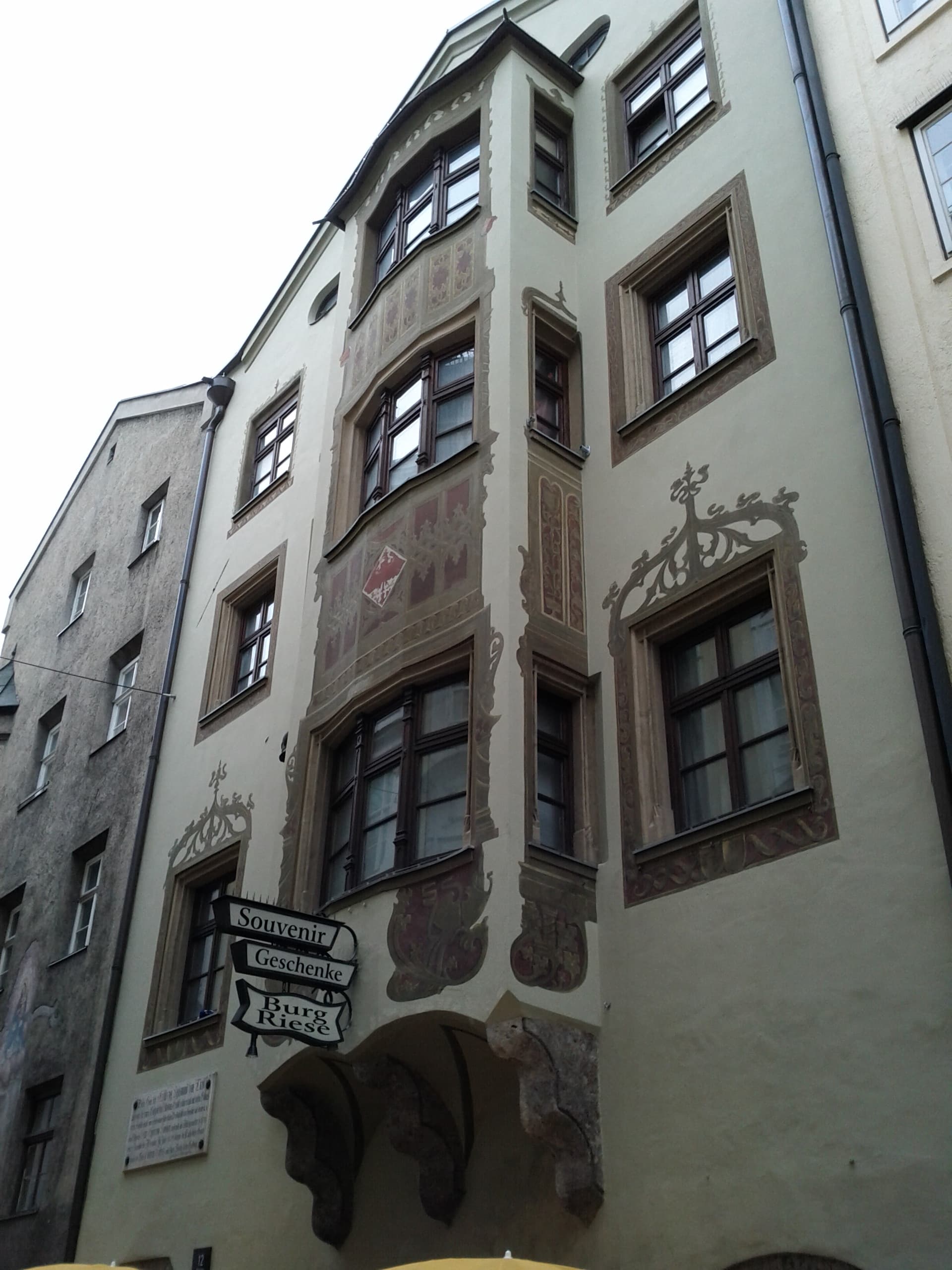 The BurgriesenhausA historic house on the Hofgasse in the old town, between the Golden Roof and th1 minute walk3.1
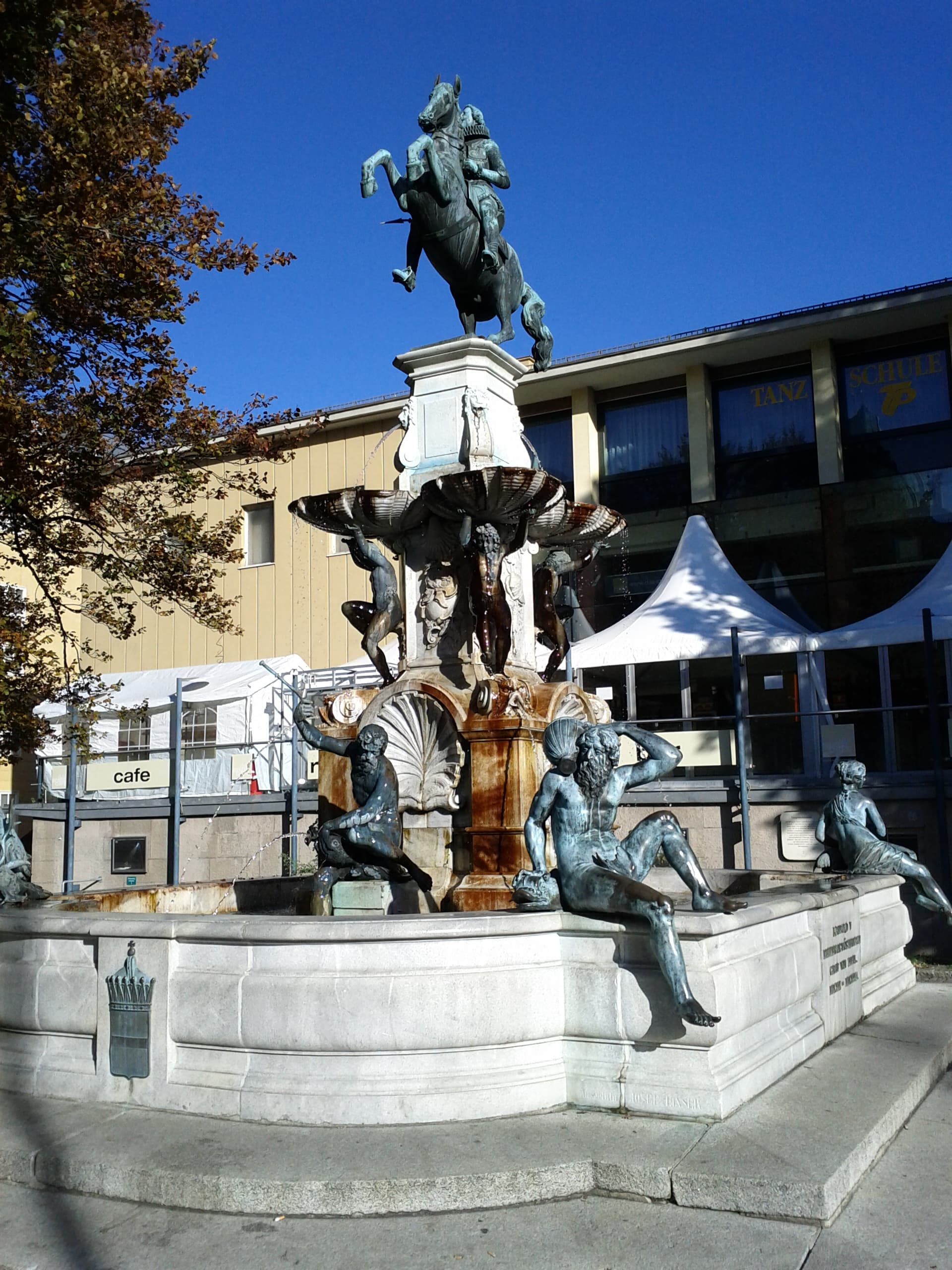 The Leopold FountainThe Leopold Fountain stands on Rennweg between the Hofburg palace and the state 1 minute walk4.7
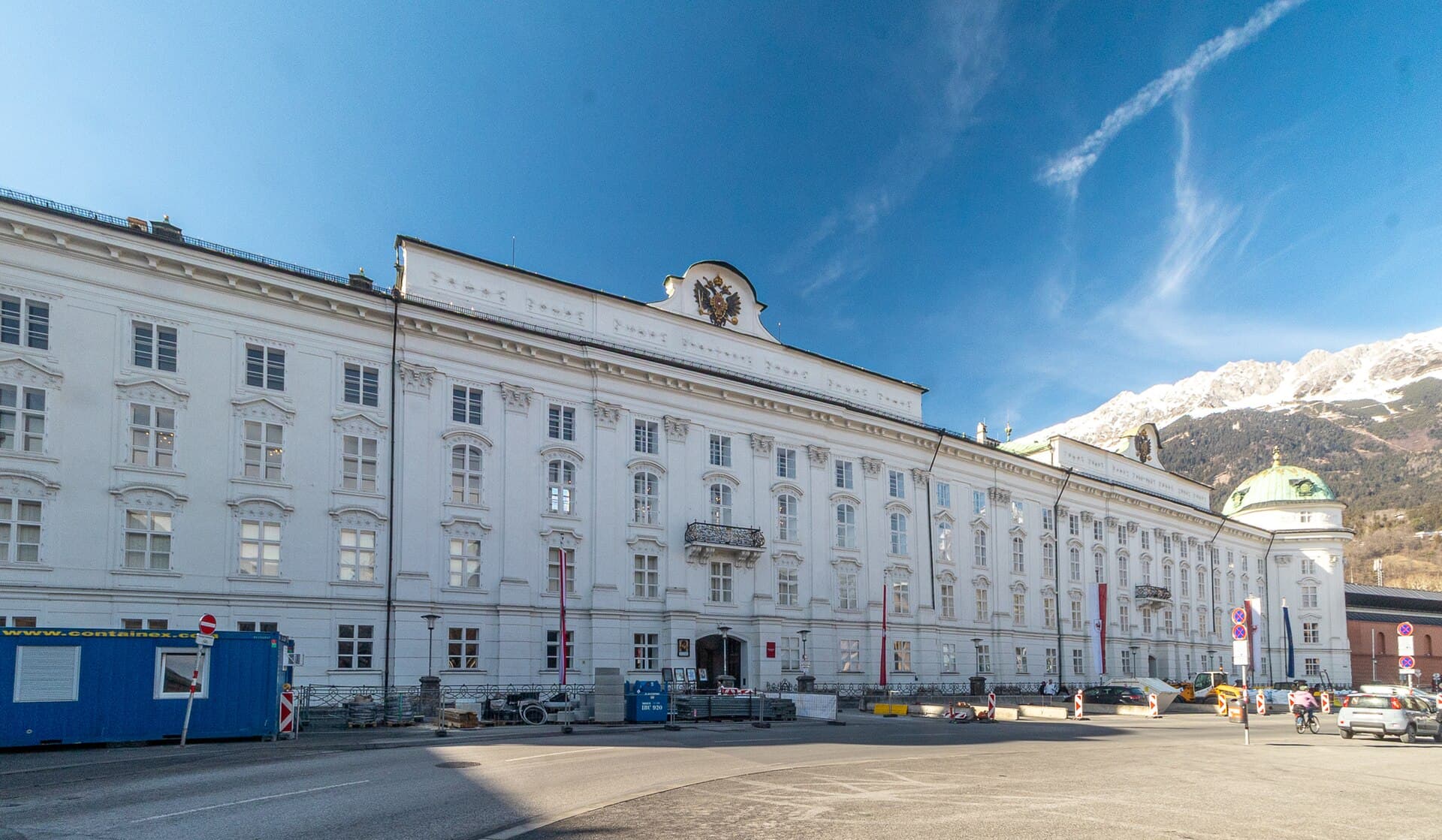 The Imperial HofburgInnsbruck's Hofburg is Austria's third imperial palace after Vienna's Schönbrunn1 minute walk4.3
Maximilian built the monument in Innsbruck because it was his favourite seat, but he left instructions to be buried in a church in another city, and there he was. Work continued for decades after his death and was finished by his descendants, so the monument stayed in Innsbruck and the body lies elsewhere.
The Golden Roof is minutes away and is the city's emblem, with the Hofburg palace beside it and Maria-Theresien-Strasse framing the mountains. The old town is small and entirely walkable, and the mountains rise straight from it — the cable car from the centre climbs in minutes.