
A complete secret state
An underground government, courts, universities and press — not merely arms.
Muzeum1942 — CC BY-SA 4.0 · Januszk57 — CC BY-SA 4.0 · Januszk57 — CC BY-SA 4.0 · marek7400 — CC BY 3.0
A museum devoted to the Home Army — the largest underground resistance movement in occupied Europe during the Second World War — in a nineteenth-century Austrian barracks north-east of Kraków. The Home Army was not merely an armed force but a complete secret state: an underground government, courts, clandestine schools and universities attended by tens of thousands, a press, and intelligence services. At its height it numbered around four hundred thousand. Among its best-known intelligence achievements: dismantling a German V-2 rocket that fell without exploding, and smuggling its key components and reports to Britain by aircraft in a complex operation in 1944. The museum is modern and large, and it also covers what happened afterwards: members who had fought the Nazi occupation were then pursued by the communist regime, imprisoned and in some cases executed, because they owed allegiance to the Polish government in exile. Interpretation is in English and the display is multimedia.
An underground government, courts, universities and press — not merely arms.
Dismantled and its parts flown to Britain in 1944.
Those who fought the Nazis were pursued, imprisoned and some executed under communism.
A former Austrian barracks, north-east of the centre
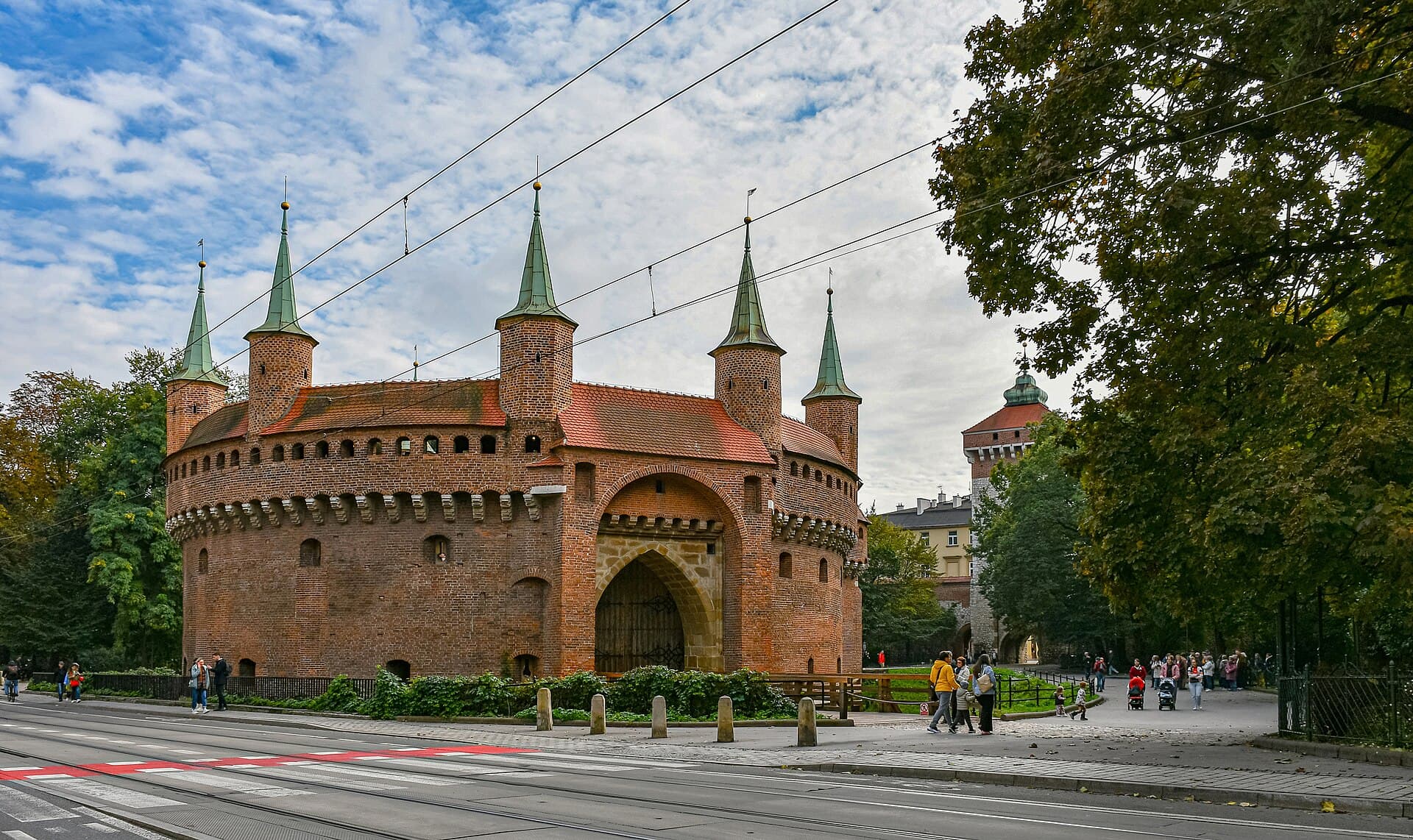 The Barbican, Florian Gate & PlantyThe Barbican is Krakow's war helmet: a round gate-fort (1498) of three-metre wal11 minutes walk4.7
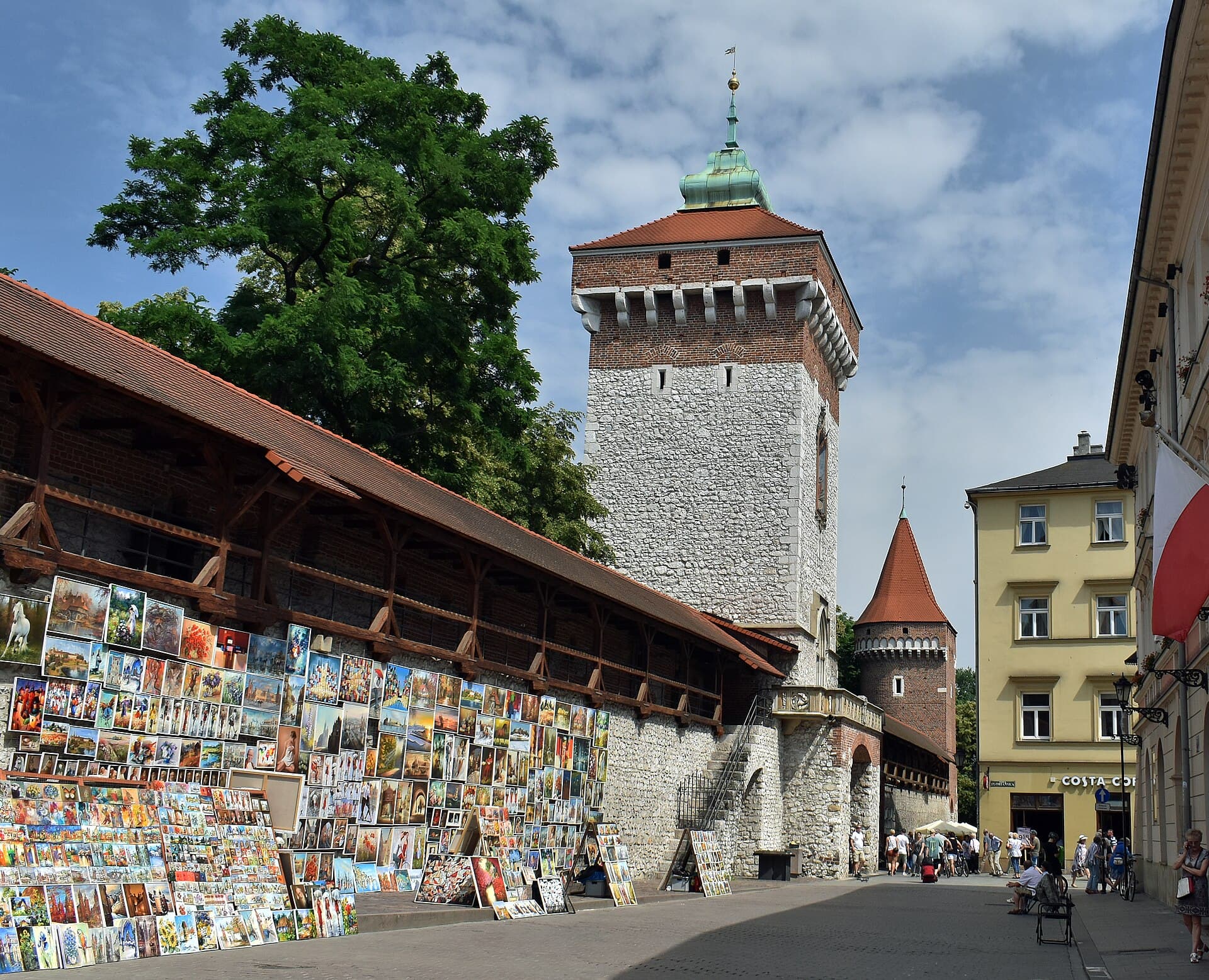 The Defensive WallsWhat remains of Kraków's medieval wall: a short stretch holding the Florian Gate12 minutes walk4.7
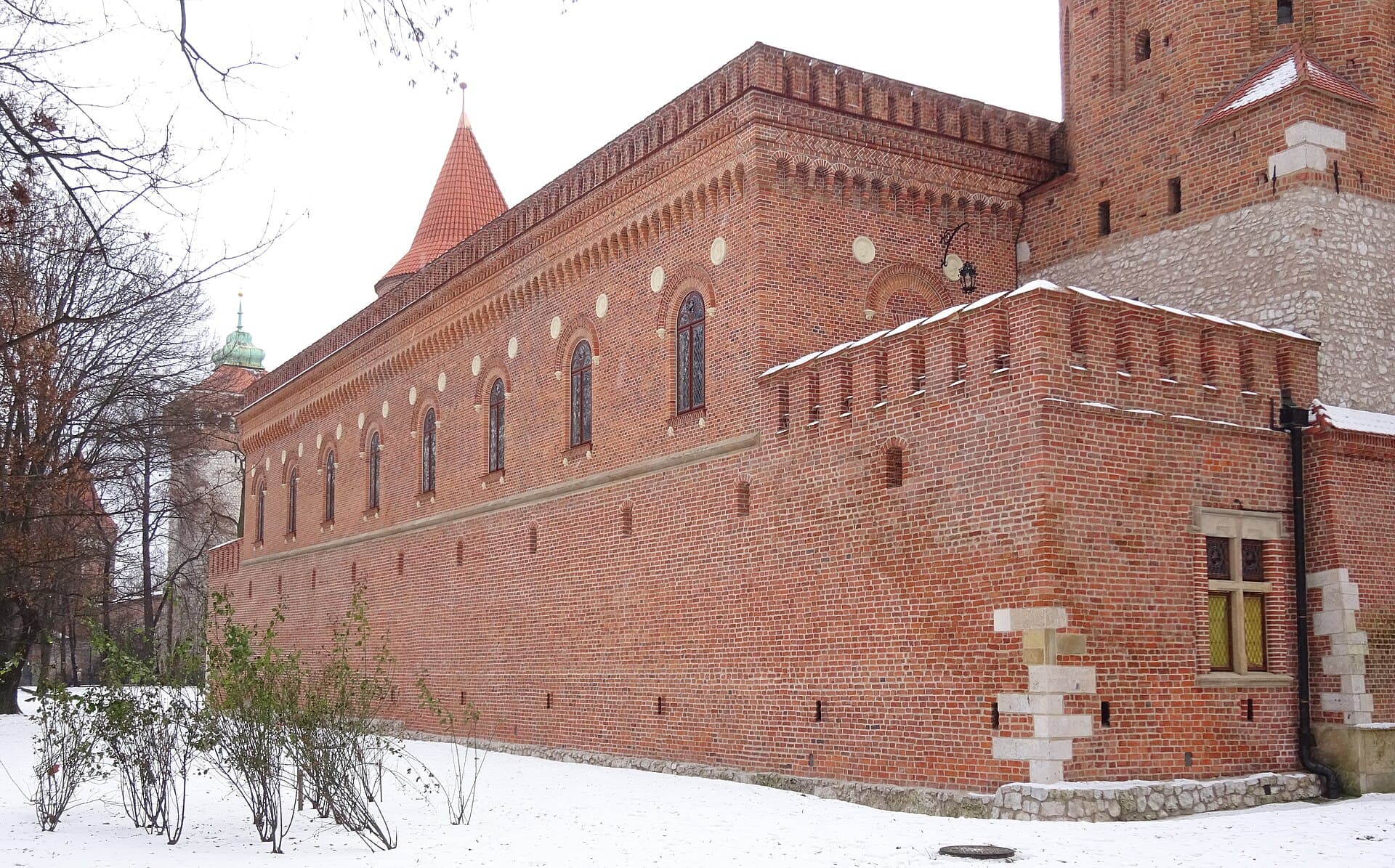 The City ArsenalA sixteenth-century arsenal building attached to Kraków's walls, today a branch 12 minutes walk4.8
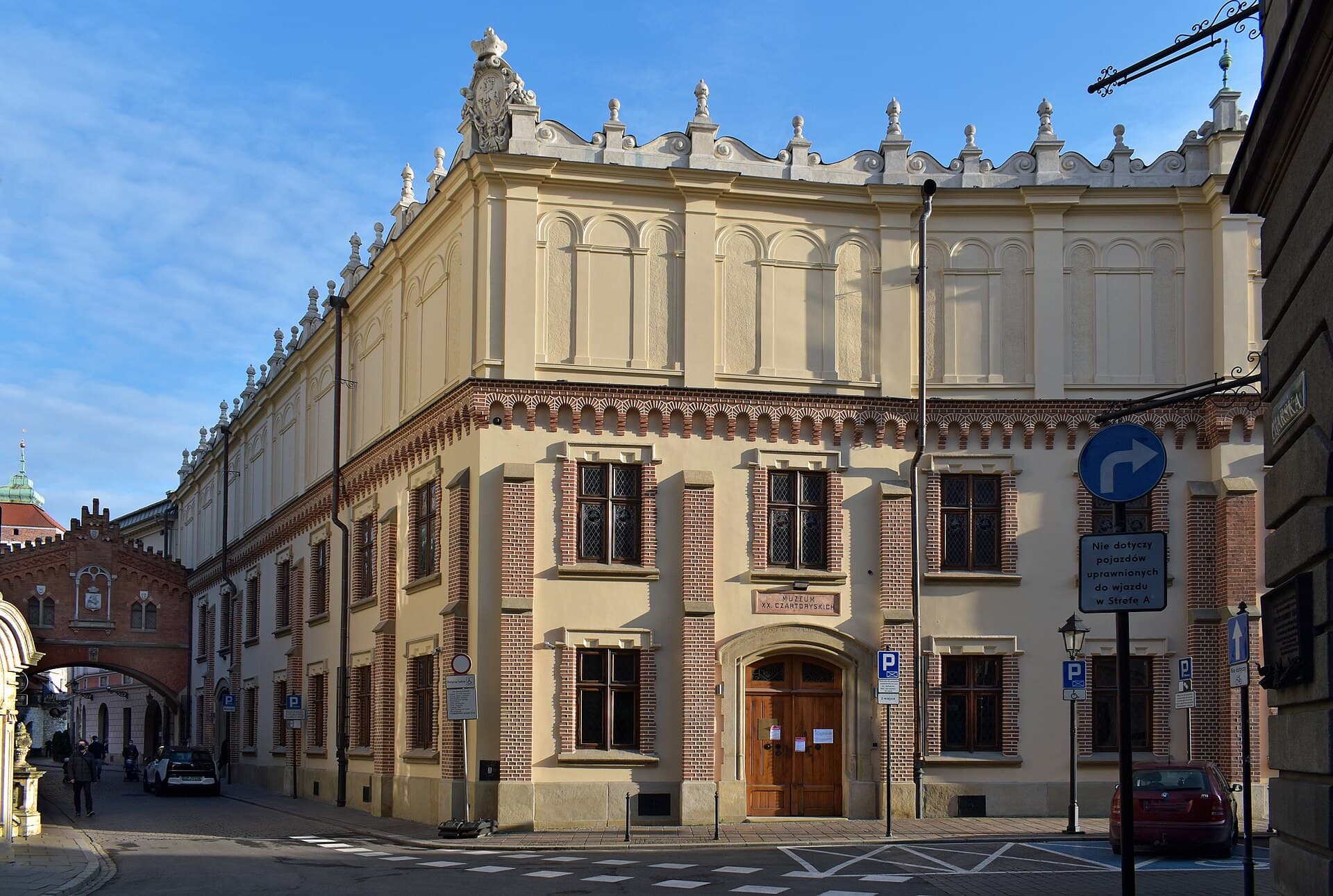 The Czartoryski Museum & the LeonardoThe Czartoryski is home of Poland's most famous painting: the Lady with an Ermin13 minutes walk4.9
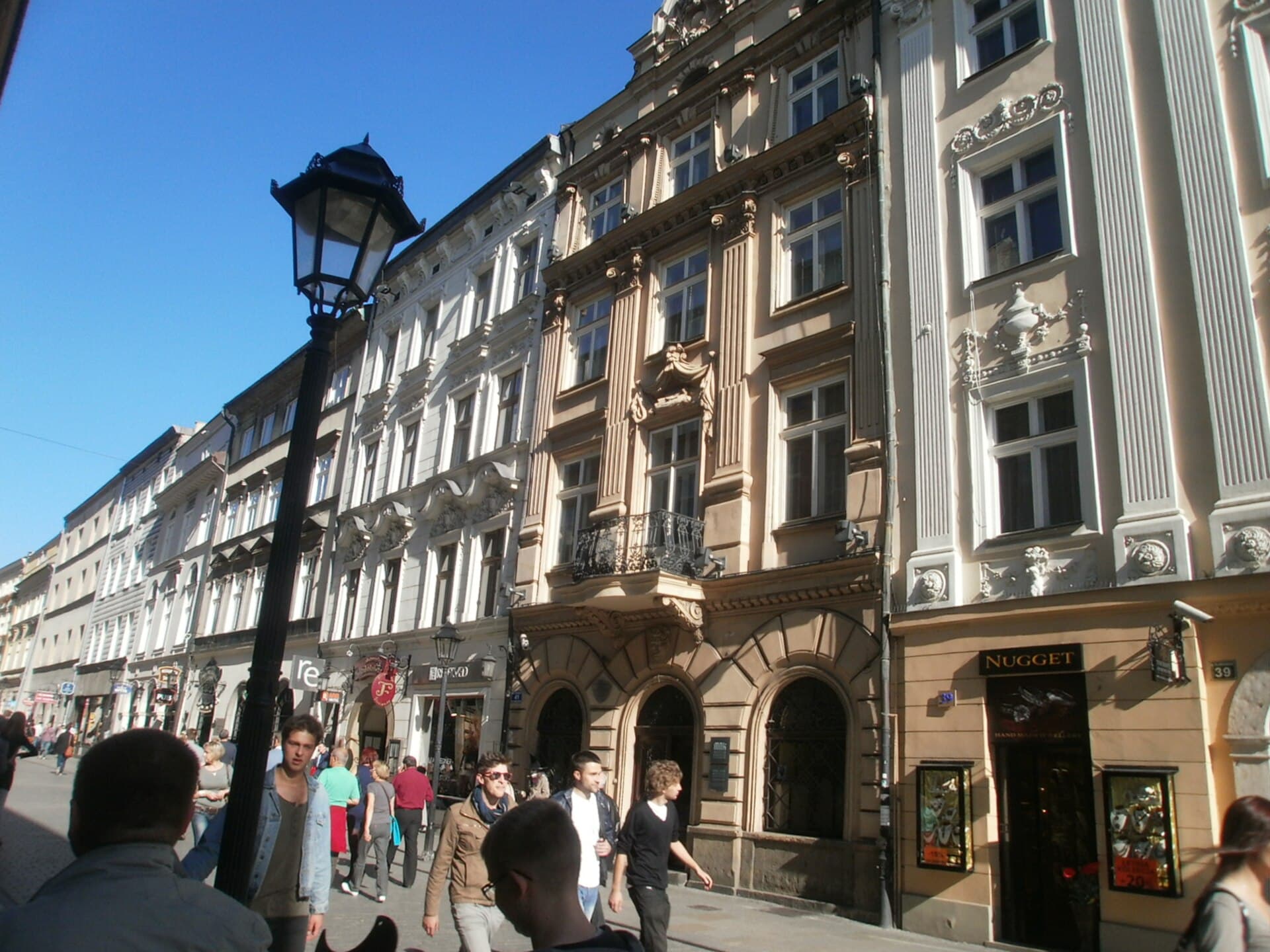 Jan Matejko HouseThe house of the painter Jan Matejko on Floriańska street in the old town, where13 minutes walk4.7
Because they owed allegiance to the Polish government in exile in London, the legitimate authority in their view, while the Soviet Union installed a loyal government in Warsaw. Home Army members were treated as a political threat rather than war heroes: thousands were arrested, leaders were executed, and any positive mention of them was banned from education for decades. They were not officially rehabilitated until after 1989.
The Warsaw museum concentrates on the sixty-three days of the 1944 rising in that city, and is an intense emotional experience and very crowded. The Kraków museum is broader in time and quieter: it covers the whole movement from 1939 into the postwar years in a more explanatory than emotive manner. The two complement each other if you visit both cities.