
The abbey ruins
Stone walls and arches among grass at the island's centre.
Pudelek (Marcin Szala) — CC BY-SA 4.0 · Ryan Hodnett — CC BY-SA 4.0 · Ryan Hodnett — CC BY-SA 4.0 · Ryan Hodnett — CC BY-SA 4.0
Hovedøya is the closest of the Oslofjord islands to the city: ten minutes by ferry from a central quay, and yet you arrive somewhere with no cars and no housing, holding woodland, meadows and rocky beaches. At the island's centre are the ruins of a Cistercian abbey of 1147, founded by English monks who came from a house in Lincolnshire. The abbey owned wide lands around Oslo until the state confiscated it in the Protestant Reformation of 1532 and left it to fall down. Its stone walls and arches stand today among the grass. The rest of the island is a mixture: nineteenth-century gun batteries, military buildings, and a botanical reserve holding species rare in Norway because of its relatively mild microclimate. The whole island is walked in about ninety minutes, and the ferry is part of Oslo's public transport network — so an ordinary transit ticket covers it.
Stone walls and arches among grass at the island's centre.
Swimming ten minutes from the capital's centre.
Hovedøya, Oslofjord
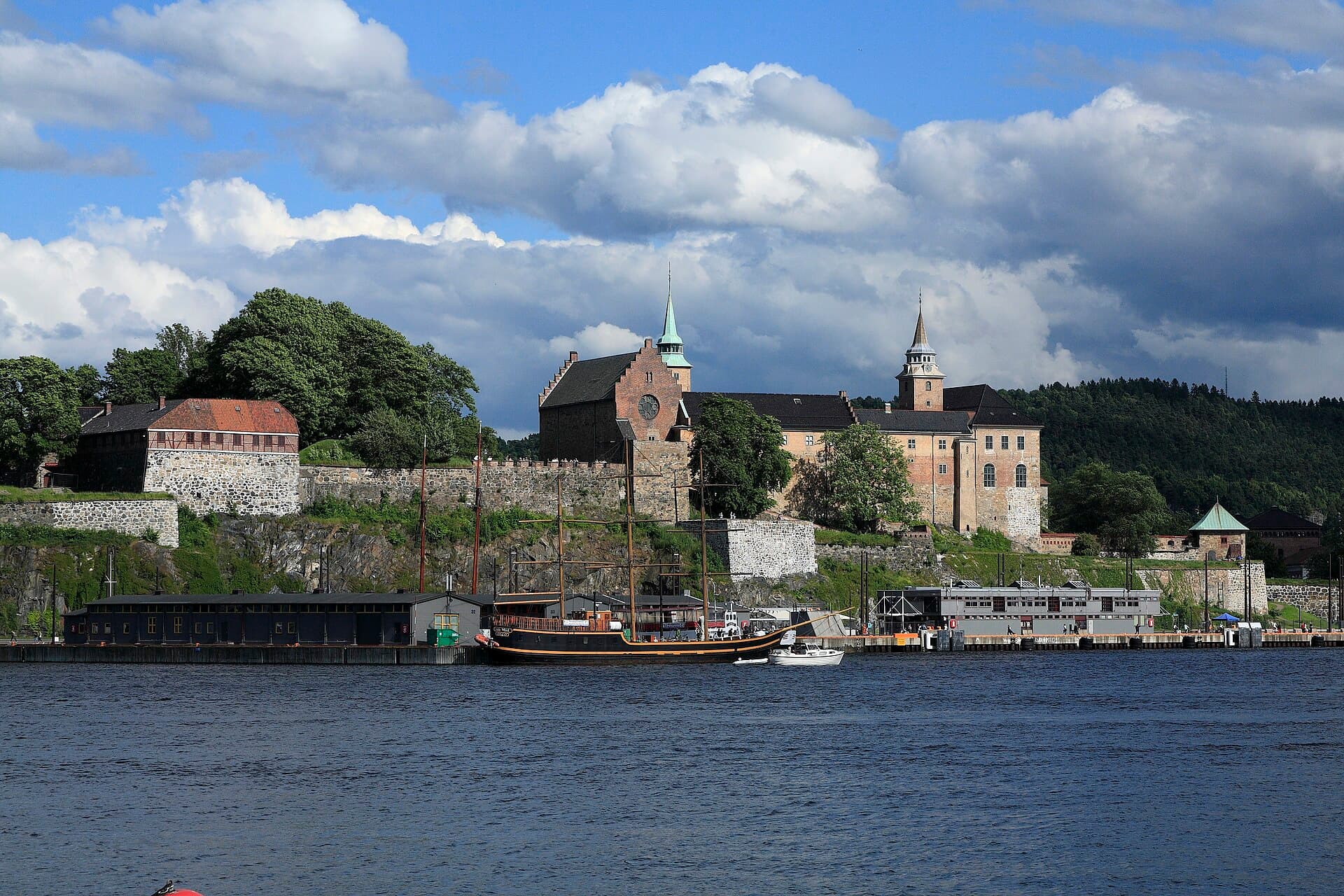 Akershus FortressAkershus is the fortress that guarded Oslo seven hundred years without ever fall17 minutes walk4.4
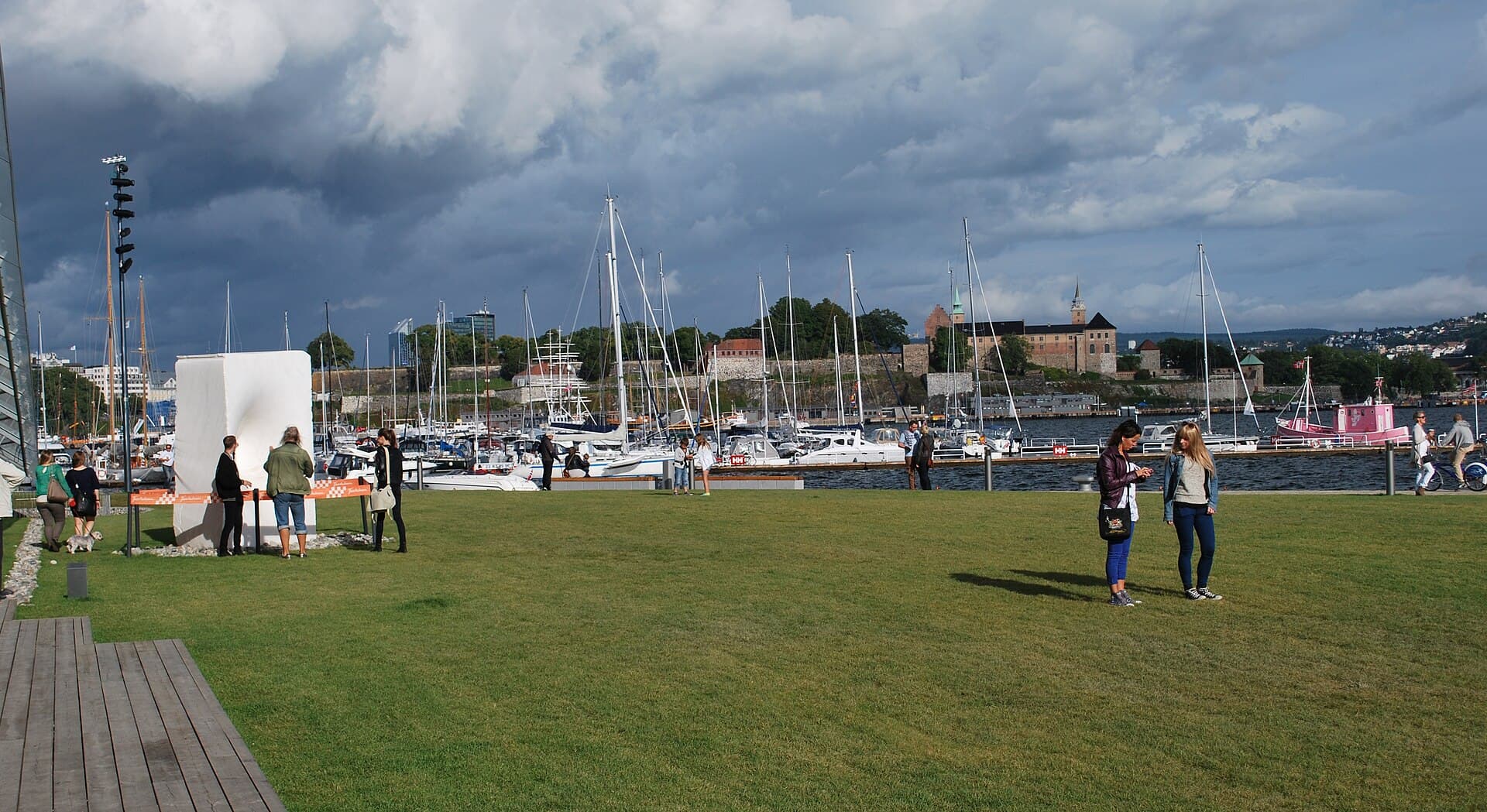 Tjuvholmen Sculpture ParkA small sculpture park at the tip of the Tjuvholmen peninsula on Oslo's waterfro17 minutes walk4.5
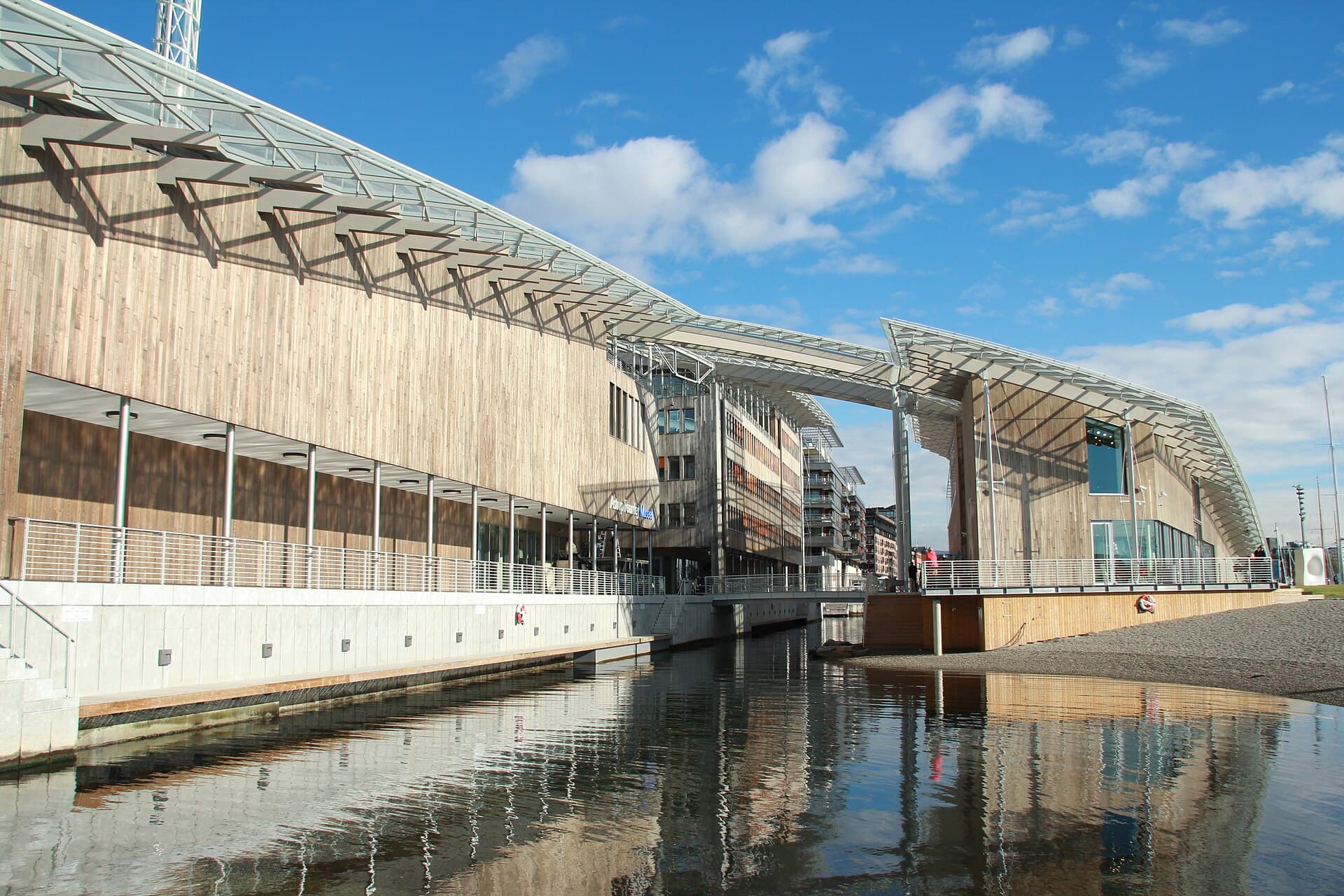 Astrup Fearnley MuseumA private museum of contemporary art on the tip of the Tjuvholmen peninsula, in 18 minutes walk4.2
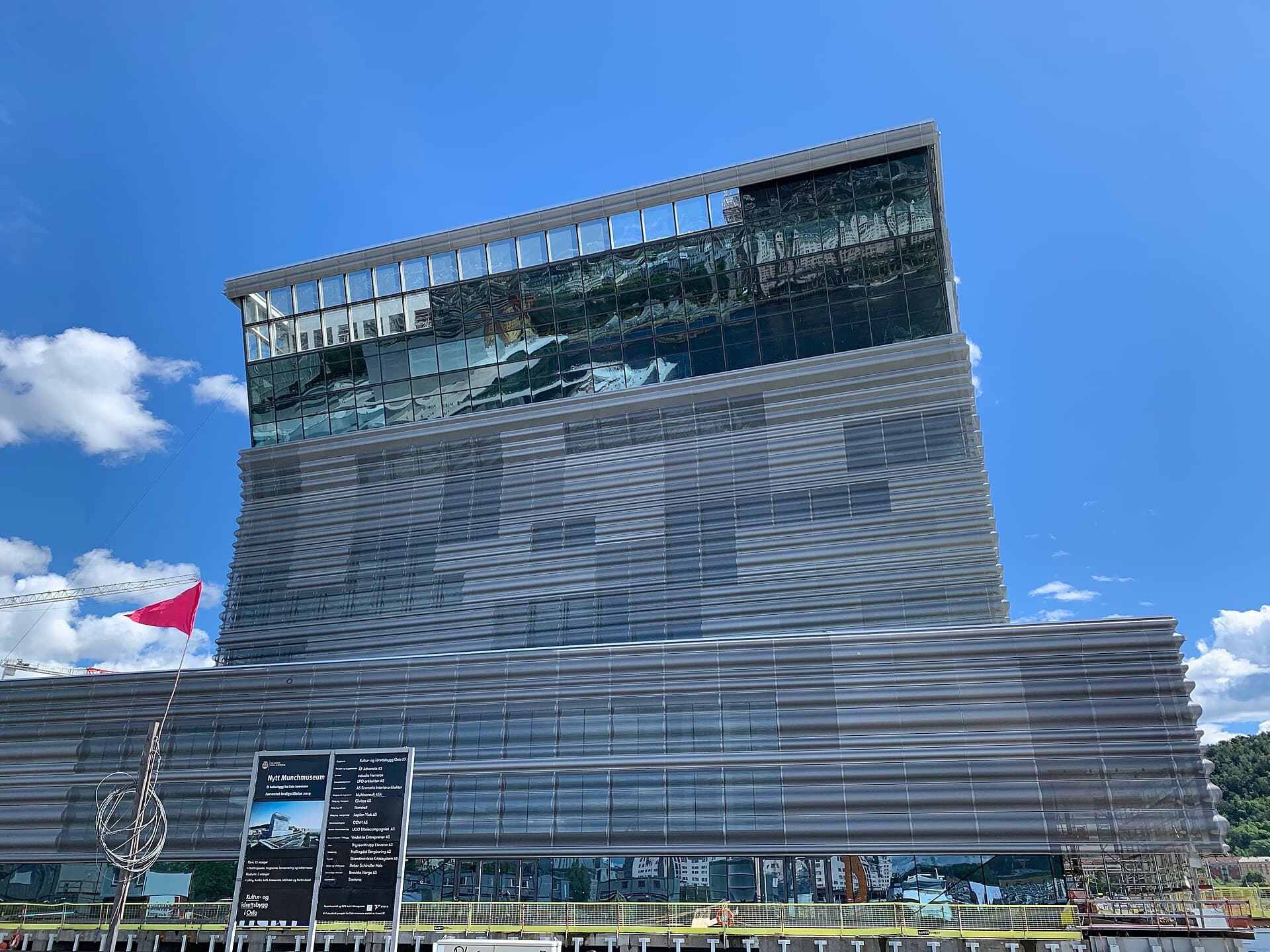 The Munch MuseumThe Munch Museum is the world's largest home of The Scream: a leaning glass towe23 minutes walk4.6
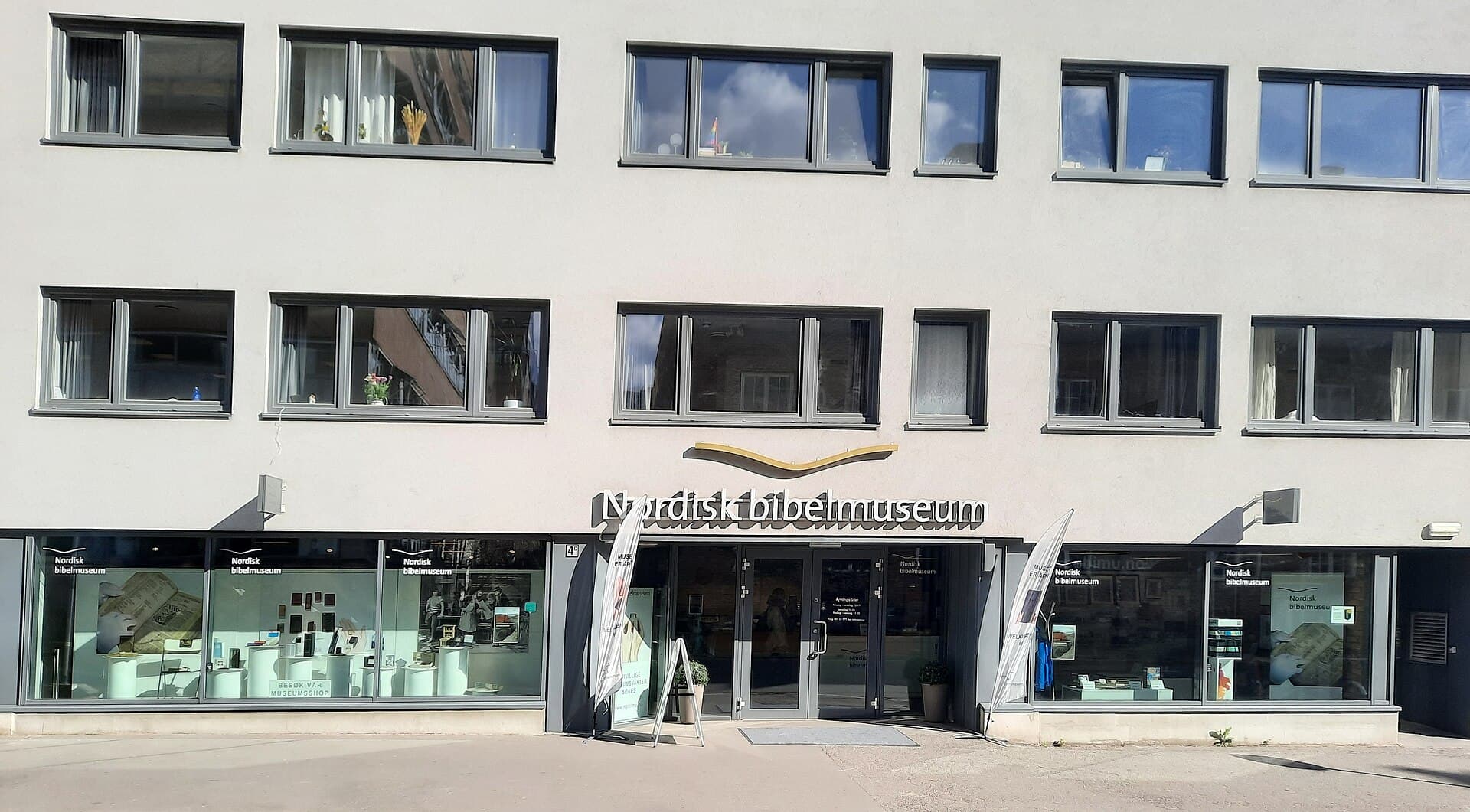 The Nordic Bible MuseumA small museum in central Oslo, opened in 2019, whose collection treats the Bibl23 minutes walk4.9
Four main islands served by public ferries from the same quay: Hovedøya, the closest, with the abbey and woodland; Lindøya with summer cabins and beaches; Gressholmen, small and quiet; and Langøyene, furthest out with the best sandy beaches and the busiest in summer. For half a day: Hovedøya. For a beach day: Langøyene. All on an ordinary transit ticket, and among the best things Oslo effectively gives away.