
Mediterranean plants
A focus on the flora of southern Spain and the Mediterranean rather than a general collection.
Kent Wang from Barcelona, Spain — CC BY-SA 2.0 · Kent Wang from Barcelona, Spain — CC BY-SA 2.0 · Kent Wang from Barcelona, Spain — CC BY-SA 2.0 · Kent Wang from Barcelona, Spain — CC BY-SA 2.0
A botanical garden on the bank of the Guadalquivir south-west of the old city, combining living plant collections with two small museums of botany and palaeobotany. What sets it apart from an ordinary botanical garden is its focus on the plants of southern Spain and the Mediterranean basin, together with a section on cultivated plants that traces the history of agriculture in the region. That subject intersects directly with the Andalusi legacy, since Muslims brought crops and irrigation techniques into al-Andalus that changed Spanish farming. The grounds are relatively large and quiet, with far fewer visitors than the old city. The glasshouses hold tropical and desert plants. It suits someone a day or two into Córdoba who wants something other than architecture, or a family needing open space. A visitor with a single day has much clearer priorities.
A focus on the flora of southern Spain and the Mediterranean rather than a general collection.
The crops and irrigation techniques Muslims introduced changed Spanish farming, and the section explains it.
Few visitors and open ground, a relief after the crowding of the old city.
Avenida de Linneo, on the Guadalquivir bank, Córdoba
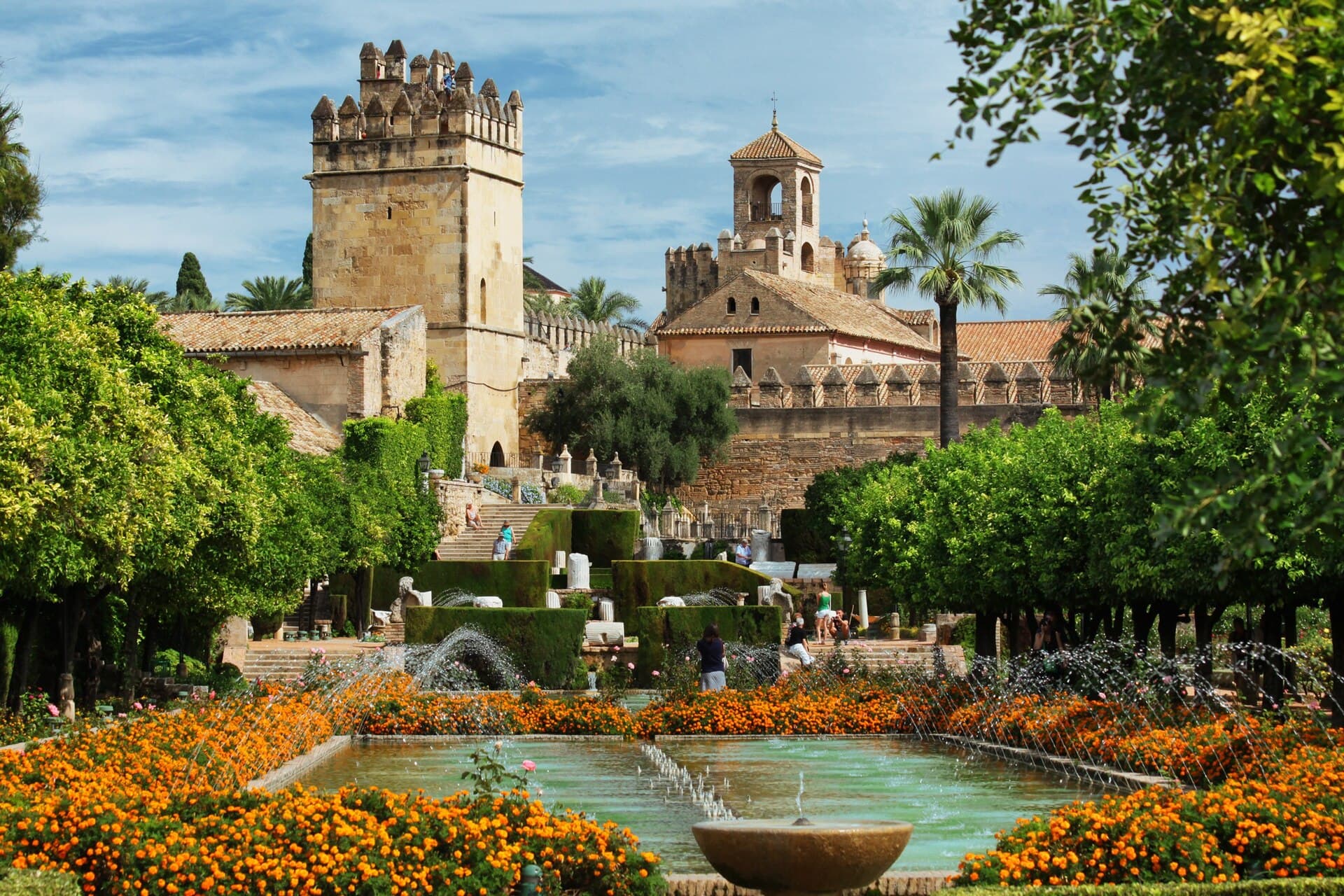 Alcázar de los Reyes CristianosThe Alcázar de los Reyes Cristianos is a fortress-palace in Córdoba built in the10 minutes walk4.6
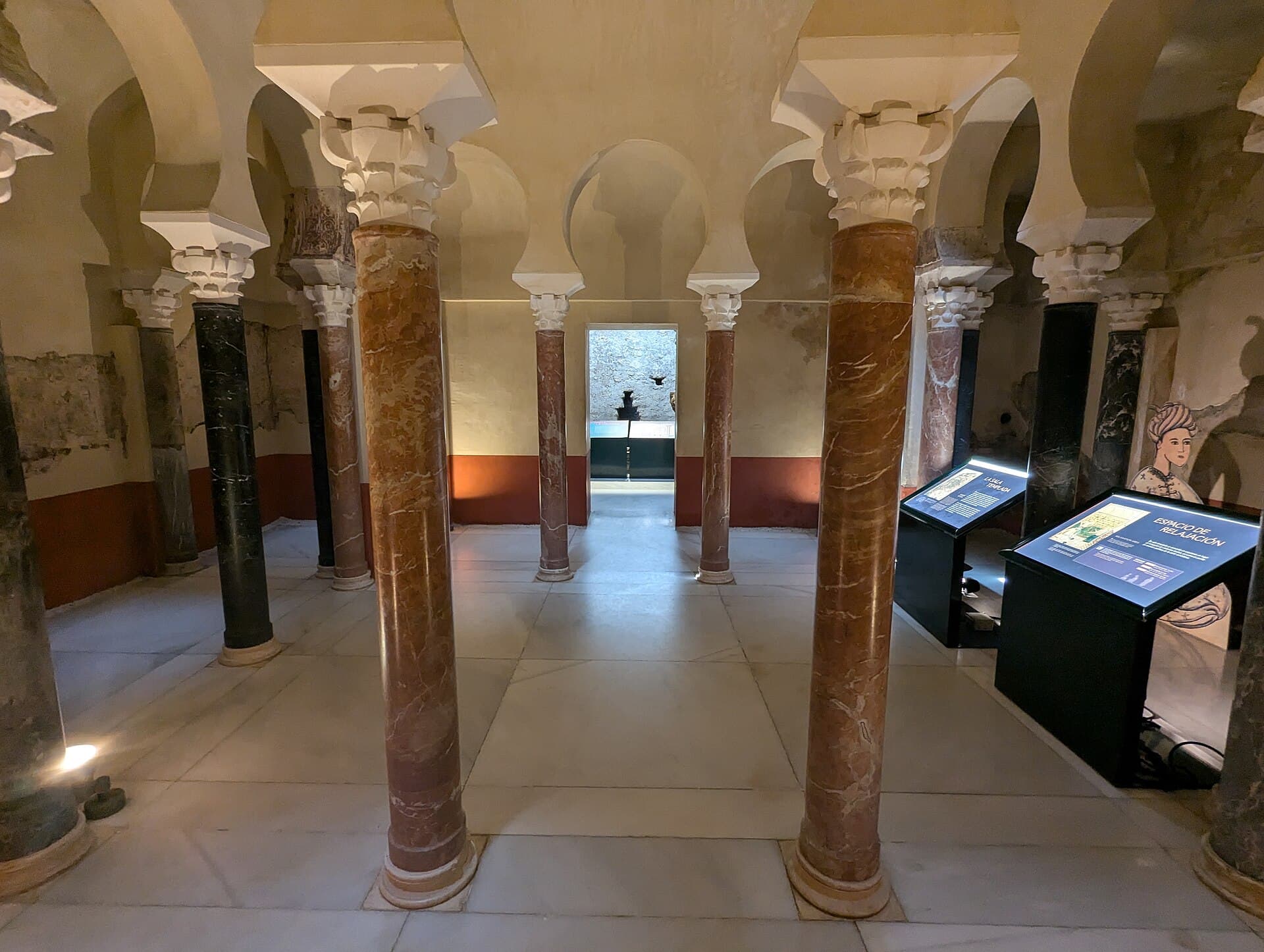 Caliphal BathsThe Caliphal Baths served the palace of the caliphs of Córdoba, and date in orig12 minutes walk4.1
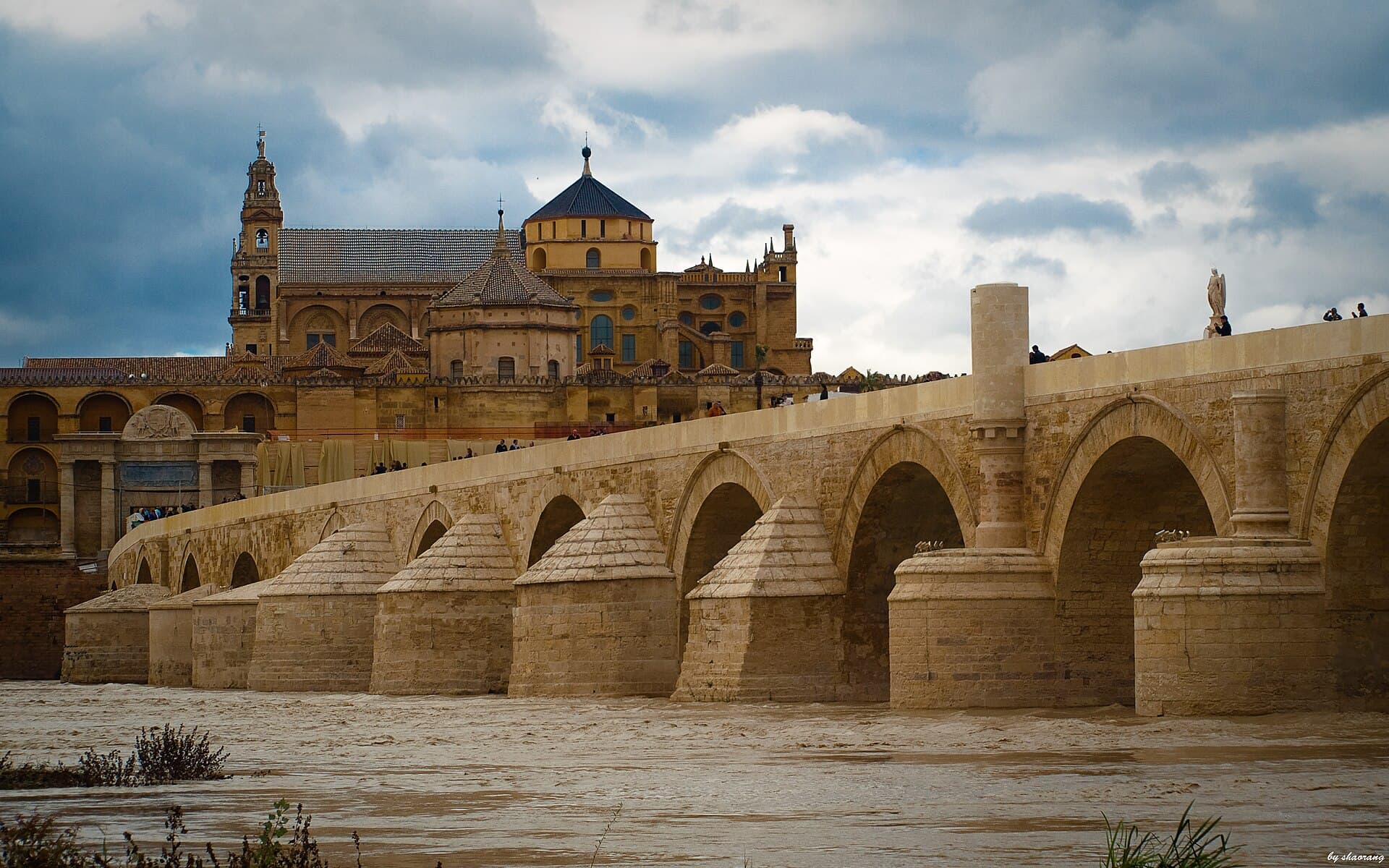 Roman Bridge of CórdobaThe Roman Bridge of Córdoba crosses the Guadalquivir, and its origins are Roman,13 minutes walk4.8
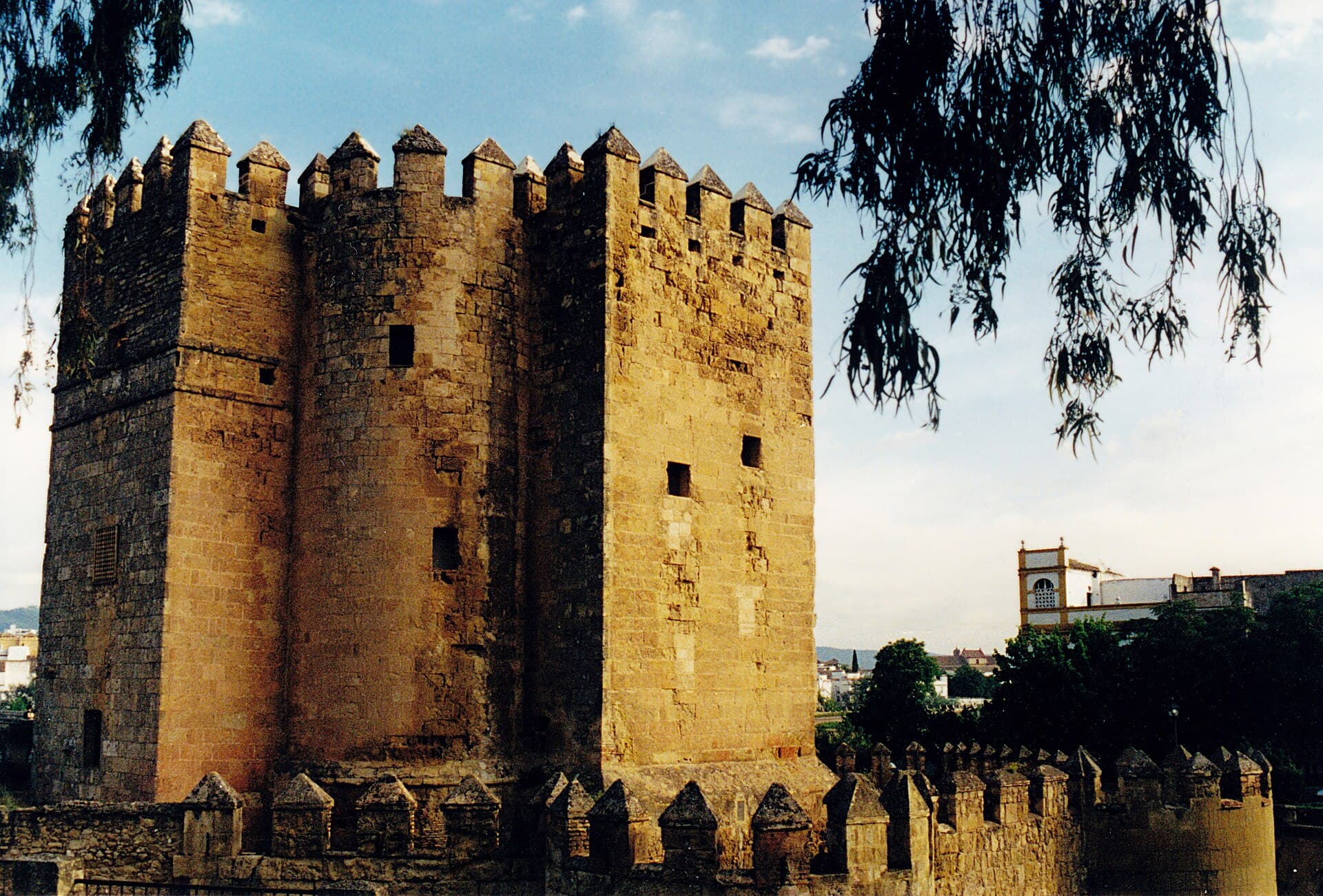 Torre de la CalahorraThe Torre de la Calahorra is a small fort at the southern end of the Roman bridg13 minutes walk4.6
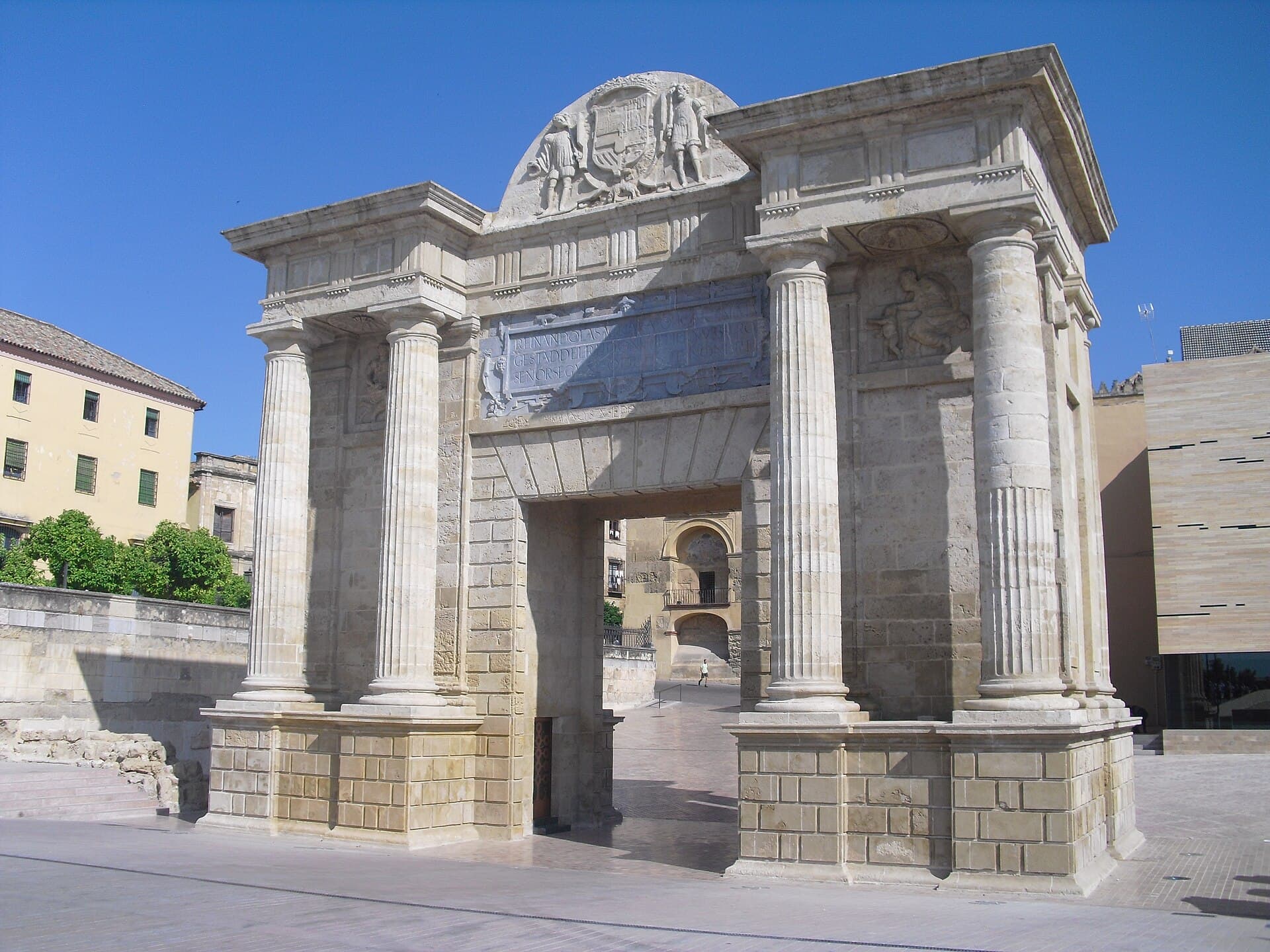 Puerta del PuenteThe Puerta del Puente is a stone triumphal gate at the northern end of the Roman13 minutes walk4.5
Usually not. On a single day in Córdoba, the Mosque-Cathedral, the Alcázar, the Judería and Medina Azahara clearly come first. The garden suits a third day, or a family needing open space away from the lanes.
Yes: the space is open, with glasshouses and two small museums. Watch the heat though: Córdoba is among the hottest cities in Europe in summer and the garden is largely open, so go in the morning and take water.