
The ground of a vanished palace
Architectural fragments of the demolished palace lie scattered among the trees.
Joanbanjo — CC BY-SA 3.0 · Derek Rankine from Glasgow, Scotland — CC BY 2.0 · 19Tarrestnom65 — CC BY-SA 4.0 · 19Tarrestnom65 — CC BY-SA 4.0
Among Valencia's oldest and largest gardens, known locally as Los Viveros. They occupy the ground of the Palacio del Real, a royal palace of Islamic origin that expanded under Christian rule and was demolished in 1810 during the Peninsular War, for fear French forces would fortify it. That explains the shape of the gardens: you walk on the site of a palace that no longer exists, and what remains of it are architectural fragments scattered among the trees. Today the gardens mix formal walks, ponds and densely planted areas. Valencia's Bioparc zoo is not here but to the west; what does sit inside these gardens is the natural sciences museum and children's play areas. The park is used mainly by people who live in Valencia, for running and walking. It lies on the northern bank of the old Turia riverbed, so it combines naturally with a walk in the park that runs along the drained channel, among the best things in Valencia.
Architectural fragments of the demolished palace lie scattered among the trees.
Used by people in Valencia for running and walking more than by visitors.
The zoo lies west of the city, not here.
North of the Turia riverbed, Valencia
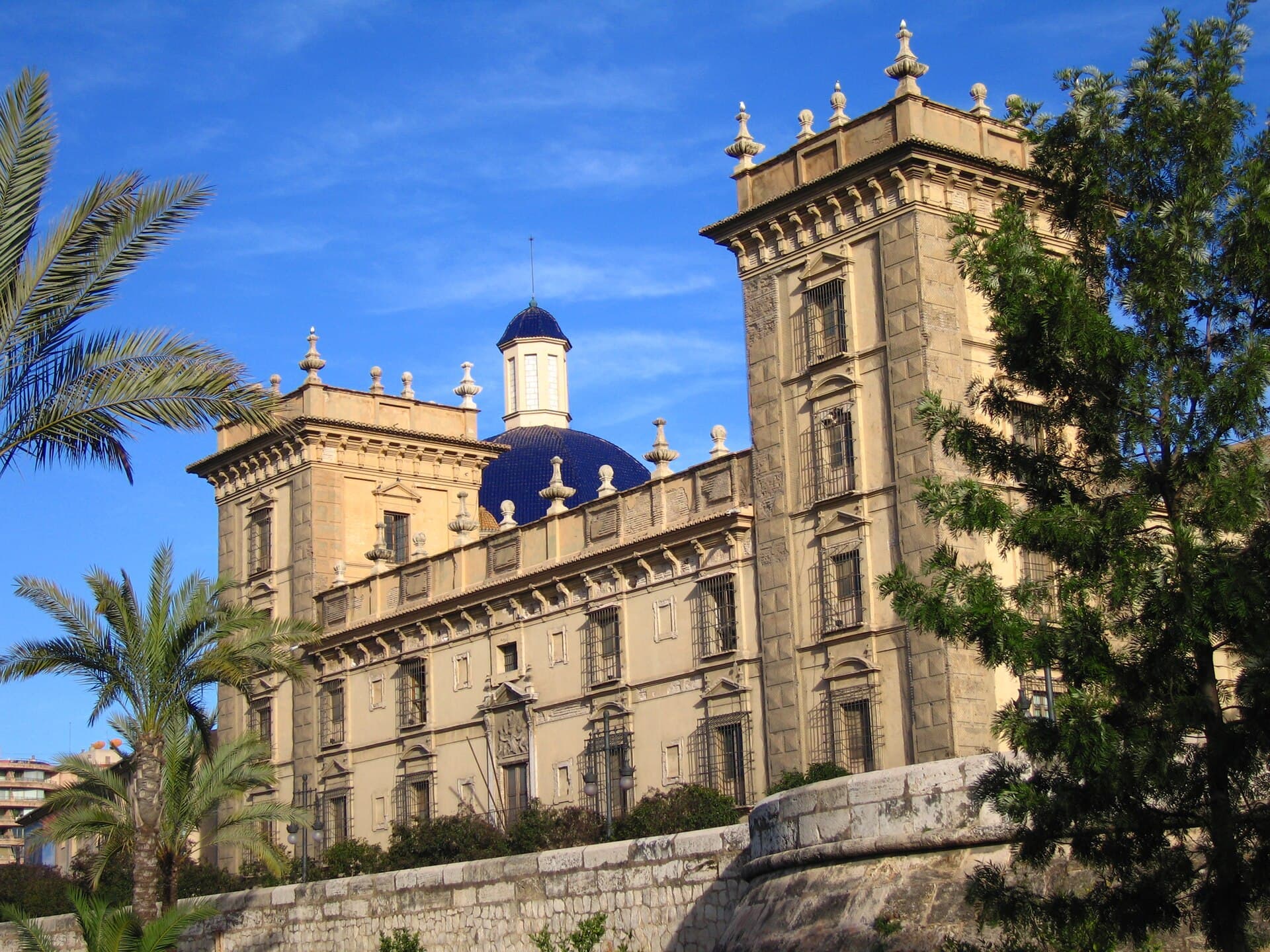 Museum of Fine ArtsValencia's Fine Arts Museum is Spain's second classical picture gallery after th3 minutes walk4.7
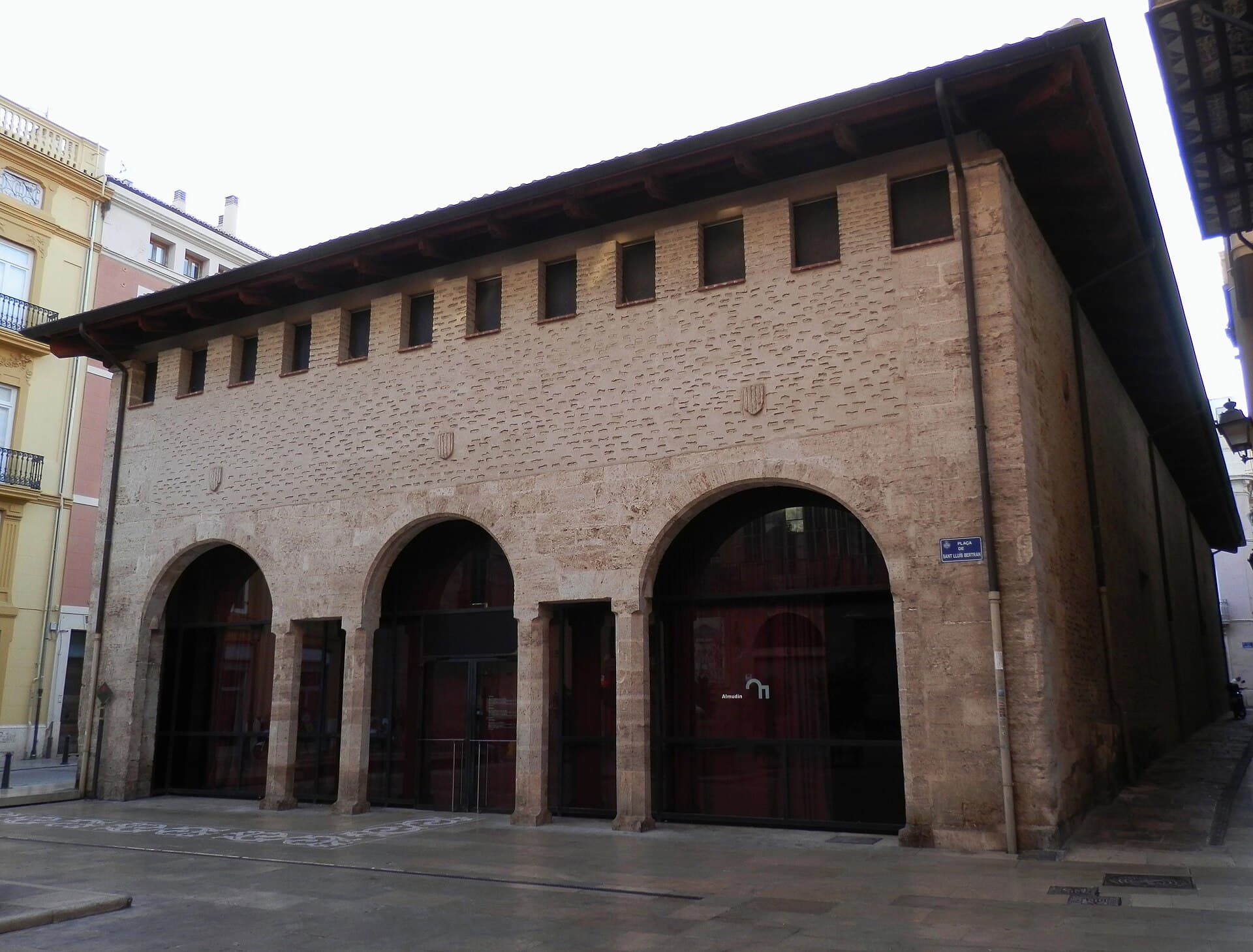 El AlmudínA medieval grain store in the heart of old Valencia, used today as an exhibition8 minutes walk4.4
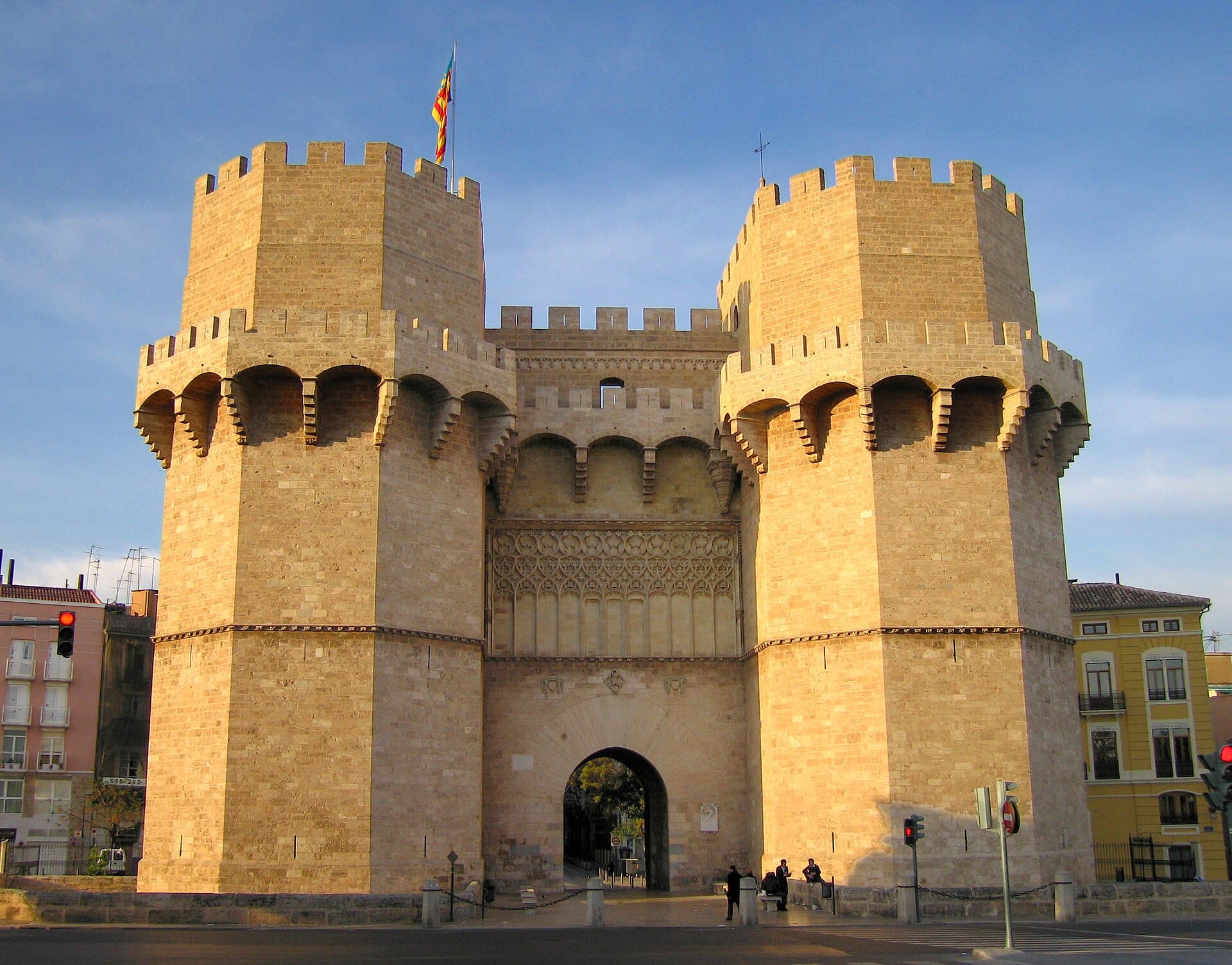 Torres de SerranosThe Serranos Towers have been Valencia's gate of honour since 1398: Europe's mig9 minutes walk4.7
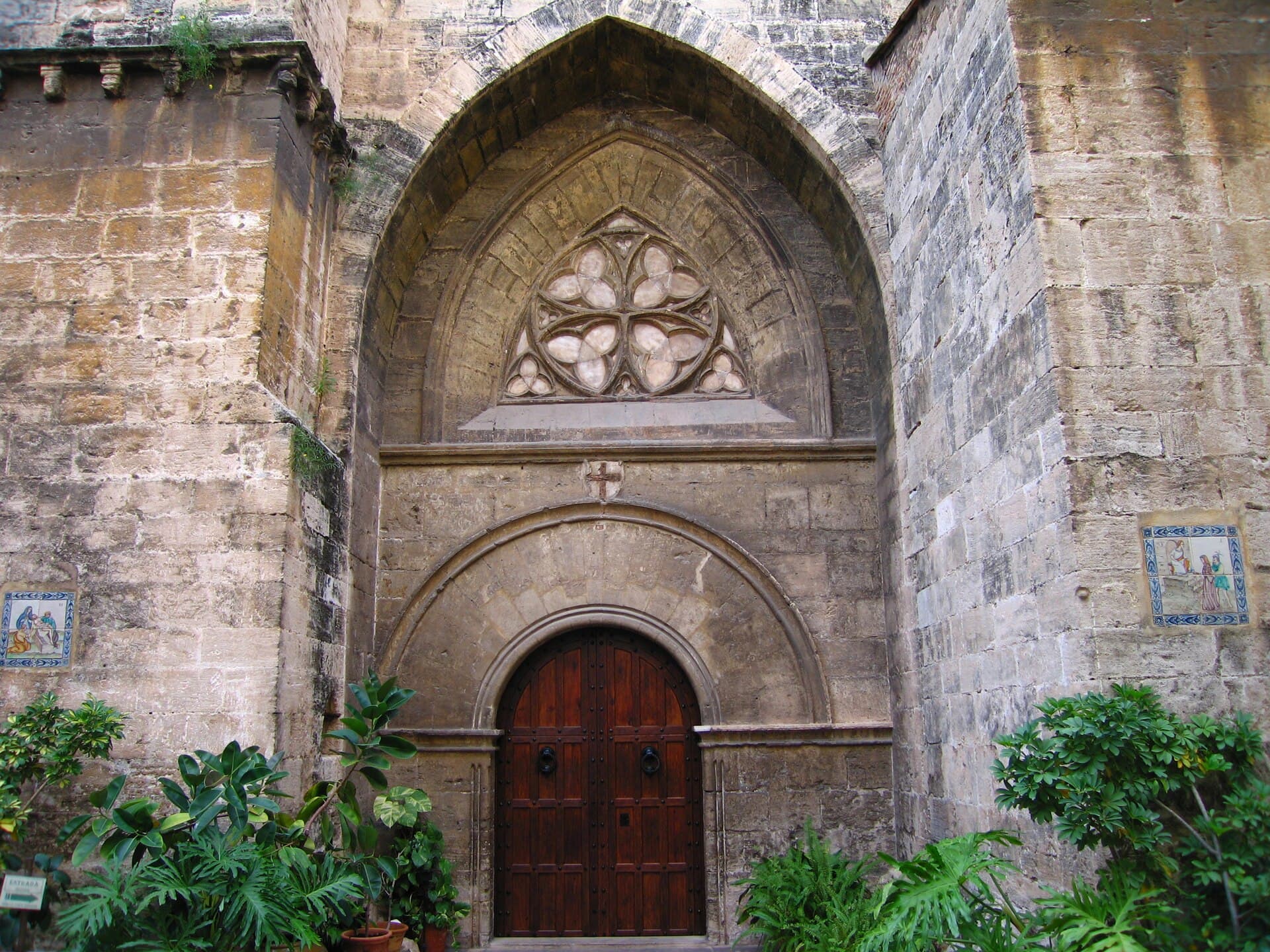 Church of San Juan del HospitalThe oldest standing church in Valencia. Its ground was granted to the Knights Ho10 minutes walk4.8
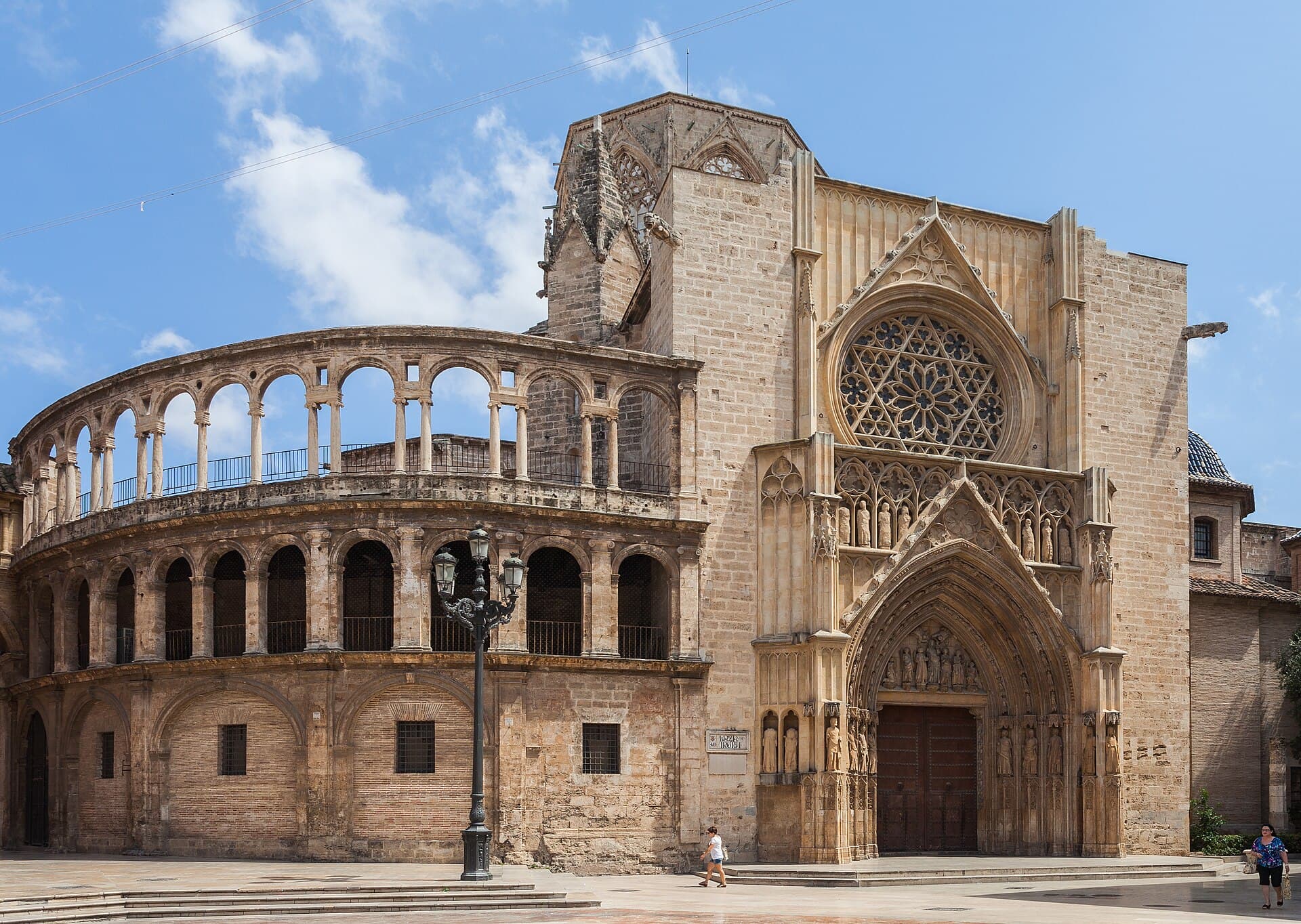 Valencia Cathedral & the MicaletValencia's cathedral rose over the great mosque after 1238 and gathered all the 10 minutes walk4.5
The Palacio del Real was originally an Islamic building, then became the seat of the kings of Aragon after 1238 and was greatly enlarged. It was demolished in 1810 during the Peninsular War by a Spanish decision, for fear French forces would use it as a fort overlooking the city. Only fragments remain in the gardens.
The Turia park running through the old riverbed passes alongside, and it is among the best things in Valencia for walking or cycling. From here you can head west towards the historic centre or east towards the City of Arts and Sciences.