
Power Hall
Twenty-two engines and six locomotives, reopened in October 2025, run live three times a day, on electric rather than steam for now.
Science Museum Group — CC BY-SA 4.0 · Photograph by Mike Peel (www.mikepeel.net). — CC BY-SA 4.0 · Bob Harvey — CC BY-SA 2.0 · Bradshaw79 — CC BY-SA 4.0
The world's first inter-city passenger train left from exactly this spot in 1830, and the original station still stands on Liverpool Road in Castlefield. The Science and Industry Museum did not pick its address by accident: it tells the story of Manchester as the first industrial city from inside the building where one of that story's biggest chapters happened. Entry is completely free, though the museum asks you to book a free timed ticket online, and in the summer holidays, when the halls fill with British families, that is worth doing. The beating heart is the Power Hall, reopened in October 2025 after a long restoration, with twenty-two stationary engines and six locomotives, one of Britain's largest collections of historic engines. Some are run for visitors three times a day, but on electric drive rather than steam for now because of a fault with the electric boiler, so do not expect smoke and whistles. The Textiles Gallery has the spinning machines that made the city 'Cottonopolis', and Revolution Manchester holds a working replica of the 'Manchester Baby', the computer that ran the world's first stored program in 1948, alongside a 1905 Rolls-Royce built in Hulme, in the city where the company was born. With children, the Experiment gallery on Level 1 is the essential stop: hands-on building, sensory and thermal-imaging activities for all ages, free, and packed by midday in the holidays, so go there first. The museum is pushchair-friendly with lifts and baby-changing on Levels 0 and 1, and you may bring your own food and eat it in the signposted picnic areas, which suits families who prefer their own meals. There is no museum parking; the easy way in is about a ten-minute walk from Deansgate-Castlefield Metrolink or Deansgate railway station, or about half an hour from Piccadilly. Keep expectations honest: the restoration programme is not finished, so the original 1830 Station building and its warehouse remain shut, the Air and Space Hall closed for good in 2021, and the steam train that once carried visitors no longer runs. What is left fills two enjoyable hours, no more, which makes it ideal for a wet Manchester day or a half-day before shopping at the Arndale or a stadium visit. Some temporary exhibitions charge, but everything core is free.
Twenty-two engines and six locomotives, reopened in October 2025, run live three times a day, on electric rather than steam for now.
A working replica of the machine that ran the world's first stored program in 1948, inside Revolution Manchester.
Free hands-on building, sensory and thermal-imaging activities for all ages on Level 1; go first thing in the holidays.
Liverpool Road, Castlefield, Manchester M3 4FP
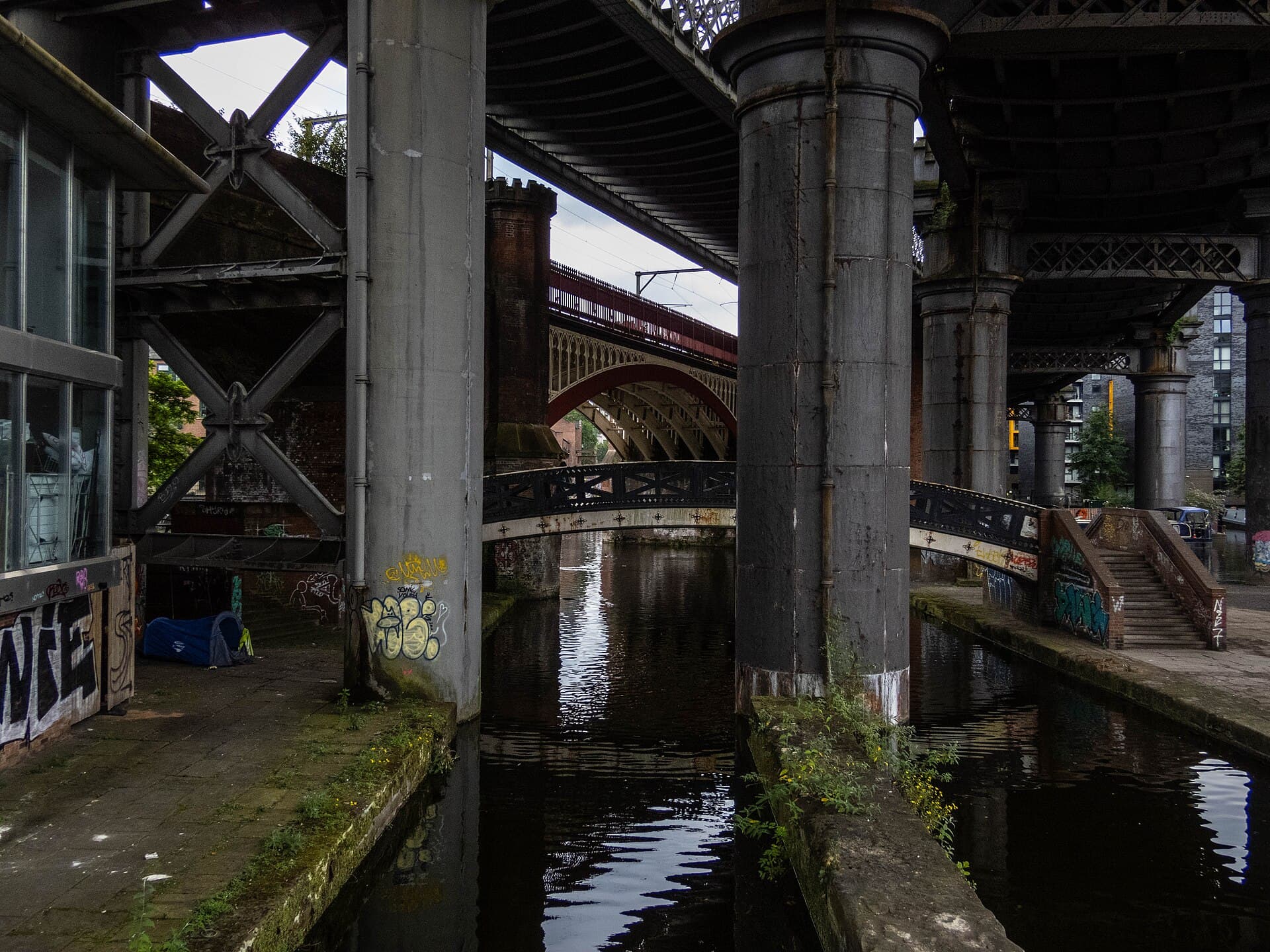 CastlefieldIn under ten minutes on foot you can stand on the footprint of a Roman fort buil3 minutes walk4.6
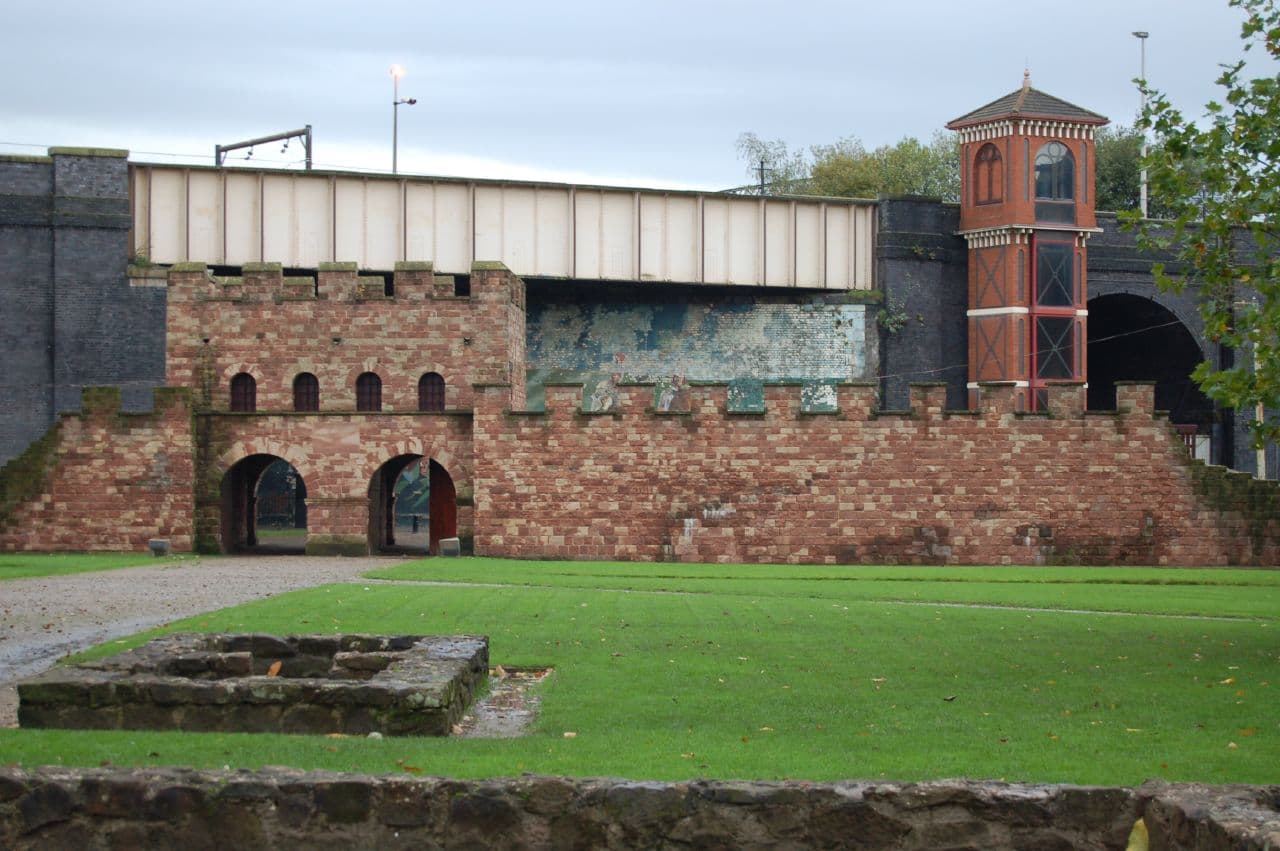 Mamucium Roman FortThe first half of the word Manchester traces back to this patch of ground. A sma4 minutes walk4.1
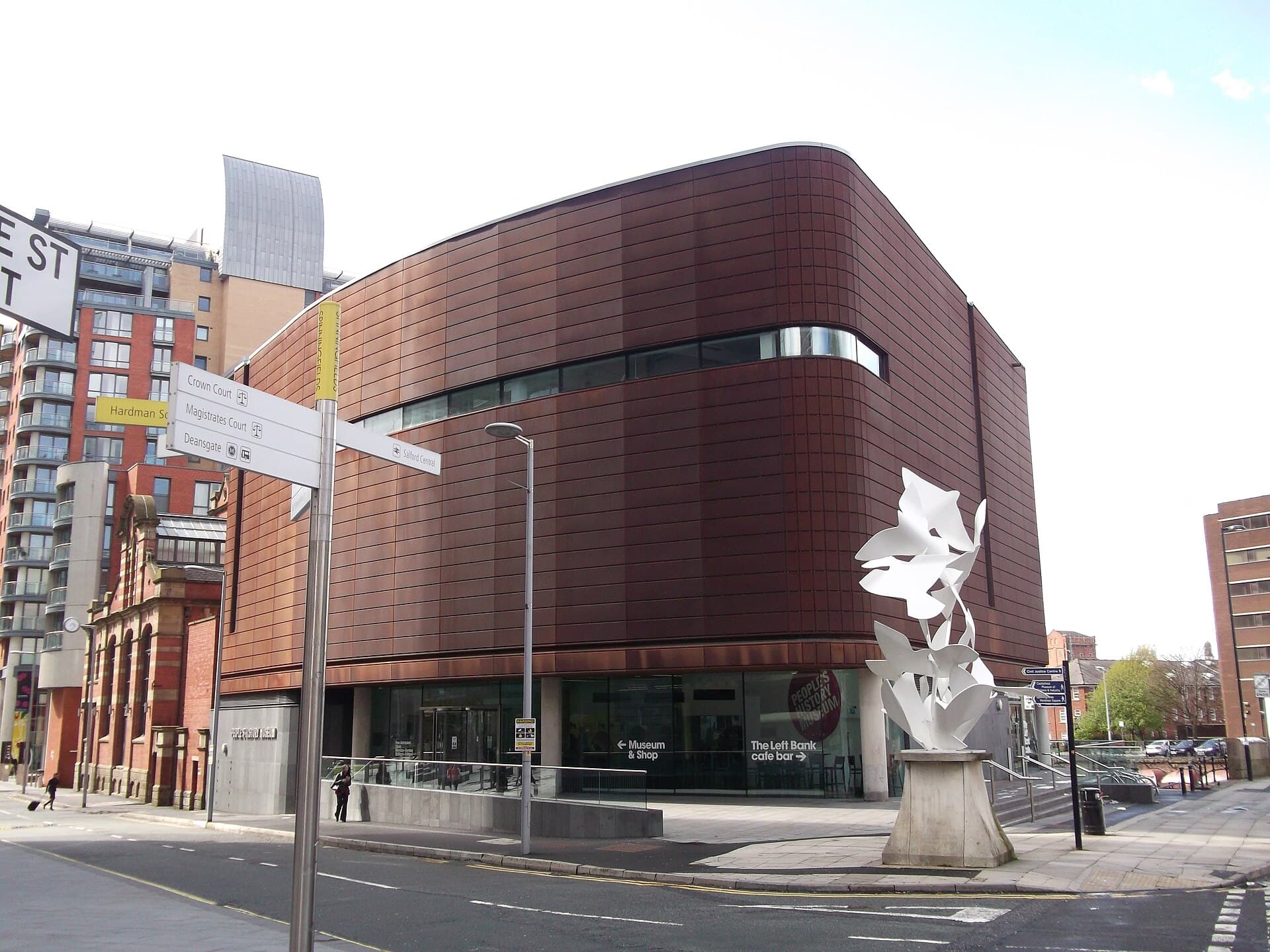 People's History MuseumThe largest collection of trade-union banners on earth, more than four hundred o6 minutes walk4.6
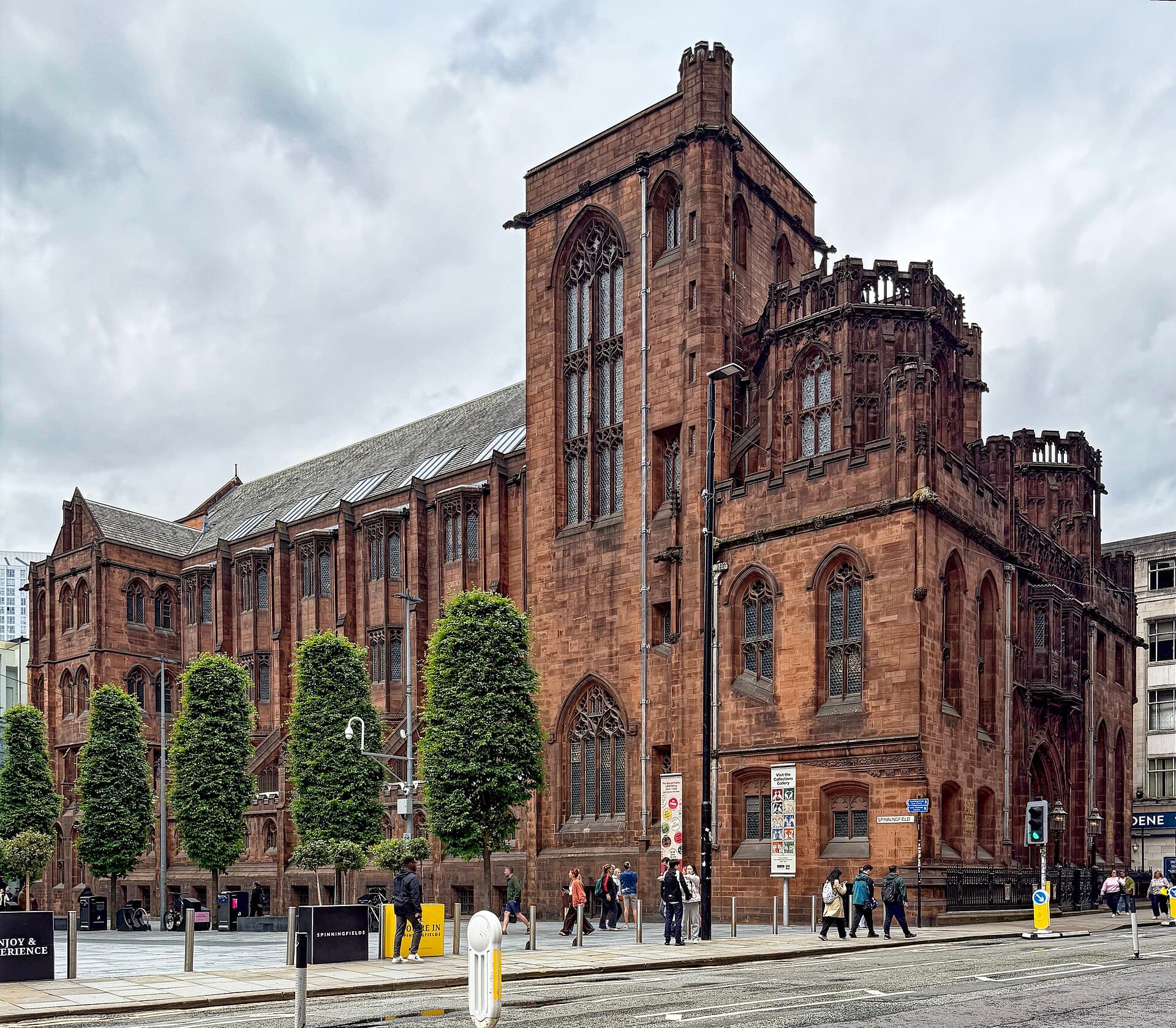 John Rylands LibraryHalfway along Deansgate, between the shops and restaurants, stands what looks li7 minutes walk4.9
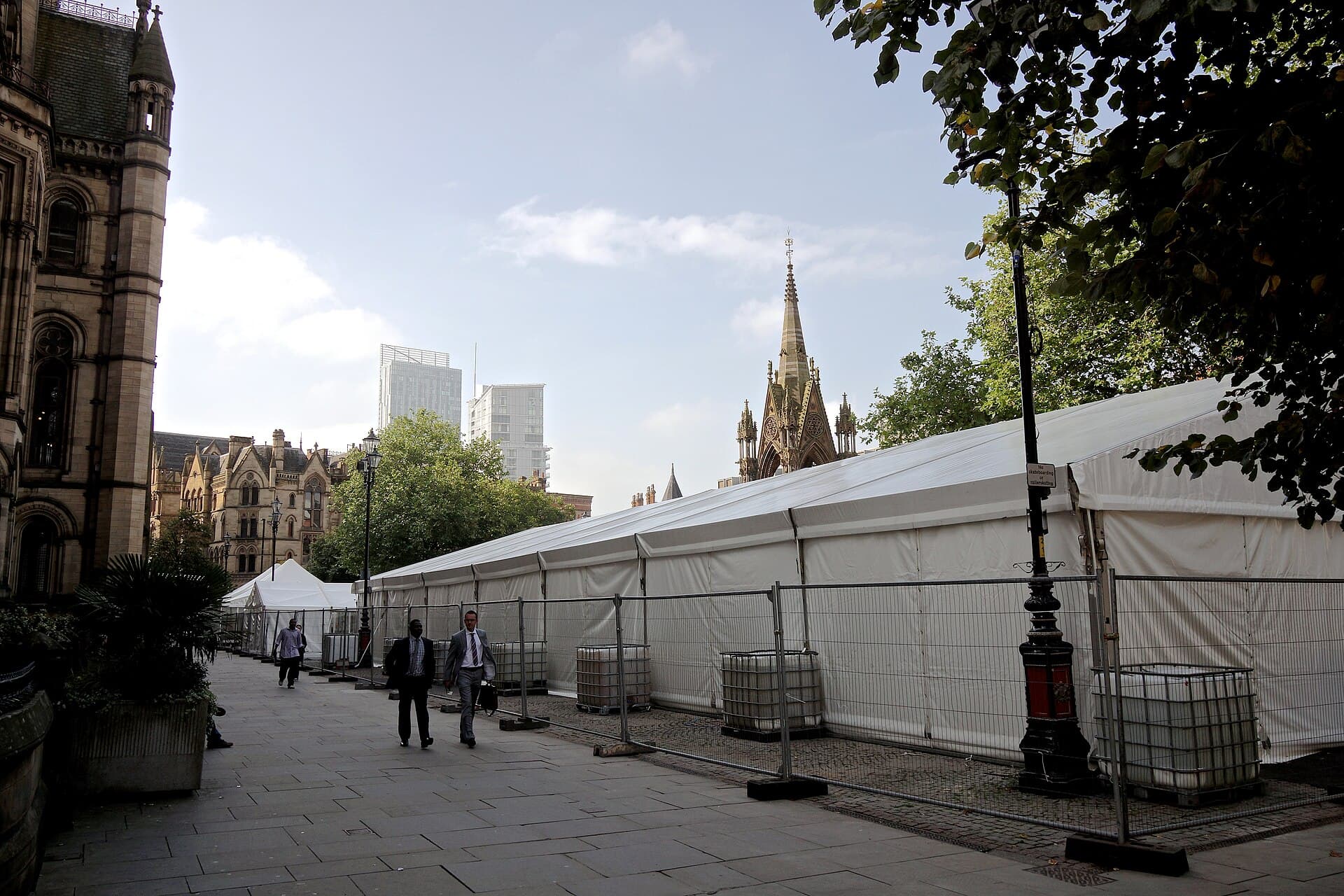 Albert SquareManchester got its Albert Memorial up years before London did. The Gothic canopy9 minutes walk4.3
Yes if you are already in Manchester, but it is clearly smaller than the London museum and parts are shut for restoration; the Experiment gallery and the running engines keep children happy for two hours, but do not travel to Manchester just for it.
The museum asks you to book a free timed ticket online, and walk-up entry works on quiet days; in July, August and on rainy weekends, book a day ahead to be sure of getting in.