
A political project
The monuments were a tool for building shared loyalty in a new empire.
STephan Kambor — CC BY-SA 3.0 · Schlaier — CC BY-SA 3.0 · STephan Kambor — CC BY-SA 3.0 · Fredobert stuttgart — CC BY-SA 4.0
An equestrian statue of Emperor Wilhelm I in central Stuttgart, one of hundreds of similar monuments raised across Germany after unification in 1871. The number itself is the story. After Wilhelm I died in 1888, a wave of monument-building to him began in nearly every city and town, reaching more than four hundred within a few decades. These were less spontaneous local initiatives than a political project: the German Empire was new and assembled from kingdoms and principalities with older loyalties, and the monuments were a tool for building a shared loyalty to a single figure. Stuttgart is a precise example of that tension: it was the capital of the Kingdom of Württemberg, with its own king, army and railway, and it entered the Empire retaining privileges. Raising a monument to the Prussian emperor in another kingdom's capital was a political statement rather than neutral commemoration. Practical points: the monument stands in free public space, always open. The visit is minutes on a walk through the centre.
The monuments were a tool for building shared loyalty in a new empire.
Württemberg joined with its own king, army and privileges.
A Prussian emperor's monument in a rival kingdom's capital.
Central Stuttgart
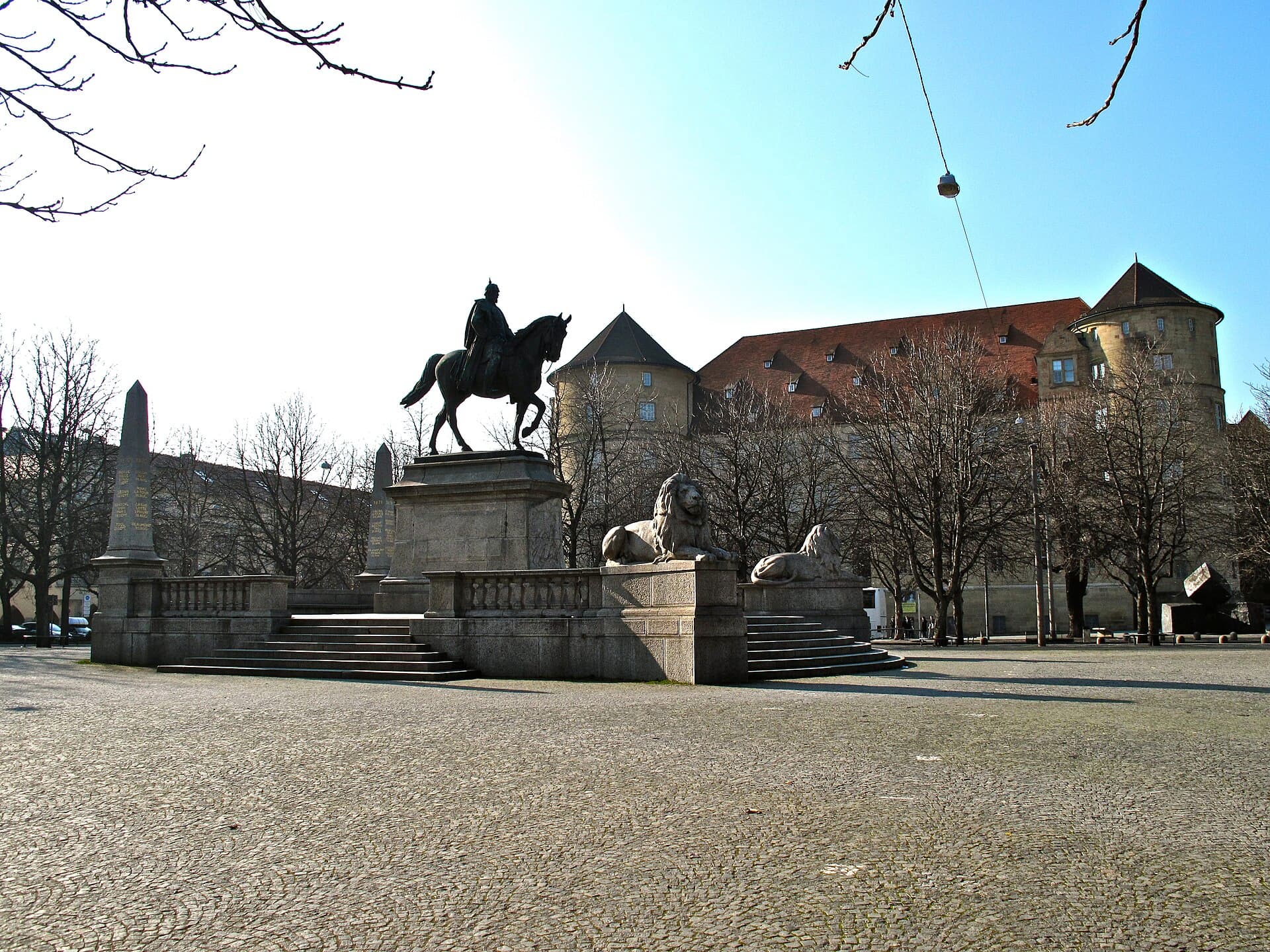 KarlsplatzA square in central Stuttgart between the Old and New Palaces, used today for th1 minute walk4.4
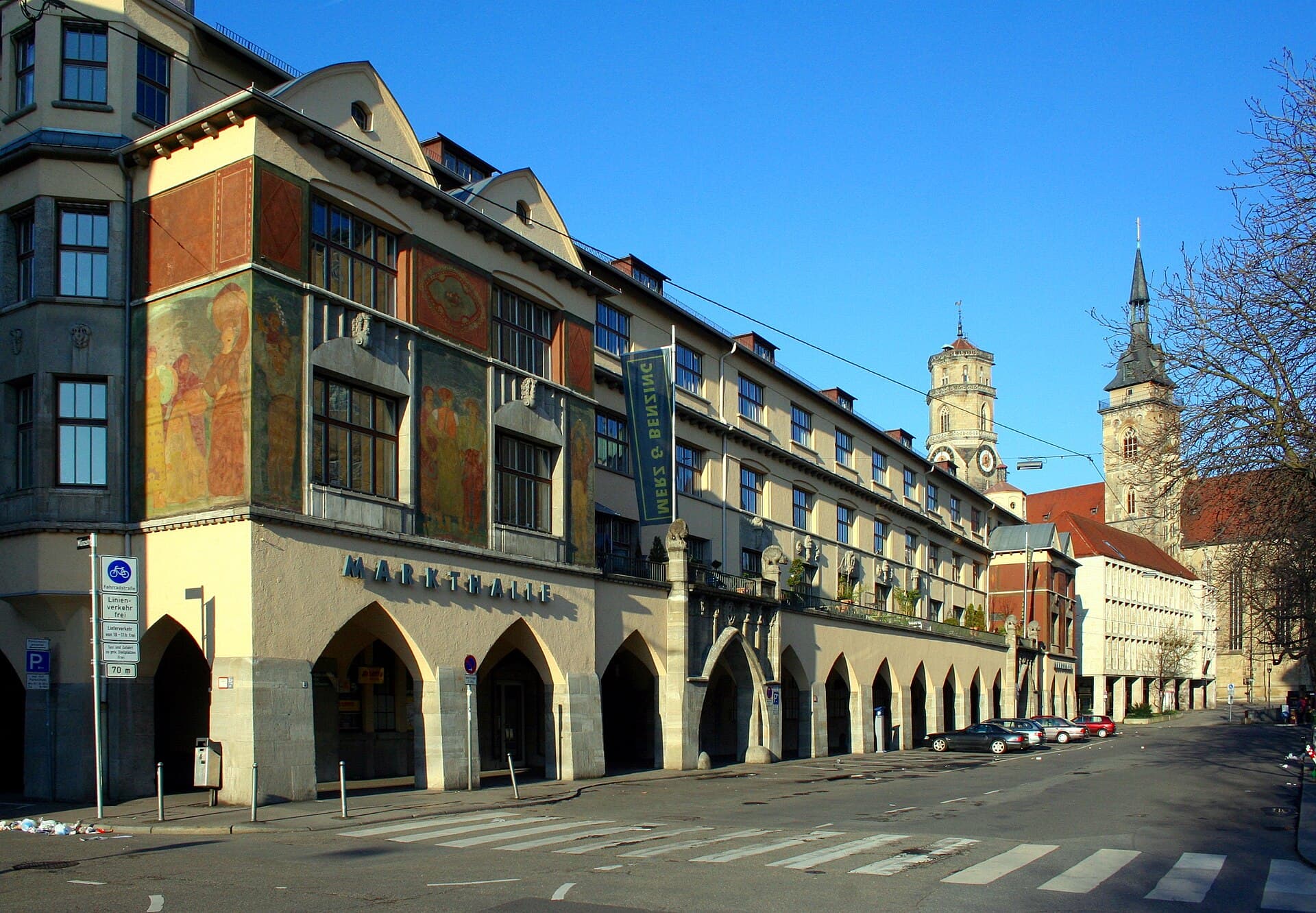 Markthalle StuttgartThe city's covered market opened on the thirtieth of January 1914, after the arc1 minute walk4.7
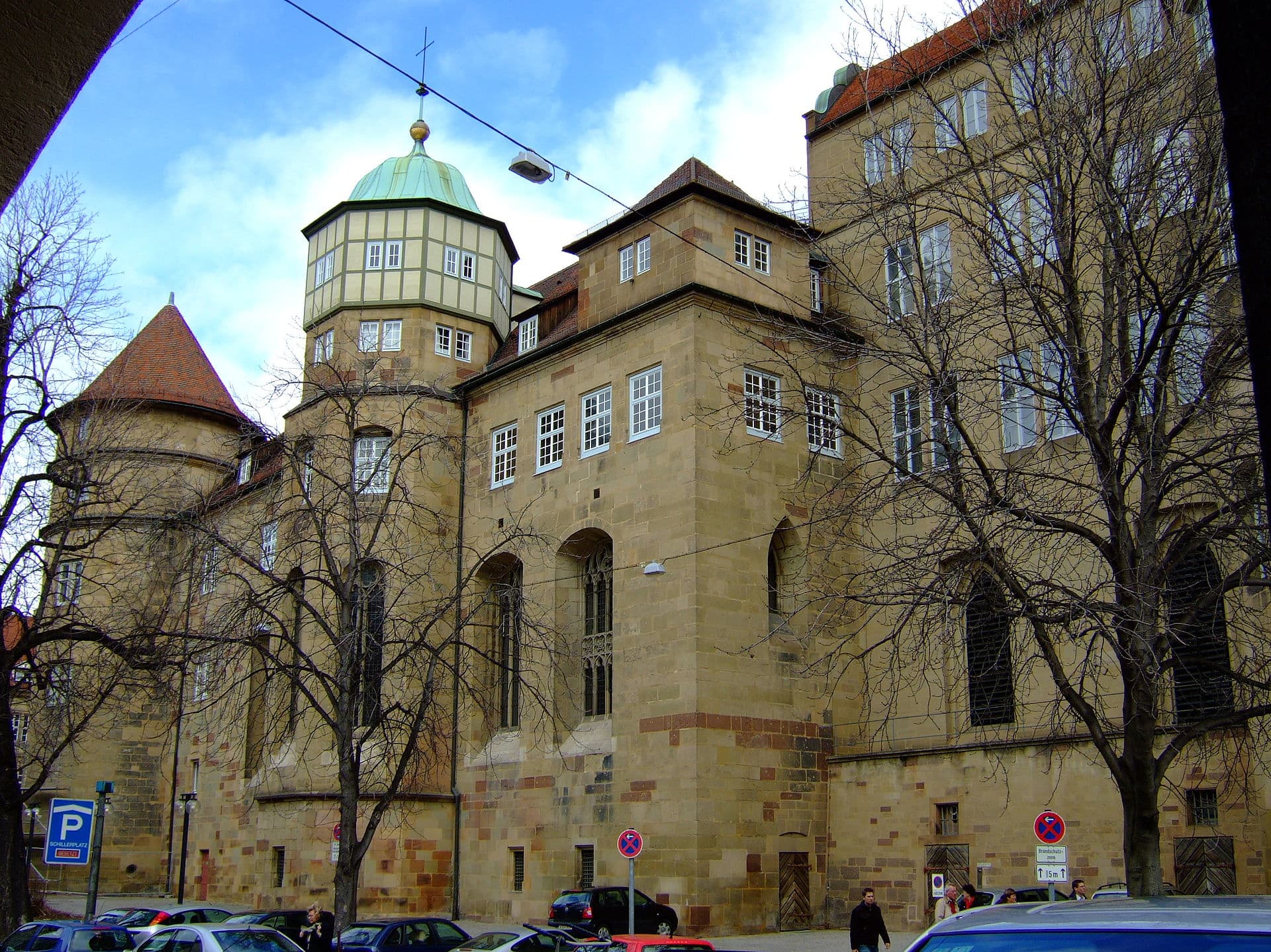 Landesmuseum WürttembergThe Landesmuseum Württemberg is inside the Old Castle, a sixteenth-century fortr1 minute walk4.4
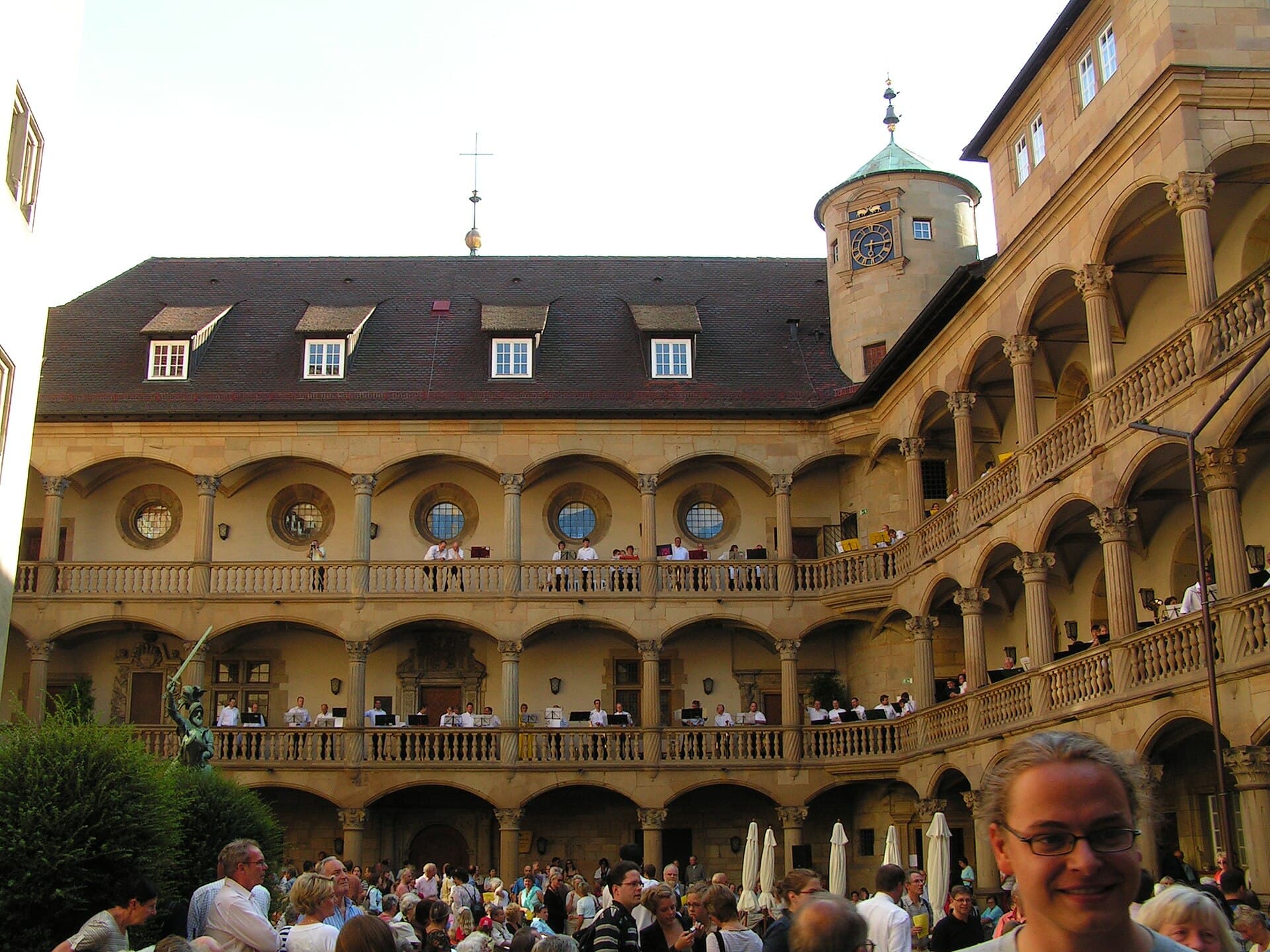 Junges Schloss Children's MuseumThe Junges Schloss is a children's museum inside the Old Castle in central Stutt2 minutes walk4.3
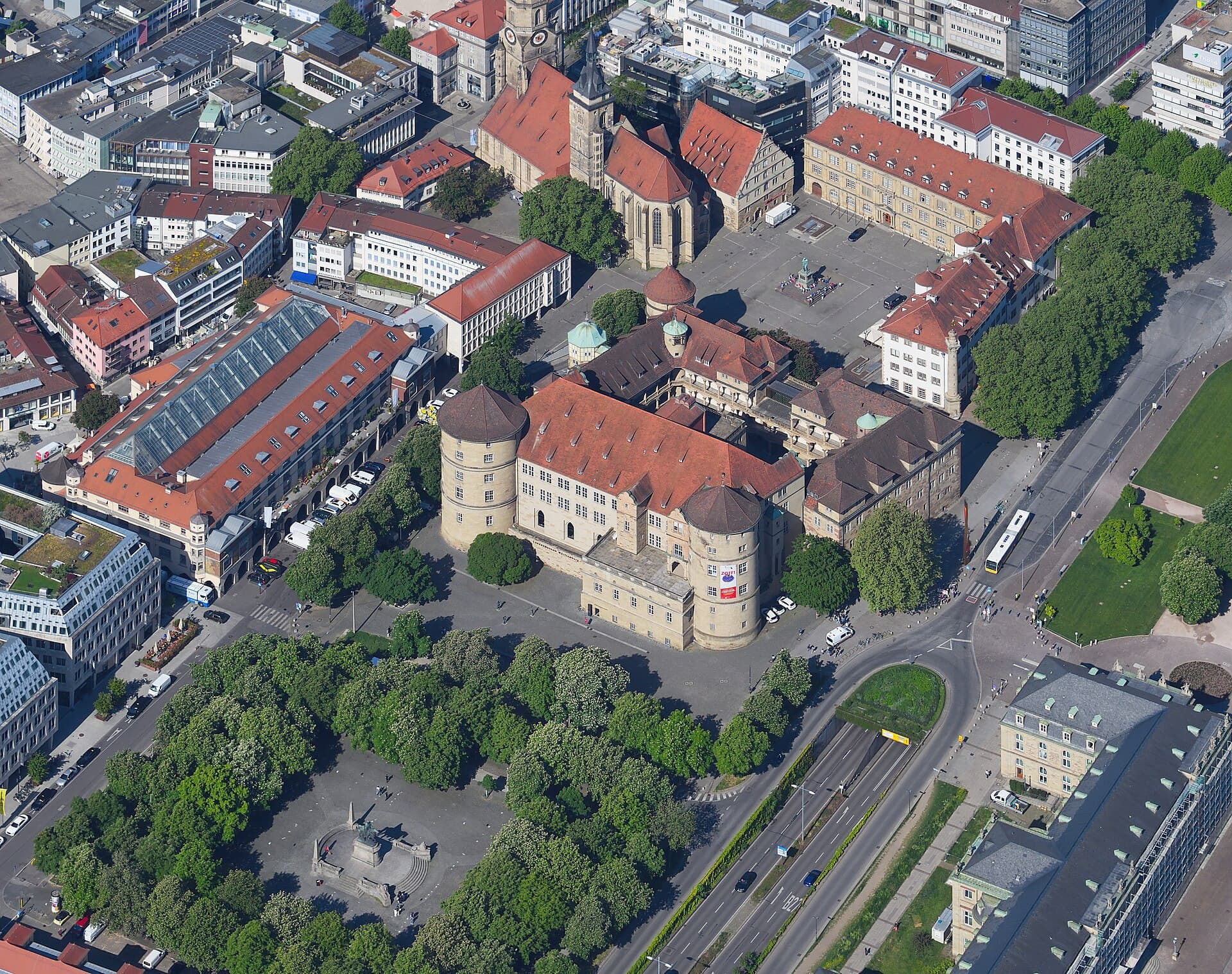 Old CastleThe Old Castle is a Renaissance fortress in the middle of Stuttgart, grown out o2 minutes walk4.8
Because Germany was not a state before 1871 but dozens of independent entities — kingdoms, principalities, duchies and free cities — inherited from the dissolution of the Holy Roman Empire. Prussia unified them by war and diplomacy under Bismarck, but the union was federal: Bavaria, Württemberg and Saxony kept their kings, some of their armies and their postal services until 1918. The trace survives in German decentralisation today.
Not as a destination. But knowing these monuments were a collective political project rather than individual commemorations changes how you read the dozens of near-identical statues in German cities. Pause for two minutes while passing.