
Inscriptions on the walls
Written by the original inmates and still in the cells.
Wistula — CC BY 3.0 · Thunderman83 — Public domain · Cybularny — CC0 · Cybularny — CC0
A former tsarist prison inside the Warsaw Citadel, now a museum on a century of Russian repression in Poland. The citadel itself is the story: Tsar Nicholas I built it after the November Uprising of 1830 not to defend Warsaw but to control it — its guns faced the city rather than outward, and its construction was paid for by taxing the inhabitants. The message was plain. The Tenth Pavilion was the prison for political detainees. Tens of thousands passed through it over a century, many were executed against its walls, and more were exiled to Siberia. Its inmates included Józef Piłsudski, later the founder of independent Poland, Roman Dmowski, and the leaders of the January Uprising of 1863. The cells are preserved as they were, with original inmates' inscriptions on the walls. The museum also holds Aleksander Sochaczewski's painting Farewell to Europe, showing exiles crossing the marker into Asia — painted by an artist who was himself one of them. The site sits in the citadel with the Katyń Museum and the Army Museum.
Written by the original inmates and still in the cells.
The painting of exiles to Siberia, by an artist who was one of them.
The later founder of independent Poland was an inmate of this pavilion.
Warsaw Citadel, north of the city
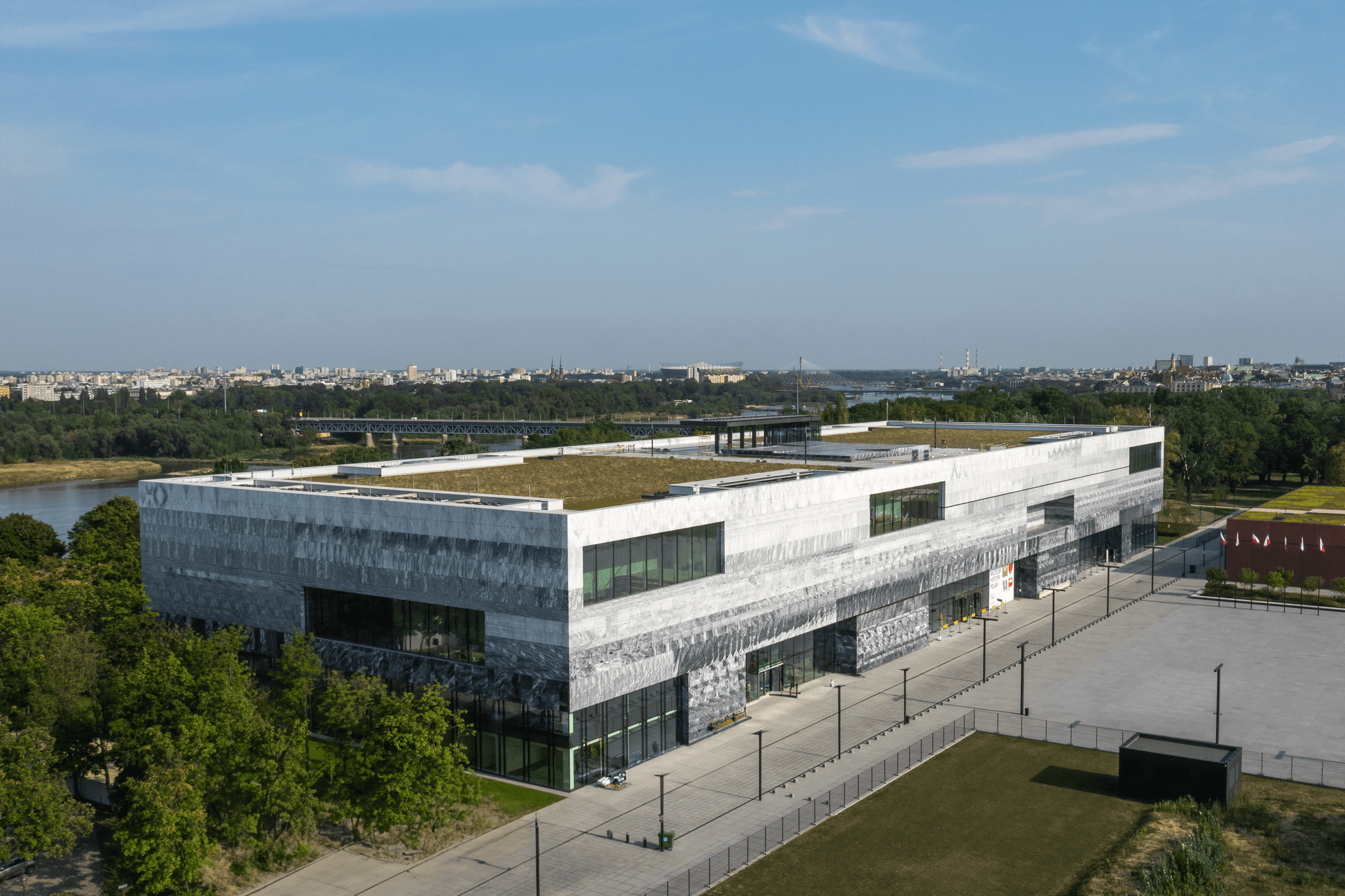 Polish History MuseumA vast national museum in the Warsaw Citadel, opened to the public in 2024 after3 minutes walk4.0
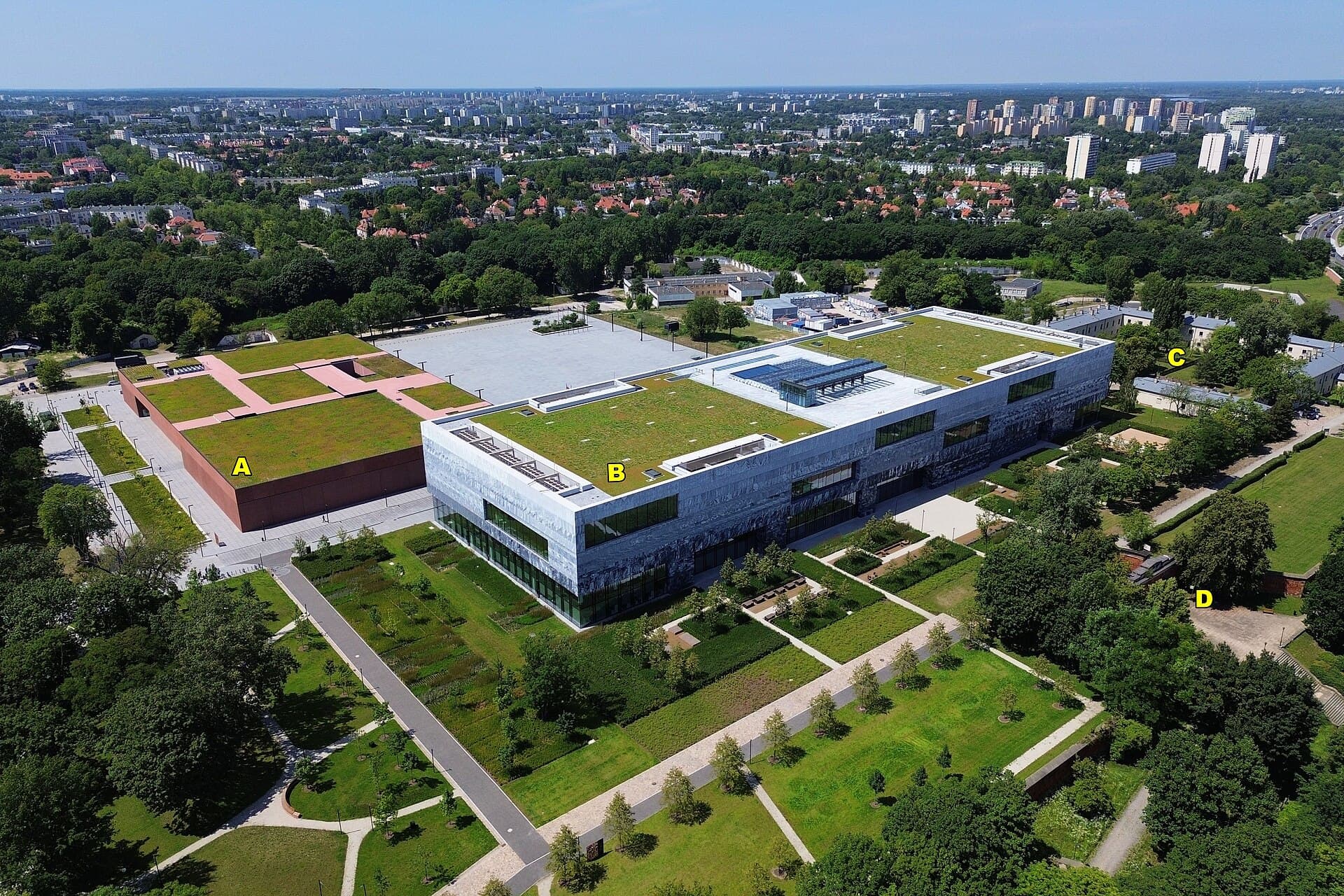 Polish Army MuseumThe museum of Polish military history, moved to its new home in the Warsaw Citad4 minutes walk4.5
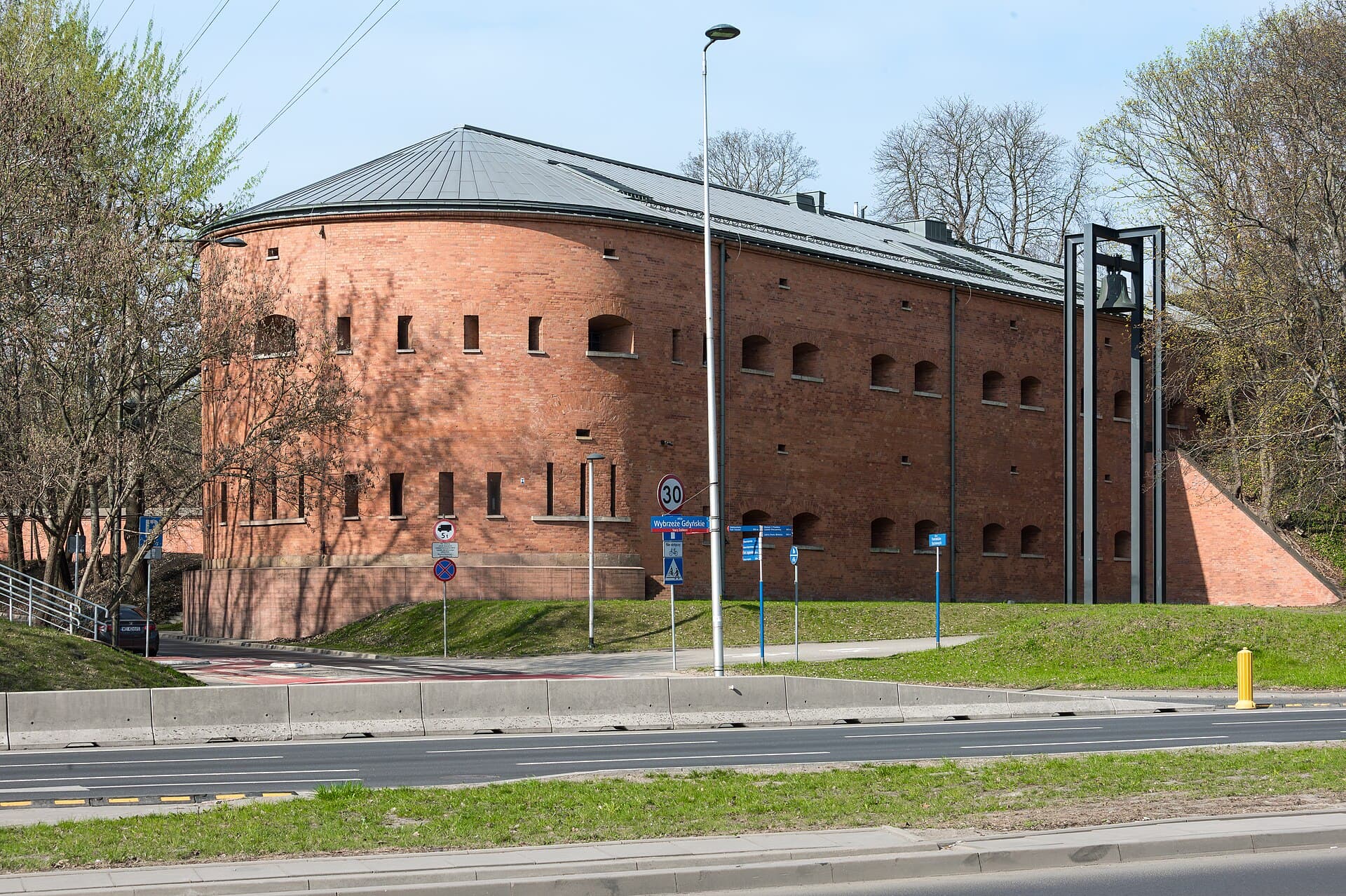 Katyń MuseumA museum inside a nineteenth-century bastion of the Warsaw Citadel devoted to th10 minutes walk4.6
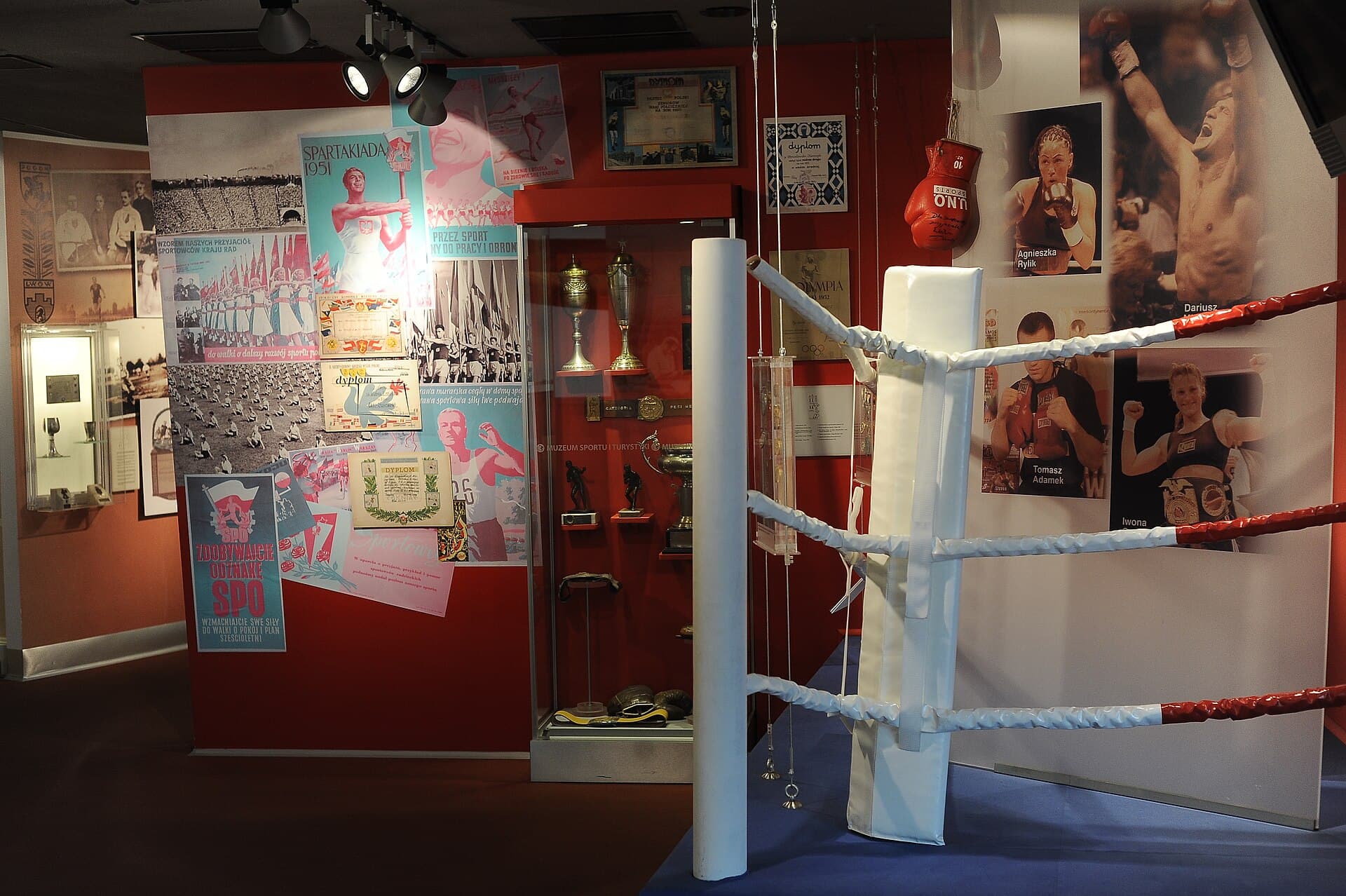 Museum of Sport and TourismA national museum of sport and tourism in Warsaw, documenting the history of Pol11 minutes walk4.6
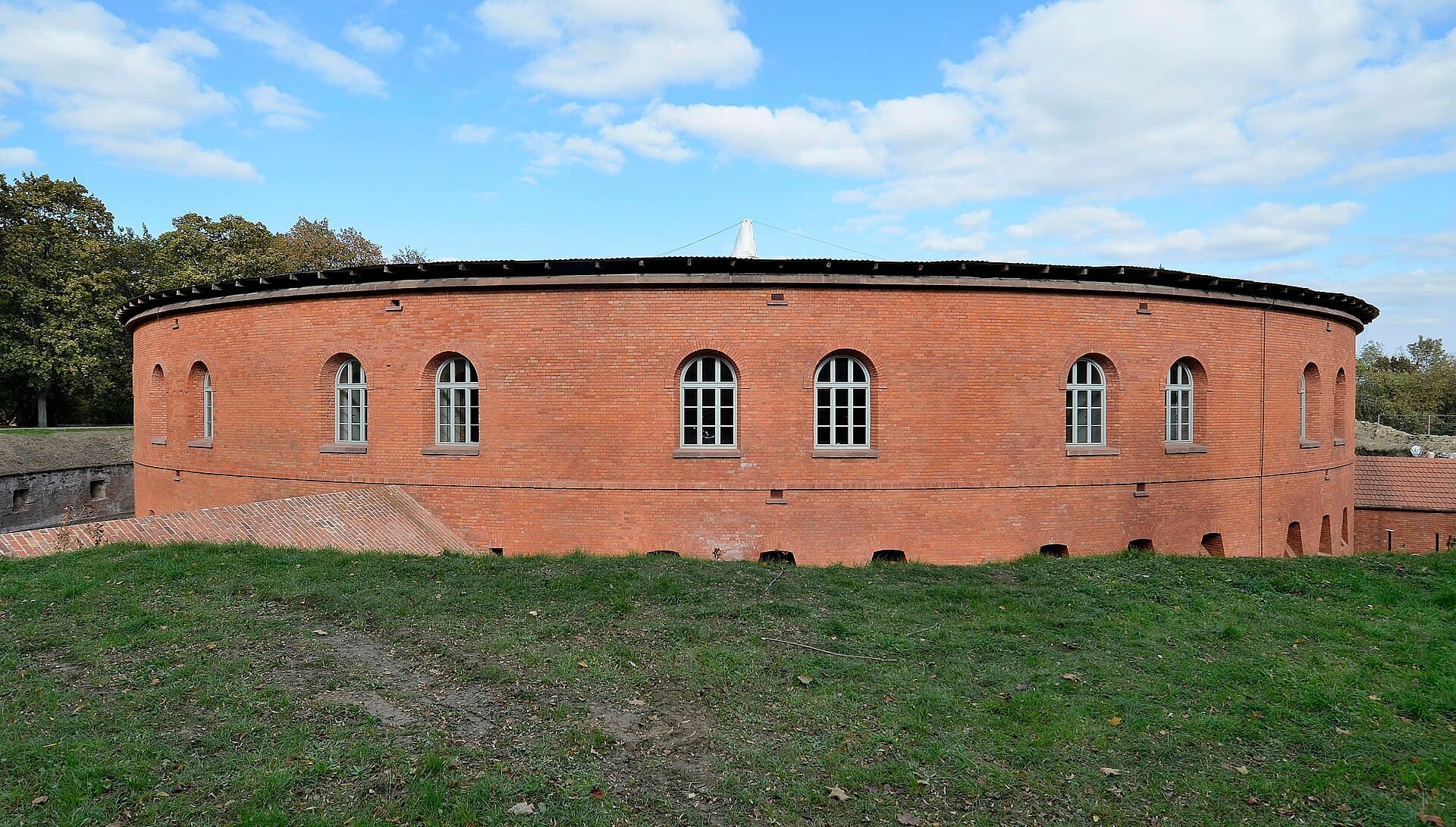 Fort LegionówA fort of the Warsaw Citadel system, built under Russian rule in the nineteenth 14 minutes walk4.6
A series of armed revolts against Russian rule in the nineteenth century, chief among them the November Uprising of 1830 and the January Uprising of 1863. All failed, and the response after each was harsher: executions, the exile of tens of thousands to Siberia, confiscation of property, and bans on the Polish language in education and administration. The citadel was built after the first, and the Tenth Pavilion filled after the second.
All three together make a full and heavy day. A suggested order: the Tenth Pavilion first, as it explains the nineteenth century, then the Katyń Museum for the twentieth, then the Army Museum, much of which is outdoors and lightens the load at the end. Take a meal break in between.