
The book smugglers
A network that carried Lithuanian books from East Prussia for forty years.
Stanislovas01 — CC BY-SA 4.0 · Barnos — CC BY-SA 4.0 · Хомелка — CC BY-SA 3.0 · Augustas Didžgalvis — CC BY-SA 4.0
A museum in the house of the poet Maironis in Kaunas old town, devoted to him and to Lithuanian literature generally. Maironis (1862–1932) is a central figure of the Lithuanian national revival. He wrote poetry in Lithuanian during a period when writing and printing in the Latin Lithuanian alphabet was officially banned under Russian rule between 1864 and 1904. Books were printed in East Prussia and smuggled across the border by carriers known as book smugglers. That ban is fundamental to Lithuania's story: forty years in which a people's language was barred from print, answered with a smuggling network and clandestine schools. Maironis wrote through those years, and his poetry became the texts of the national movement. The house is preserved with its furnishings, and the museum holds manuscripts, first editions and personal effects. A plain practical point: this is a museum of text, largely in Lithuanian, with limited English content. Anyone unfamiliar with Lithuanian literature will get considerably less from it — be honest with yourself before buying the ticket.
A network that carried Lithuanian books from East Prussia for forty years.
Maironis's poems became the texts of the national movement.
The furnishings and personal effects in place.
Old town, Kaunas
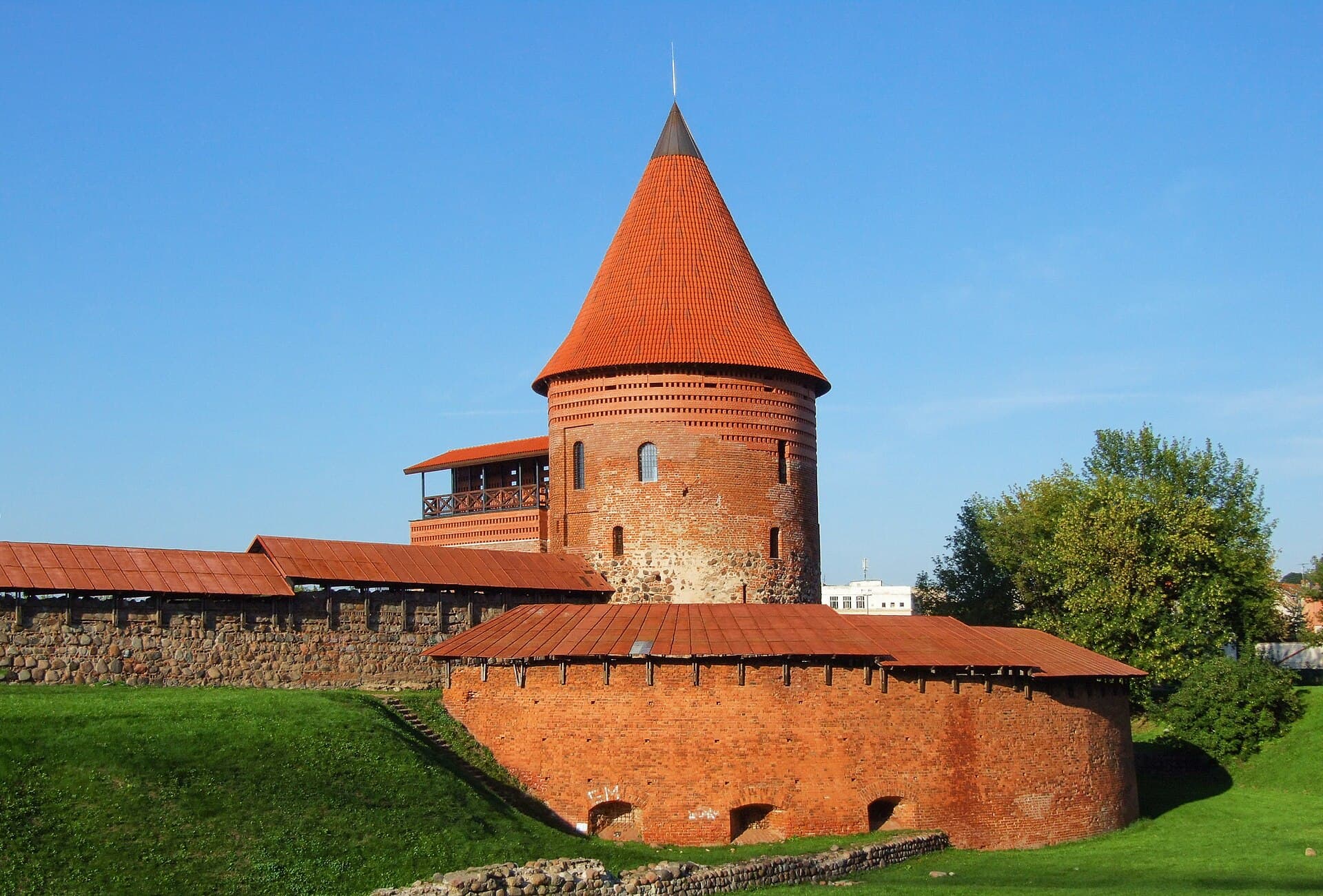 Kaunas CastleLithuania's oldest stone castle and the first thing built in Kaunas: raised in t3 minutes walk4.5
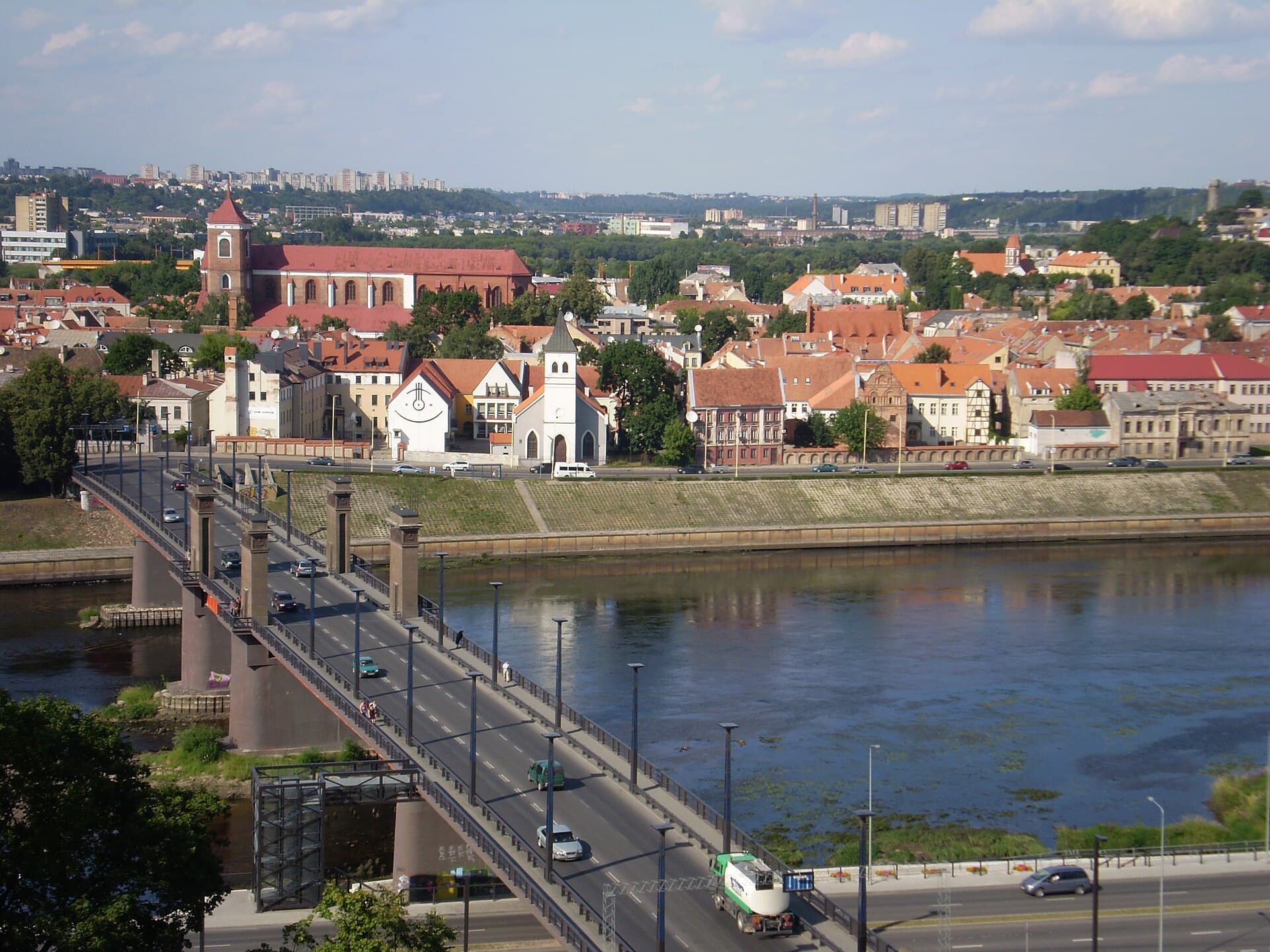 Vytautas the Great BridgeA bridge over the Nemunas linking central Kaunas with the Aleksotas district to 5 minutes walk4.8
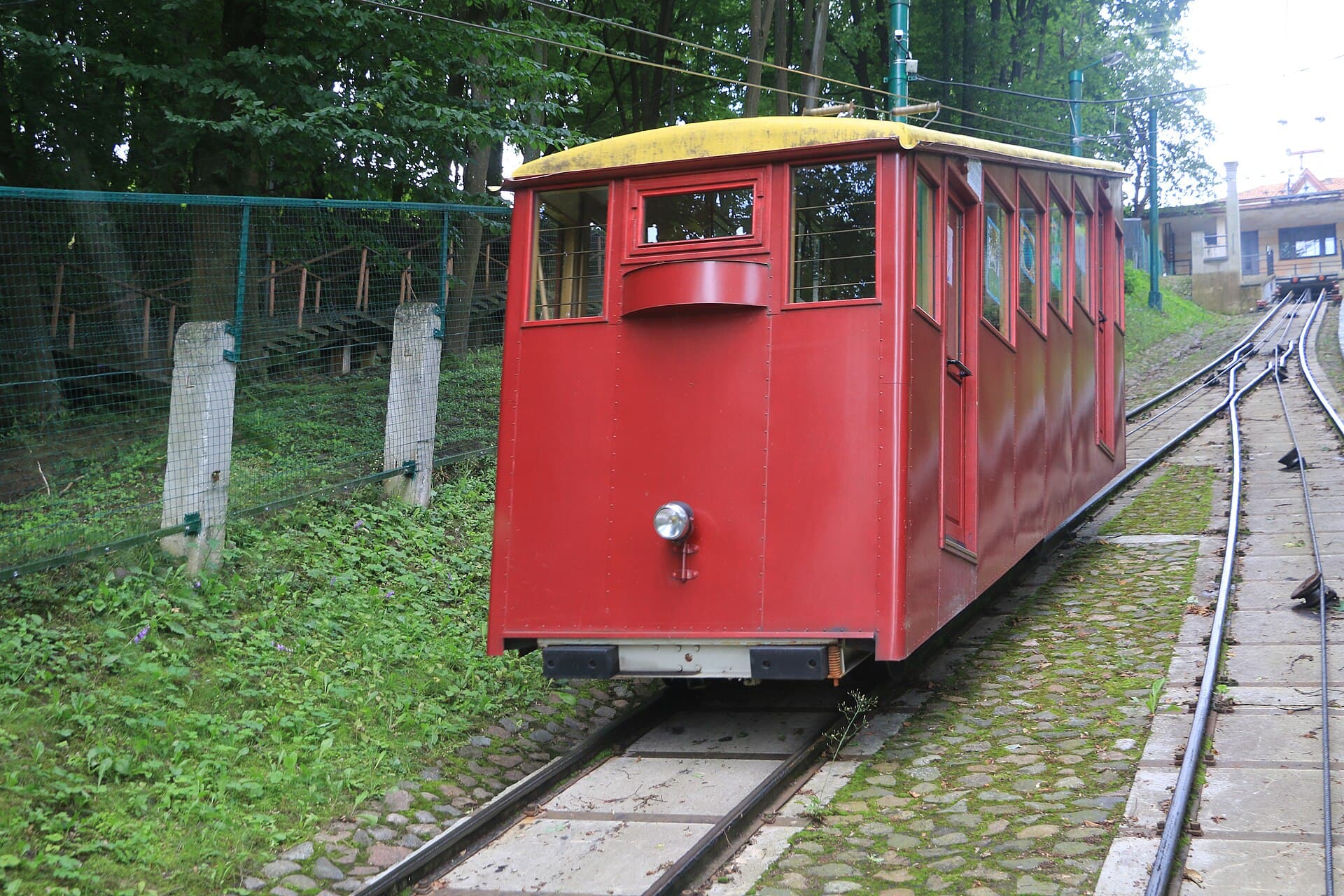 Aleksotas FunicularA funicular railway climbing the Aleksotas hill south of the Nemunas in Kaunas, 8 minutes walk4.5
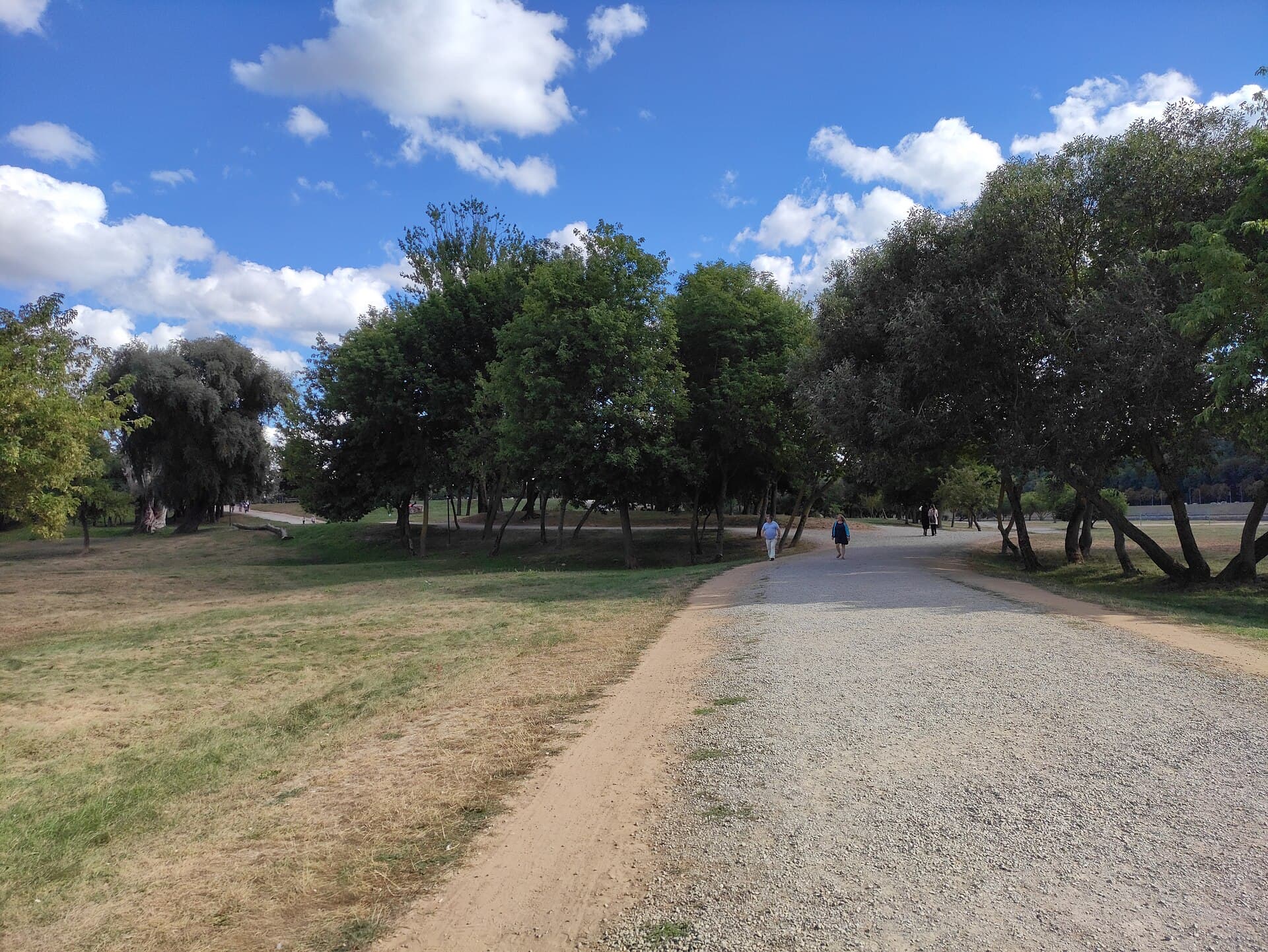 Confluence Park, Nemunas and NerisA park at the point where the Nemunas and the Neris, Lithuania's two largest riv8 minutes walk4.8
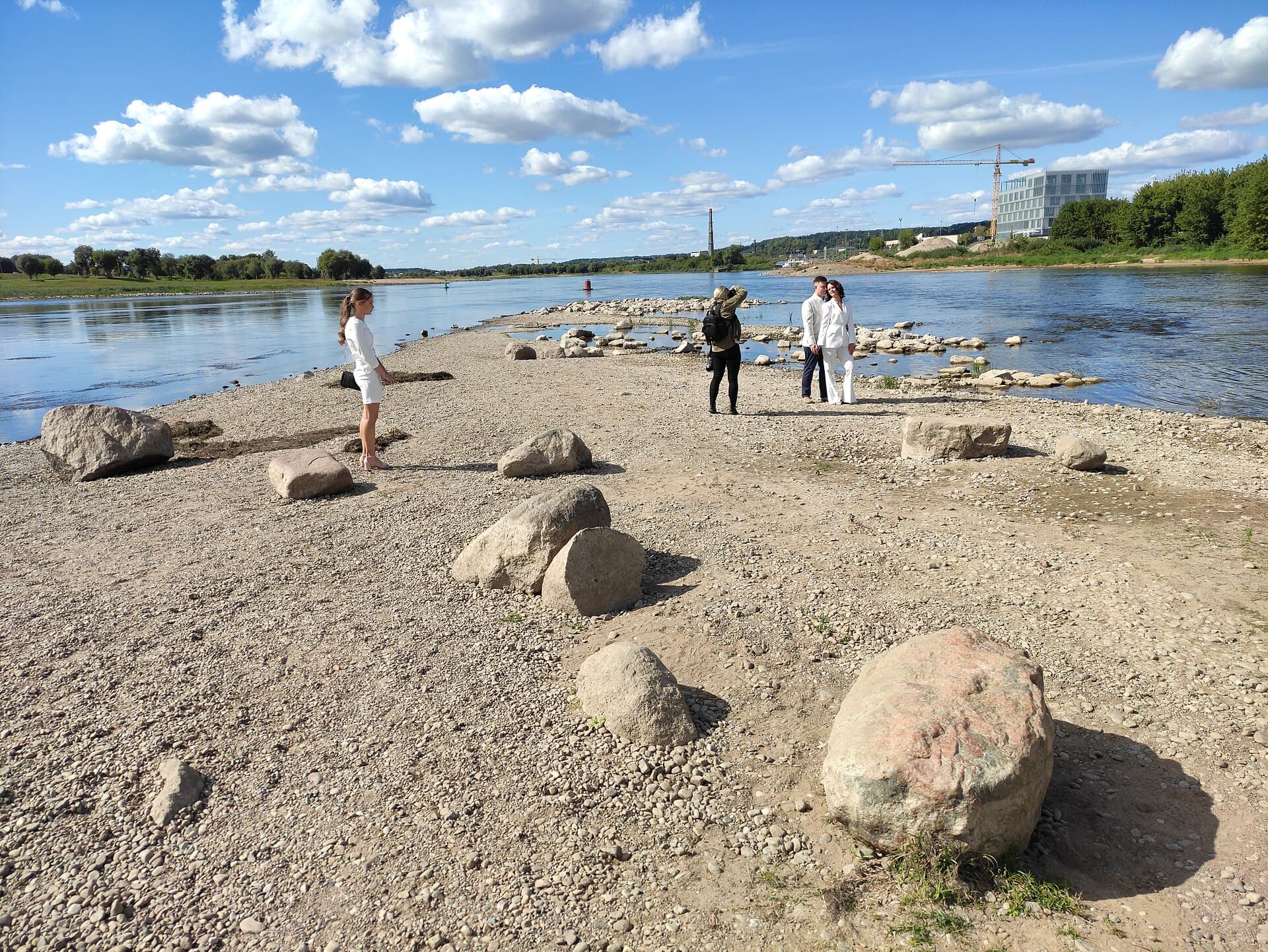 Confluence of the Nemunas and NerisThe point where Lithuania's two largest rivers — the Nemunas and the Neris — mee11 minutes walk4.9
After the 1863 uprising against Russian rule, the authorities banned printing Lithuanian in the Latin alphabet and imposed Cyrillic instead, in an attempt to Russify the population. Lithuanians refused, so books were printed in East Prussia and smuggled across the border. Thousands of book smugglers were arrested and some exiled. The ban was lifted in 1904, and the campaign is regarded as among Europe's most successful peaceful movements of cultural resistance.
Honestly, considerably less. The substance is text and manuscripts, and the house itself is the part that works without language. If the press-ban story interests you, read about it and then visit; if not, your time in Kaunas is better spent on the interwar architecture or the Čiurlionis museum.