
The line between the rivers
The water colour differs and the divide shows before they mix.
Fry72, Karel Frydrýšek — CC BY-SA 4.0 · Scotch Mist — CC BY-SA 4.0 · Fry72, Karel Frydrýšek — CC BY-SA 4.0 · Stanislovas01 — CC BY-SA 4.0
A park at the point where the Nemunas and the Neris, Lithuania's two largest rivers, meet, at the western edge of Kaunas old town. The confluence is the reason the city exists. Kaunas grew here because the meeting of two large rivers meant control of river trade in two directions, and Kaunas Castle was built on this precise point in the fourteenth century to hold it. The rivers were also the natural line of defence against the repeated raids of the Teutonic Knights from the west. The meeting itself is plainly visible: the water colour differs slightly between the two rivers, and the line between them can be seen for some distance before they mix. The park is a wide open space used for festivals and large gatherings, and has held papal masses and national song festivals. Practical points: always open and free. A short walk from the old town and Kaunas Castle. The space is exposed and can be windy, and its edges flood seasonally in spring.
The water colour differs and the divide shows before they mix.
Two large rivers meeting meant control of two routes, not one.
Song festivals and papal masses have been held in this space.
The western edge of the old town, Kaunas
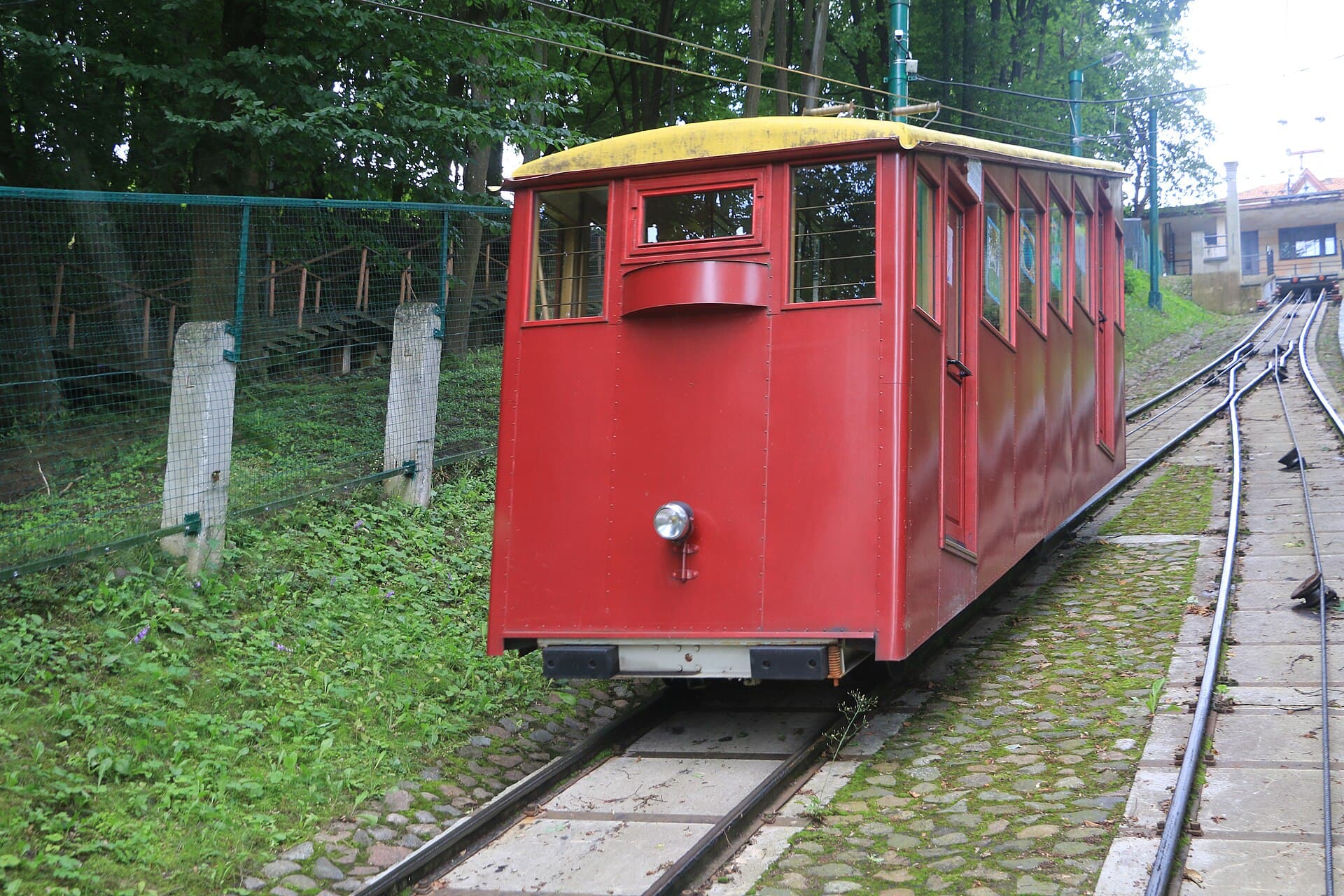 Aleksotas FunicularA funicular railway climbing the Aleksotas hill south of the Nemunas in Kaunas, 3 minutes walk4.5
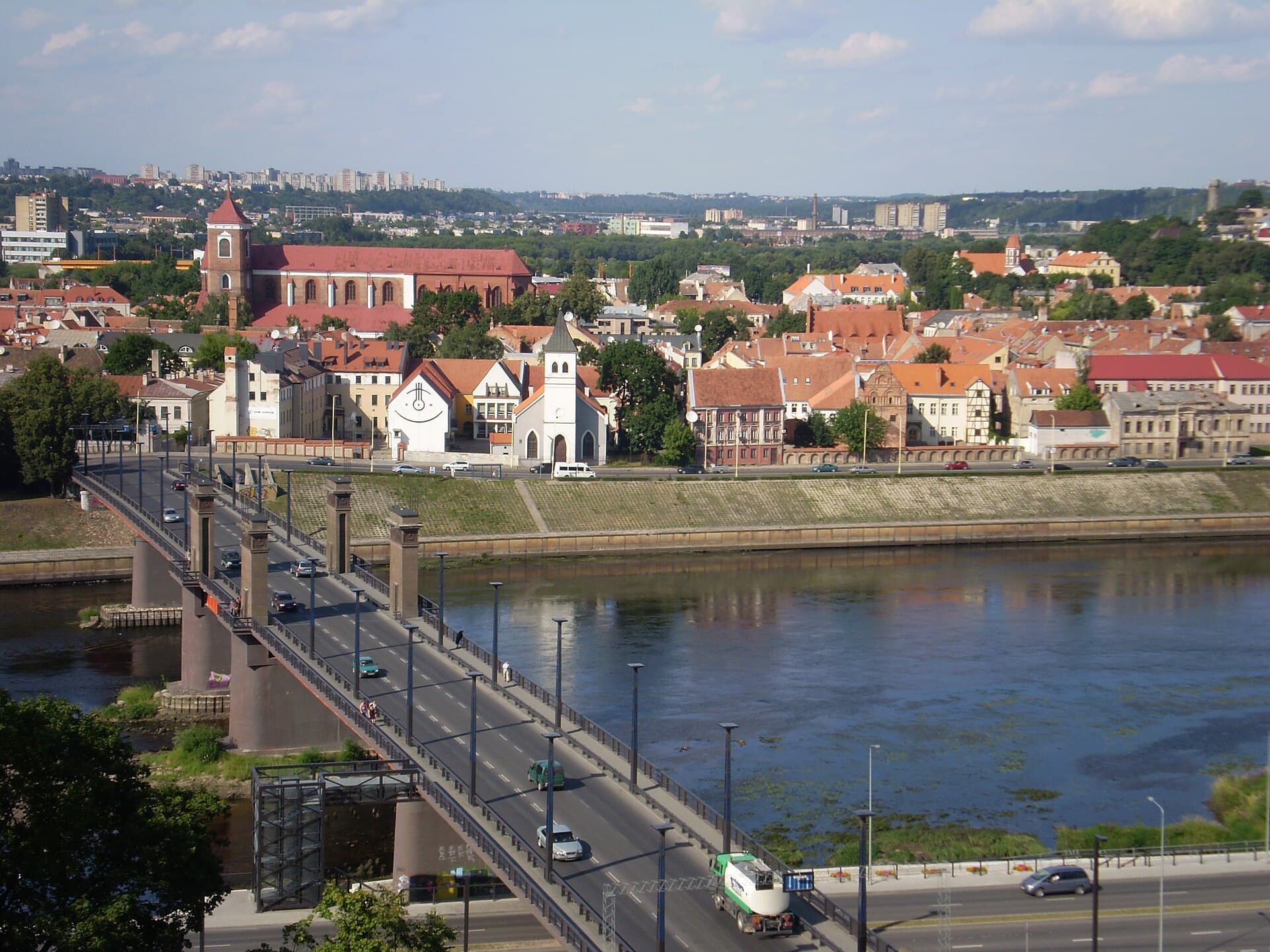 Vytautas the Great BridgeA bridge over the Nemunas linking central Kaunas with the Aleksotas district to 5 minutes walk4.8
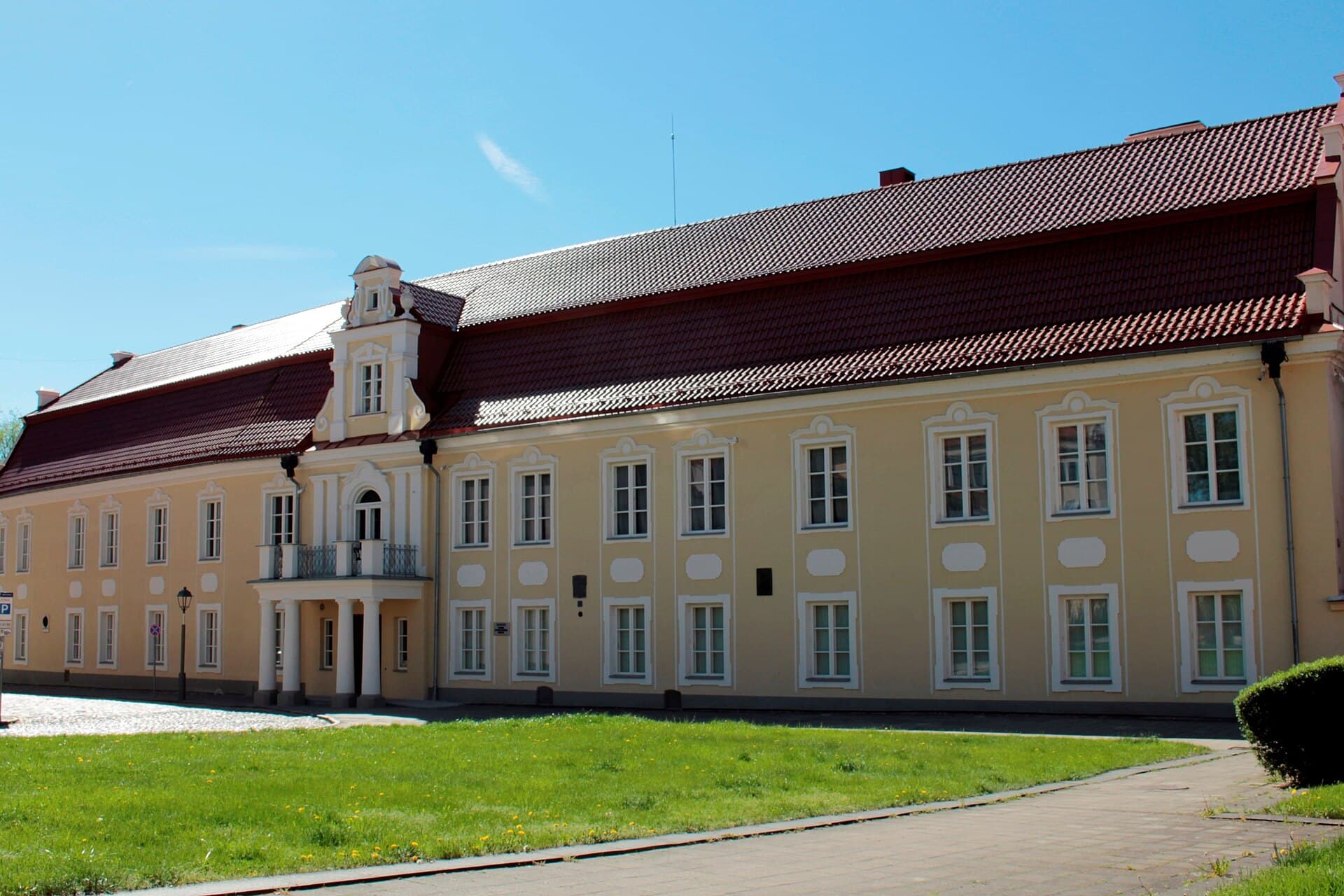 Maironis Lithuanian Literature MuseumA museum in the house of the poet Maironis in Kaunas old town, devoted to him an8 minutes walk4.6
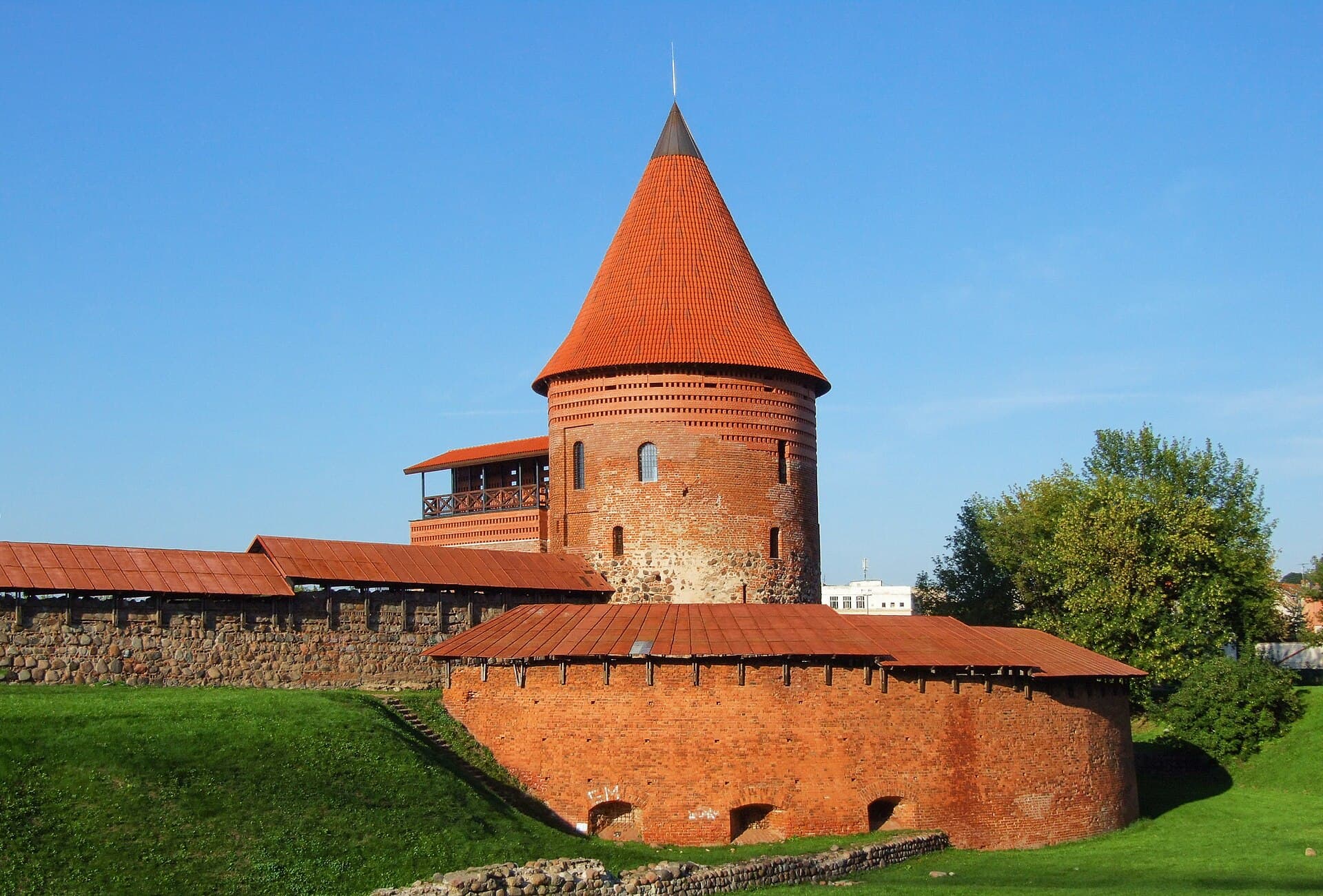 Kaunas CastleLithuania's oldest stone castle and the first thing built in Kaunas: raised in t11 minutes walk4.5
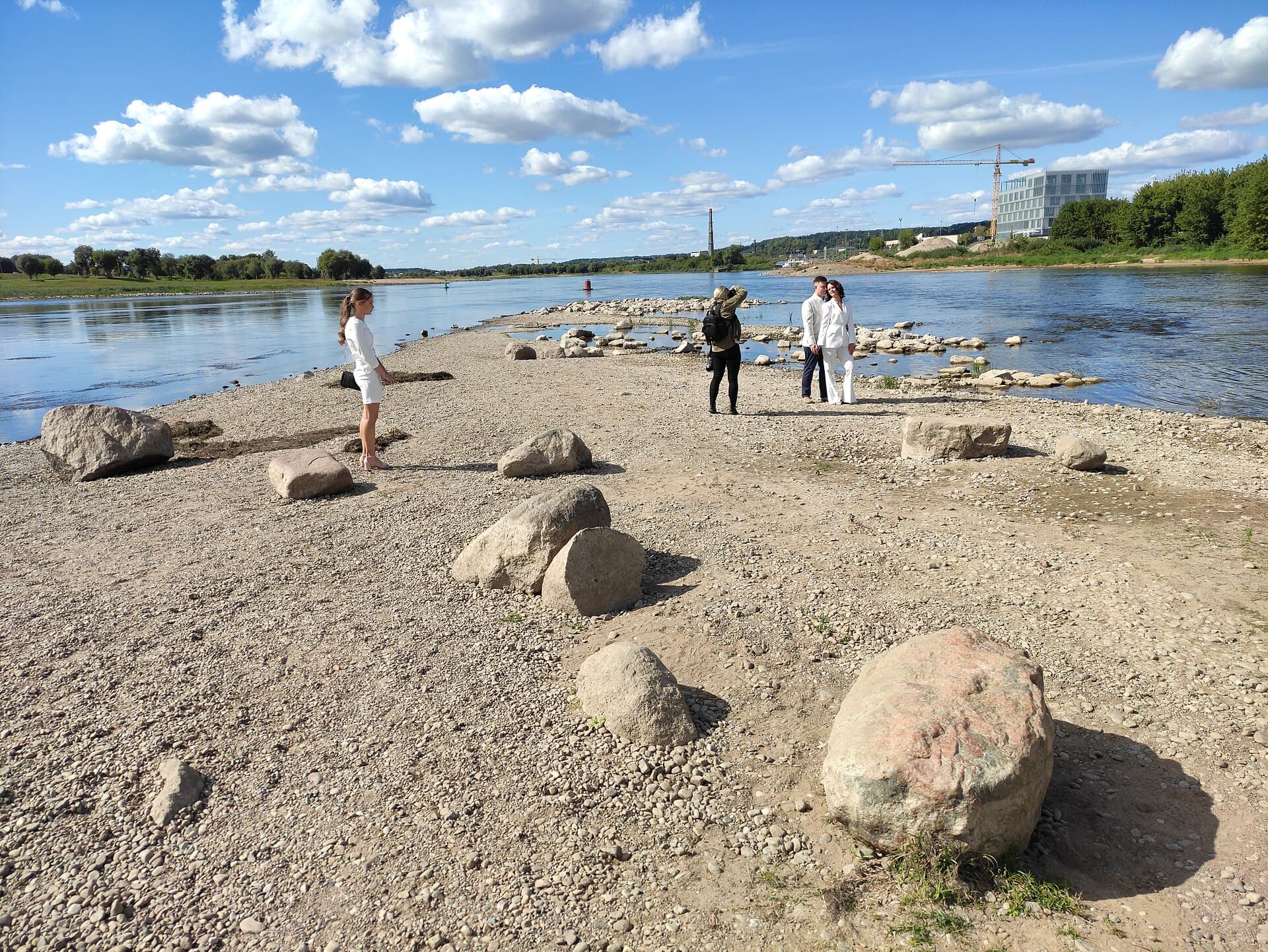 Confluence of the Nemunas and NerisThe point where Lithuania's two largest rivers — the Nemunas and the Neris — mee16 minutes walk4.9
A shared Baltic tradition across Lithuania, Latvia and Estonia: vast choral gatherings involving tens of thousands of singers. They began in the nineteenth century as a way of asserting national identity under foreign rule, and played a direct part in the independence movements of the late 1980s known as the Singing Revolution. UNESCO has listed the tradition as heritage.
Kaunas Castle metres away, the old town and Town Hall Square, and the Pažaislis monastery across the river. Kaunas is less crowded than Vilnius and easier to walk, and half a day covers its historic centre entirely.