
A line between two rivers
Their colours differ and the seam shows before they mix.
Fry72, Karel Frydrýšek — CC BY-SA 4.0 · Fry72, Karel Frydrýšek — CC BY-SA 4.0 · Fry72, Karel Frydrýšek — CC BY-SA 4.0 · dave massie — CC BY 2.0
The point where Lithuania's two largest rivers — the Nemunas and the Neris — meet at the edge of Kaunas's old town, and the reason the city exists at all. Geography explains history directly here. The confluence is a natural defensive position enclosed by water on two sides, which is why Kaunas Castle was built at it in the fourteenth century to hold off raids by the Teutonic Knights. The town grew behind the castle, and the rivers were the trade route to the Baltic. The two rivers look different: the Nemunas is wider, slower and darker; the Neris narrower and faster. Where they meet you can see the line between them for some distance before they mix. The point sits within Santaka Park, a wide green space used for festivals and gatherings, holding a monument to Pope John Paul II's visit in 1993. Practical points: the park and the point are free and always open. A short walk from the old town. The area can flood during the spring melt.
Their colours differ and the seam shows before they mix.
Water on two sides made it defensible, and the castle followed.
The rivers were the trade artery before railways and roads.
Edge of the old town, Kaunas
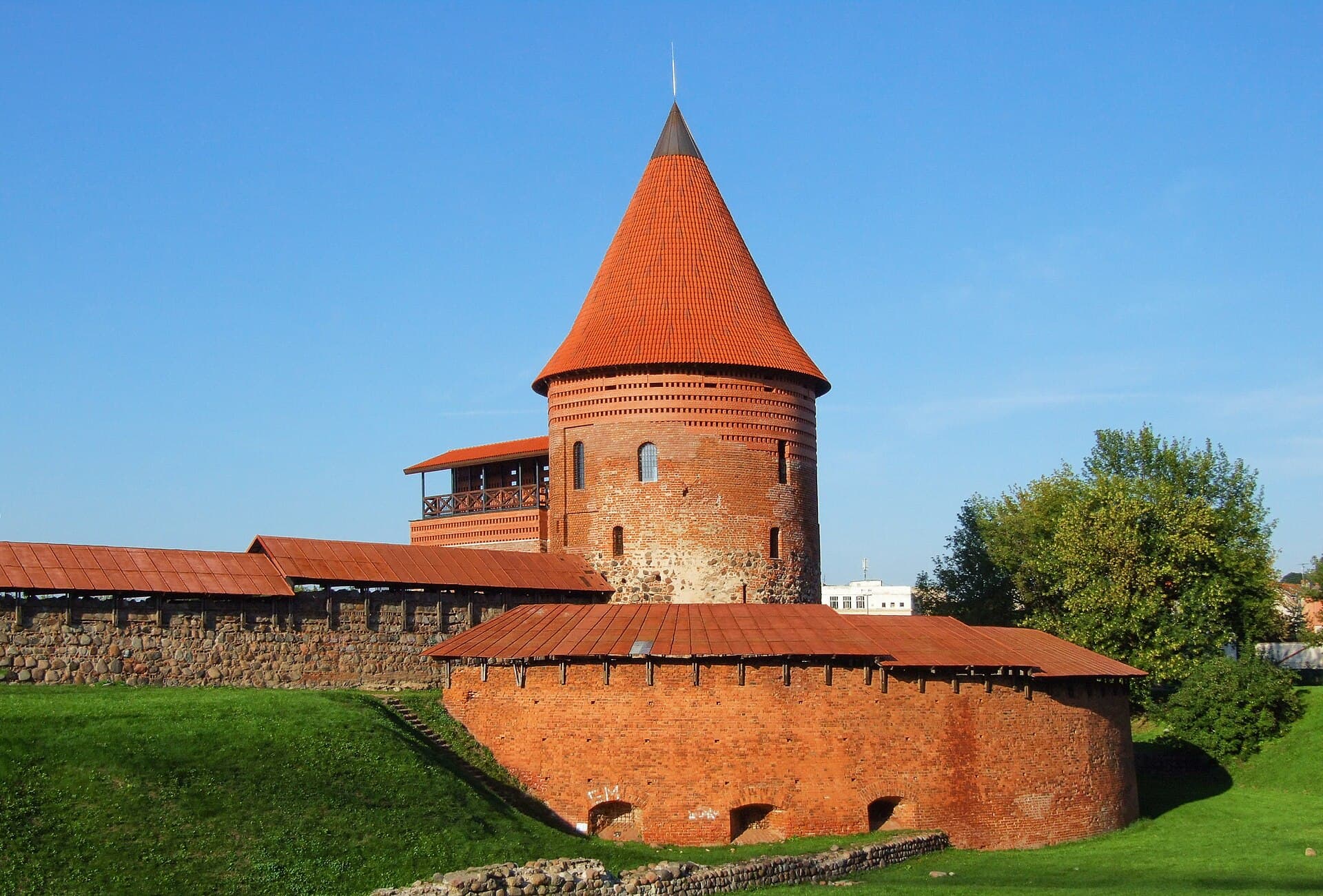 Kaunas CastleLithuania's oldest stone castle and the first thing built in Kaunas: raised in t10 minutes walk4.5
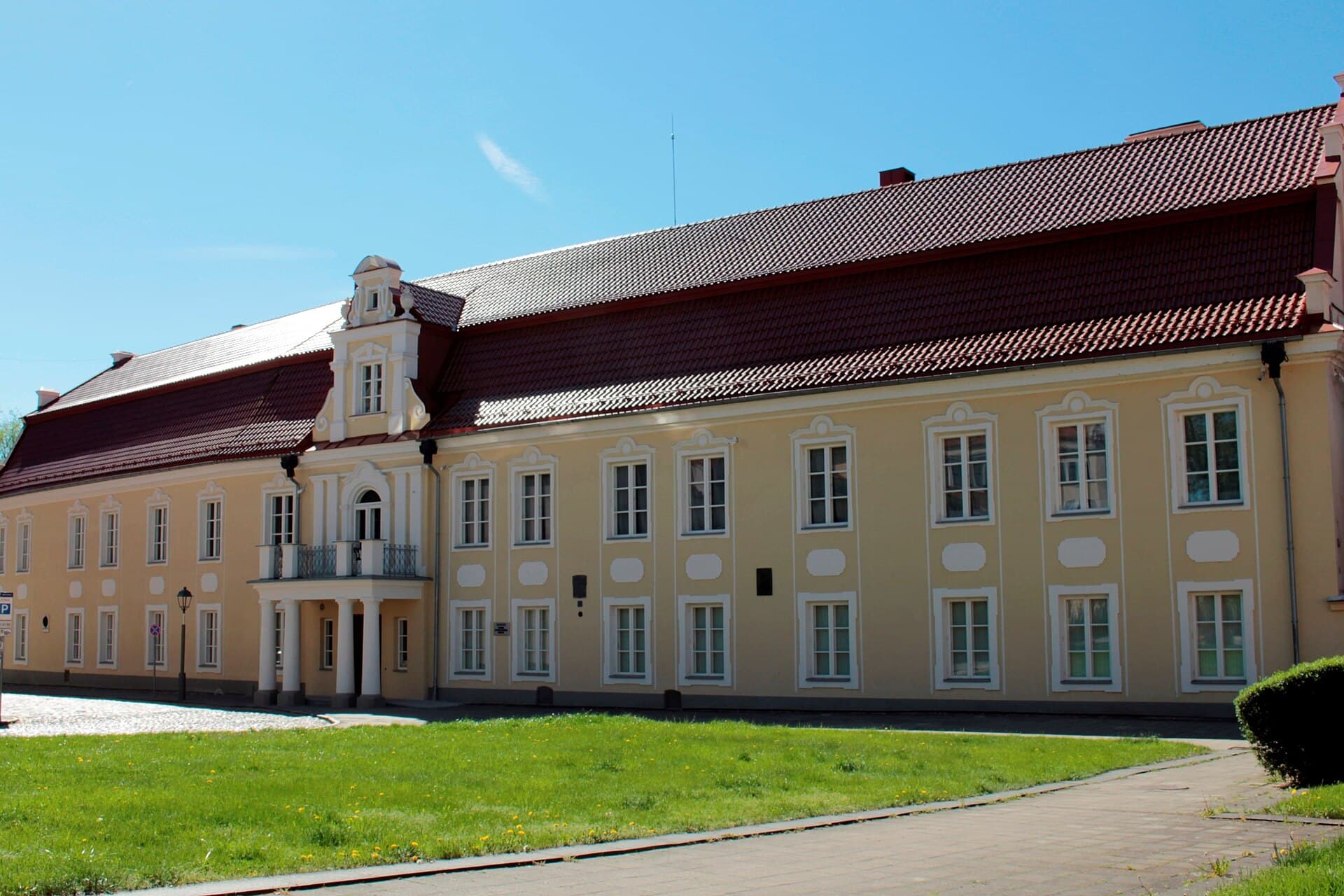 Maironis Lithuanian Literature MuseumA museum in the house of the poet Maironis in Kaunas old town, devoted to him an11 minutes walk4.6
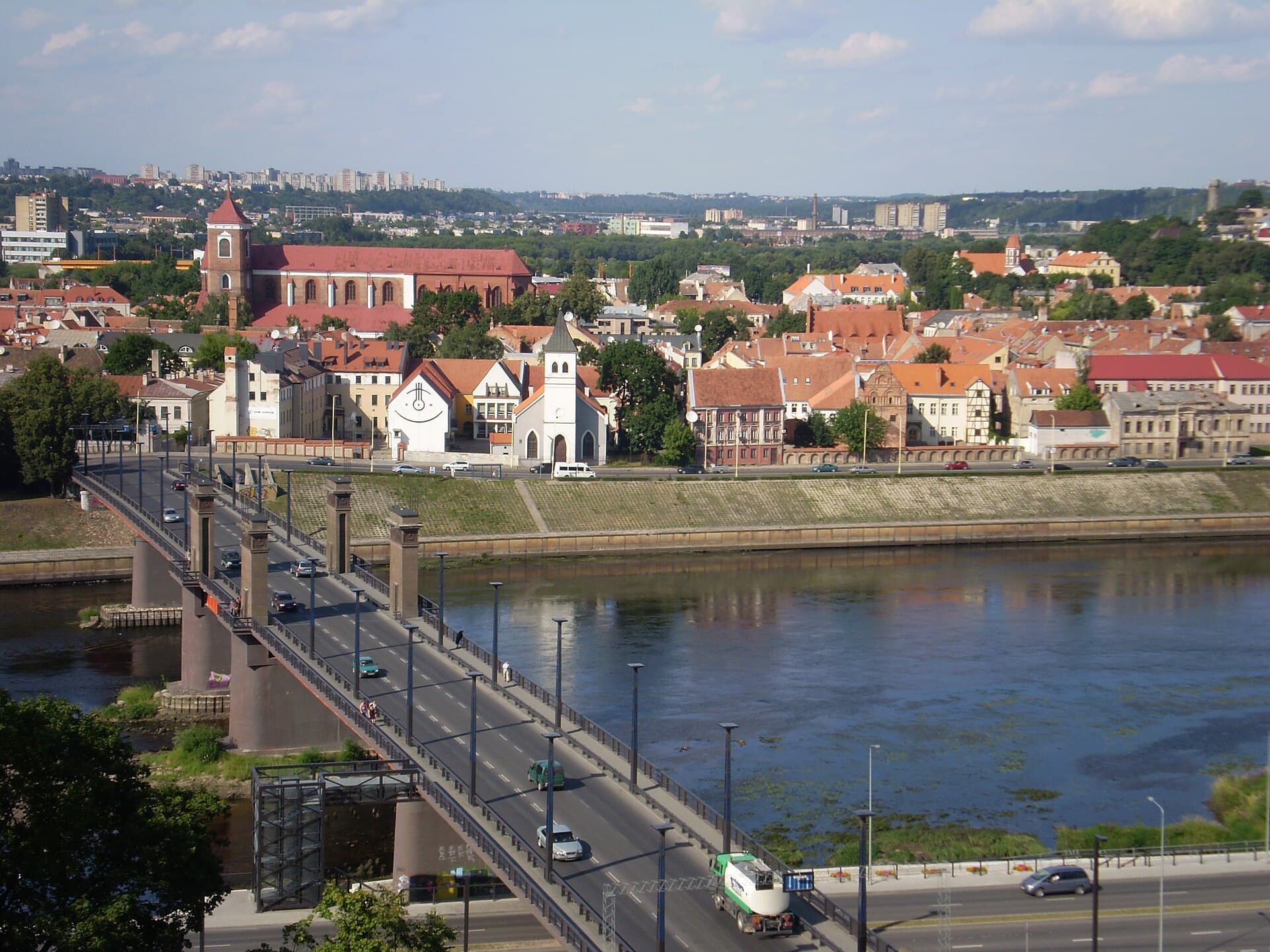 Vytautas the Great BridgeA bridge over the Nemunas linking central Kaunas with the Aleksotas district to 15 minutes walk4.8
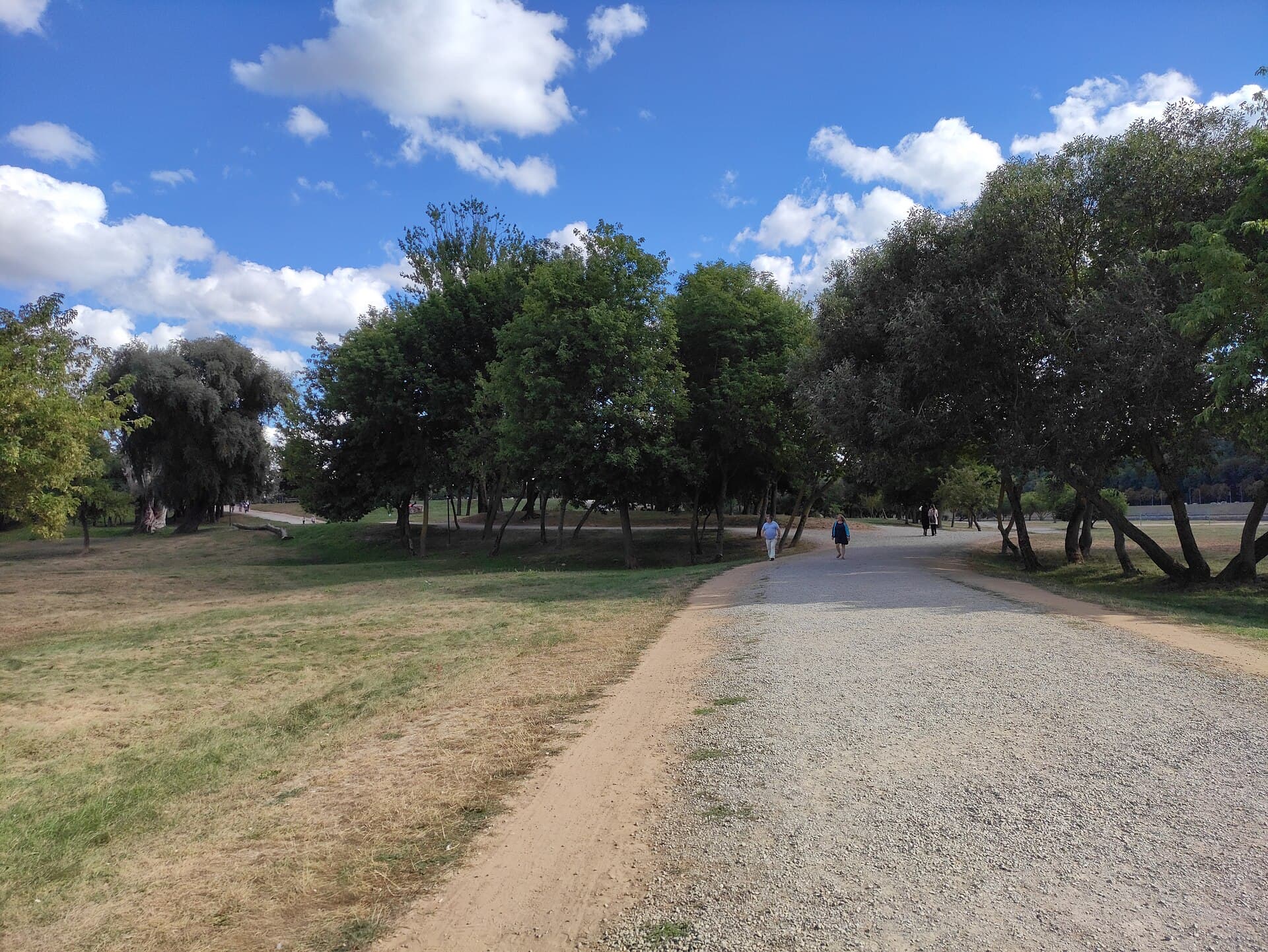 Confluence Park, Nemunas and NerisA park at the point where the Nemunas and the Neris, Lithuania's two largest riv16 minutes walk4.8
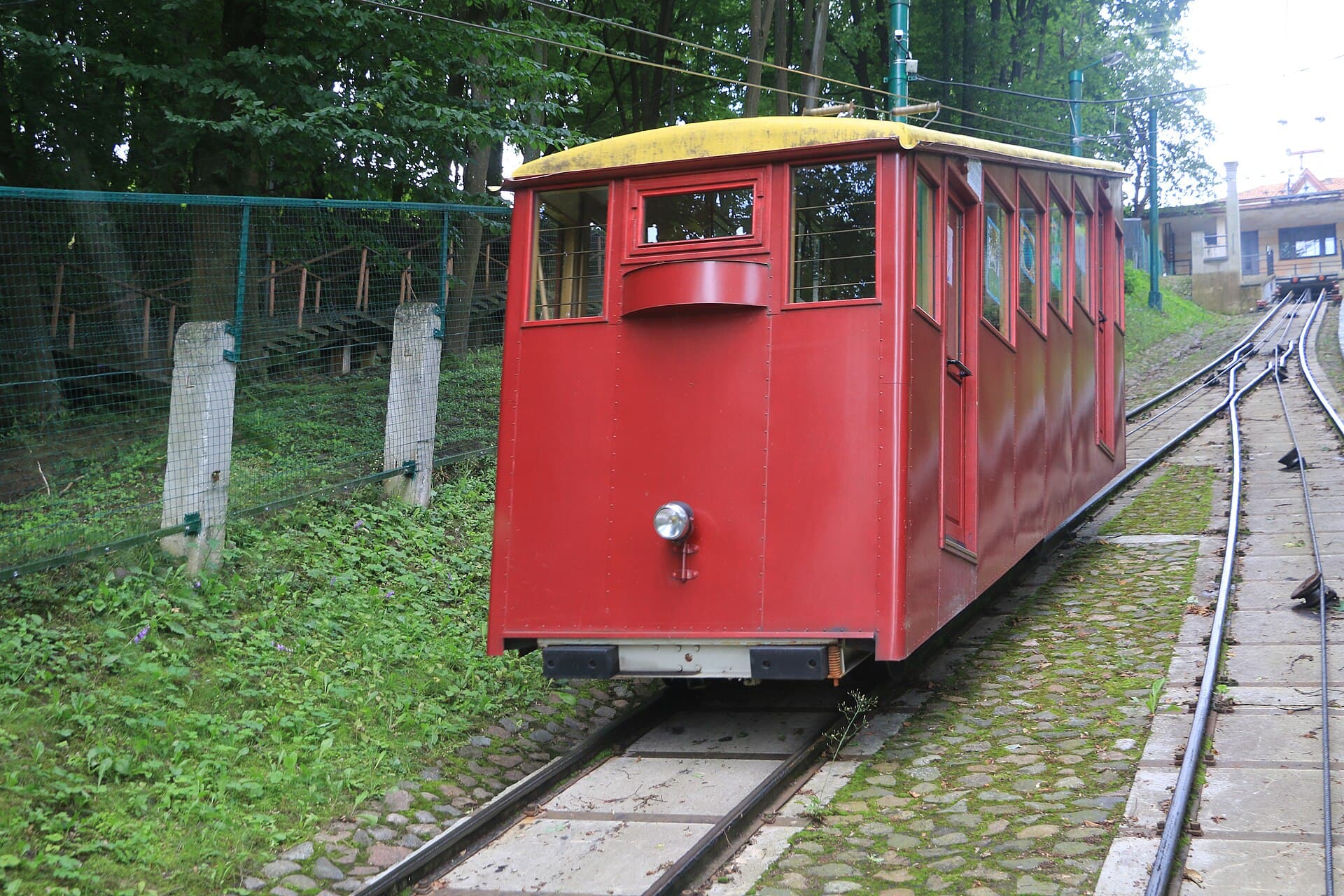 Aleksotas FunicularA funicular railway climbing the Aleksotas hill south of the Nemunas in Kaunas, 17 minutes walk4.5
A Catholic military order founded in the twelfth century that established itself on the Baltic coast and campaigned for centuries against then-pagan Lithuania. Lithuania was the last pagan state in Europe and adopted Christianity in 1387, and castles like Kaunas were built specifically to resist those campaigns. The order was decisively defeated at Grunwald in 1410.
Kaunas Castle metres away, the oldest stone castle in Lithuania, then the old town and the town hall square behind it. All three are within a short walk and make half a day in old Kaunas.