
The gilded hall
Four tiers of boxes under a vast chandelier — among the world's loveliest halls.
Avda — CC BY-SA 3.0 · Nakonana — CC BY-SA 4.0 · Nakonana — CC BY-SA 4.0 · Lupus in Saxonia — CC BY-SA 4.0
The Semperoper is by broad consent Germany's most famous and most beautiful opera house, and its façade on Theaterplatz is Dresden's leading image. It carries the name of its architect Gottfried Semper, who built it twice — the first burned — before his professional heirs rebuilt it a third time after the war's total destruction, reopening it in 1985 exactly as it had been. Wagner's and Strauss's great operas premiered here, and the interior lives up to that history: foyers, staircases, ceiling paintings, a vast chandelier and a four-tiered gilded hall. Daytime guided tours — in English too — take you through it all without a performance ticket. For the full experience, some evening performances cost less than you would expect, and the sight of the hall lit with its audience is a keepsake memory. The building stands between the Zwinger and the river — all of old Dresden within steps.
Four tiers of boxes under a vast chandelier — among the world's loveliest halls.
Ceiling paintings, marble and gold restored exactly after total destruction.
Raised, burned, raised, destroyed, raised again — Dresden's stubbornness in one building.
The façade with King Johann's statue, palace and church around — the city's grandest square.
Theaterplatz 2, 01067 Dresden
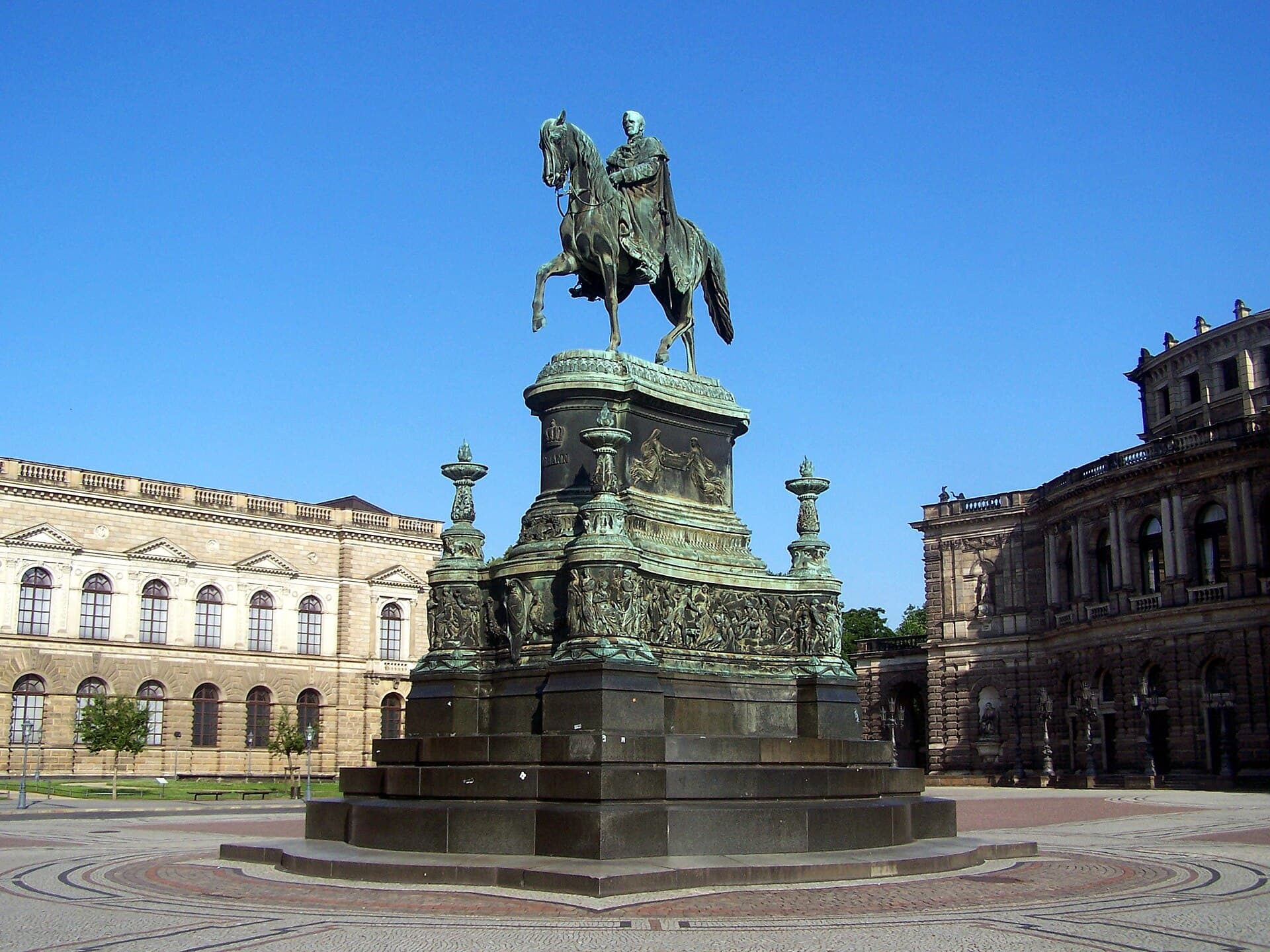 The King Johann MonumentAn equestrian statue of King Johann of Saxony standing on the Theaterplatz direc1 minute walk4.9
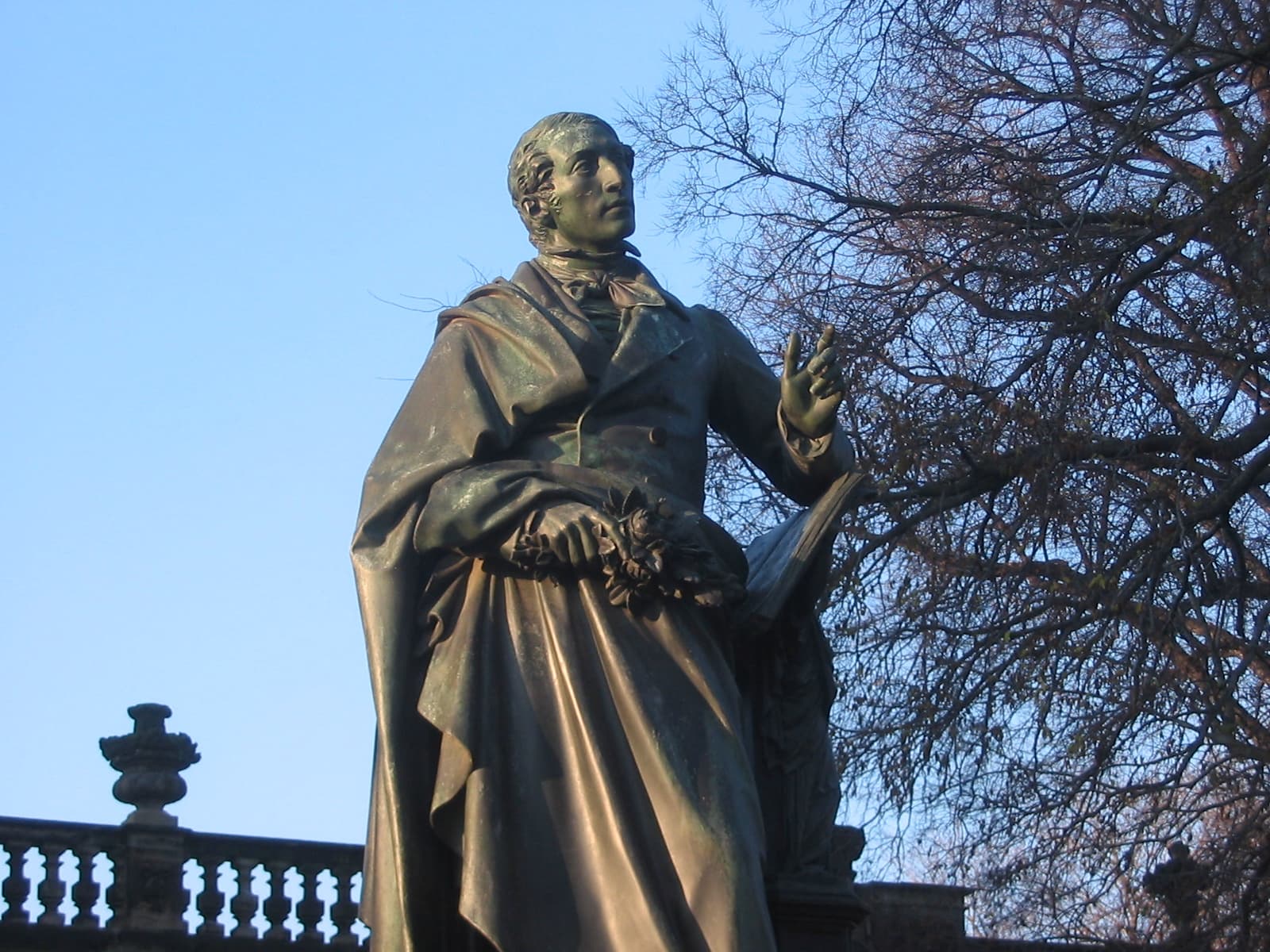 The Carl Maria von Weber MonumentA bronze statue in front of Dresden's Semper Opera House, to the composer Carl M1 minute walk4.9
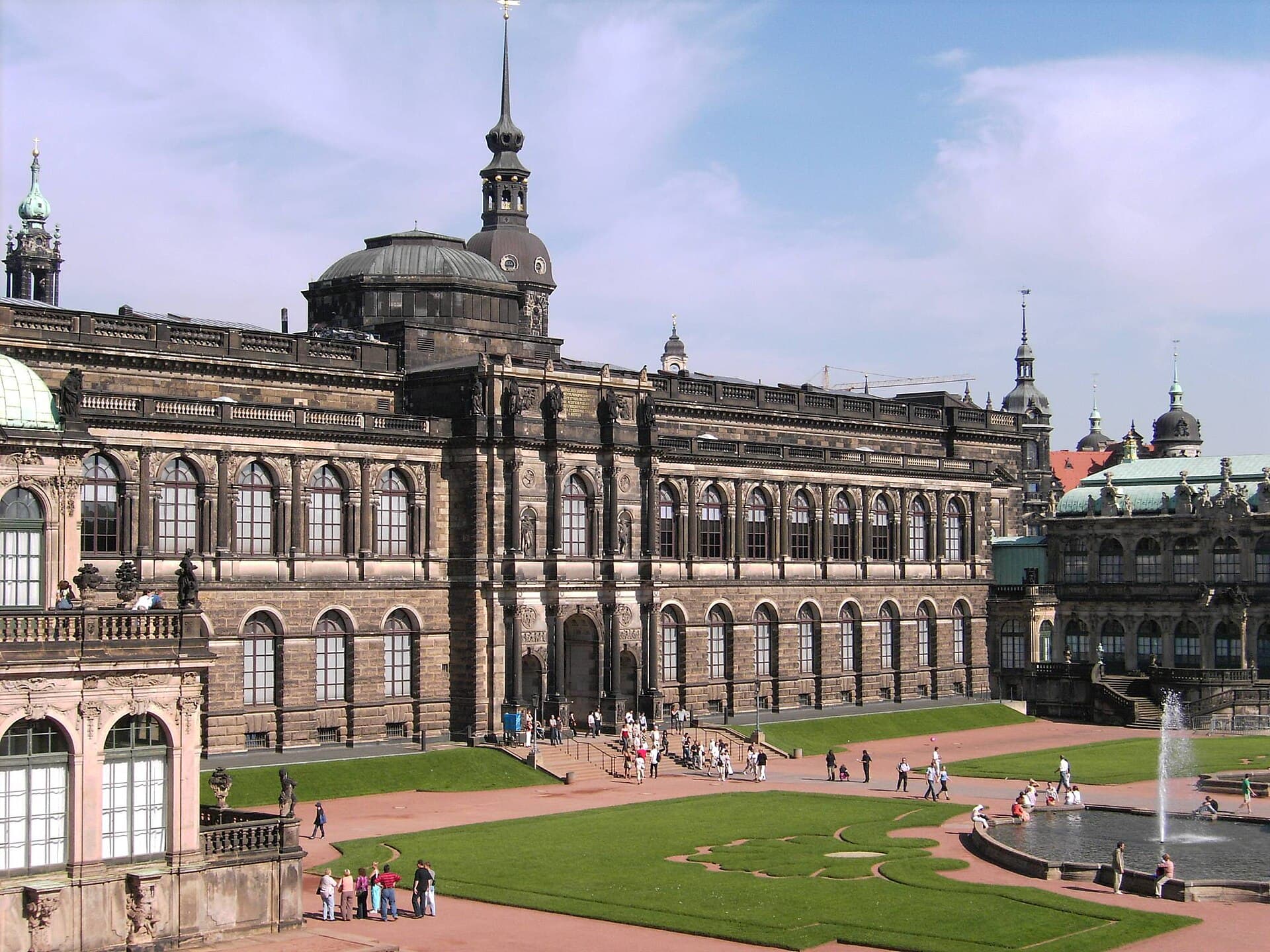 Old Masters Picture GalleryThe Old Masters Picture Gallery is one of Europe's most important painting colle2 minutes walk4.7
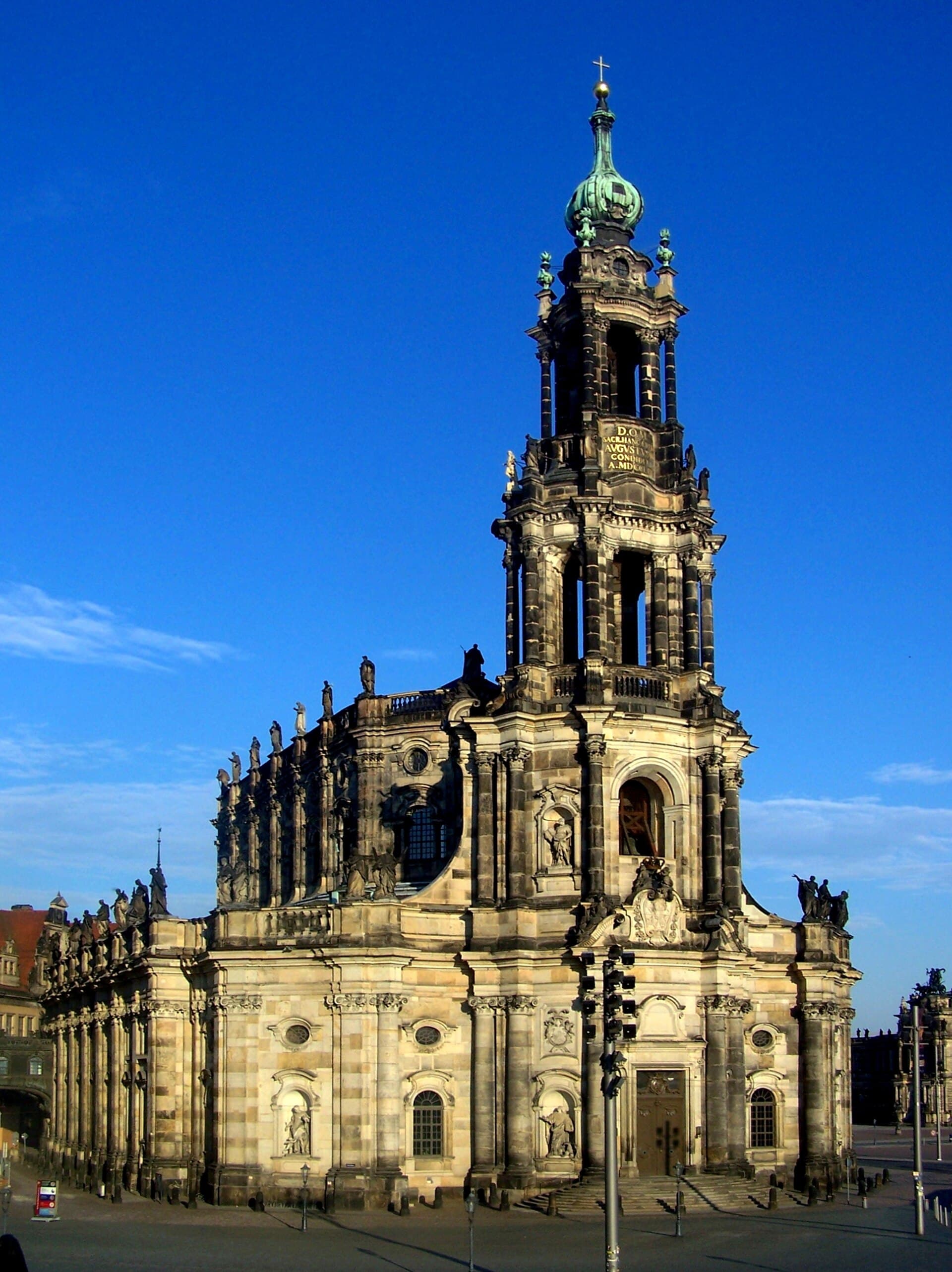 Dresden CathedralDresden Cathedral, also known as the Court Church, is the largest church in Saxo2 minutes walk4.9
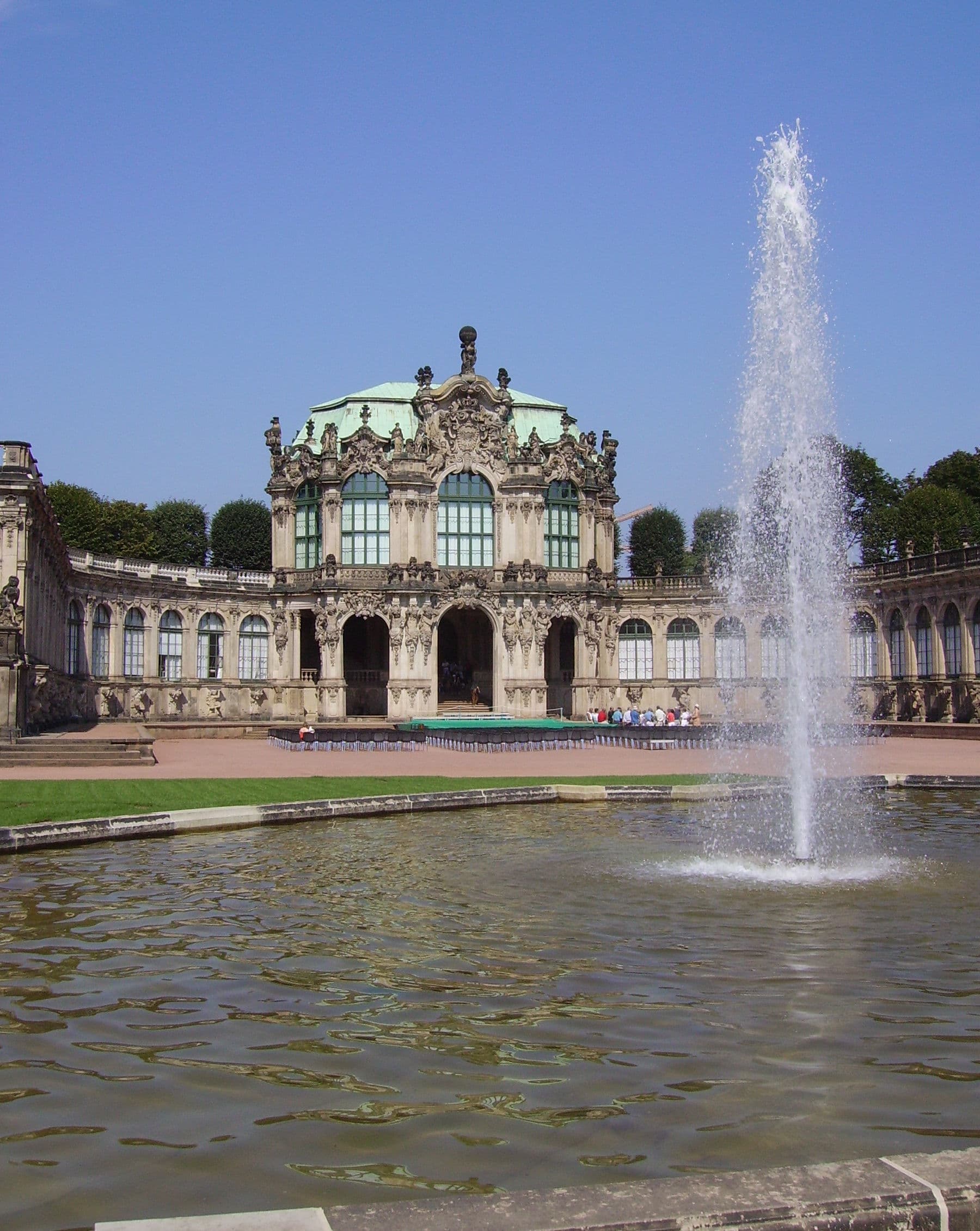 Zwinger PalaceThe Zwinger is Dresden's best-known building, a baroque complex put up between 12 minutes walk4.6
If you have to ask: the tour — a comfortable daytime English hour that shows you everything. The evening is for those who can sit a full opera in German or Italian — rewarded with an atmosphere no tour gives. Doing both is the ideal.
The daytime tour, yes — a golden palace with a fire-and-rebirth story that retells easily. Full evening operas are not for the young; family shows and ballets are the good exception.
Tours at the side desk or the official site; performances on the opera's site — and book early for anything in December and the festive season. Last-minute tickets sometimes appear at the box office an hour before curtain.