
An 1859 bandstand
An iron bandstand at the centre, from the same period as the layout.
CC BY-SA 3.0 · Trougnouf (Benoit Brummer) — CC BY 4.0 · Jaronax — CC BY-SA 3.0 · Jaronax — CC BY-SA 3.0
A public park in central Bruges laid out in the romantic English manner, created in the nineteenth century on ground formerly held by a Franciscan friary demolished after the French Revolution. The design belongs to that period: curving paths, a small pond, large trees and an iron bandstand of 1859 at the centre. The park carries the name of Queen Astrid, the Belgian queen who died in a car accident in 1935 and was widely loved. Its value to a visitor is purely practical: Bruges is small and congested, and its central green space is scarce. This park is the nearest place to sit and rest between visits without leaving the historic centre, and it is used mainly by residents. Entry is free and the hours follow daylight. It needs no planning — it is a rest stop rather than a destination.
An iron bandstand at the centre, from the same period as the layout.
Bruges is congested with little green space — this is the closest to the centre.
Used more by people from Bruges than by visitors, which is part of its calm.
East of the historic centre, Bruges
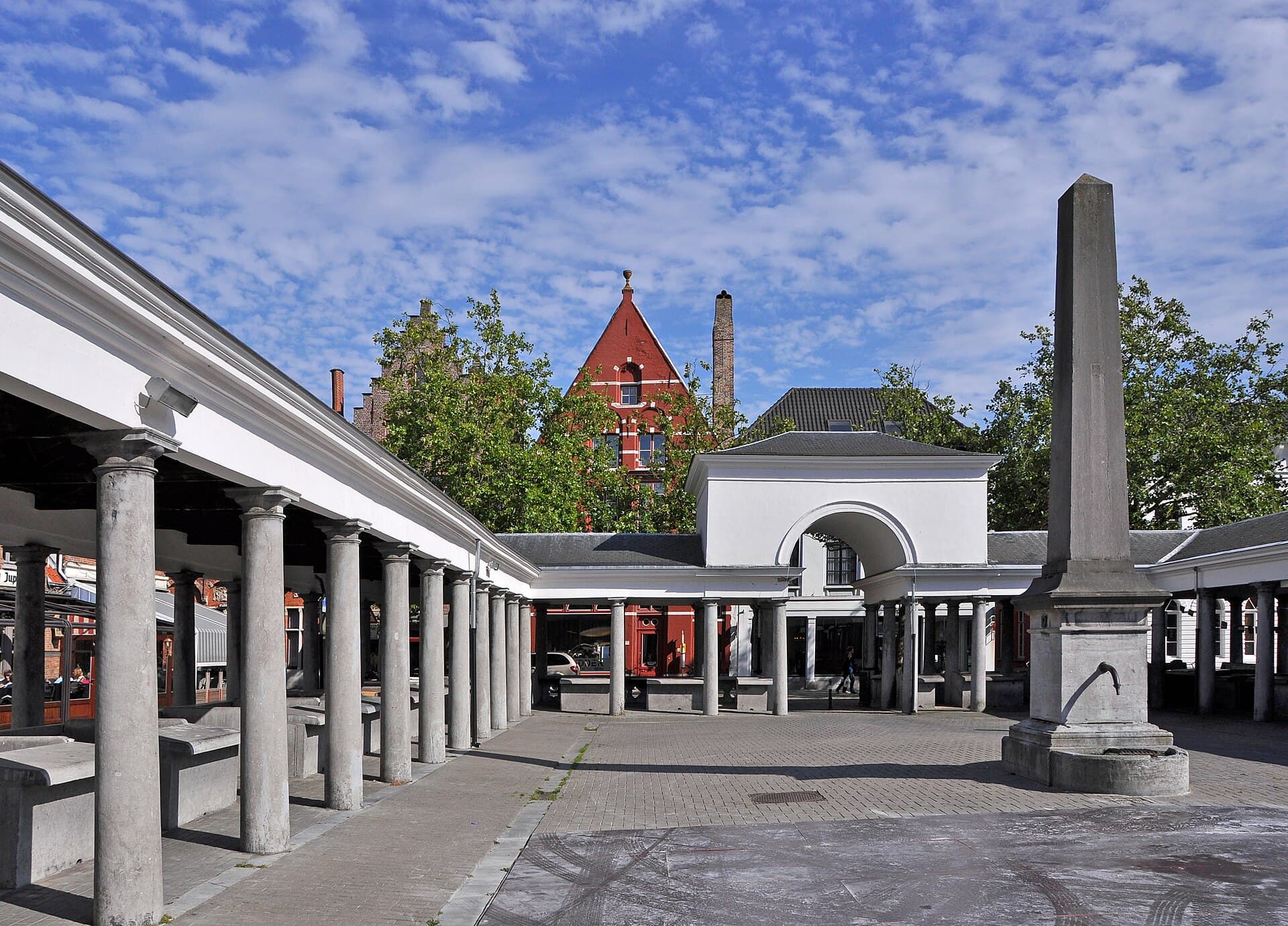 Vismarkt (Fish Market)A colonnaded market square in central Bruges, built in 1821 to move the fish tra3 minutes walk4.1
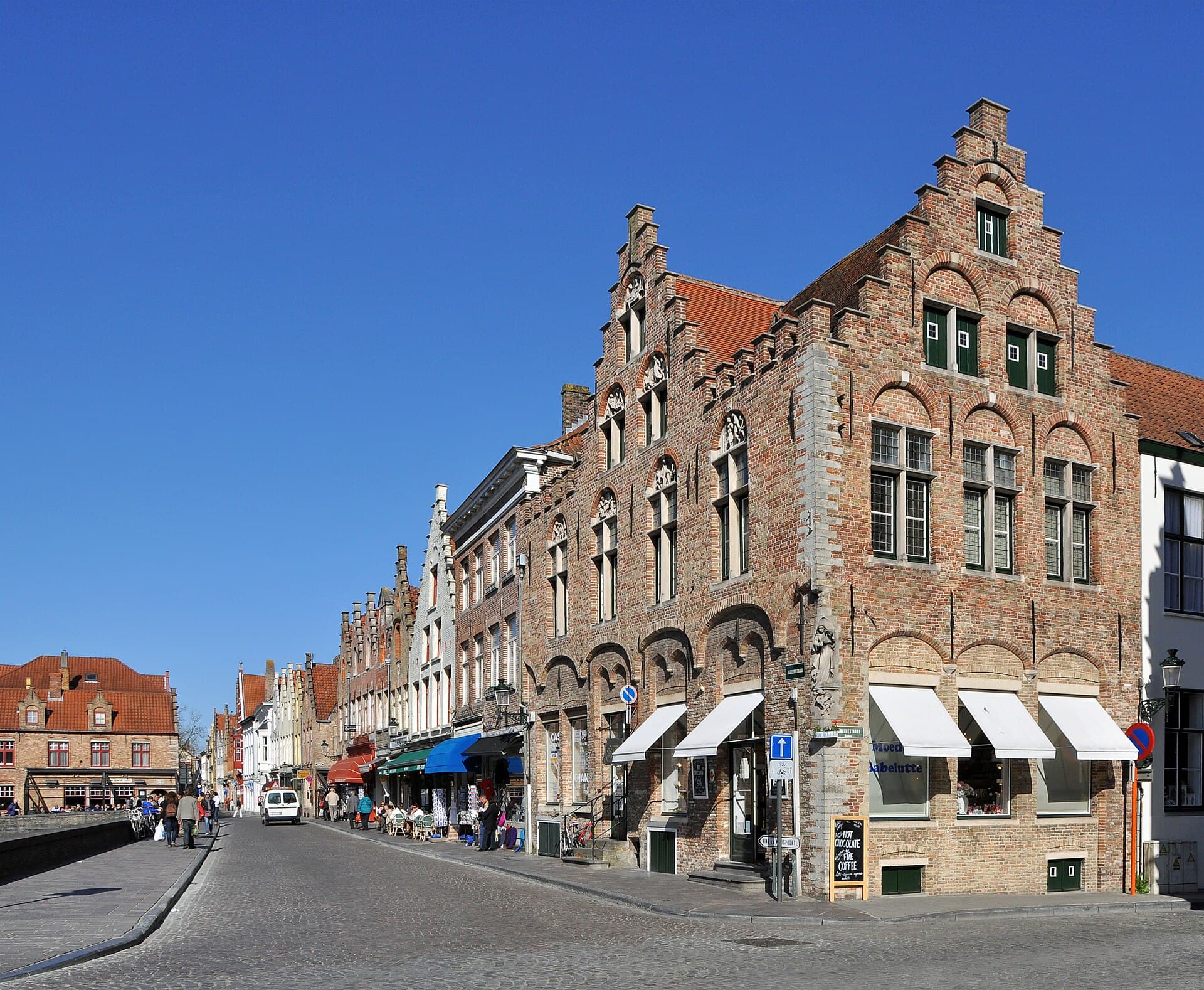 RozenhoedkaaiThe Rozenhoedkaai ("Rosary Quay") is Bruges' most famous and most photographed v3 minutes walk4.7
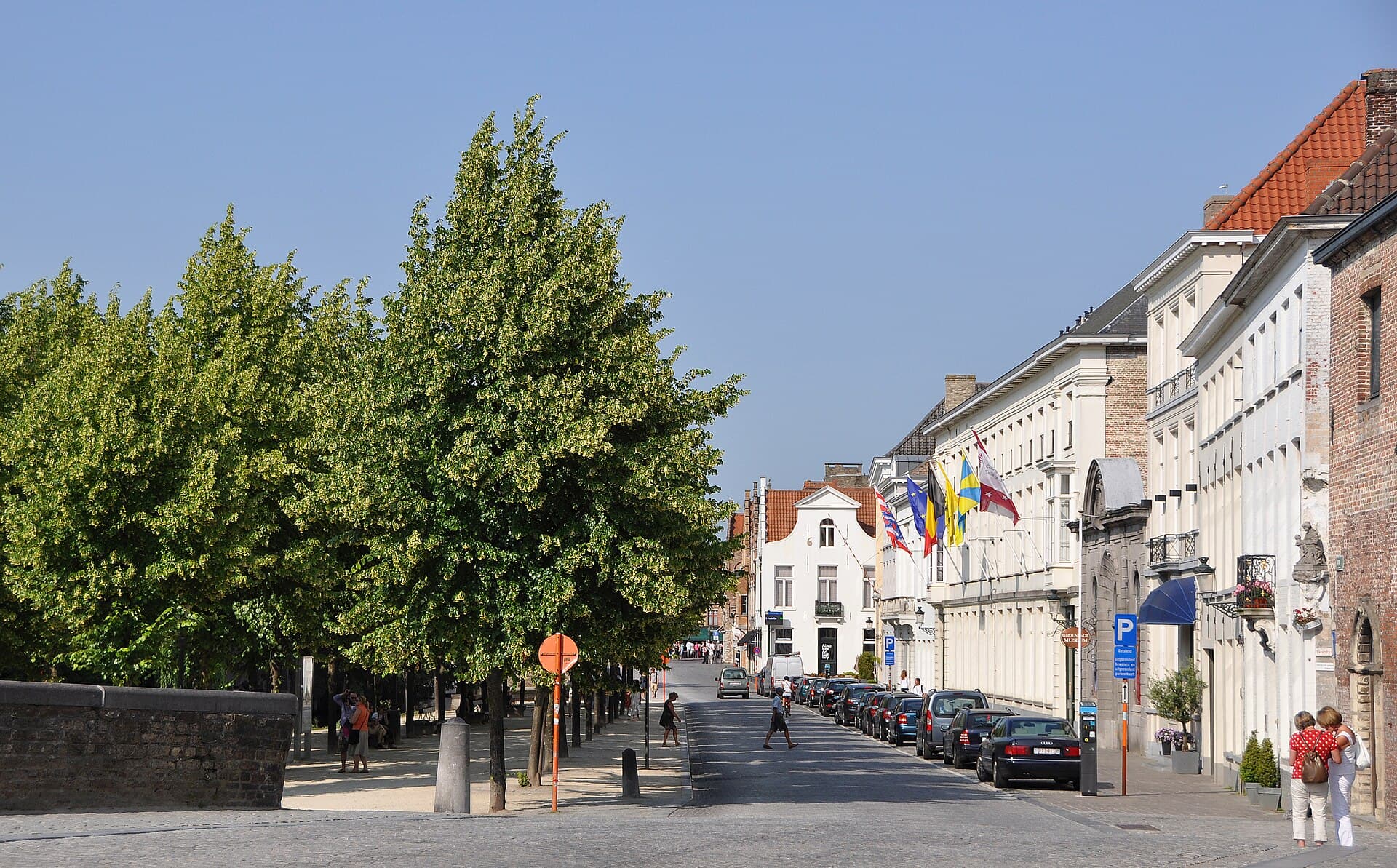 Groeninge MuseumThe Groeninge Museum is Bruges' fine-arts museum and the home of the "Flemish Pr4 minutes walk4.5
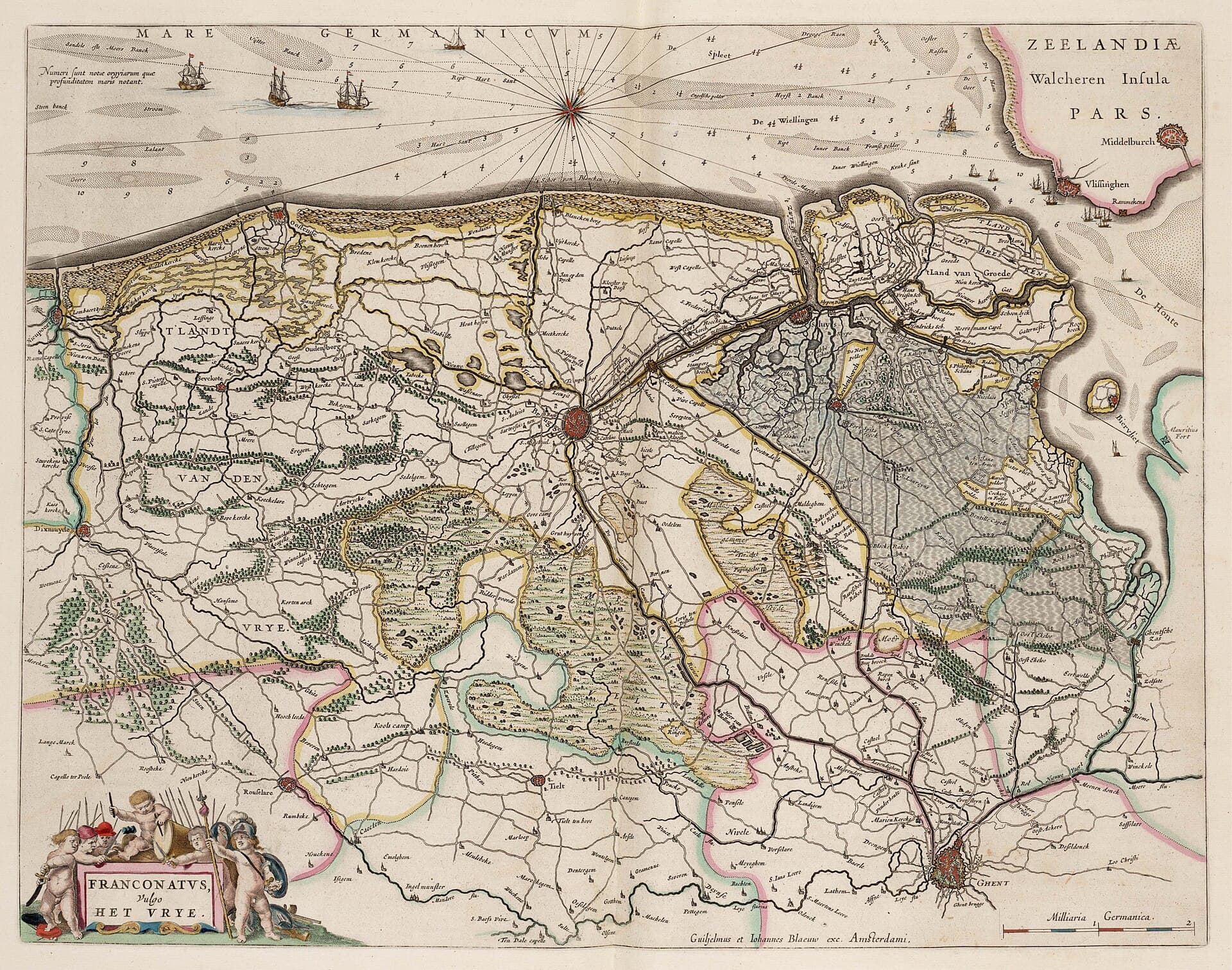 Brugse Vrije PalaceA building on the Burg Square that served as the seat of the Brugse Vrije, a lar4 minutes walk4.4
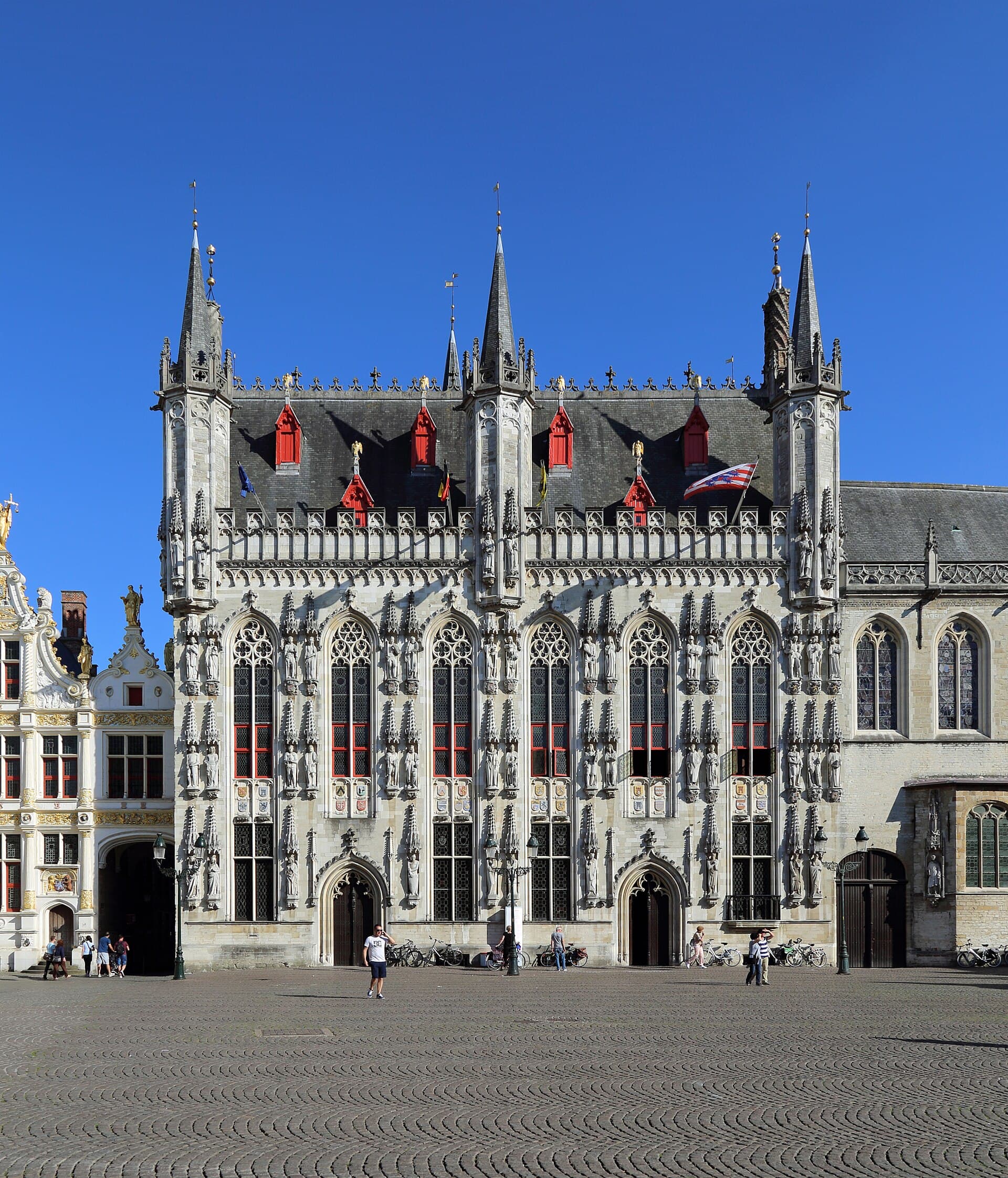 Bruges City HallBruges' City Hall is among the oldest town halls in the Low Countries (1376–14215 minutes walk4.5
Not as a destination in itself. Treat it as a rest stop: Bruges is walked end to end and gets very crowded in season, and this park is the nearest place to sit for twenty minutes without leaving the centre. In that sense it is genuinely useful.
Queen of Belgium and wife of King Leopold III, who died in a car accident in Switzerland in 1935 at twenty-nine. She was widely loved and her death was a national shock, which is why many streets and parks across Belgium carry her name.