
A forty-year ban
Printing Lithuanian in Latin script was prohibited outright.
Felix Winkelnkemper — CC BY 2.0 · Felix Winkelnkemper — CC BY 2.0 · Terminator216 — CC BY 4.0 · Brian Toward from London, United Kingdom — CC0
A square on Gediminas Avenue, Vilnius's main street, named after Vincas Kudirka, the doctor and writer who composed the Lithuanian national anthem. Kudirka is a central figure of the Lithuanian National Revival of the late nineteenth century. In that period the Russian Empire banned printing in Lithuanian in the Latin alphabet outright, a prohibition that lasted forty years, so books were printed in East Prussia and smuggled across the border on the backs of carriers known as book smugglers. Kudirka edited an underground journal by exactly that route. The anthem he wrote, Tautiška giesmė, became the national anthem after independence, and is sung today every year on the seventh of July simultaneously by Lithuanians around the world. The square itself is a plain urban space with a fountain, used for gatherings and events. Practical points: always open and free, with a visit of minutes. It is on Gediminas Avenue, so you pass it between the cathedral and the parliament.
Printing Lithuanian in Latin script was prohibited outright.
Carriers who brought books from East Prussia across the border on their backs.
On the seventh of July, Lithuanians worldwide sing it simultaneously.
Gediminas Avenue, Vilnius
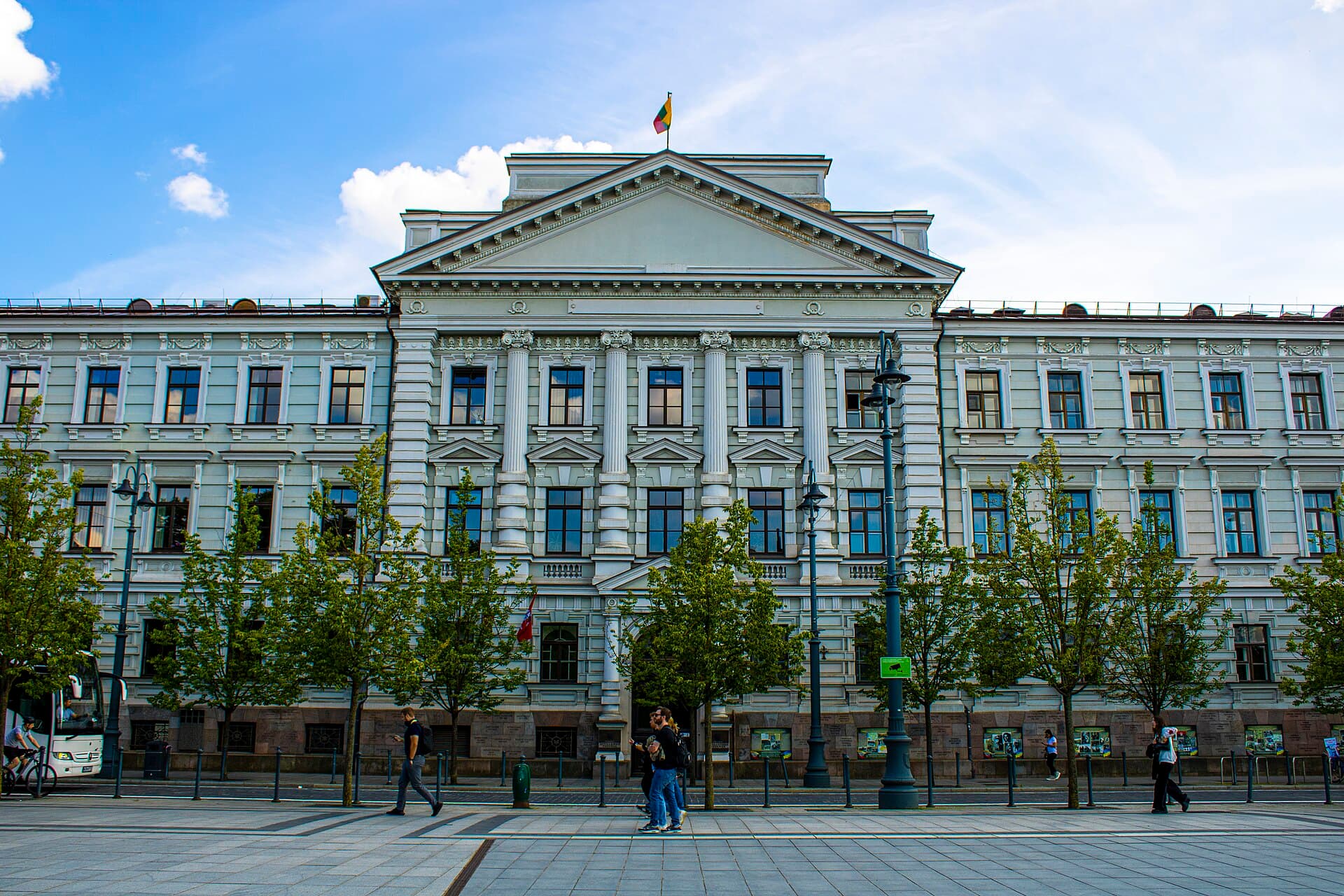 Museum of Occupations and Freedom FightsThe KGB headquarters, in the building itself: this was the Soviet secret police'3 minutes walk4.7
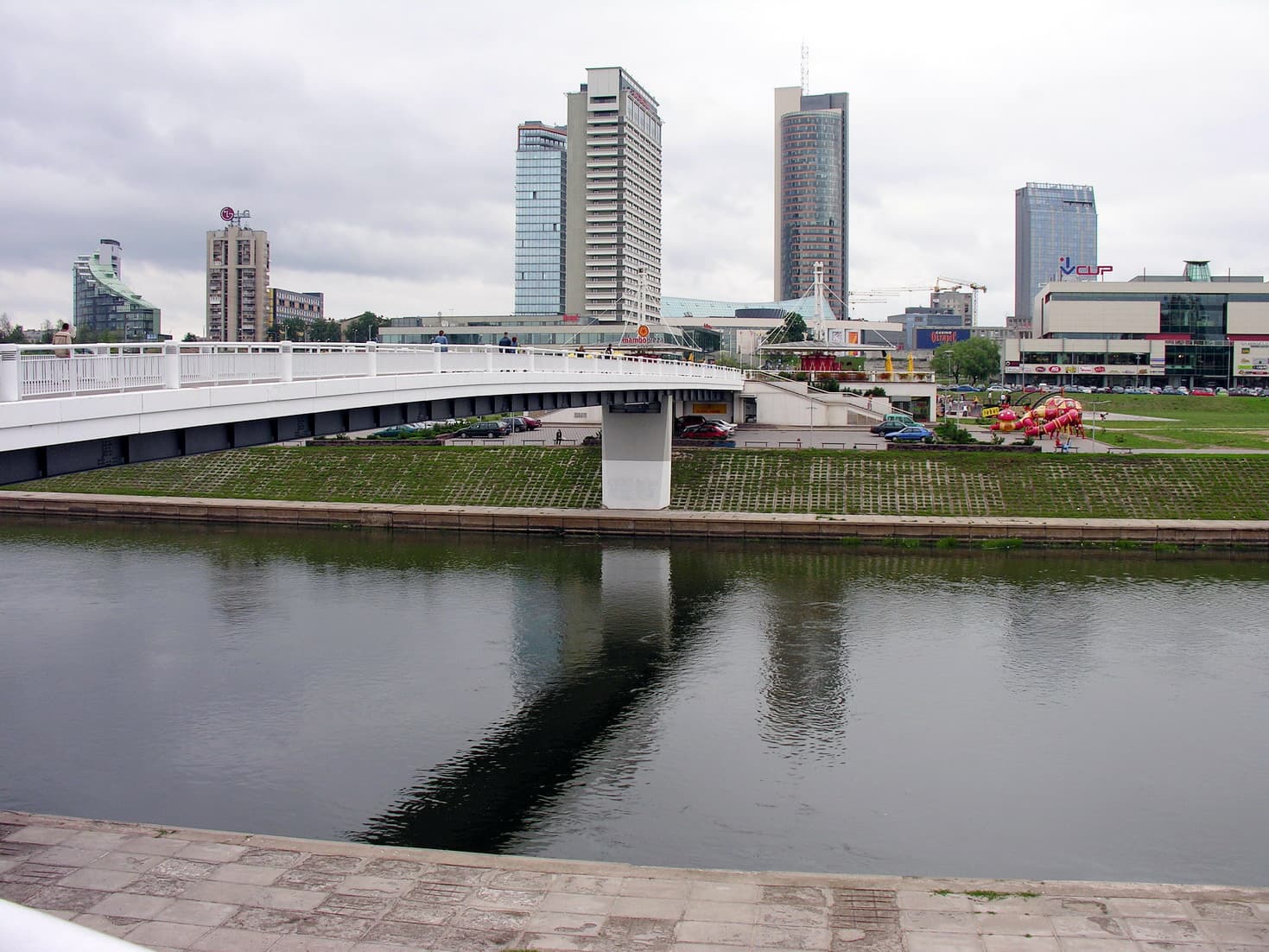 White BridgeA white pedestrian bridge crossing the Neris north of Vilnius's old town, linkin8 minutes walk4.6
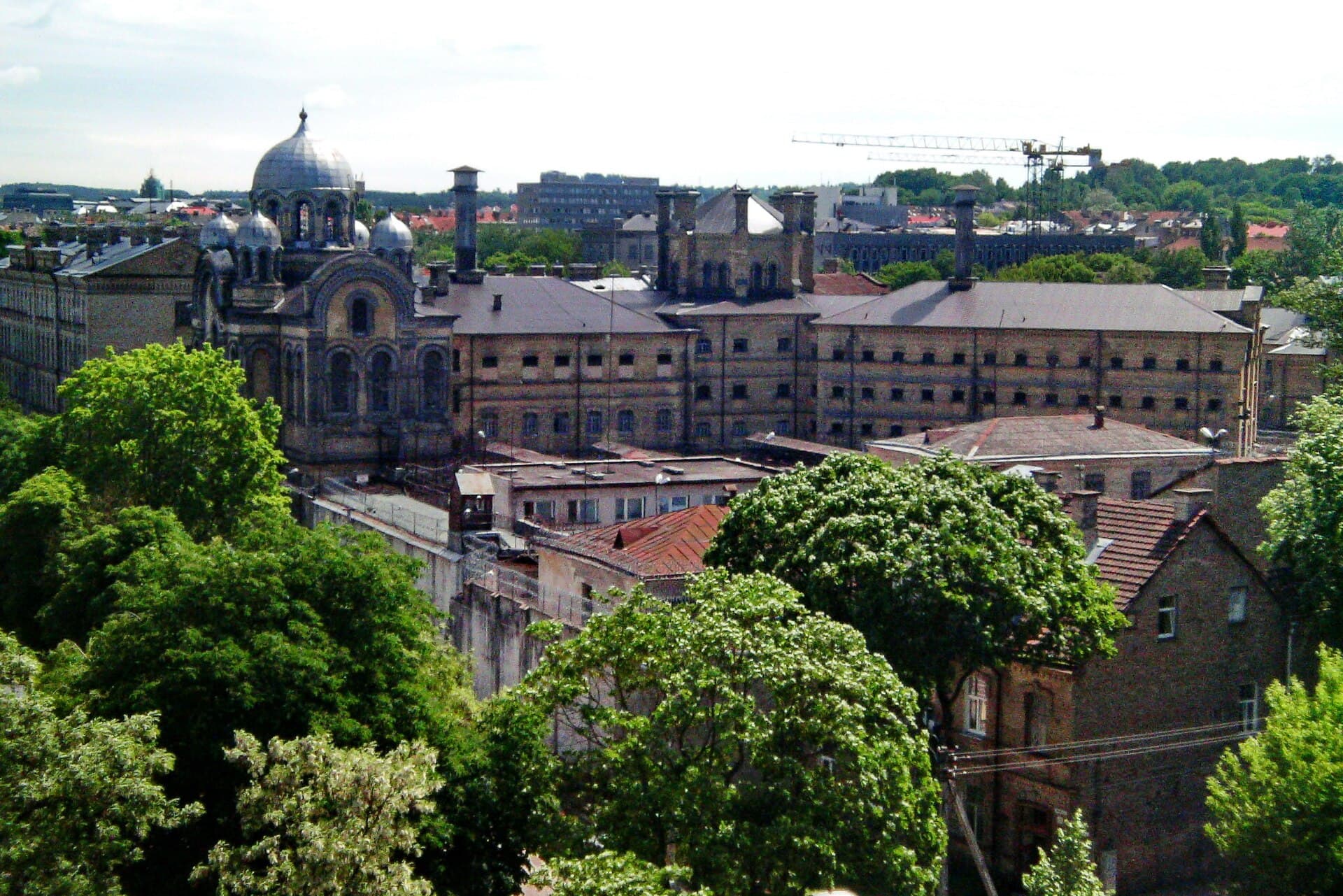 Lukiškės Prison 2.0A tsarist prison turned cultural centre: Lukiškės was built in 1904 under imperi9 minutes walk4.9
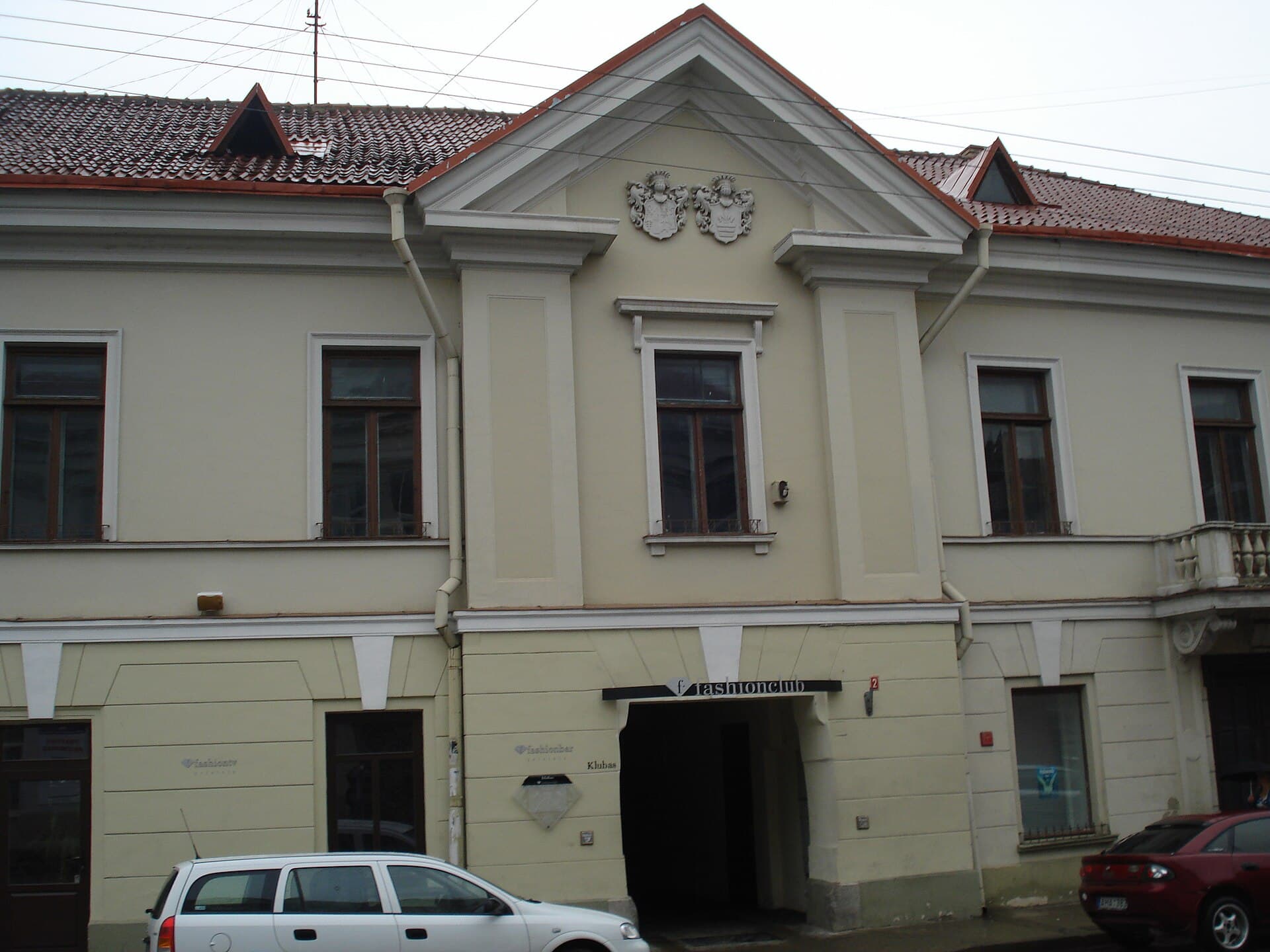 Umiastowski PalaceA nineteenth-century town palace in the old town, built for the noble Umiastowsk10 minutes walk4.9
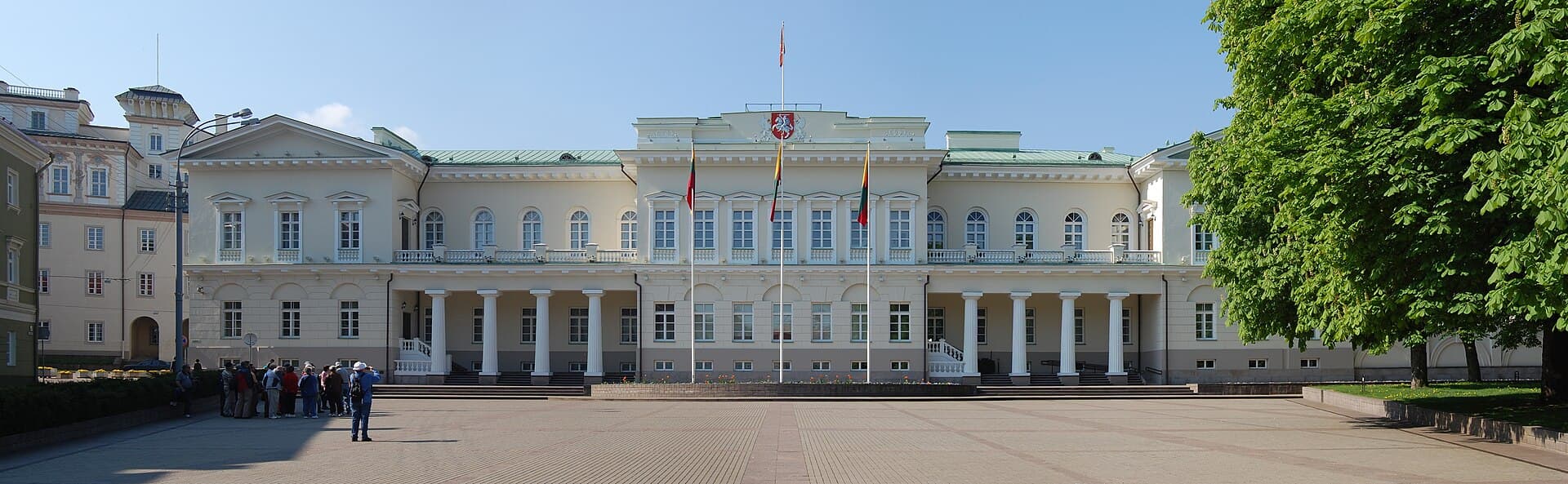 Presidential Palace, VilniusThe official residence of the president of Lithuania, in a neoclassical palace o11 minutes walk4.7
After the 1863 uprising against Russian rule, the authorities imposed a broad Russification policy that included banning Lithuanian printing in the Latin alphabet and attempting to impose Cyrillic instead. Society rejected Cyrillic almost completely, and a book-smuggling network grew up that ran for four decades until the ban was lifted in 1904. It is regarded as among Europe's most successful non-violent campaigns of cultural resistance.
The avenue is the main street and links Cathedral Square to the parliament building. On it stand the Museum of Occupations and Freedom Fights in the former KGB building — among the most important things to visit in Vilnius — plus the opera house and the national library. Walking its length takes about twenty minutes.