
The art cells
Workshops and studios behind iron doors.
Juliux — CC BY-SA 3.0 · Mojmir Churavy — CC0 · CD — CC BY-SA 4.0 · Renata3 — CC BY-SA 4.0
A tsarist prison turned cultural centre: Lukiškės was built in 1904 under imperial Russia and passed through the hands of everyone who occupied Lithuania — tsars, Poles, Nazis, Soviets, then the independent state — remaining in service until it closed in 2019, when it was handed to artists and renamed Lukiškės 2.0. Today the cells are art workshops, studios, galleries, cafés, a theatre and concerts in the yards, with the fabric left as it was: iron doors, netted galleries and the Orthodox church at the centre of the round block. Guided tours tell the prison's history and its political inmates. The world knows it from the series Chernobyl, which filmed its trial and prison scenes here. The yards and exhibitions can be visited freely, while tours inside the wings are booked — and the place is seasonal: festivals in summer, quieter in winter.
Workshops and studios behind iron doors.
Orthodox at the heart of the round block.
Lukiškių skg. 6, Vilnius
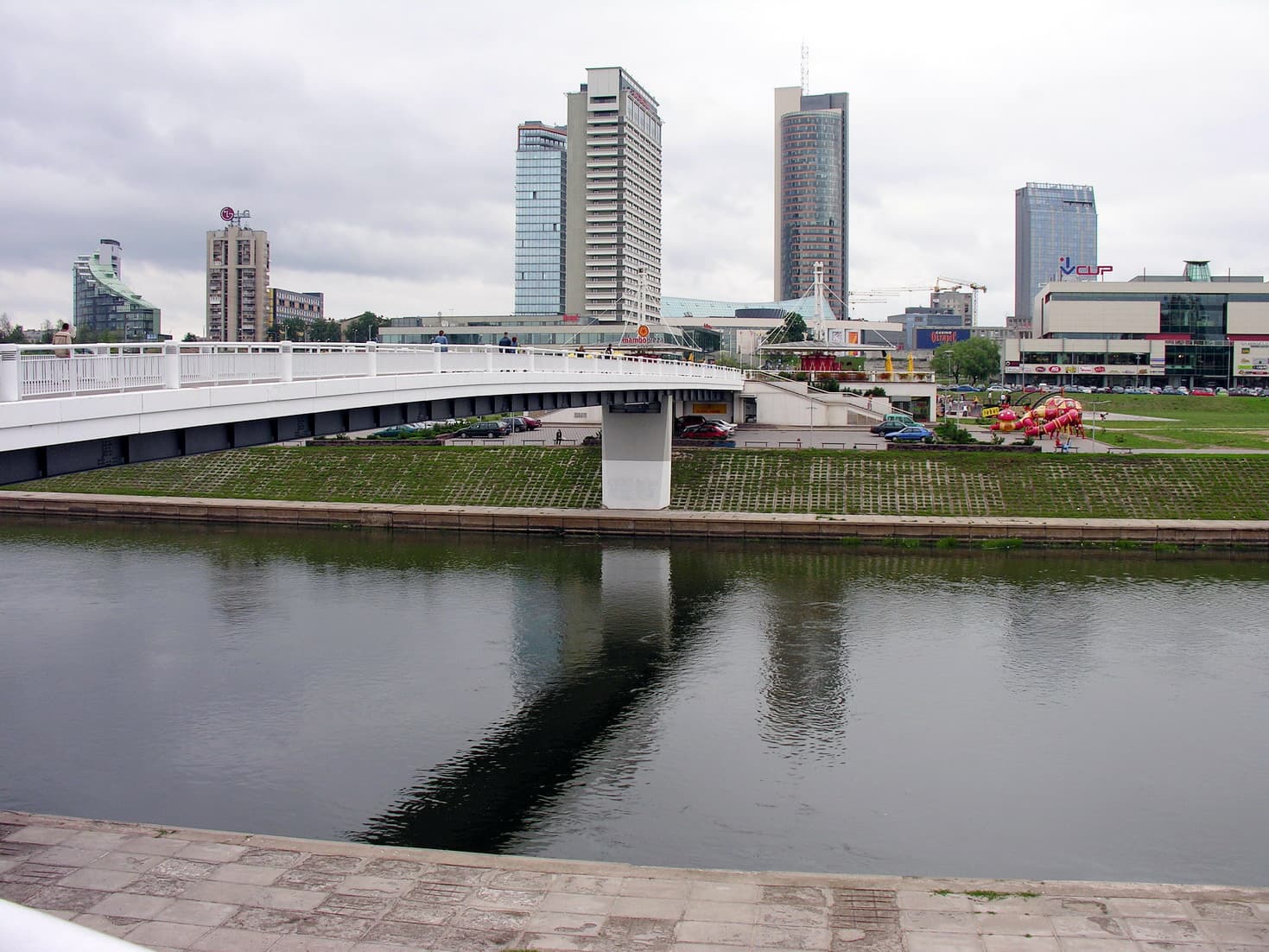 White BridgeA white pedestrian bridge crossing the Neris north of Vilnius's old town, linkin5 minutes walk4.6
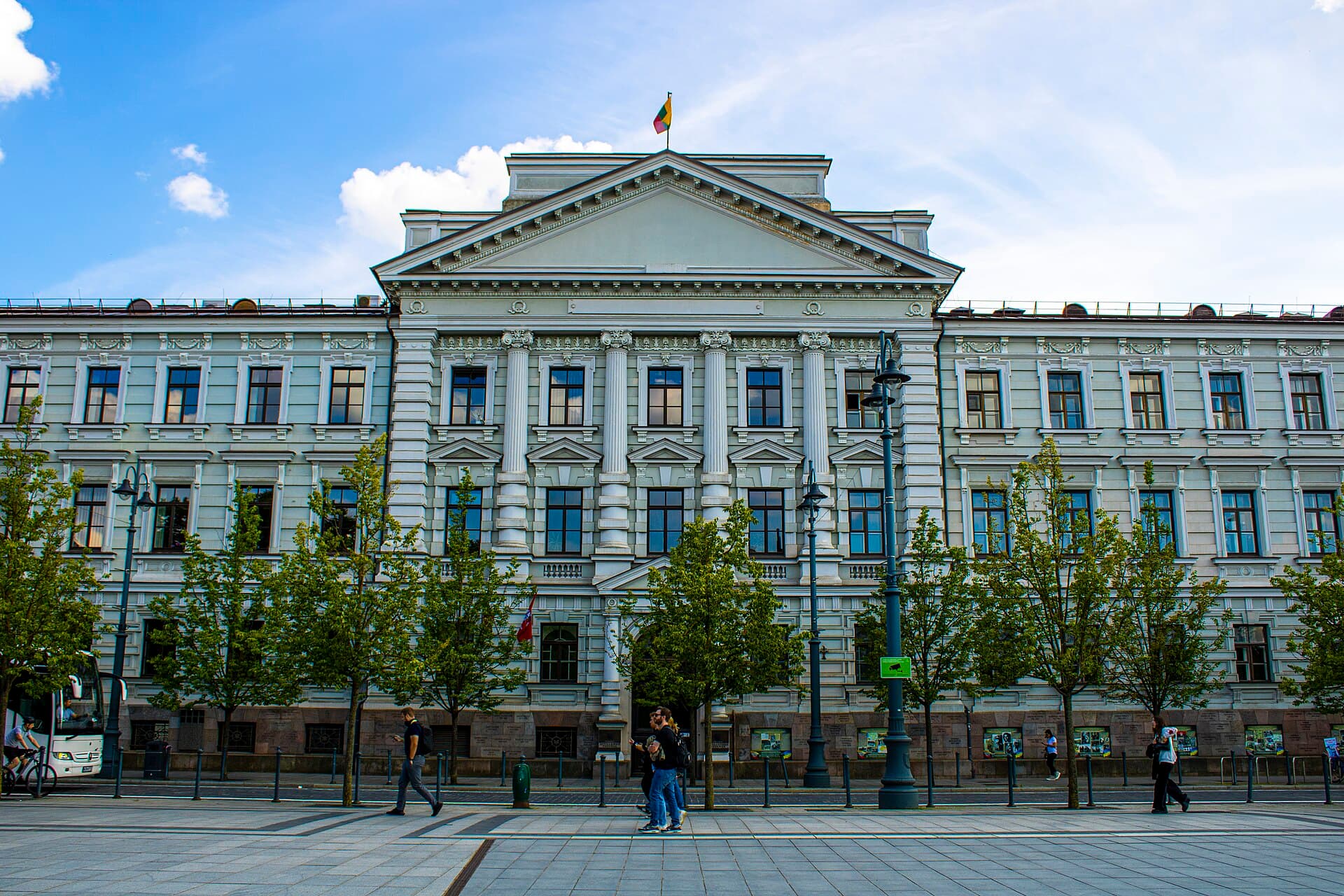 Museum of Occupations and Freedom FightsThe KGB headquarters, in the building itself: this was the Soviet secret police'6 minutes walk4.7
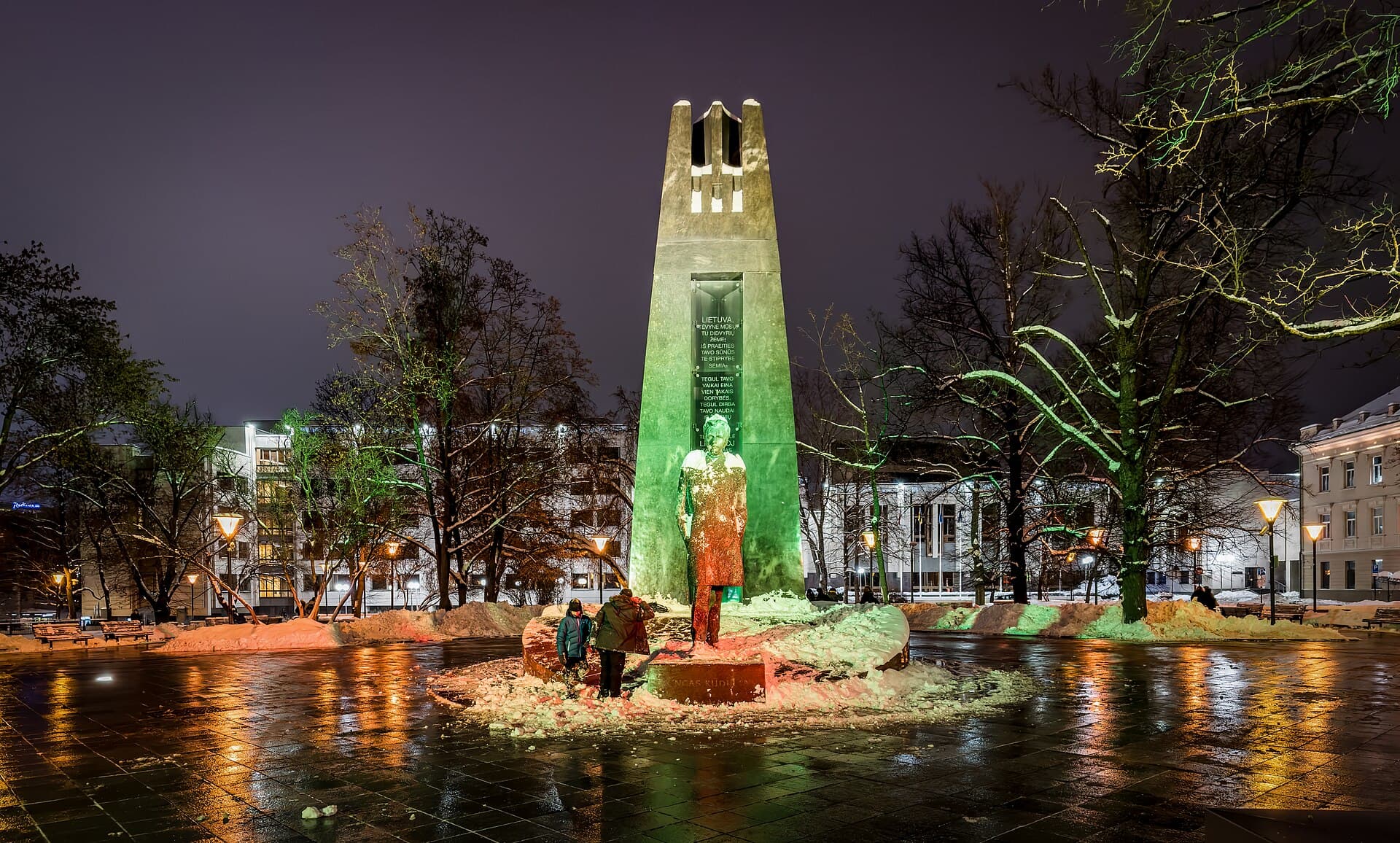 Vincas Kudirka SquareA square on Gediminas Avenue, Vilnius's main street, named after Vincas Kudirka,9 minutes walk4.7
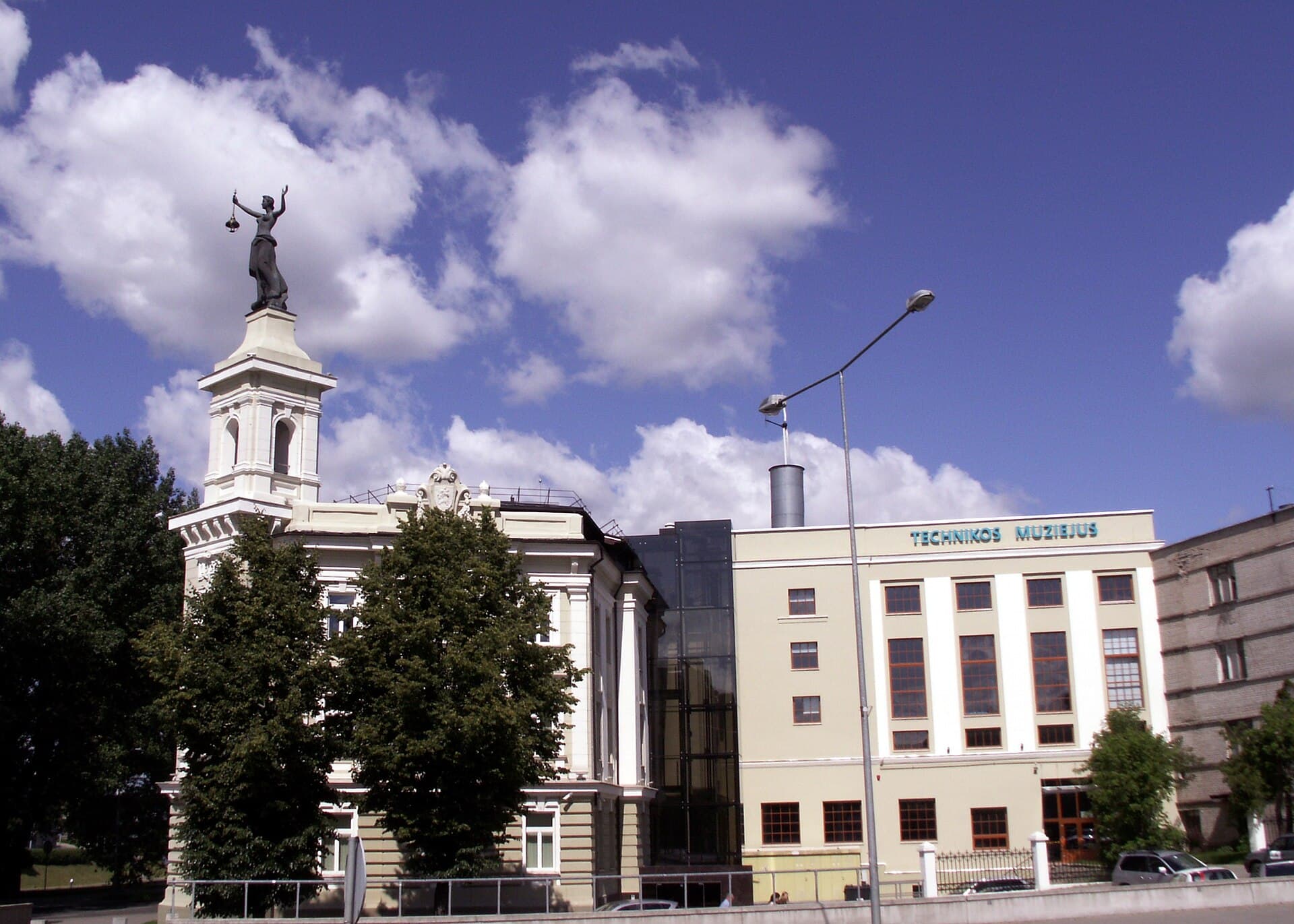 Energy and Technology MuseumA museum in Vilnius's first power station, built in 1903 and running until 1998,17 minutes walk4.7
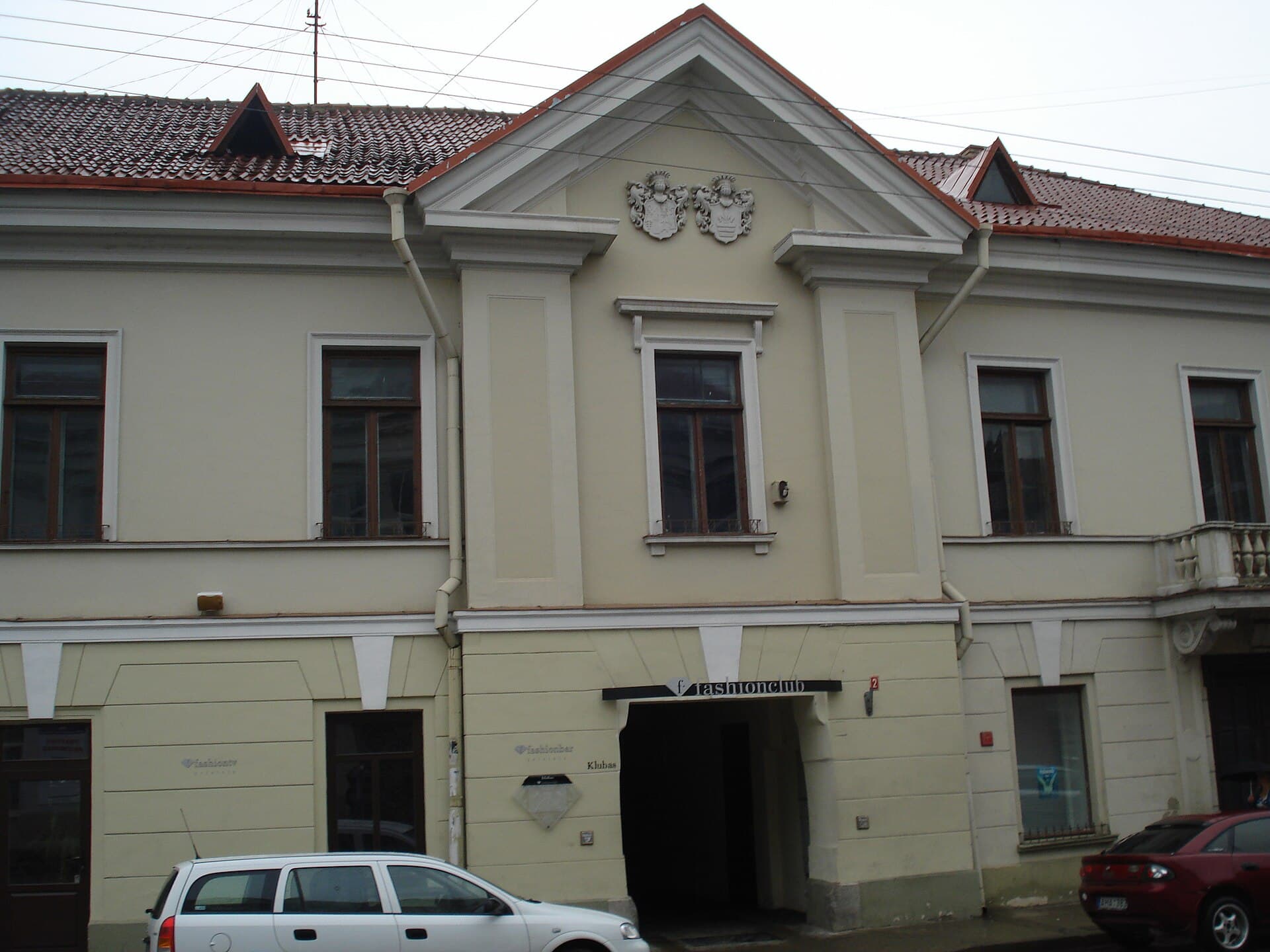 Umiastowski PalaceA nineteenth-century town palace in the old town, built for the noble Umiastowsk19 minutes walk4.9
The place is rough and industrial and its history hard; it suits teenagers and up, with family summer events an announced exception on its calendar.