
The water cell
Hours standing on a disc above cold water.
Terminator216 — CC BY-SA 4.0 · dave massie — CC BY 2.0 · Saeima — CC BY-SA 2.0 · Ardfern — CC BY-SA 3.0
The KGB headquarters, in the building itself: this was the Soviet secret police's seat in Lithuania from 1944 to 1991, and the Gestapo's before that — with a prison, interrogation centre and execution chamber in its basement. It opened as a museum in 1992, a single year after the last officer left. The basement is the point: it was left as it was — solitary cells, a padded isolation cell, the water cell where a prisoner stood for hours on a small disc above cold water, and the execution room where more than a thousand people were shot in the head, its floor now glazed to show what excavation found beneath. The upper floors document both occupations, the deportations to Siberia (some three hundred thousand Lithuanians) and the partisan war: the Forest Brothers who fought the Soviets from the woods until 1953. On the outer wall a carving lists those killed in the basement. A harsh and necessary visit.
Hours standing on a disc above cold water.
A partisan war against the Soviets until 1953.
Aukų g. 2A, Vilnius
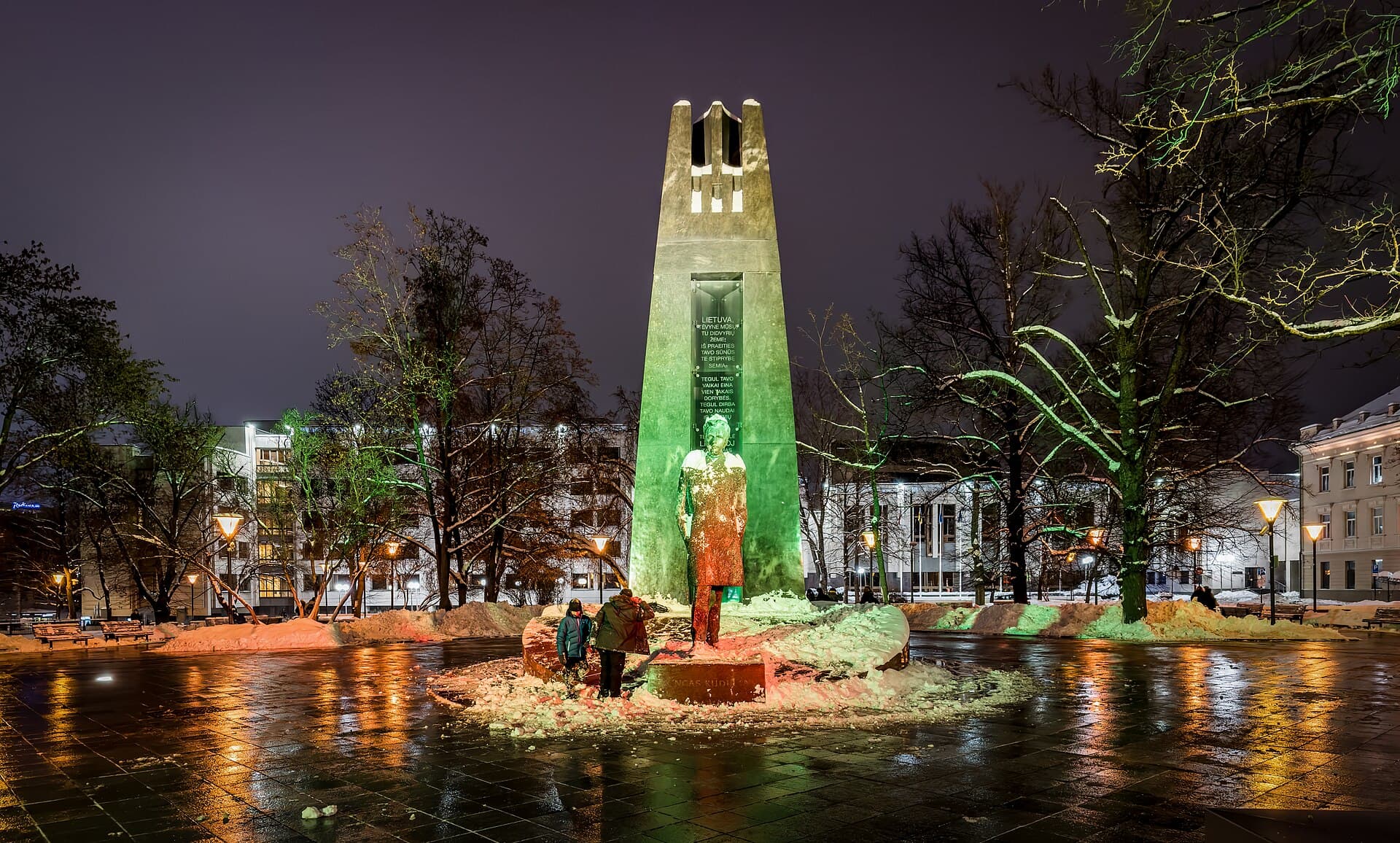 Vincas Kudirka SquareA square on Gediminas Avenue, Vilnius's main street, named after Vincas Kudirka,3 minutes walk4.7
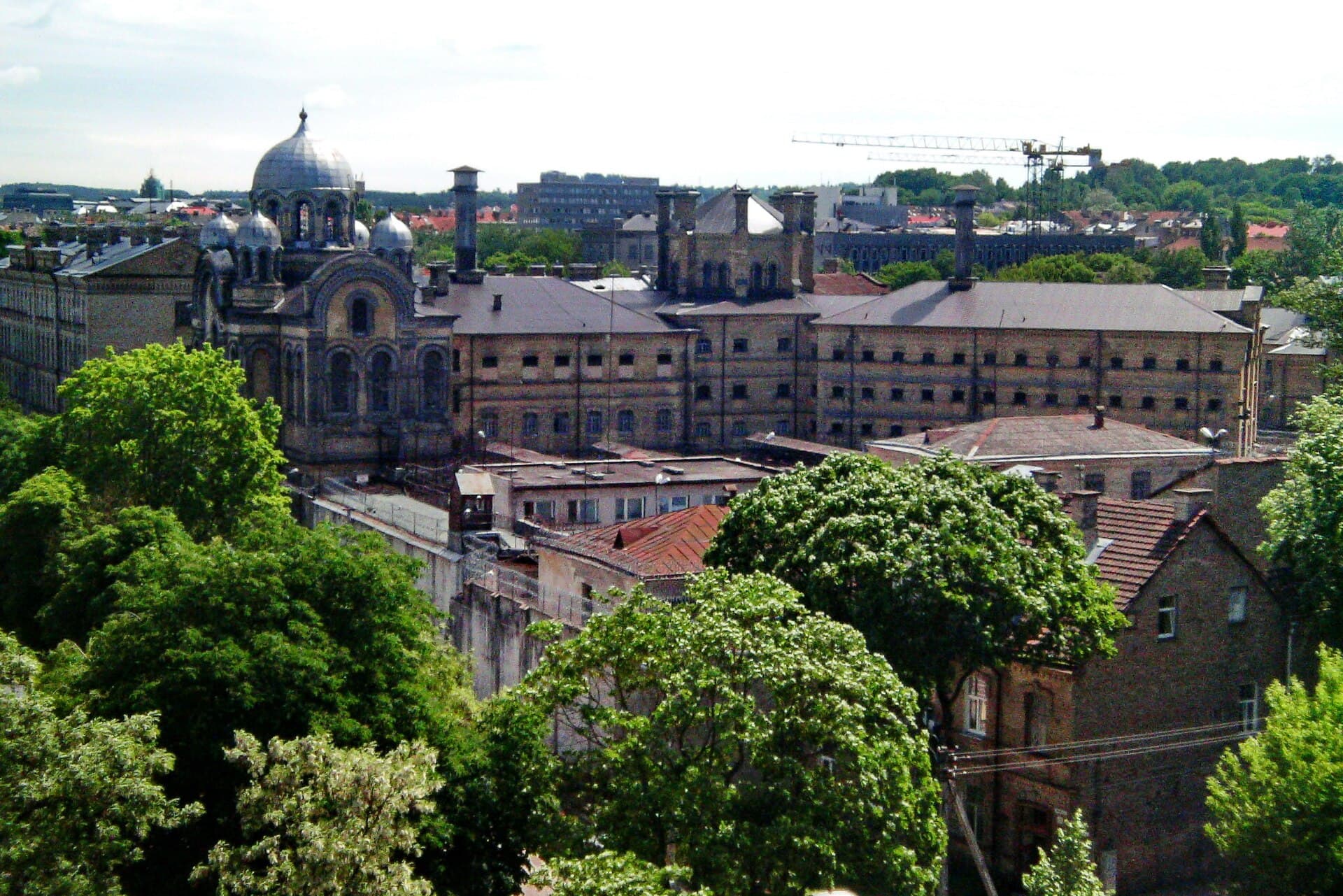 Lukiškės Prison 2.0A tsarist prison turned cultural centre: Lukiškės was built in 1904 under imperi6 minutes walk4.9
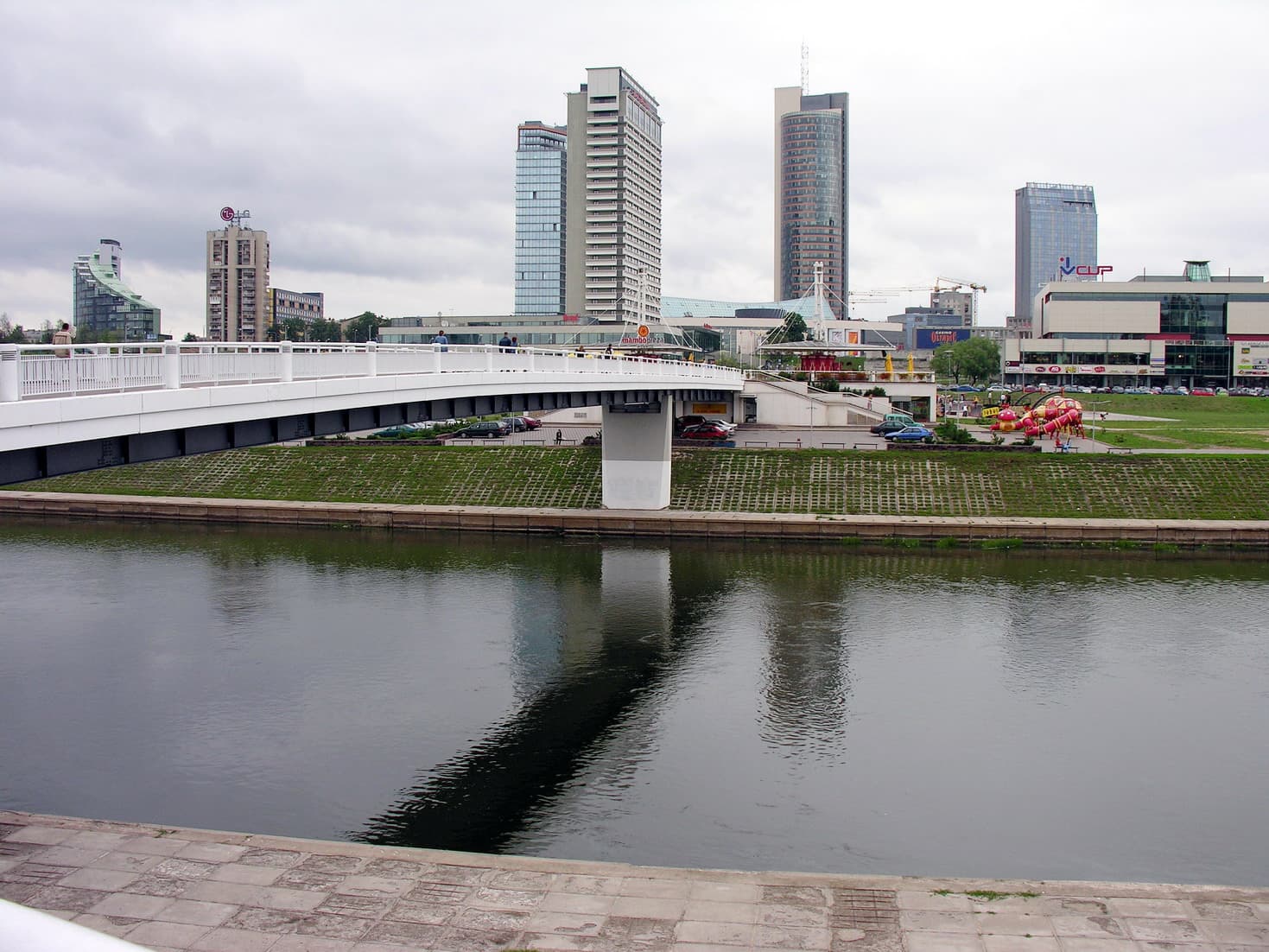 White BridgeA white pedestrian bridge crossing the Neris north of Vilnius's old town, linkin7 minutes walk4.6
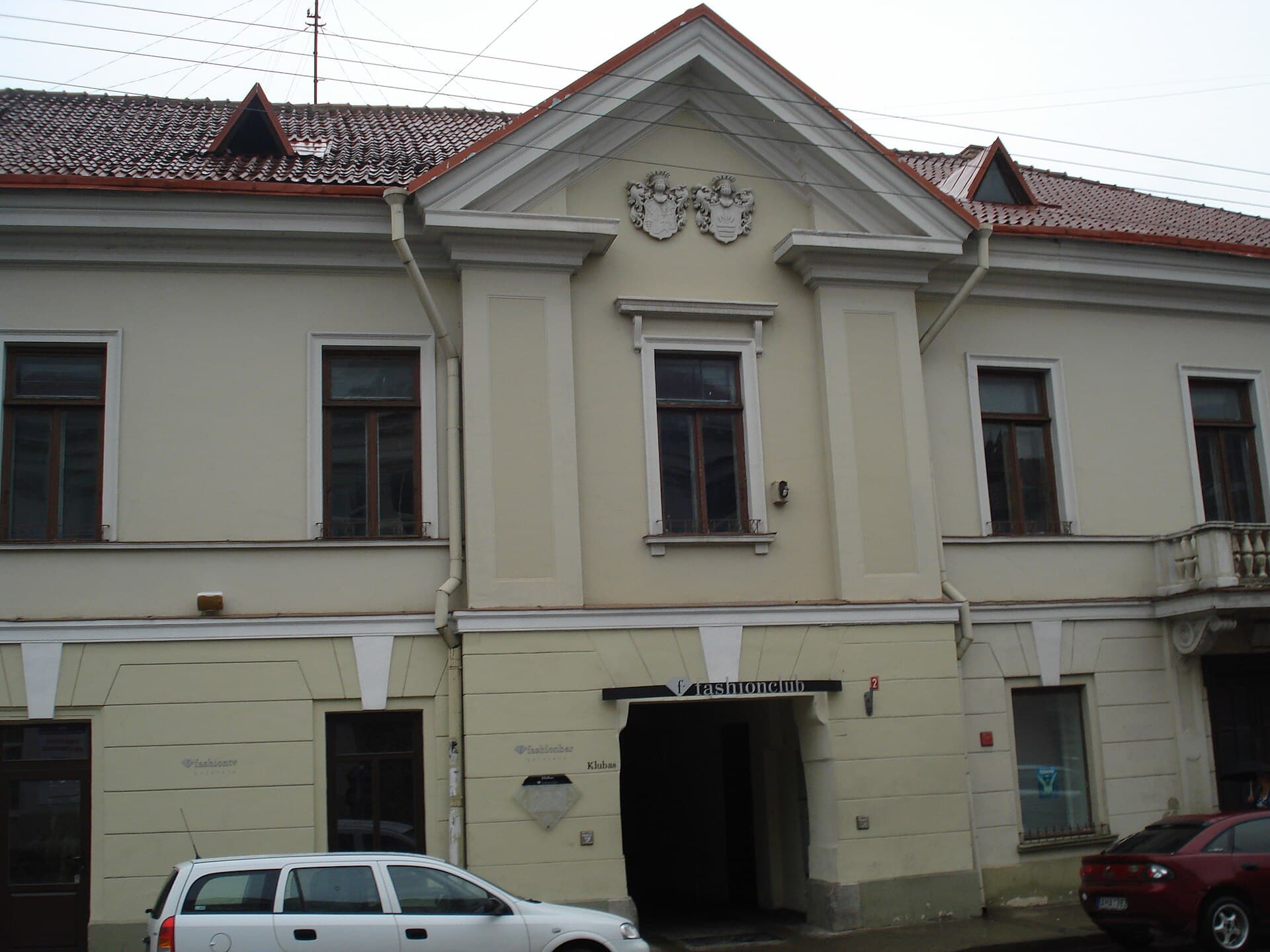 Umiastowski PalaceA nineteenth-century town palace in the old town, built for the noble Umiastowsk13 minutes walk4.9
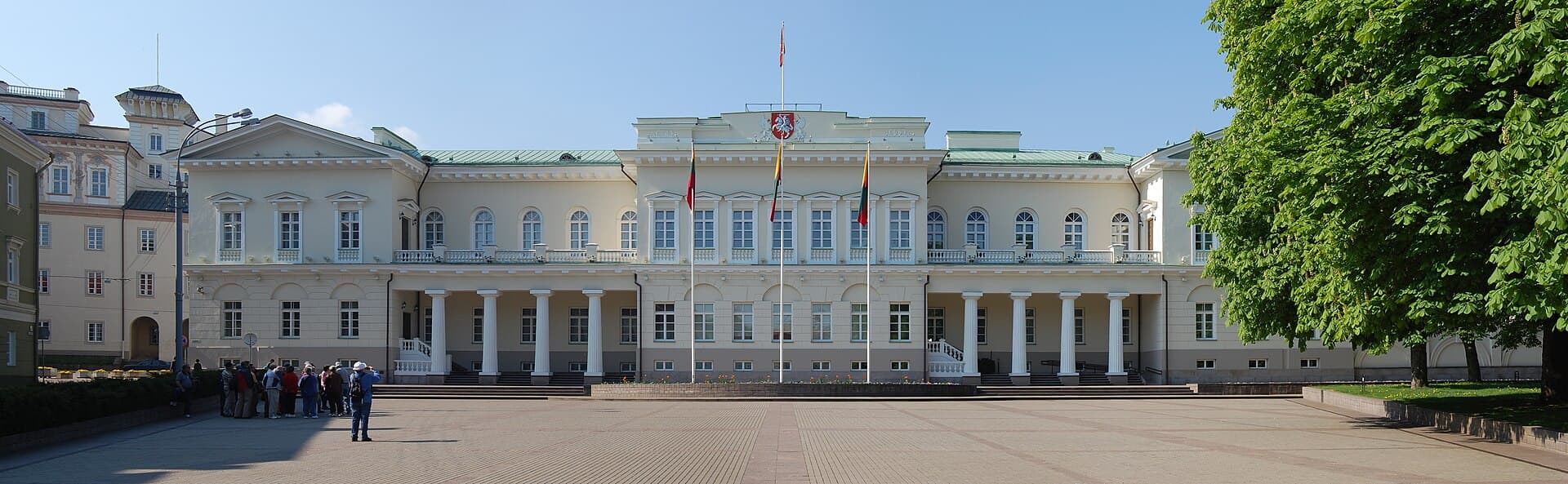 Presidential Palace, VilniusThe official residence of the president of Lithuania, in a neoclassical palace o14 minutes walk4.7
Lithuanian, Latvian and Estonian fighters who refused the Soviet occupation after 1944 and fought from the forests for years; in Lithuania organised resistance lasted until 1953 and the last fighter was killed in 1965 — Europe's longest postwar partisan war.