
A building that housed both sides
Napoleon advancing, then the Tsar after his retreat — the same year.
Marcin Białek — CC BY-SA 3.0 · Agence Rol. Agence photographique (commanditaire) Central News (Agence photographique). Agence photographique pour le document reproduit (commanditaire) — Public domain · Averater — CC BY-SA 3.0 · Agence Rol. Agence photographique (commanditaire) — Public domain
The official residence of the president of Lithuania, in a neoclassical palace on a quiet square in the old town, with a history that sums up the country's upheavals. The site has been used since the fourteenth century as the seat of Vilnius's bishops. After Russia annexed Lithuania at the end of the eighteenth century it became the residence of the Russian governor-general and was rebuilt in its present neoclassical form. Napoleon stayed here during his advance on Moscow in 1812, and Tsar Alexander I stayed here after the French withdrew — the same building housed both sides within one year. After Lithuanian independence in 1918 and its restoration in 1990, the palace became the seat of the presidency. The square in front is among the quietest in the old town, sitting between the university and the cathedral. Practical points: the square and facade are free and always open. The interior is visited on tours on limited days and may need booking and identity registration — check the official site. A changing of the guard takes place at set times.
Napoleon advancing, then the Tsar after his retreat — the same year.
The site has been a seat of power since the fourteenth century.
A ceremony at set times in front of the palace — check the schedule.
Daukanto Square, old town, Vilnius
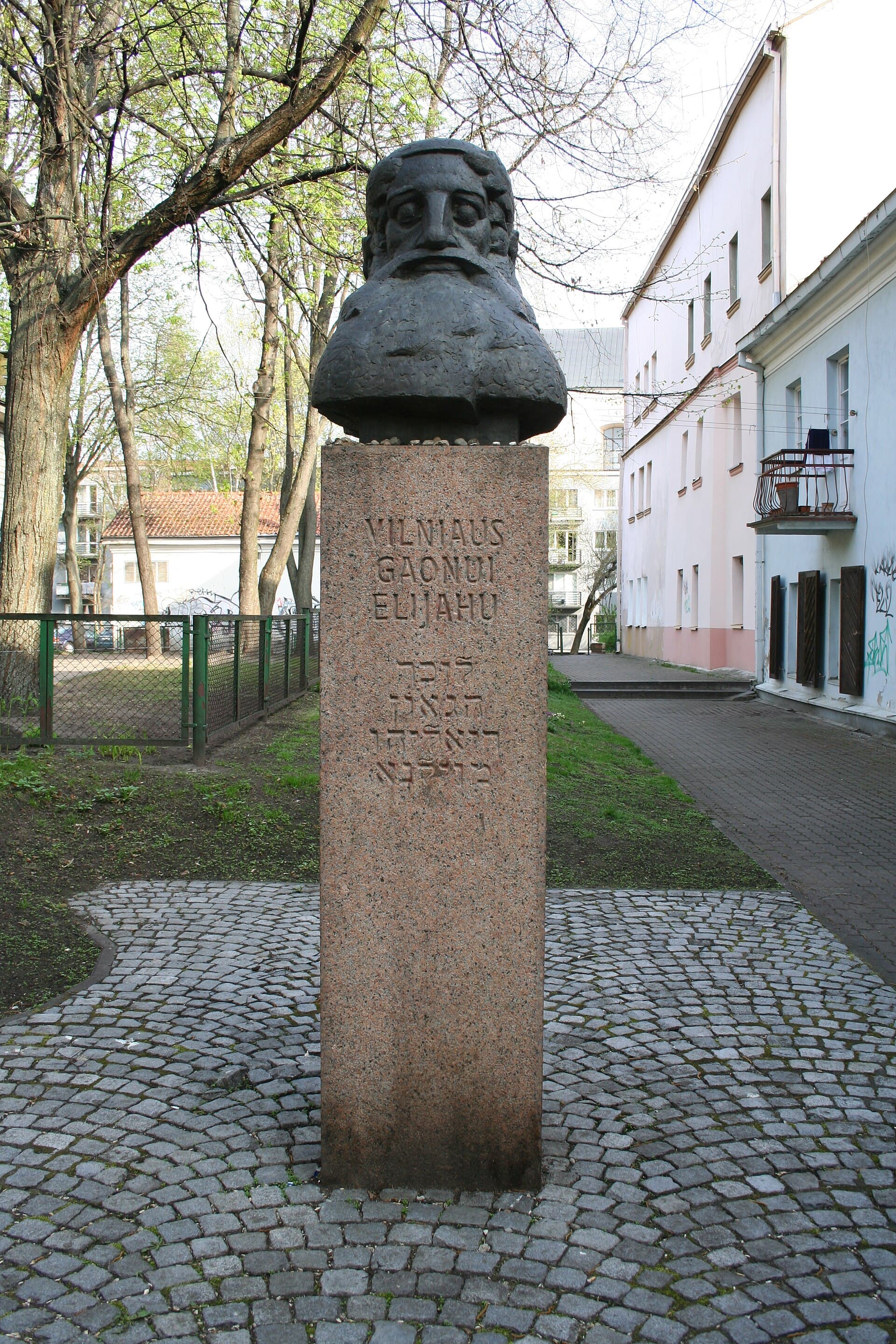 Vilna Gaon MonumentA monument to Elijah ben Solomon Zalman, known as the Vilna Gaon, among the most4 minutes walk4.4
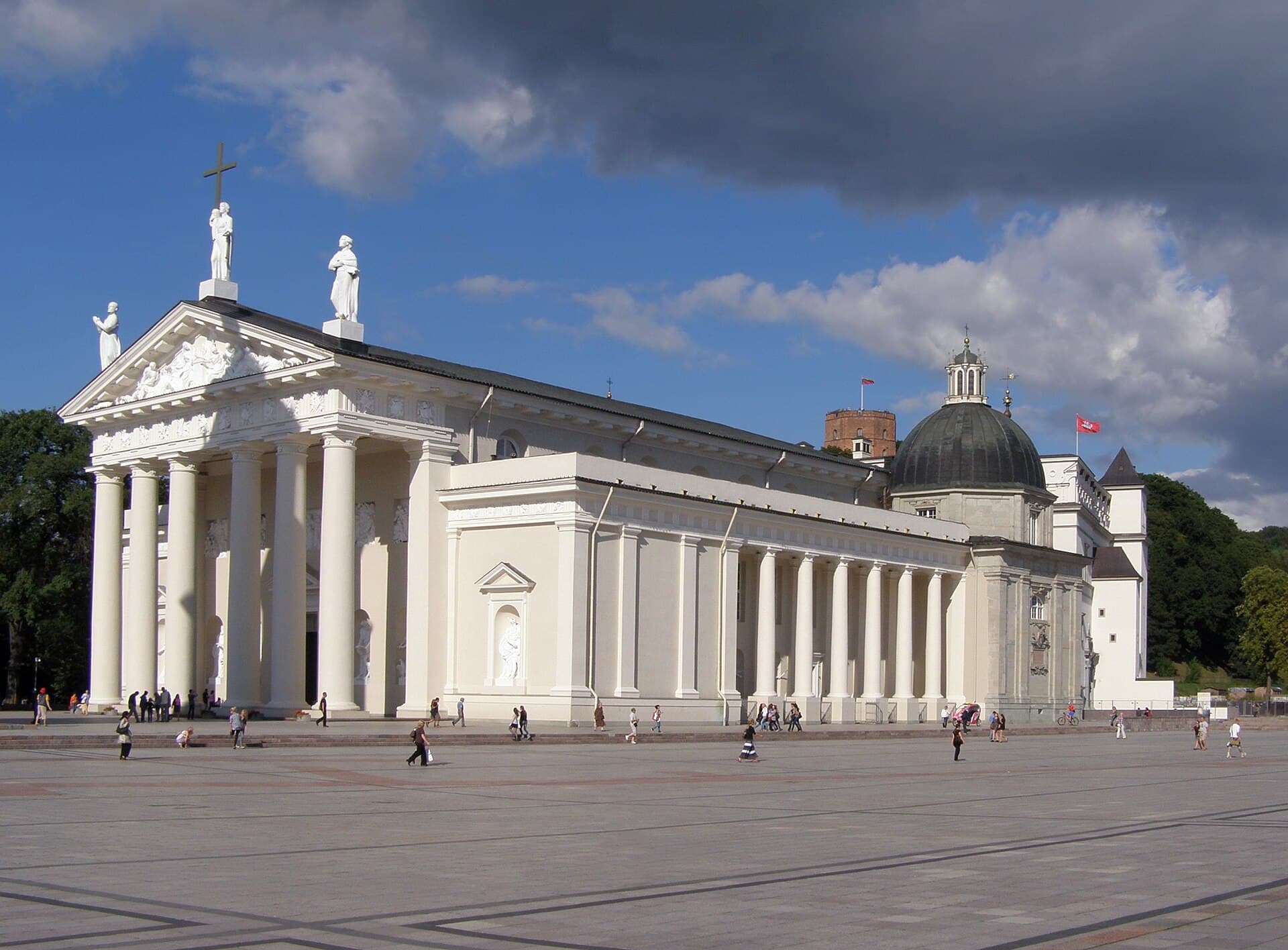 Vilnius CathedralA white Greek temple in the heart of the Baltic: Vilnius Cathedral, with its Neo4 minutes walk4.7
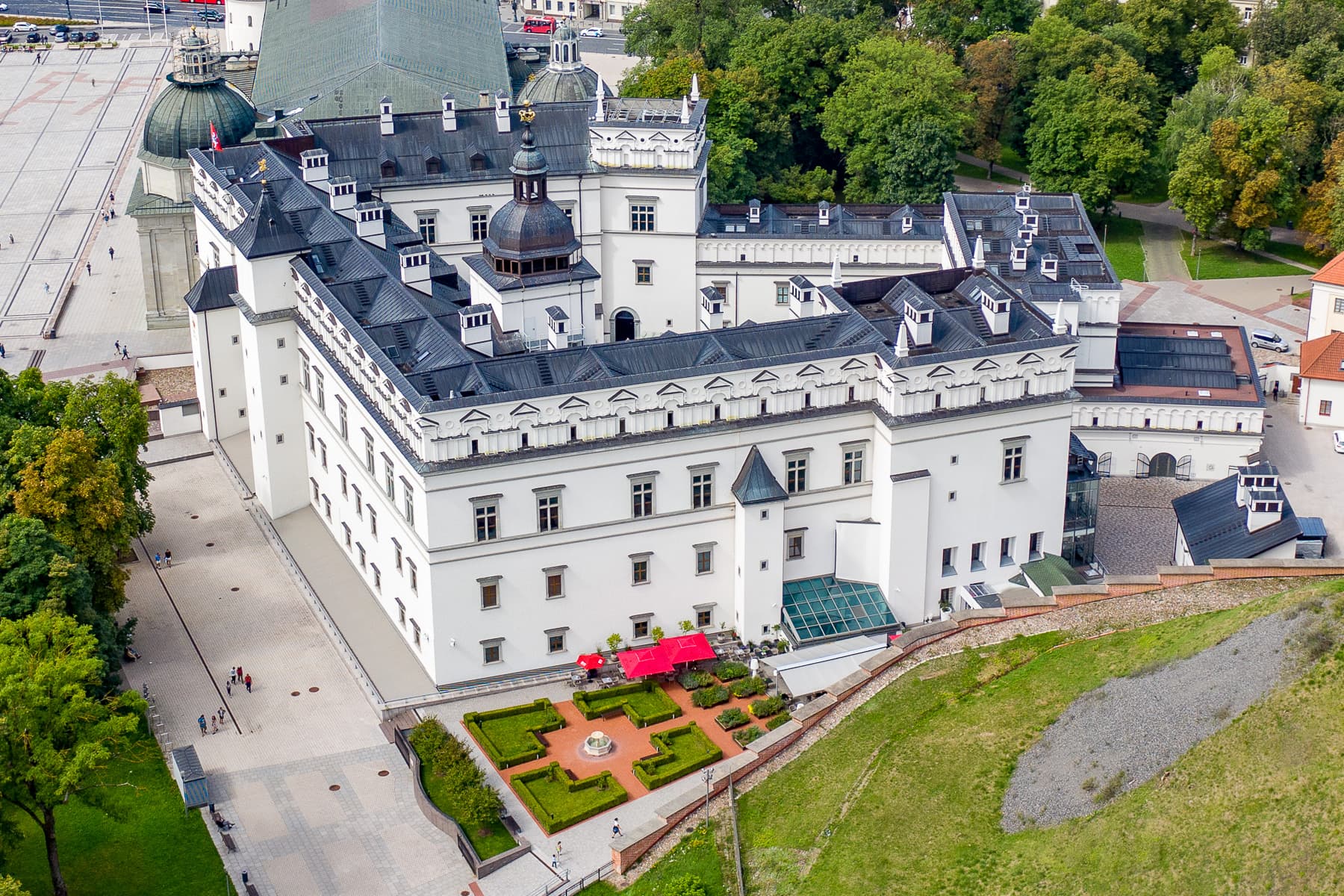 Palace of the Grand Dukes of LithuaniaA palace rebuilt from nothing to return a nation to its history: this was the se5 minutes walk4.8
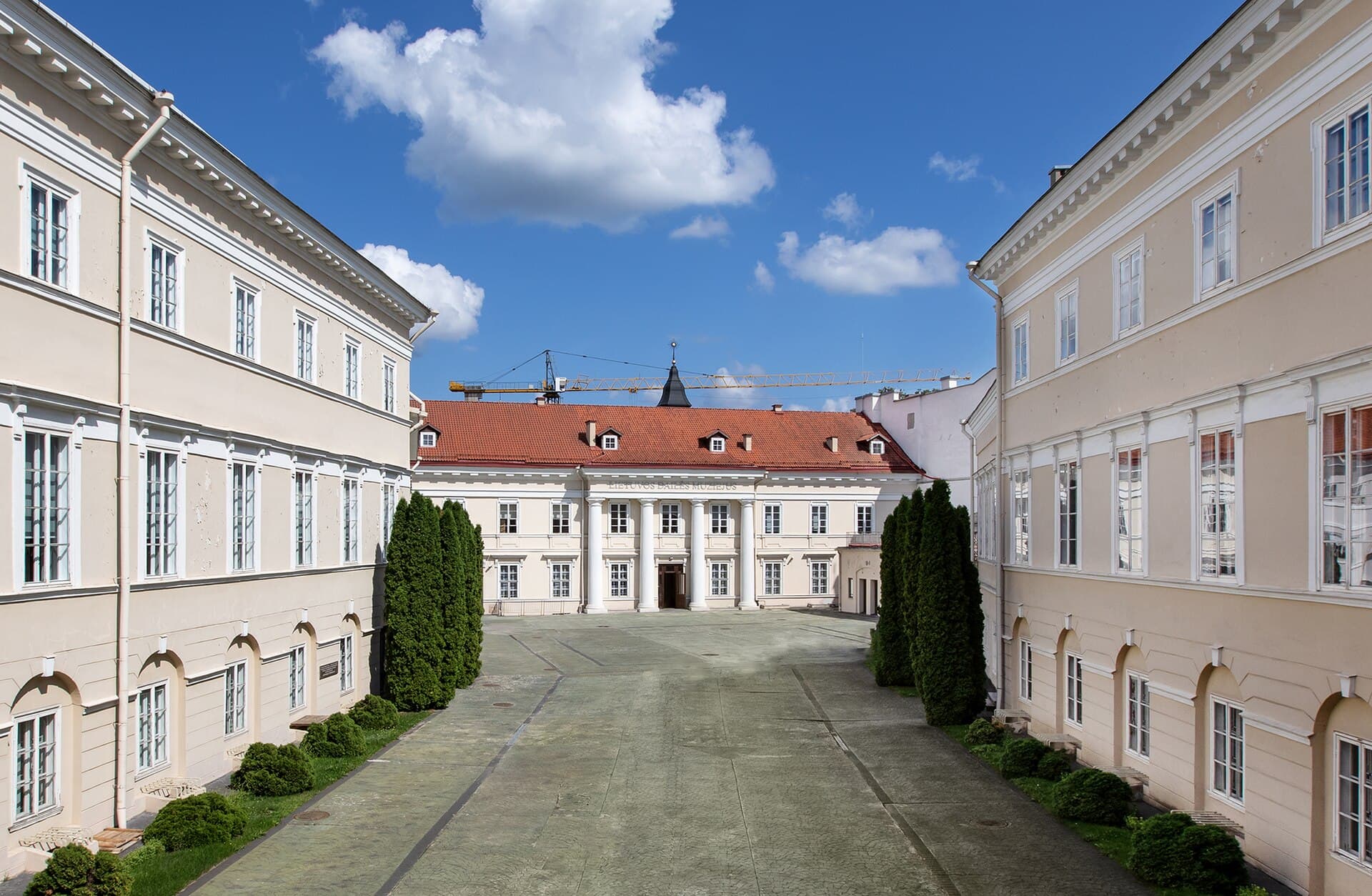 Lithuanian National Museum of ArtA network of museums rather than one building: the Lithuanian National Museum of5 minutes walk4.6
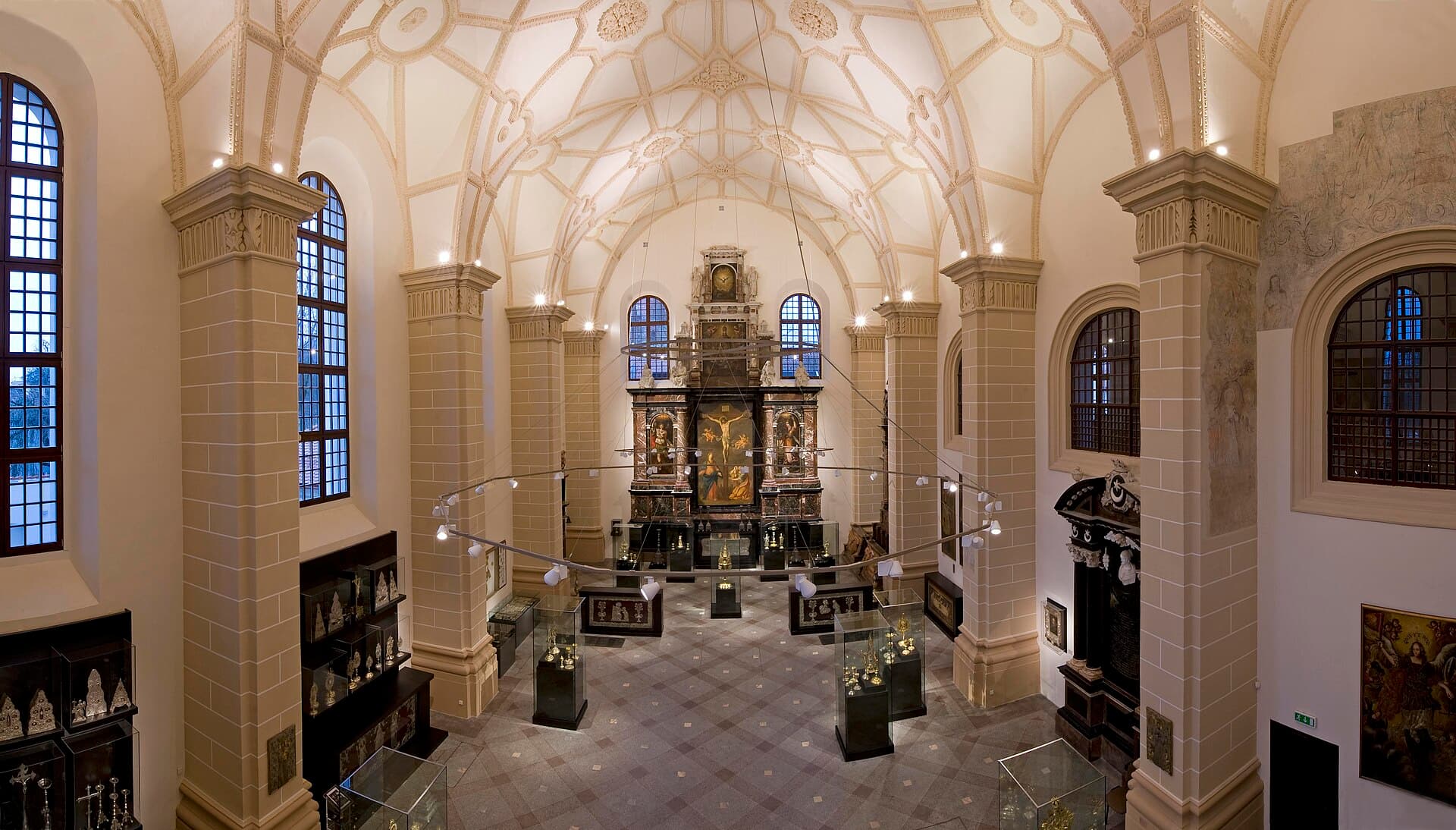 Church Heritage MuseumA museum in a former seventeenth-century church and convent, showing the treasur5 minutes walk4.6
Yes but under conditions. Tours run on limited days and usually require advance booking and identification, since this is a working presidential residence. Check the official site before your trip rather than the day before. If you cannot get in, the square and facade are worth the stop regardless.
Vilnius University next door with its sequence of courtyards, among the oldest universities in eastern Europe, then the cathedral and its square. All three are within five minutes' walk and form the historic heart of Vilnius.