
A class that vanished
The Polish-Lithuanian nobility was dismantled; its buildings remain.
Alma Pater — CC BY-SA 3.0 · Alma Pater — CC BY-SA 3.0 · Alma Pater — CC BY-SA 3.0 · Jan Bułhak — Public domain
A nineteenth-century town palace in the old town, built for the noble Umiastowski family, and an example of late neoclassical architecture in Vilnius. Vilnius's town palaces record a social class that vanished. The Polish-Lithuanian nobility built dozens of residences in the old town between the sixteenth and nineteenth centuries, and that class was then dismantled entirely through the uprisings against Russian rule, the confiscations, two world wars and Soviet nationalisation. The buildings remained; the families did not. The palace today is in institutional use, and its facade and gateway are what can be seen from the street. A plain practical point: it is not visitable inside and there are no tours. The visit is minutes in front of the facade on an old-town walk, and it does not justify a dedicated trip.
The Polish-Lithuanian nobility was dismantled; its buildings remain.
The uprisings against Russian rule cost noble families their property.
The facade and gateway are all there is — allocate no time to it.
Old town, Vilnius
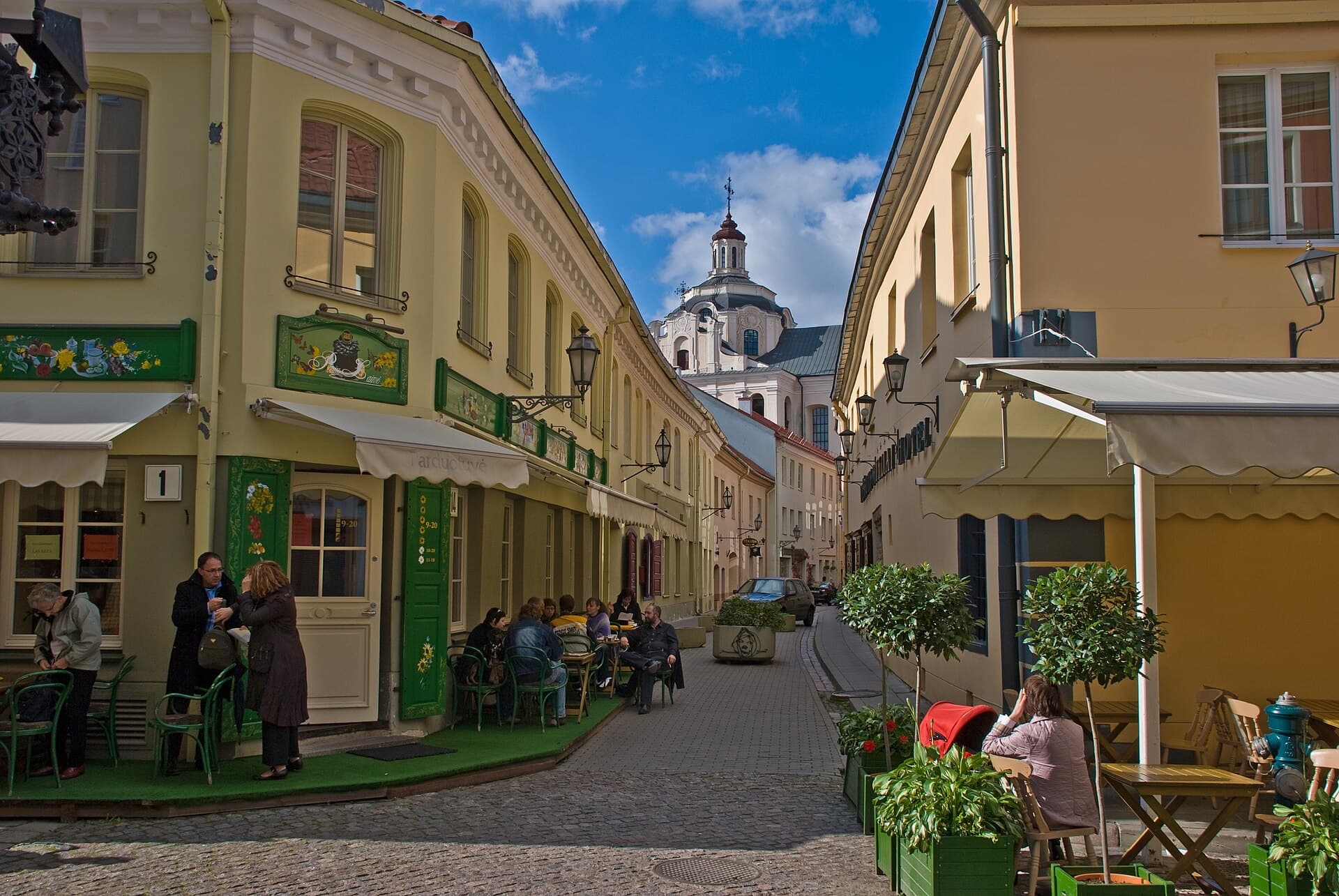 The Glass QuarterA network of narrow lanes in the heart of Vilnius old town, centred on Stiklių s4 minutes walk4.8
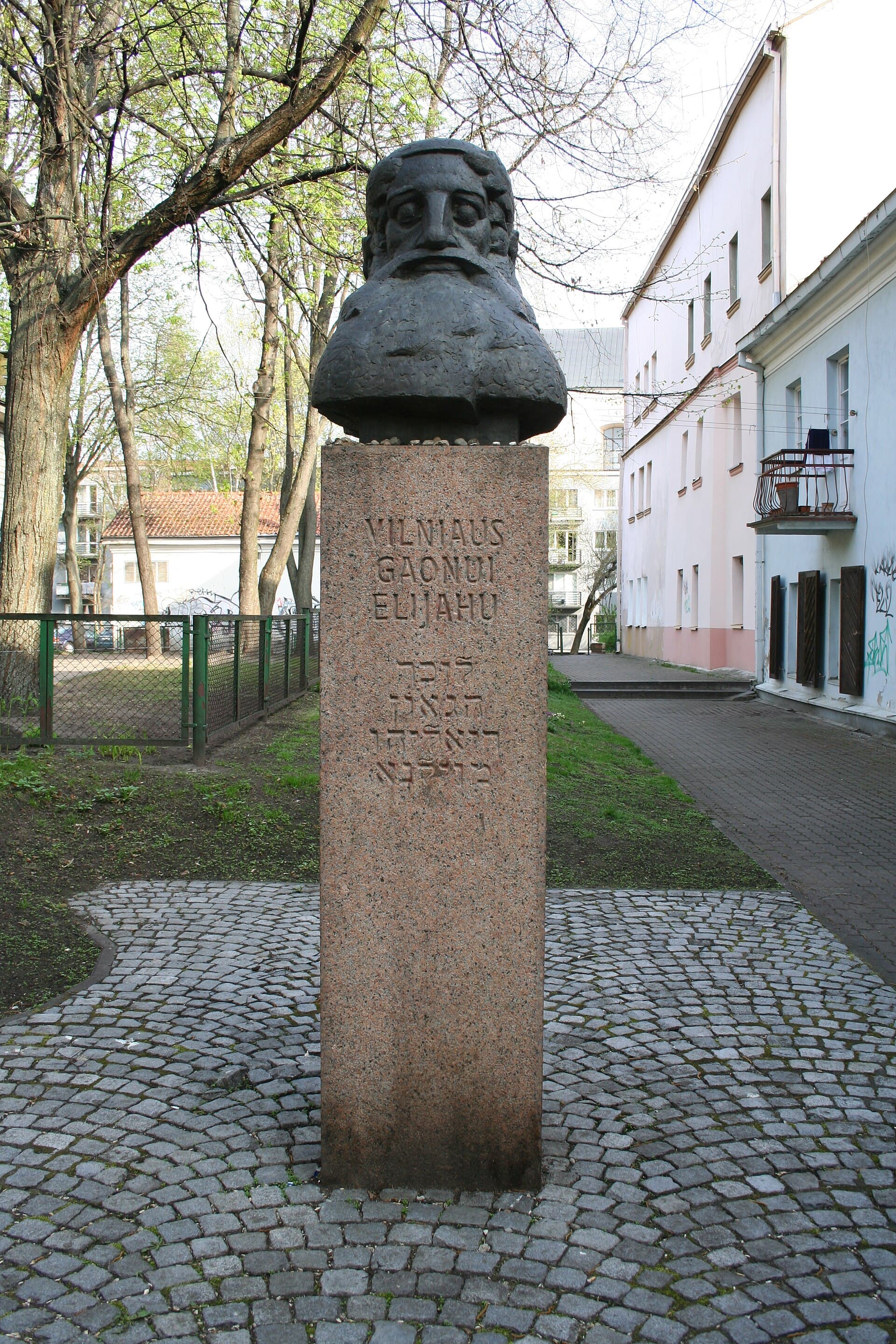 Vilna Gaon MonumentA monument to Elijah ben Solomon Zalman, known as the Vilna Gaon, among the most6 minutes walk4.4
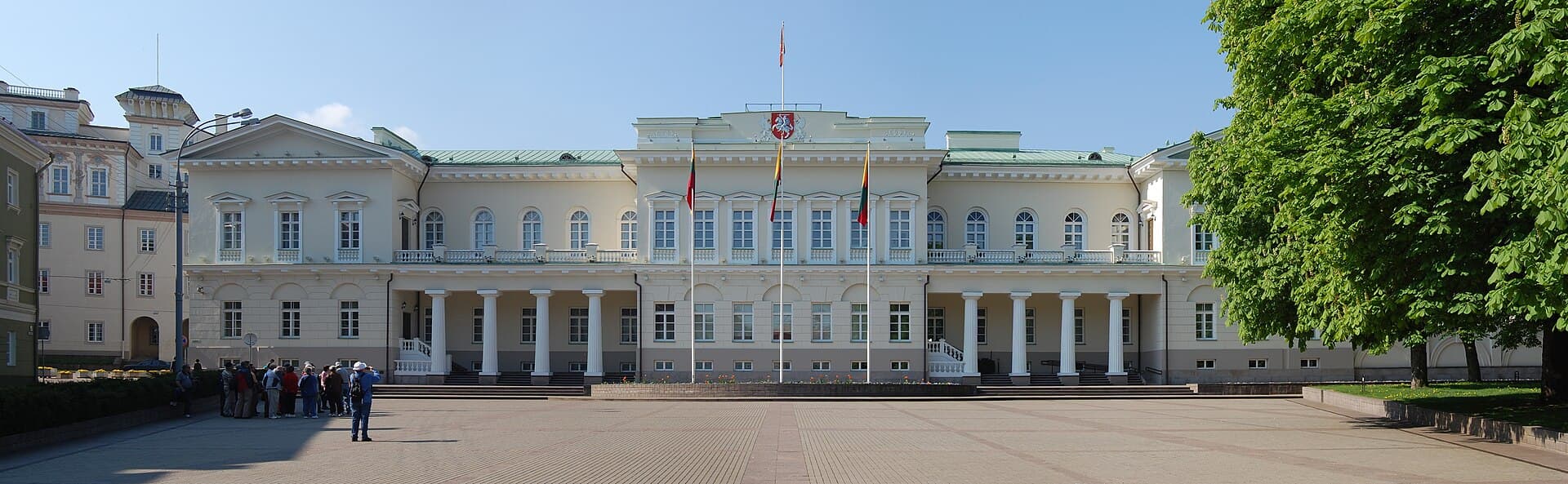 Presidential Palace, VilniusThe official residence of the president of Lithuania, in a neoclassical palace o8 minutes walk4.7
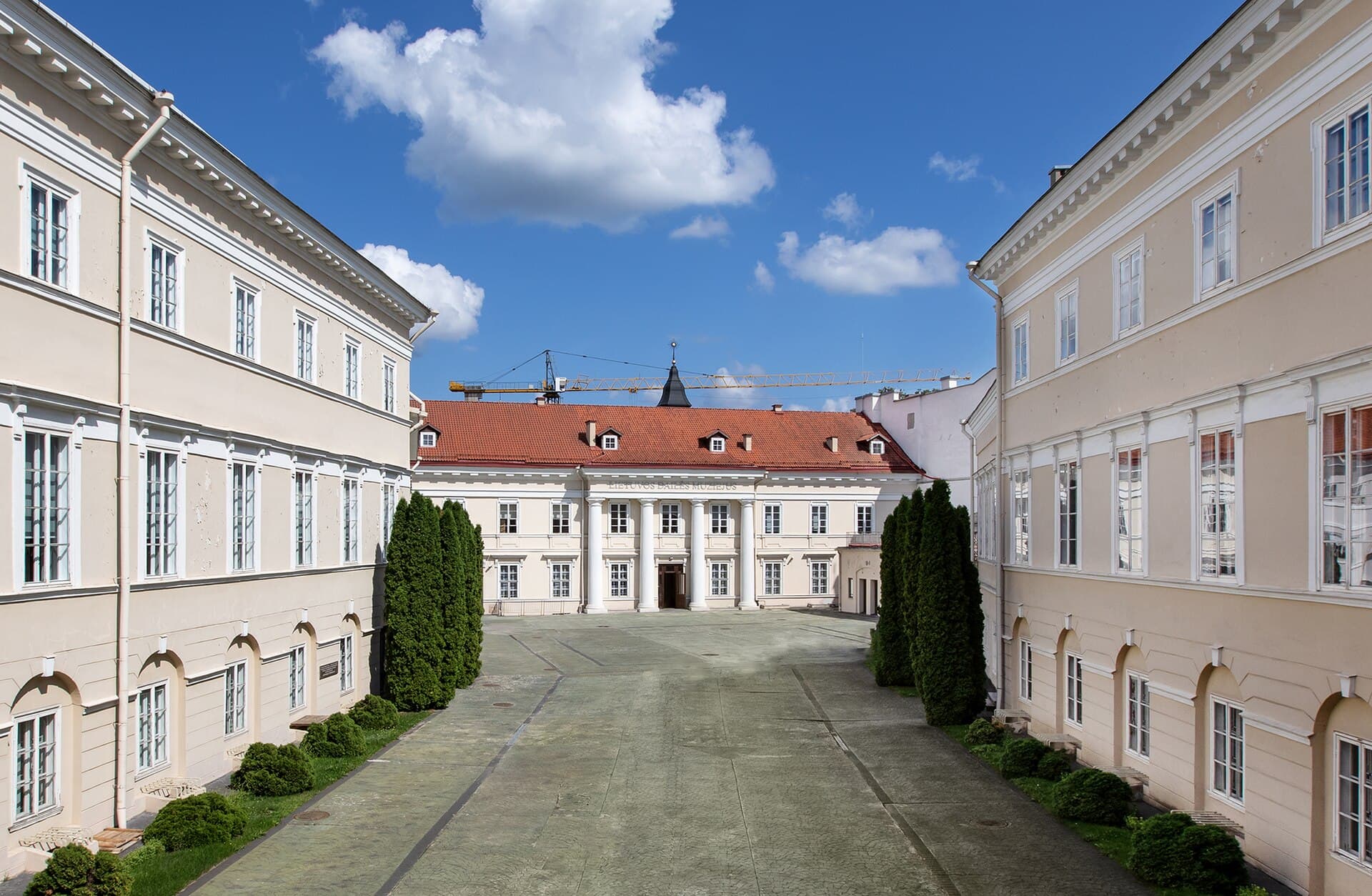 Lithuanian National Museum of ArtA network of museums rather than one building: the Lithuanian National Museum of9 minutes walk4.6
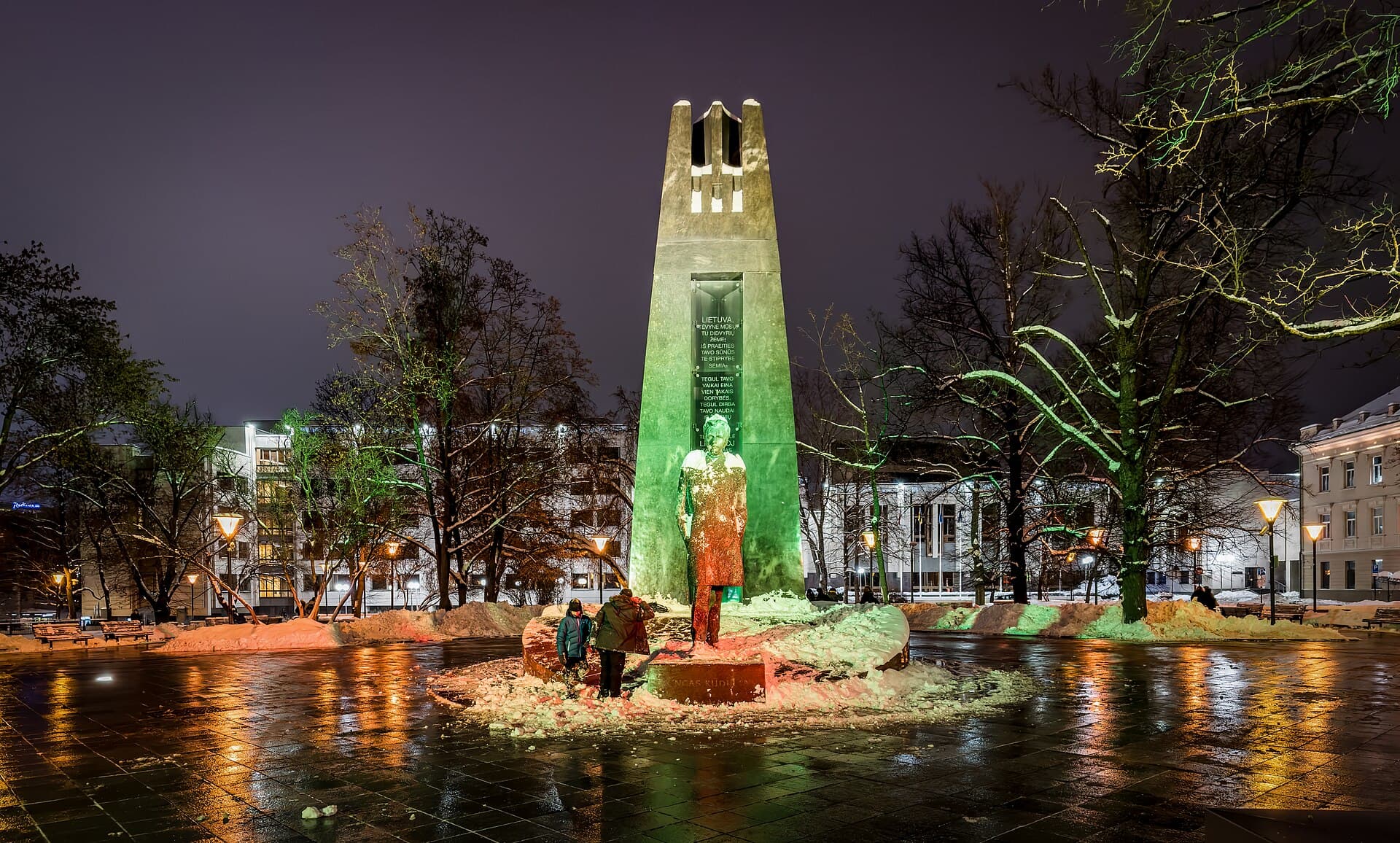 Vincas Kudirka SquareA square on Gediminas Avenue, Vilnius's main street, named after Vincas Kudirka,10 minutes walk4.7
Look at the gateway first: wide enough for a carriage, usually with arms or an inscription above. Then the inner courtyard behind it if it stands open — many Vilnius courtyards are open by day because they hold offices or cafés. The whole old town is a connected network of courtyards, and that is among its greatest pleasures.
The reconstructed Palace of the Grand Dukes beside the cathedral is the principal one and is fully visitable. The Presidential Palace runs limited tours. Most of the other old-town palaces are in institutional use and are seen from outside only.