
The pumpkin dome
A sixteen-ribbed dome alternating flat and scalloped segments, raised a few years before the great Hagia Sophia.
fusion-of-horizons — CC BY 2.0 · Dosseman — CC BY-SA 4.0 · fusion-of-horizons — CC BY 2.0 · Hunanuk — CC0
Before Justinian built the Hagia Sophia, he rehearsed the idea here at a fraction of the size. The Church of Saints Sergius and Bacchus, finished around 536, is often described as the dress rehearsal for the most famous dome in the world. Step inside and you find an irregular octagon of piers and marble columns set inside a rectangle, topped by a sixteen-ribbed dome that looks like a pumpkin cut into segments, and running around the upper gallery a carved Greek frieze that still praises Justinian and his wife Theodora, exactly as it was cut some fifteen centuries ago. The building became a mosque under Sultan Bayezid II, when Hüseyin Ağa, chief black eunuch of the Ottoman palace, added a minaret (the present one is a 1950s rebuild), a medrese alongside and, eventually, his own small tomb. What makes the visit rewarding is that the Ottoman and Byzantine layers never fight each other. The mosaics did not survive, so what remains is stone, marble and lace-like column capitals, with a calm white Ottoman decoration laid over them. The interior is bright, light and small enough to grasp in a single glance, which the big building up the hill never allows. It sits five to ten minutes downhill from the Blue Mosque along Küçük Ayasofya Caddesi, close to the old sea walls on the Marmara, and Sinan's Sokollu Mehmed Pasha Mosque a few streets away belongs on the same walk. Entry is free and the mosque is open to visitors between prayers from morning until around six in the evening, closing briefly around each prayer and for longer at Friday noon; modest dress and shoes off are the usual routine. Twenty to thirty minutes is plenty, stretched a little if you sit in the medrese courtyard, now a shady tea garden ringed by craft workshops and a pleasant spot for families after the crush of Sultanahmet square. Do not expect scale or queues. This is a quiet stop for anyone who likes architecture and wants to see where Hagia Sophia came from. If your Istanbul time is short and the story does not interest you, a look at the outside and a tea in the courtyard will do. In August heat, though, the mosque and its courtyard make a cool, shaded corner to escape the old city sun.
A sixteen-ribbed dome alternating flat and scalloped segments, raised a few years before the great Hagia Sophia.
A carved Greek inscription running around the upper gallery, naming the emperor and empress since the sixth century.
A shady tea garden ringed by craft workshops, an easy family break away from the Sultanahmet crowds.
Küçük Ayasofya Mahallesi, Küçük Ayasofya Cami Sokak No:20, 34122 Fatih
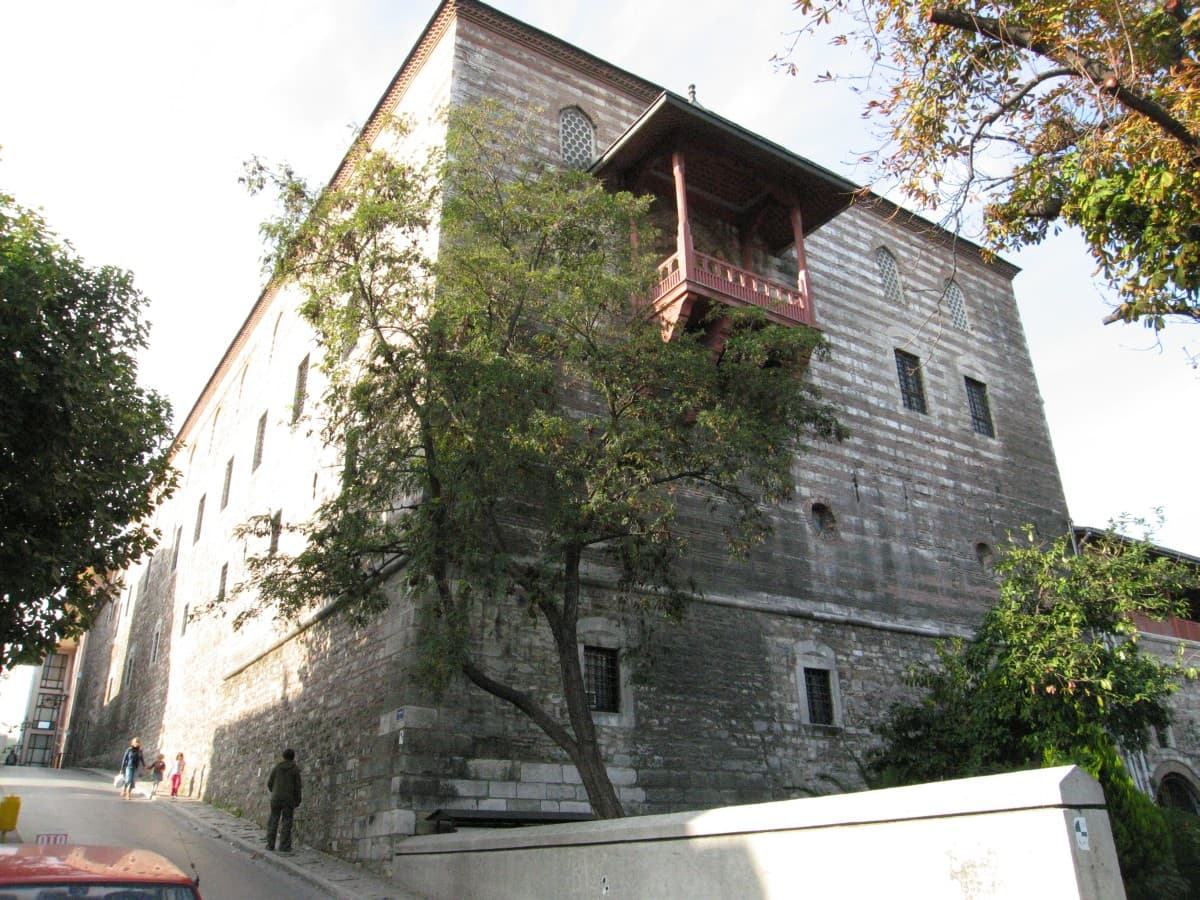 Turkish and Islamic Arts MuseumOne of the finest carpet collections on earth is not in Tehran or Cairo but in a6 min walk
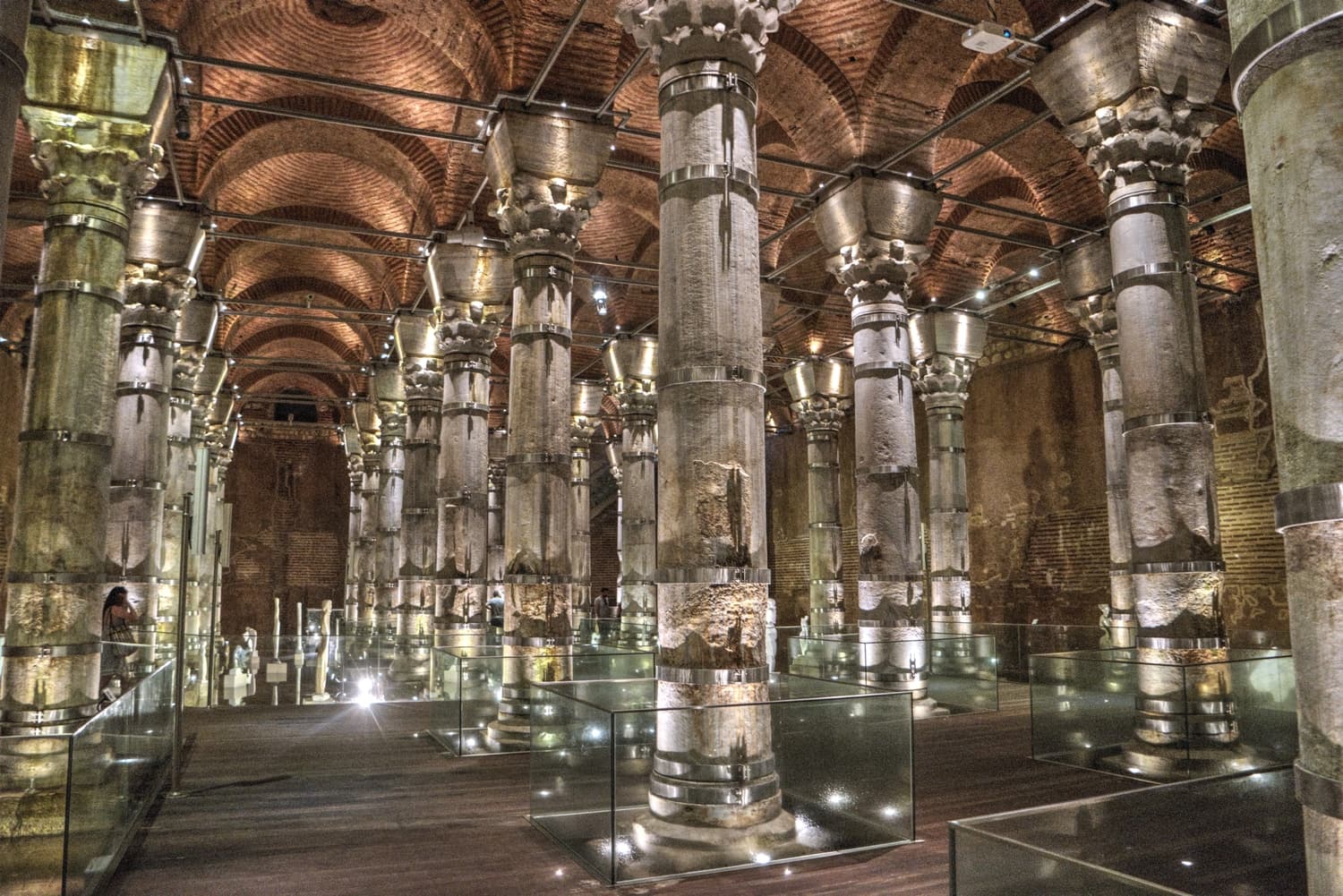 Theodosius Cistern (Şerefiye)Sixteen centuries old, and for the better part of a century it sat out of sight.6 min walk
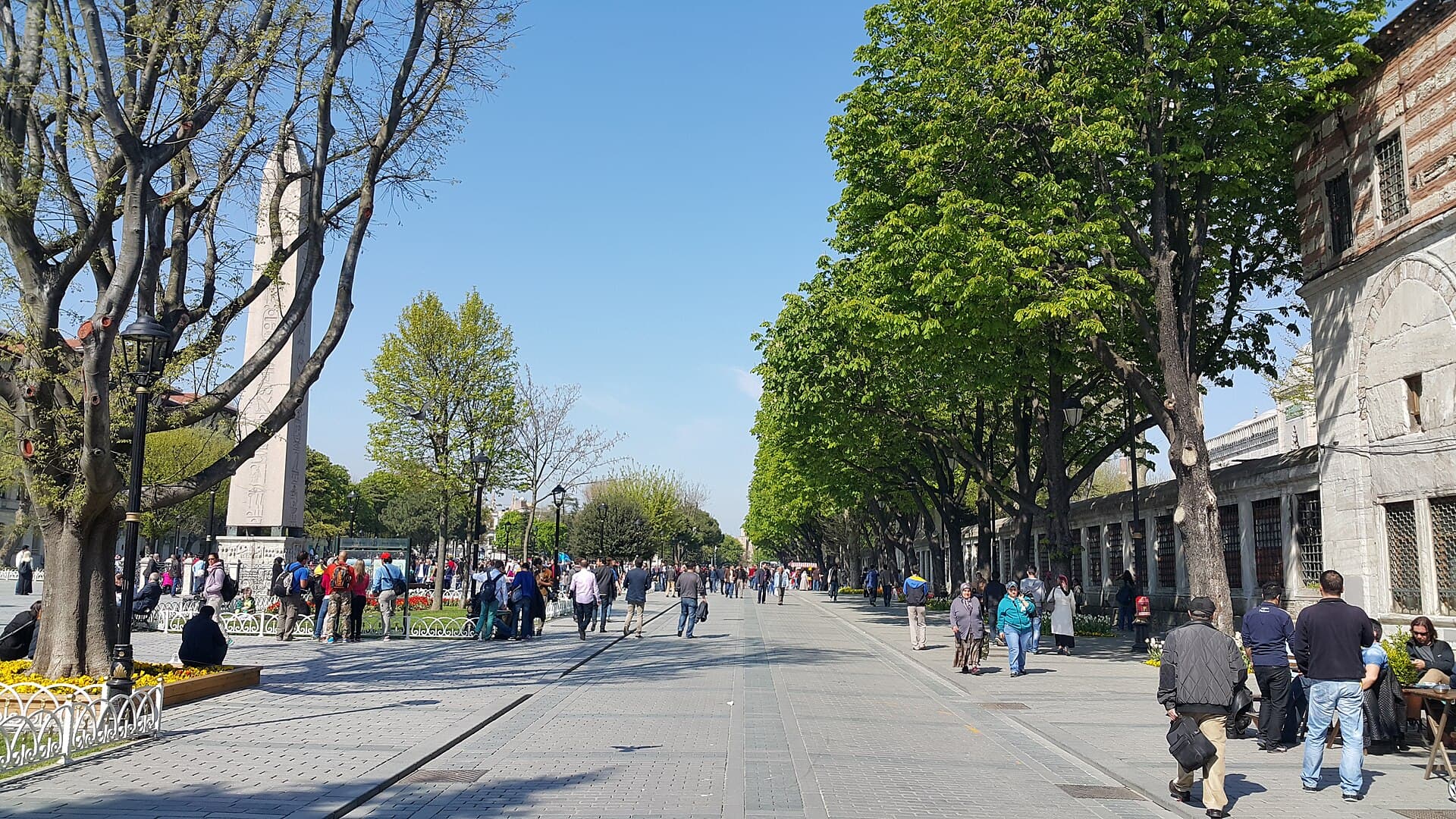 Hippodrome (Sultanahmet Square)About two metres under your feet lies the chariot track where something like a h6 min walk
 Blue MosqueAn early seventeenth-century mosque on Sultanahmet Square, standing directly opp6 min walk4.6
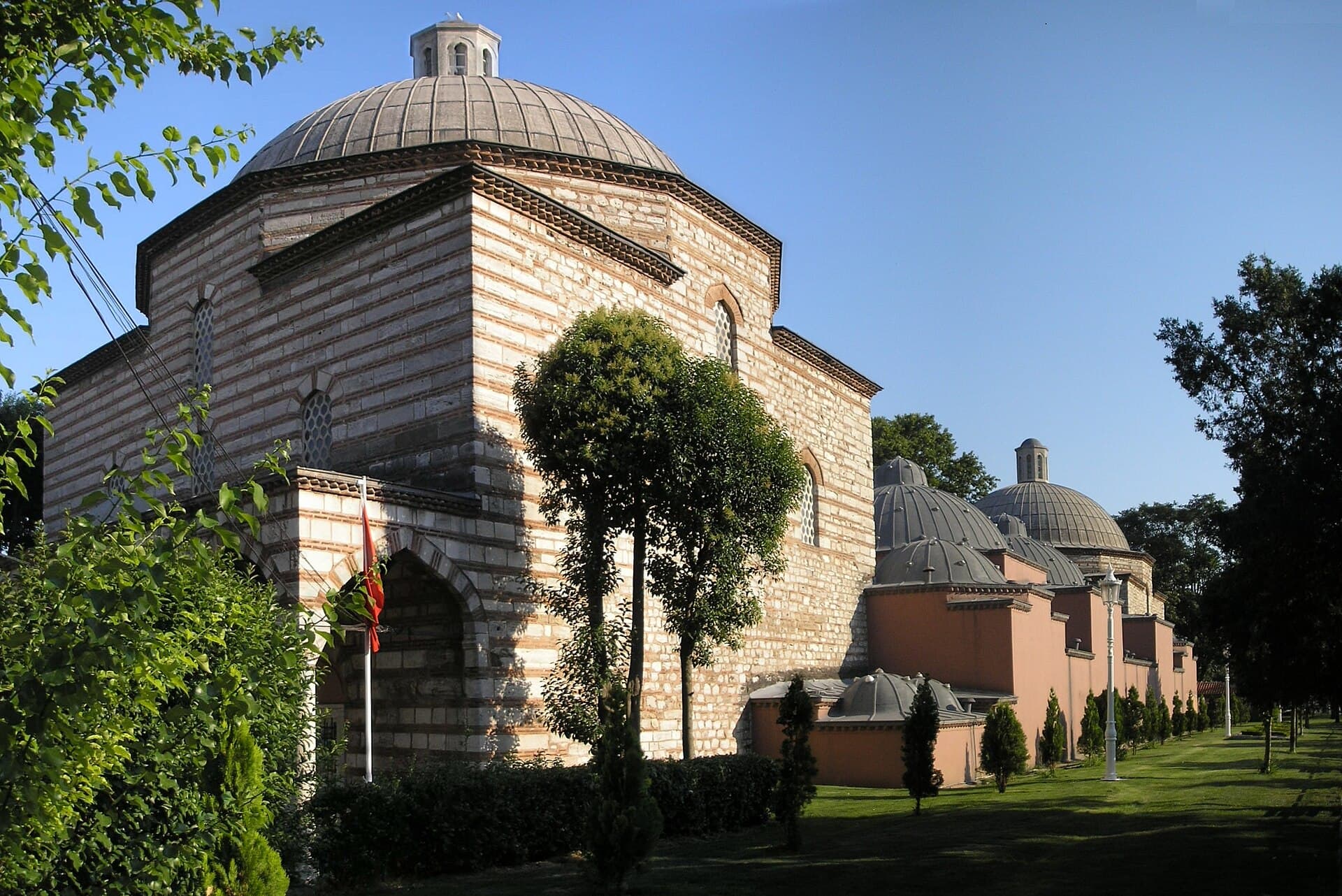 Hürrem Sultan HammamBetween Hagia Sophia and the Blue Mosque, where every tour group stops for photo10 min walk
Yes if you care about architecture: you see the same idea before it grew up, with no queue, no ticket and in twenty minutes. If you are going for scale and photos, the big one is enough; this mosque is small and has no mosaics.
The walk down from Sultanahmet is steep but paved, entry from the courtyard is nearly level, and the pushchair waits by the door with the shoes. The visit is short and the courtyard next door is a good family break.
Sign in to write your review of this place.
No reviews yet — be the first.