
Lotus ponds
And zigzag bridges.
K.Y.K.Z.K. — CC BY-SA 4.0 · LN9267 — CC BY-SA 4.0 · Max Bates — CC BY-SA 4.0 · LN9267 — CC BY-SA 4.0 · LN9267 — CC BY-SA 4.0 · LN9267 — CC BY-SA 4.0 · LN9267 — CC BY-SA 4.0 · LN9267 — CC BY-SA 4.0
A quiet classical Chinese garden in the heart of Macau, laid out in 1906 by the family of the wealthy merchant Lou Kau as part of their residence, in the style of the famous gardens of Suzhou; it has been a public park since 1974. Its grounds hold lotus-covered ponds, zigzag bridges, great rocks shaped like miniature mountains and bamboo paths, and the Chun Chou Tong pavilion, blending Chinese and European touches, looks out over its lake. The garden also houses the Macau Tea Culture House, on the history of the tea trade in Macau, and locals come in the morning for tai chi and to sit by the water, making it a green oasis among busy neighbourhoods. Entry is free, per visitor guides. Early morning is the loveliest time, and it makes a good rest stop between Guia Fortress and the old town.
And zigzag bridges.
Suzhou style.
Trade history.
São Lázaro, central Macau
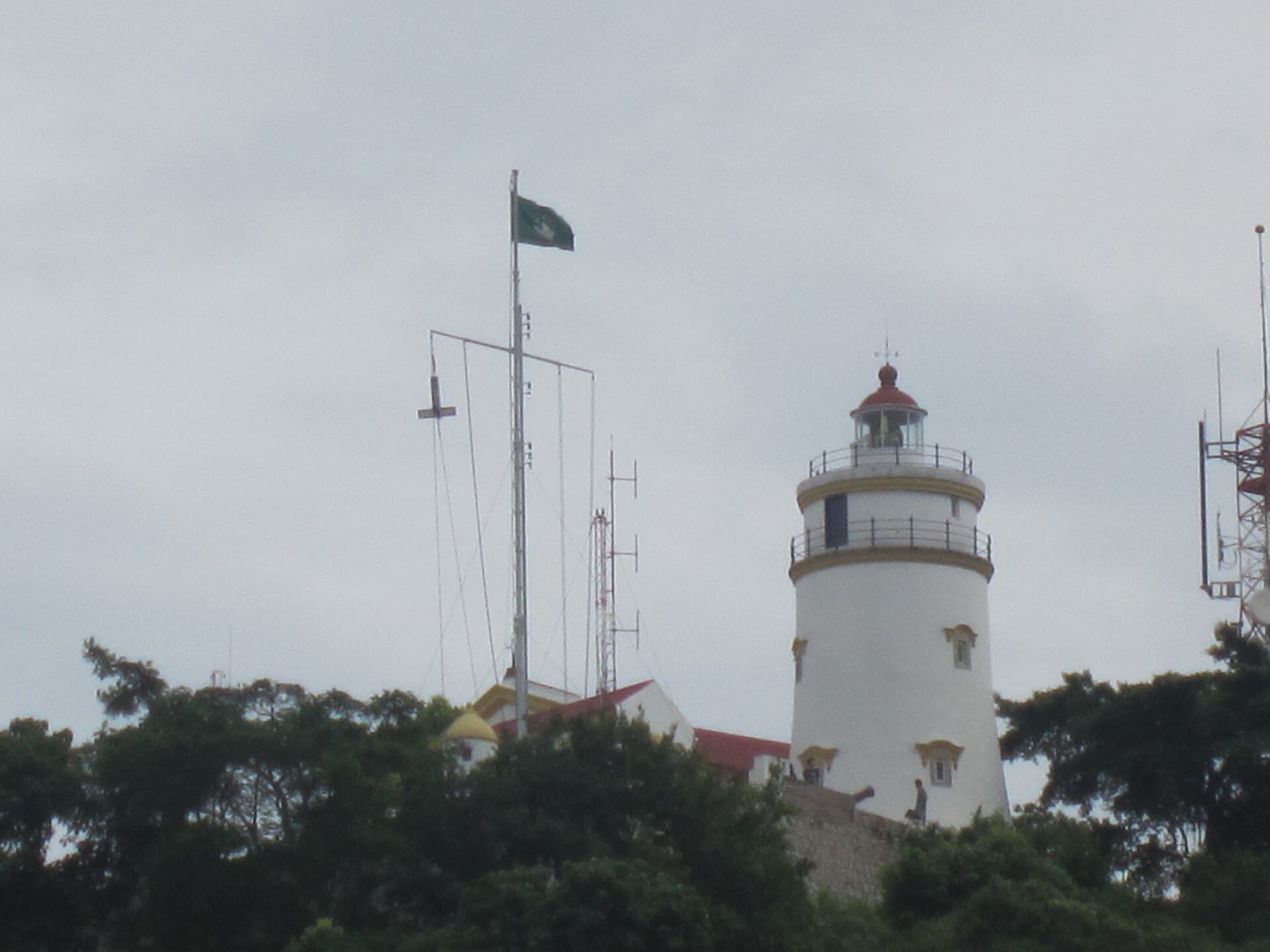 Guia Fortress and LighthouseA fort, lighthouse and small chapel on Guia Hill, the highest point of the Macau6 minutes walk
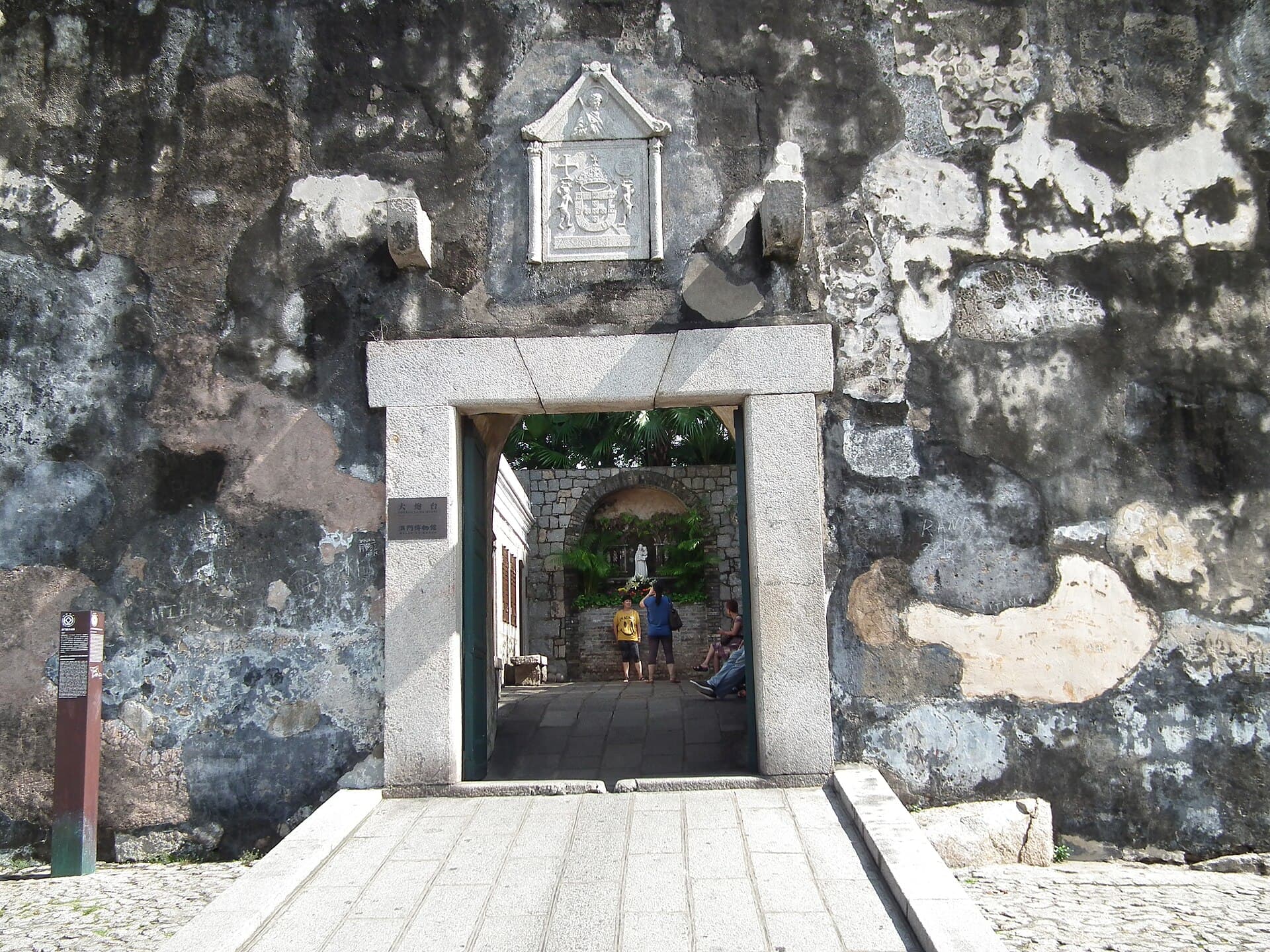 Monte Fort and Macao MuseumMacau's historic military heart, a fort built by the Jesuits between 1617 and 168 minutes walk
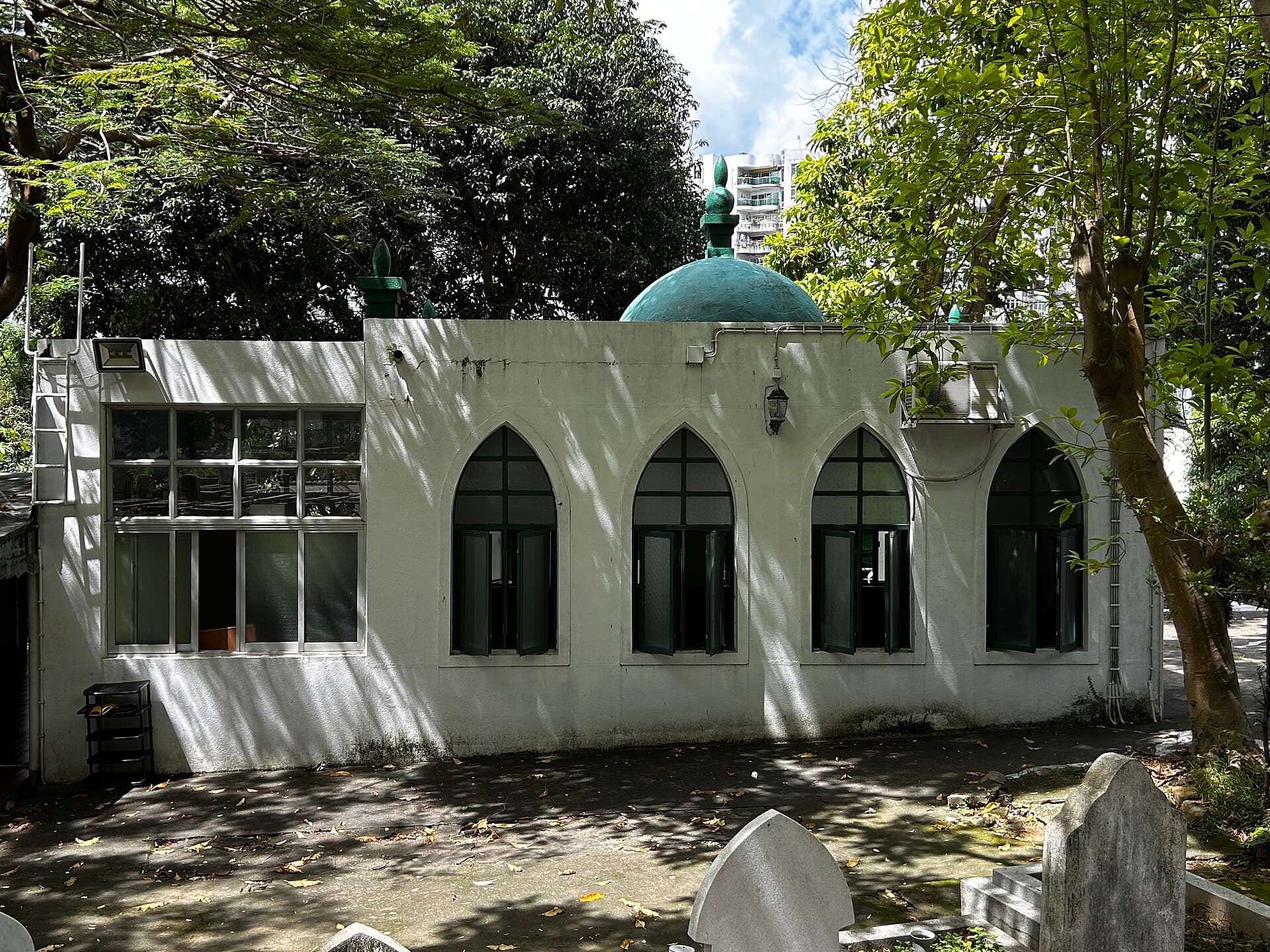 Macau Mosque and CemeteryThe only mosque in Macau, together with its only Muslim cemetery, in the Fátima 9 minutes walk
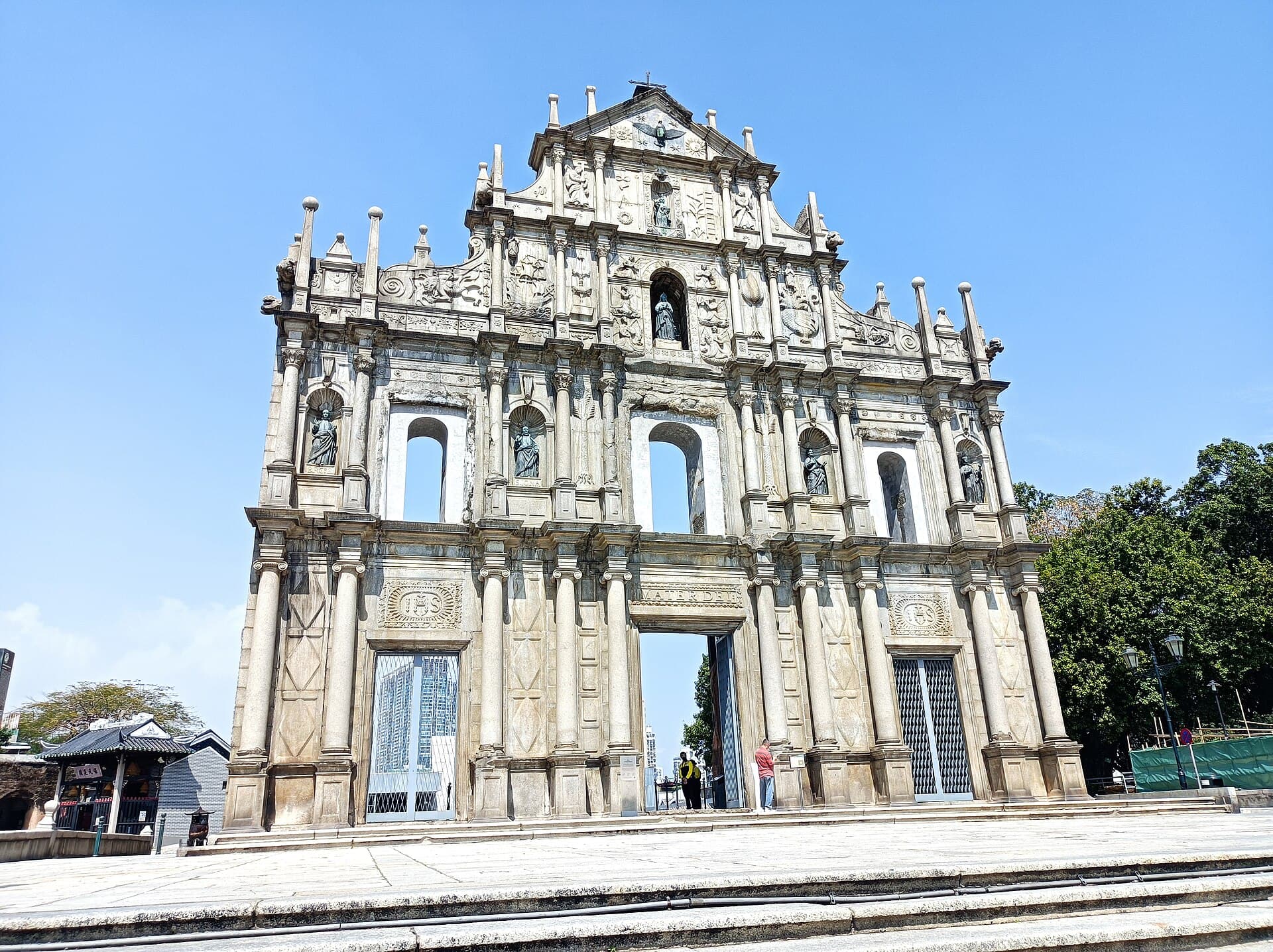 Ruins of St. Paul'sMacau's best-known symbol, a towering stone façade standing alone at the top of 10 minutes walk
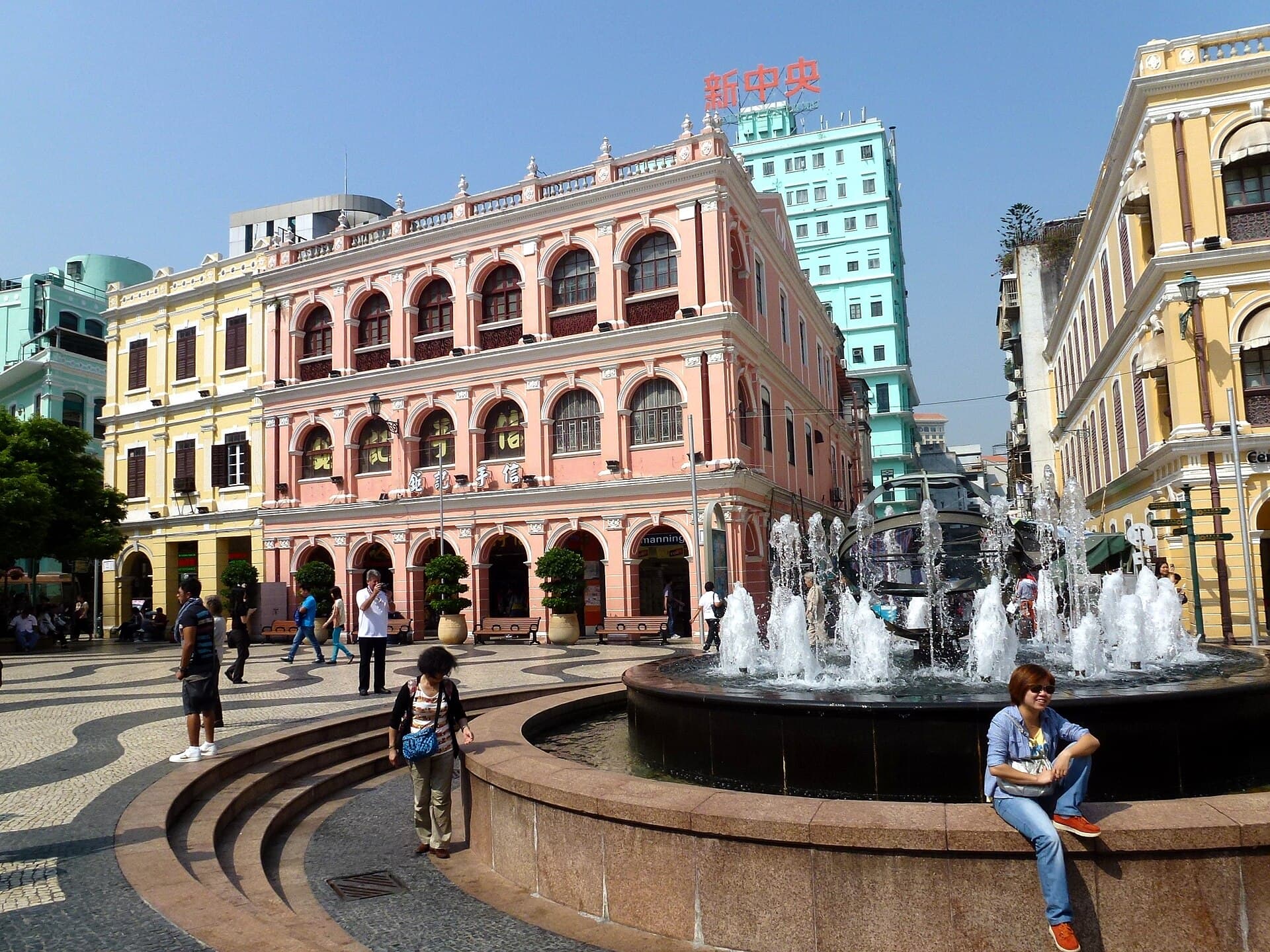 Senado SquareThe heart of old Macau, a triangular square of about 3,700 square metres named a14 minutes walk
Yes, entry is free, and early morning is the loveliest time, when locals exercise by the water, per visitor guides.