
Walking among the generators
The machines at original scale in their industrial space.
Rimantas Lazdynas — CC BY-SA 3.0 · ETMVilnius — CC BY-SA 4.0 · Хомелка — CC BY-SA 3.0 · Хомелка — CC BY-SA 3.0
A museum in Vilnius's first power station, built in 1903 and running until 1998, converted into a museum with its machinery left in place. That is what distinguishes it: the boilers, turbines, generators and switchboards were not moved into a display hall but left where they worked, at their original scale and in their industrial space. You walk among the machines that lit the city. The station itself is a story: when it opened in 1903 Vilnius was a city of the Russian Empire, and it kept running through every change of rule — Russian, German, Polish, Soviet and then independent Lithuanian — until it closed after ninety-five years. Alongside the machinery are interactive sections on electricity and physics aimed at children and school groups, and contemporary art exhibitions are sometimes staged in the industrial spaces. Practical points: entry is ticketed, and the building is large with stairs and levels. Good for families. It usually closes one day a week.
The machines at original scale in their industrial space.
Russian, German, Polish, Soviet and Lithuanian — and the station kept running.
Experiments on electricity and physics aimed at children.
The former central power station, bank of the Neris, Vilnius
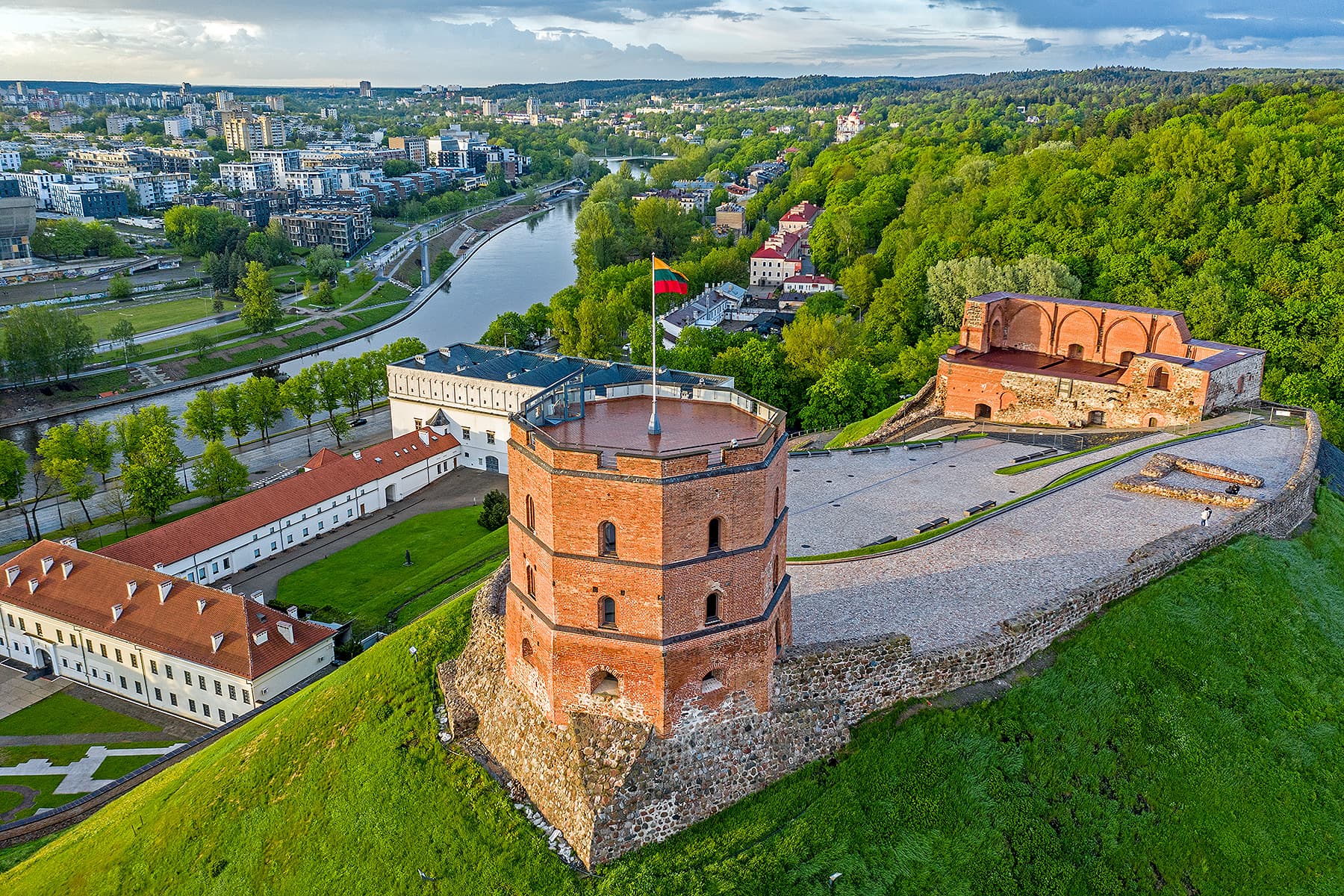 Gediminas' TowerAll that survives of Vilnius's Upper Castle, and the nation's emblem: the octago6 minutes walk4.8
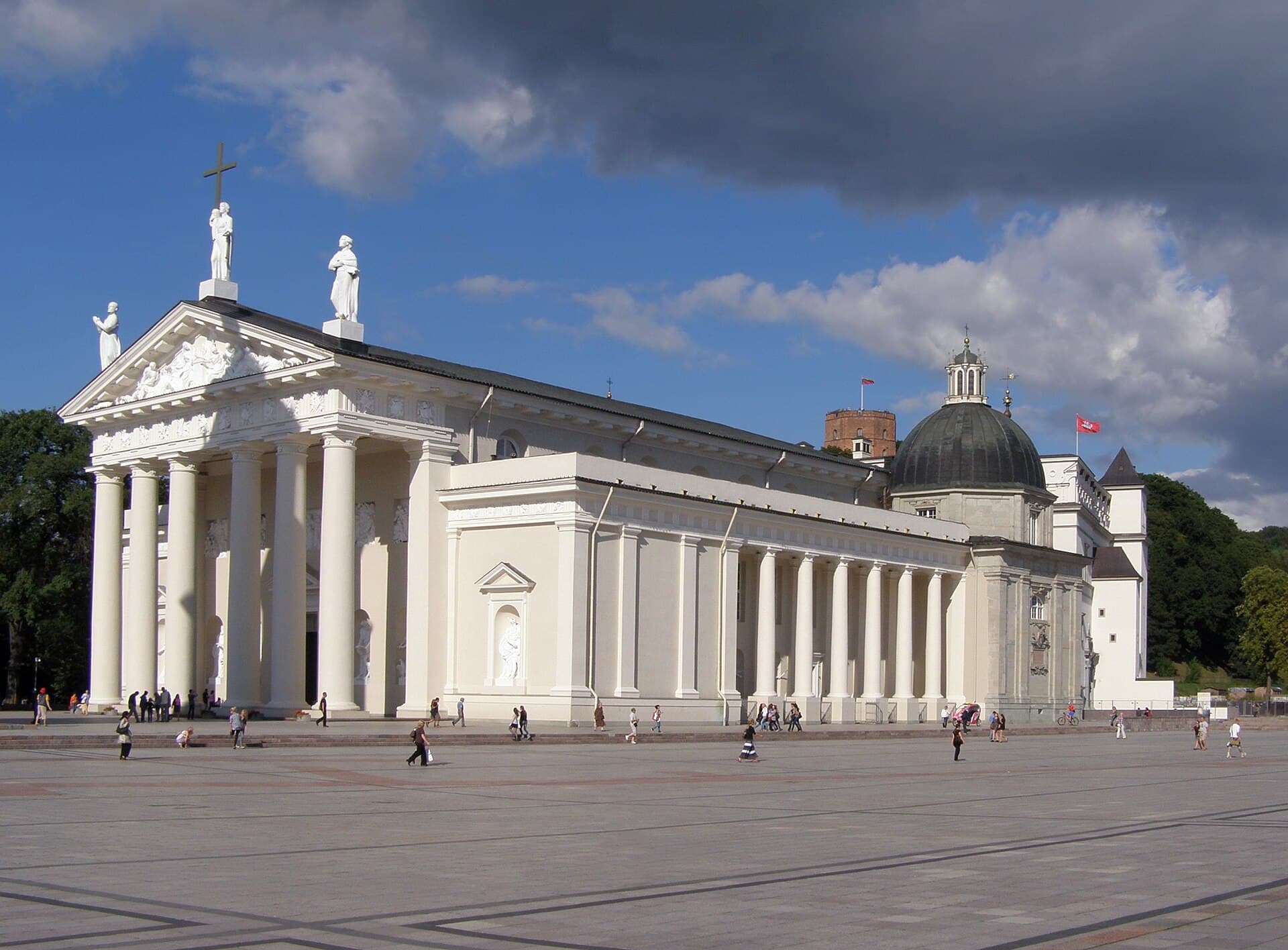 Vilnius CathedralA white Greek temple in the heart of the Baltic: Vilnius Cathedral, with its Neo6 minutes walk4.7
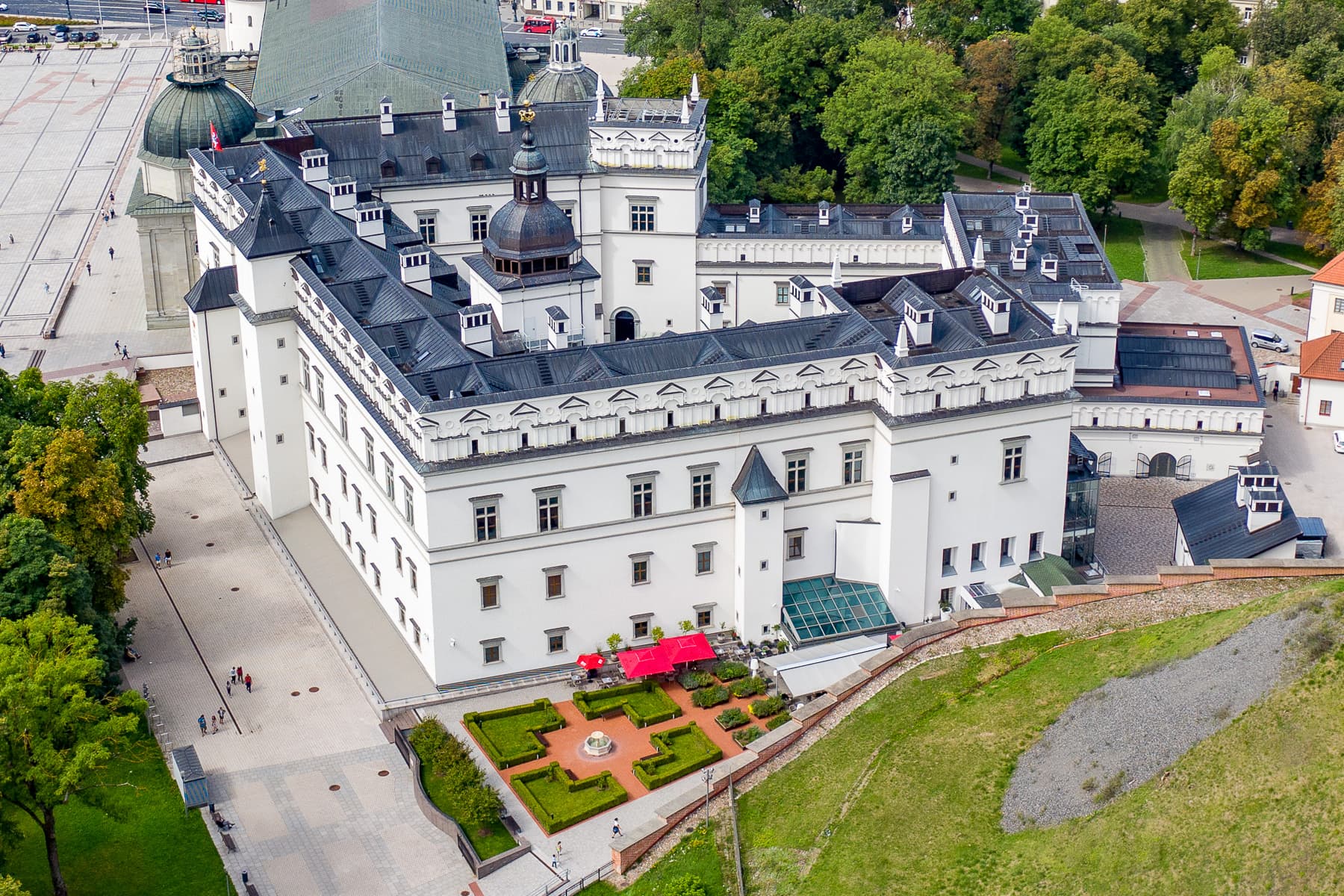 Palace of the Grand Dukes of LithuaniaA palace rebuilt from nothing to return a nation to its history: this was the se6 minutes walk4.8
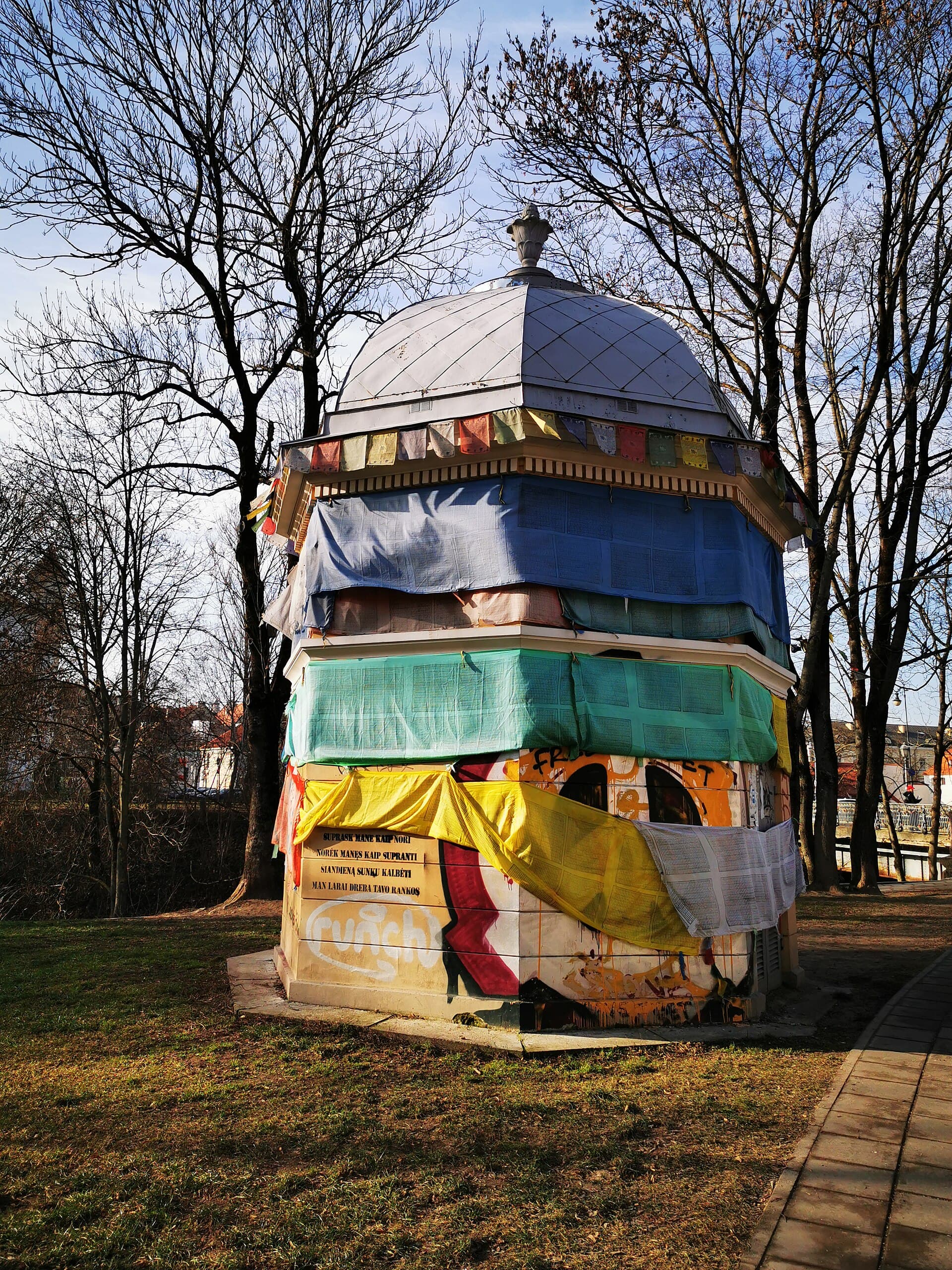 Tibet SquareA small square near the Užupis district of Vilnius, formally dedicated to Tibet 7 minutes walk4.6
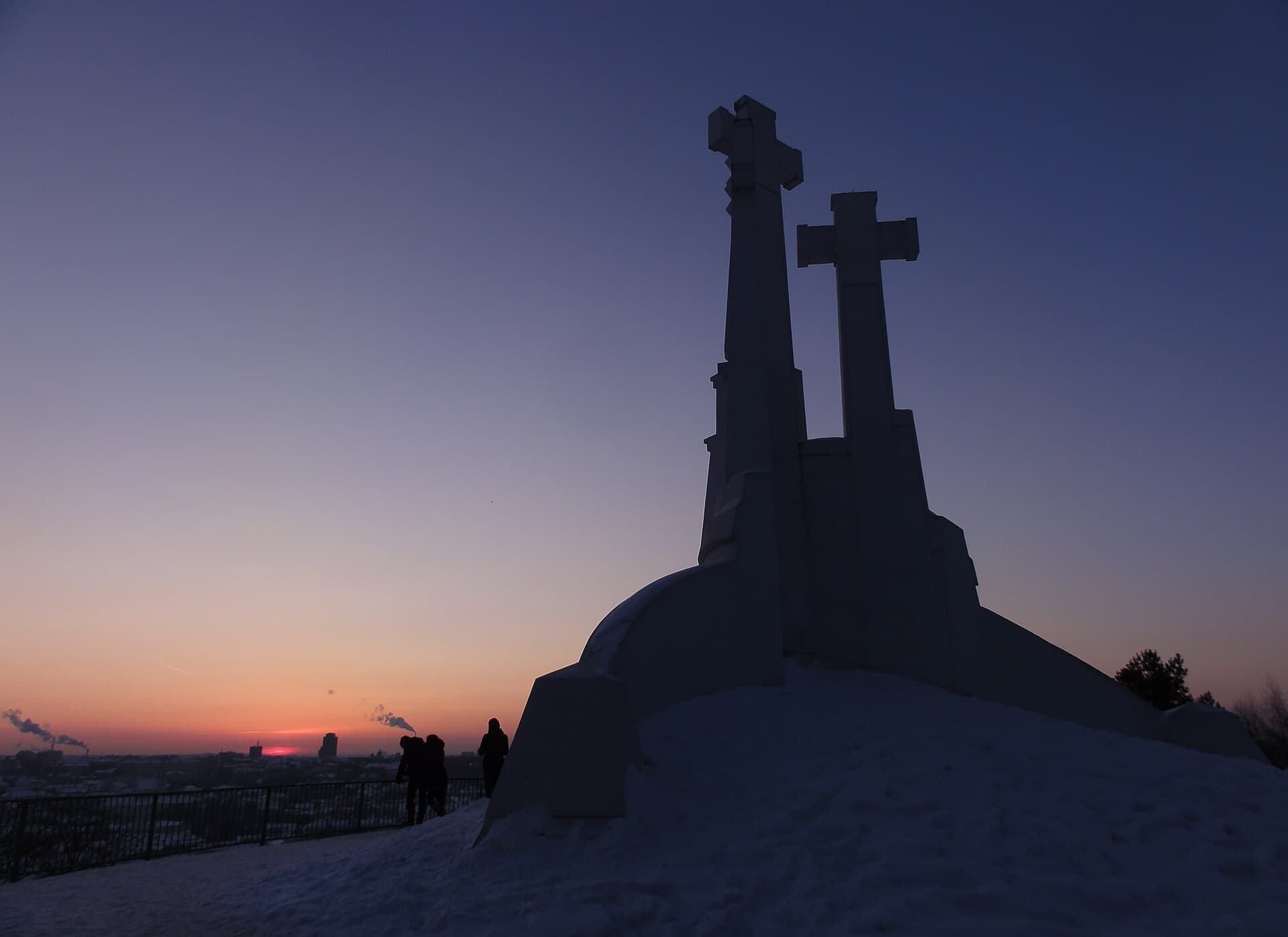 The Three Crosses MonumentThree white crosses on a green hill, visible from everywhere in Vilnius: the mon10 minutes walk4.8
More than you would expect. The effect here is visual and spatial before it is technical: the scale of the machinery and the industrial space itself leave an impression regardless of whether you follow how it worked. The interactive sections make it easy with children.
The bank of the Neris and the walk from it into the old town, or the White Bridge nearby. The museum is on the edge of the centre, so it folds into a day covering the old town with almost no extra travel.