
The white double-draw
Wooden arms hand-raised in three centuries' style.
S Sepp — CC BY-SA 3.0 · Massimo Catarinella — CC BY 3.0 · Txllxt TxllxT — CC BY-SA 4.0 · Paul Arps from The Netherlands — CC BY 2.0
The dearest of Amsterdam's twelve hundred bridges: the Skinny One crosses the Amstel as a white wooden double-draw in seventeenth-century style — the present edition 1934, the original 1691 — its arms still raised by hand for passing boats: the live operation half its magic. Its legend is kept: two rich 'Magere' sisters on opposite banks building it to visit — prose more likely naming it for the first walkway's thinness that barely passed two. By night twelve hundred small bulbs light it into the city's most famous romance — a mid-bridge kiss lasts as love, tourism says and lovers accept. From its banks run the Amstel's finest reaches: the Royal Carré theatre neighbours, houseboats moor — and Rembrandtplein and the flower market walk in minutes: an obligatory sunset station on every eastern route.
Wooden arms hand-raised in three centuries' style.
Small lights on water — Amsterdam's night postcard.
The two banks' rich sisters visiting — prose saying thinness.
Magere Brug, Amstel river, 1018 Amsterdam
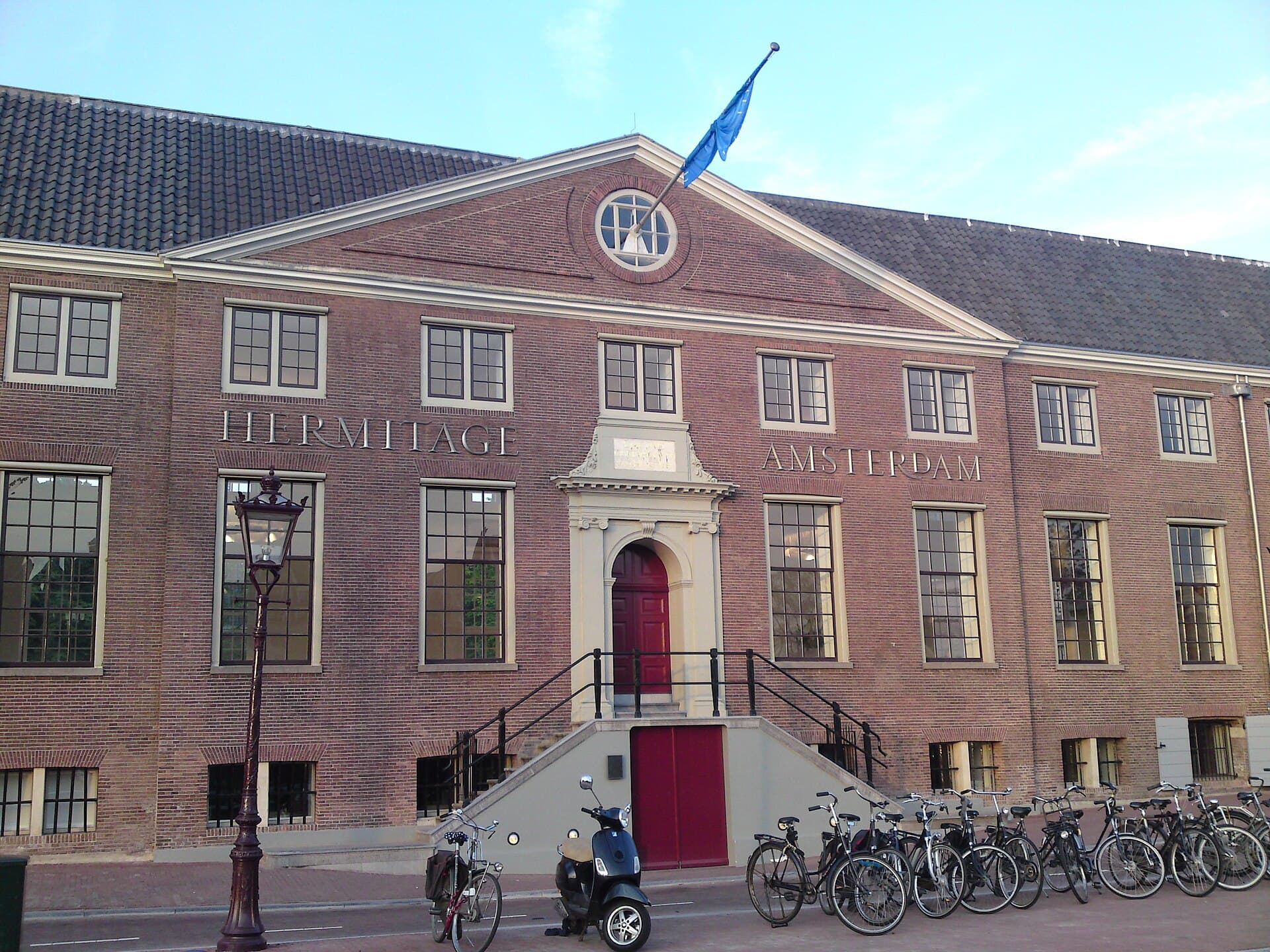 H'ART Museum (formerly Hermitage Amsterdam)The H'ART Museum occupies the Amstelhof, a huge seventeenth-century former old-p2 minutes walk4.3
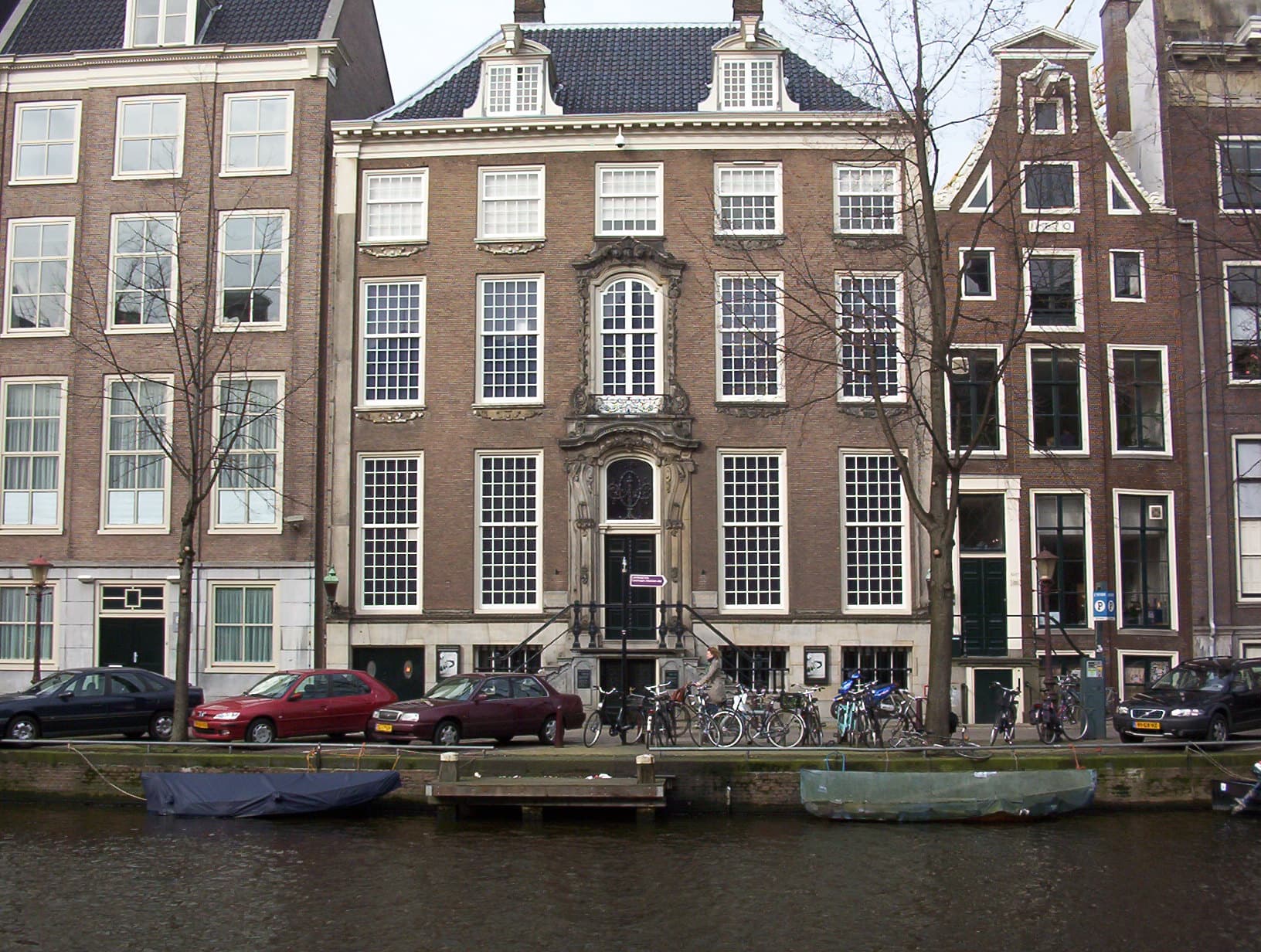 The Willet-Holthuysen HouseThe Willet-Holthuysen house is a canal house of 1687 on the Herengracht, and the4 minutes walk4.5
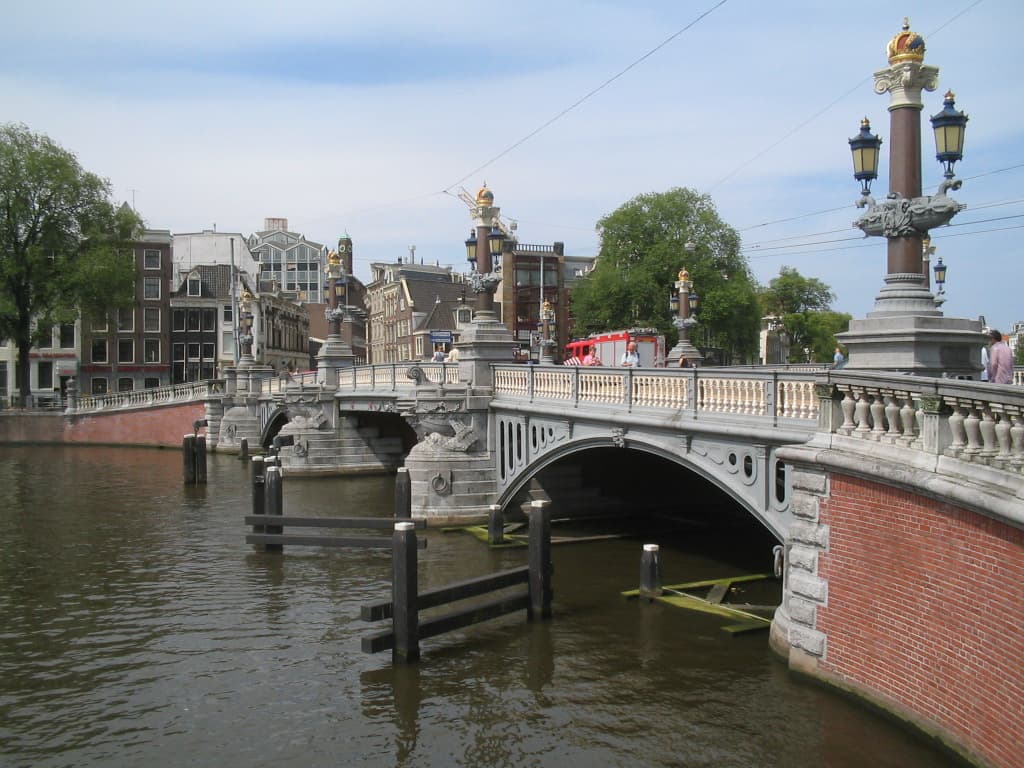 The BlauwbrugThe Blauwbrug crosses the Amstel between Waterlooplein and the Rembrandtplein ar4 minutes walk4.8
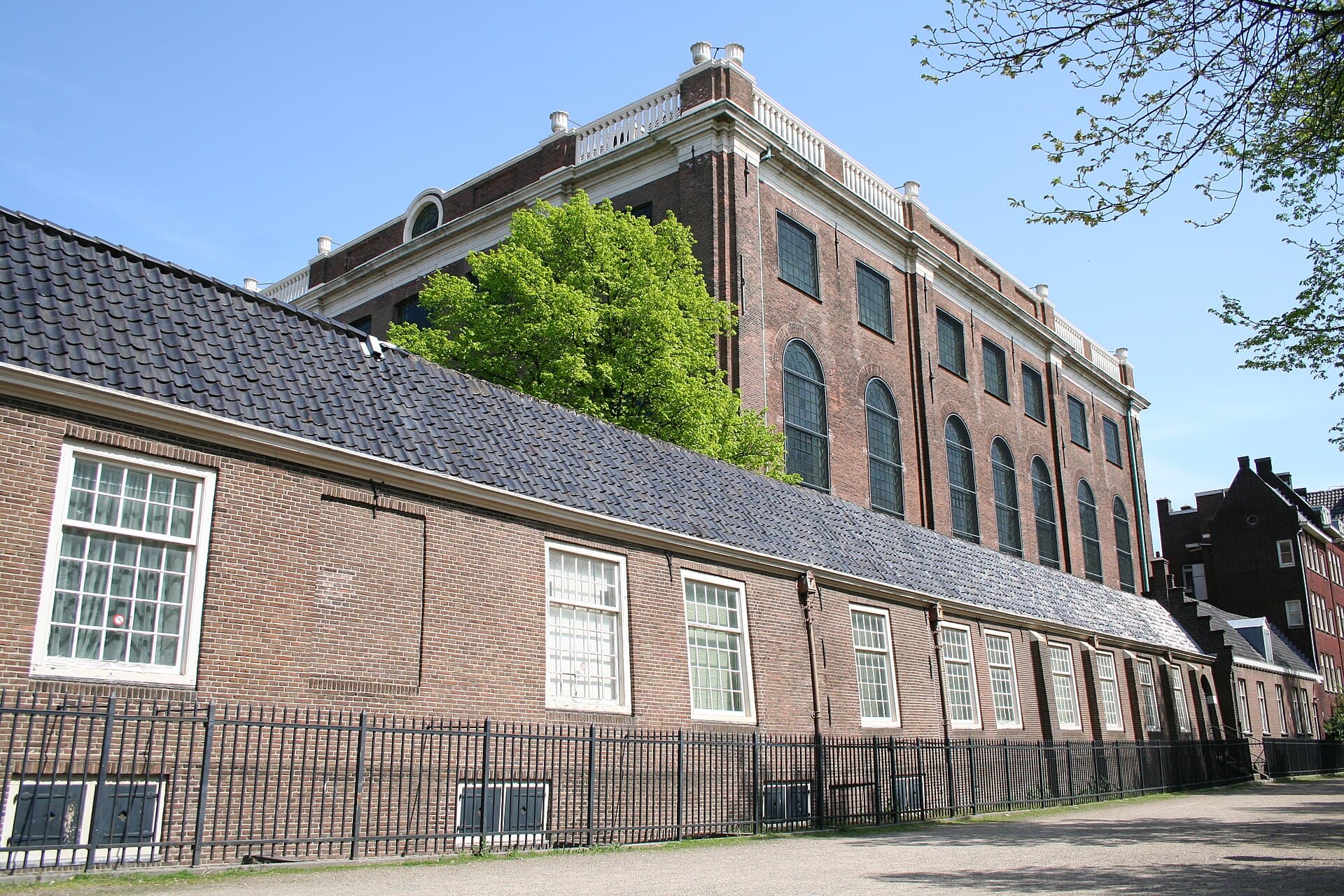 The Portuguese SynagogueThe Portuguese Synagogue — known locally as the Esnoga — was built in 1675 for A6 minutes walk4.4
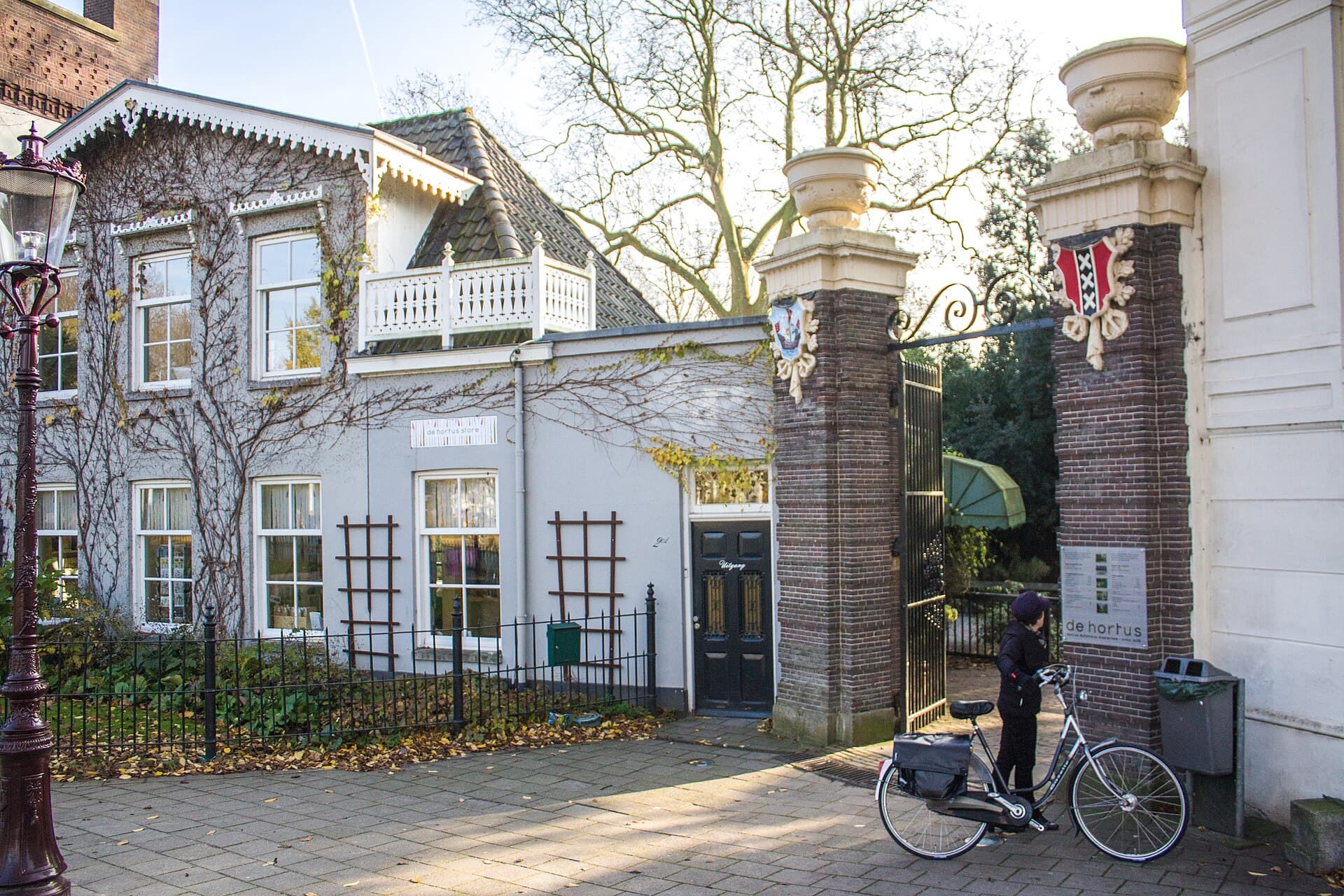 Hortus BotanicusThe Hortus Botanicus is among the world's oldest botanical gardens (1638) — Amst7 minutes walk4.4
No posted schedule — it lifts for masted passages every few daytime hours: summer luckiest in traffic, and a quarter-hour on the bank benches reasonable investment. The trick: pass it several times in your eastern day and it will likely catch you.
North to the city: Carré, the houseboat rows, Rembrandtplein with his statue and bronze Night Watch — twenty minutes. South to quiet: the villa-and-rowing bank towards Amstelpark for Amsterdam without one tourist — a paradise cycling hour.
The tradition is tourist-born but rooted until the city believed it: weekly proposals mid-span, and traditions are made exactly so. The truer claim: this is the finest spot to see watery Amsterdam by night — the kiss follows naturally.