
The original furnishings
A house never emptied — everything in place.
Public domain · Txllxt TxllxT — CC BY-SA 4.0 · Txllxt TxllxT — CC BY-SA 4.0 · Txllxt TxllxT — CC BY-SA 4.0
The Willet-Holthuysen house is a canal house of 1687 on the Herengracht, and the first canal house in Amsterdam to open to the public as a museum — still among the best, because it was never emptied and refurnished but kept as its owners left it. The story is personal. Louisa Willet-Holthuysen inherited the house and her husband's art collection, and when she died in 1895 childless she left the house and everything in it to the city of Amsterdam on one condition: that it open to the public under both her husband's name and her own. The city accepted, and opened it two years later. The result is that you walk through a wealthy nineteenth-century household with its furniture, porcelain, glass, paintings and kitchen equipment in place. Behind it is a small symmetrical French garden recreated on the original plan — one of the few gardens visible in central Amsterdam, since most hide behind the houses.
A house never emptied — everything in place.
A symmetrical garden rarely visible in the centre.
Herengracht 605, 1017 Amsterdam
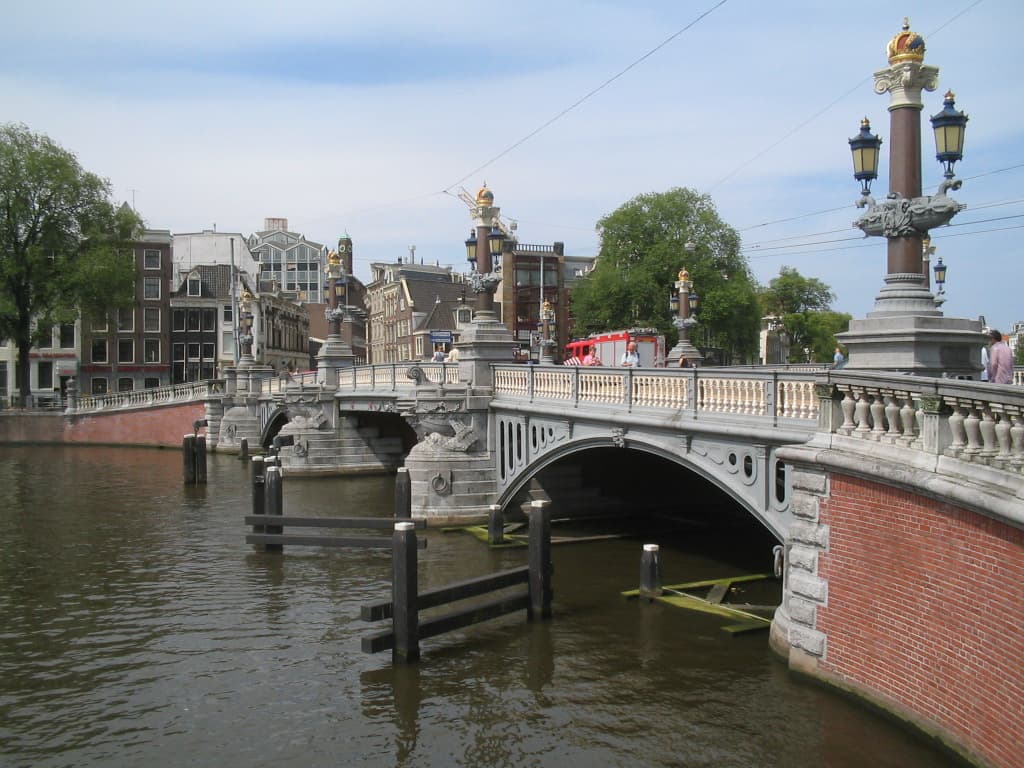 The BlauwbrugThe Blauwbrug crosses the Amstel between Waterlooplein and the Rembrandtplein ar2 minutes walk4.8
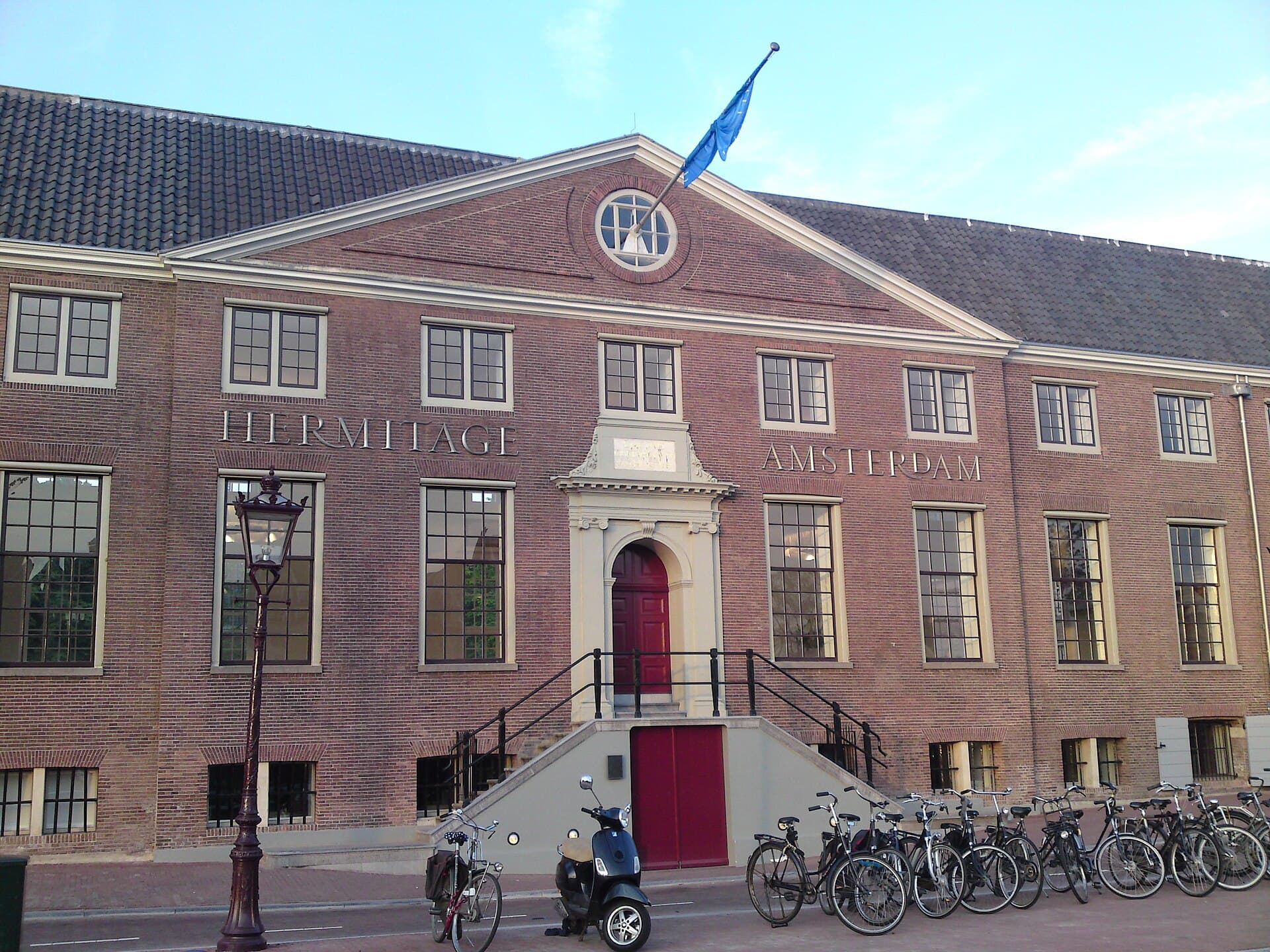 H'ART Museum (formerly Hermitage Amsterdam)The H'ART Museum occupies the Amstelhof, a huge seventeenth-century former old-p3 minutes walk4.3
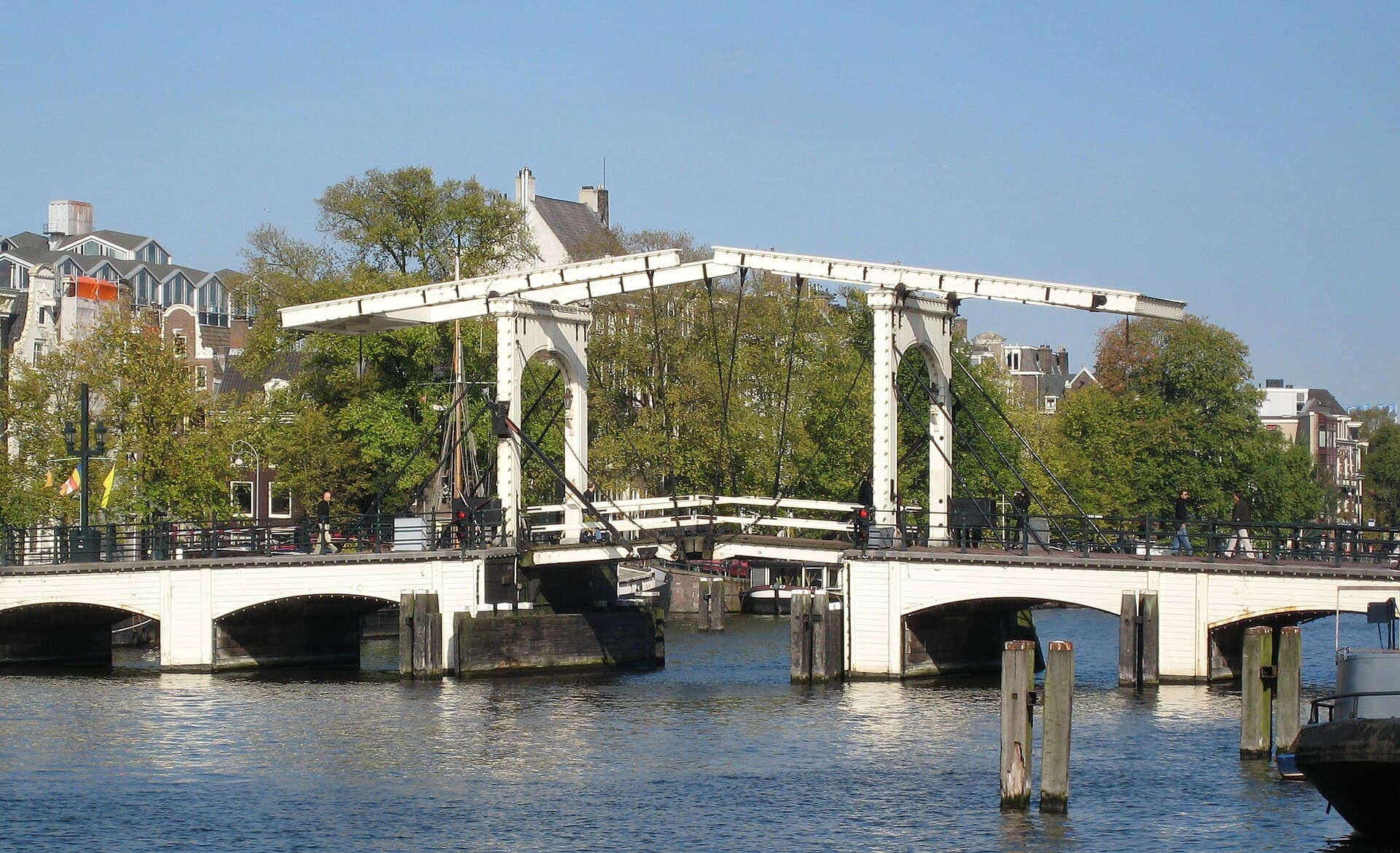 Magere Brug (Skinny Bridge)The dearest of Amsterdam's twelve hundred bridges: the Skinny One crosses the Am4 minutes walk4.4
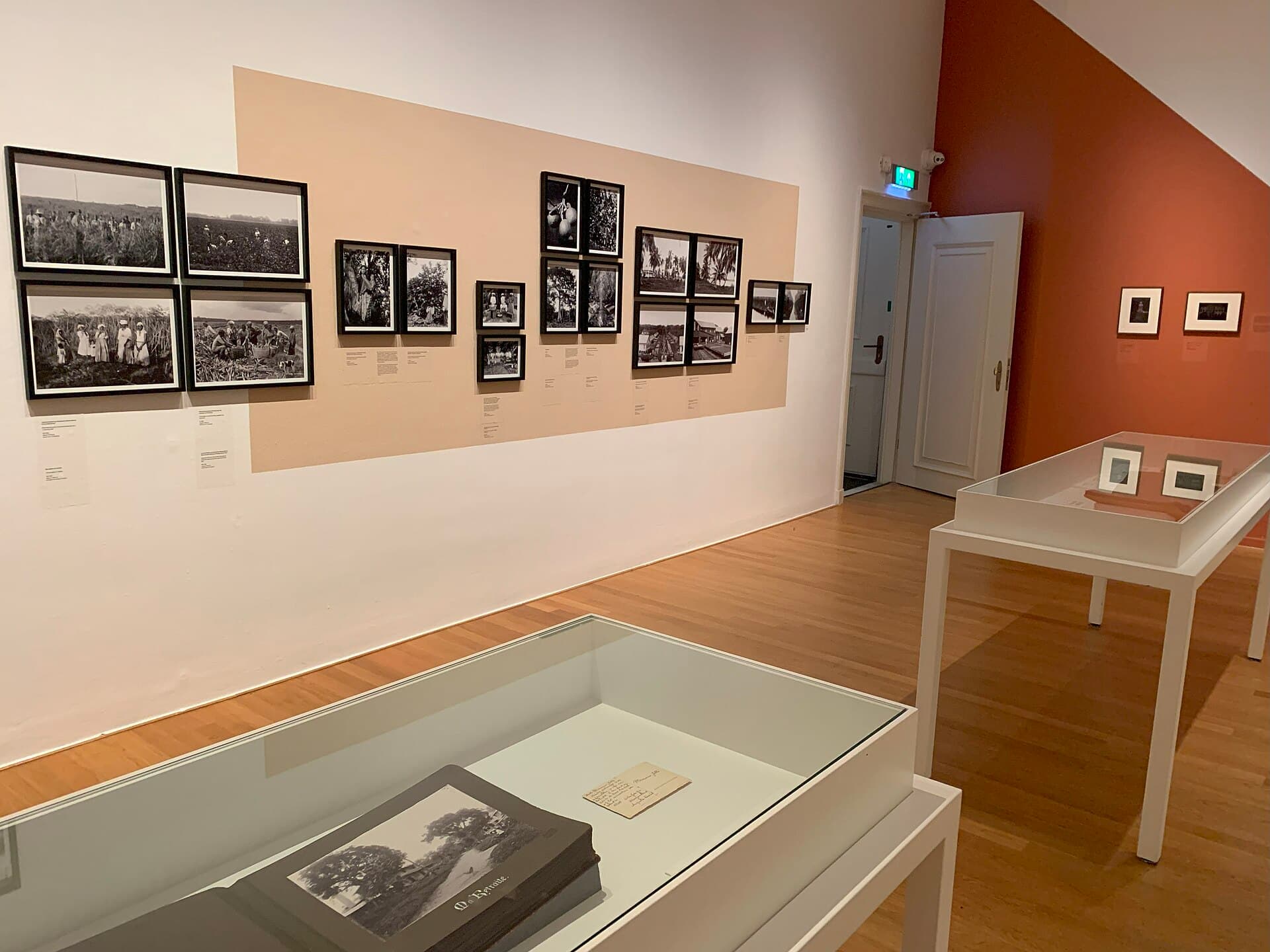 Foam Photography MuseumFoam is a museum devoted to photography alone, occupying a canal house on the Ke5 minutes walk4.3
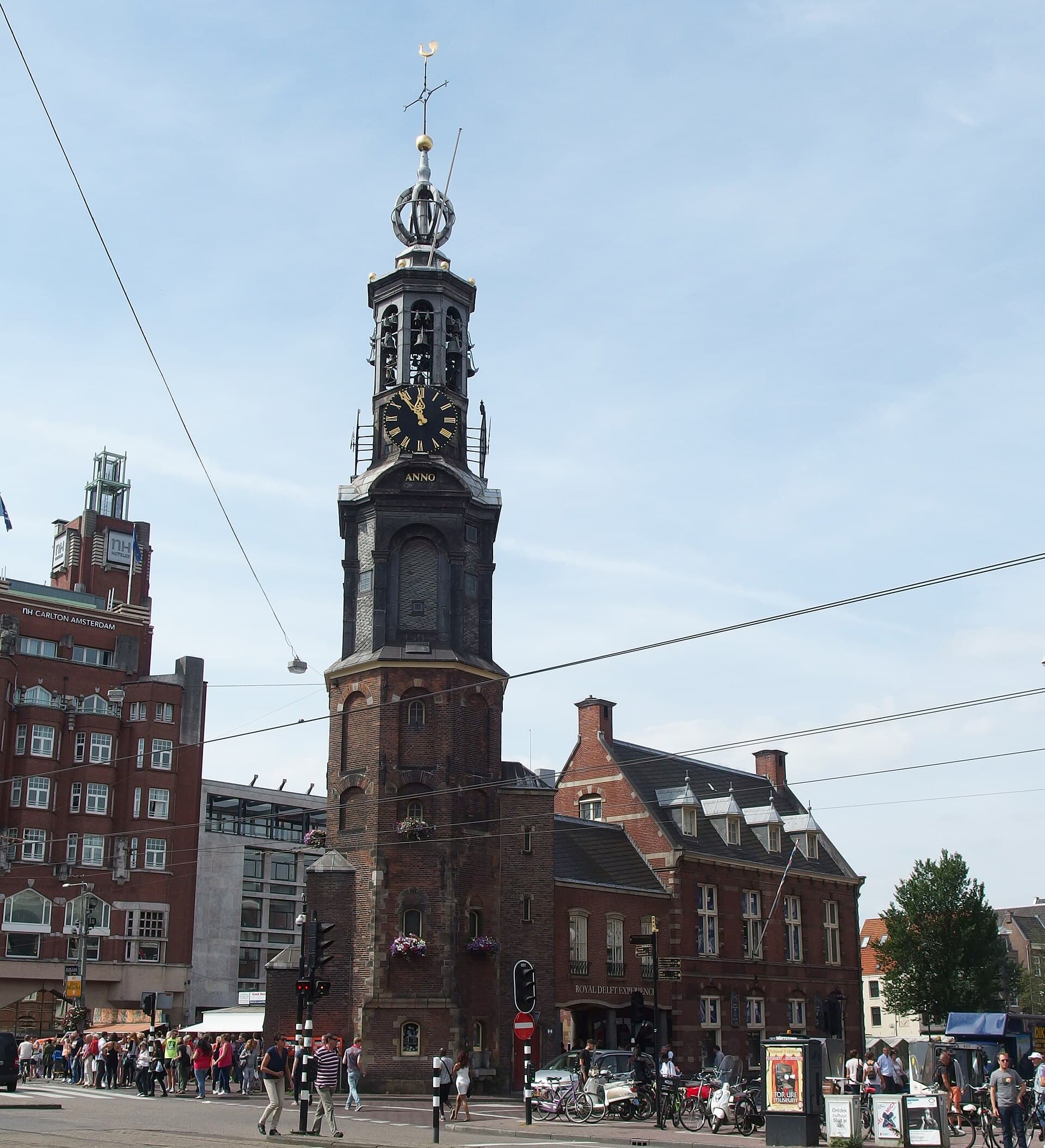 The MunttorenA tower in two halves from two centuries: the Munttoren was part of the Regulier5 minutes walk4.4
Because tax was assessed on the width of the frontage onto the canal rather than the floor area. So merchants built houses narrow at the front, running deep to the rear and rising four or five storeys. And because the internal stairs became steep and narrow to save space, hoisting hooks were fixed at the top of every facade to lift furniture and goods in from outside through the windows — and they are still used today.