
The West Asian gallery
Nine centuries of glazed ceramics, bronzes and manuscripts, with Arabic calligraphy shown as art rather than ornament.
sailko — CC BY-SA 3.0 · Roberto Cortese - Archivio Storico della Città di Torino — CC BY-SA 4.0 · Roberto Cortese - Archivio Storico della Città di Torino — CC BY-SA 4.0 · Dario Crespi — CC BY-SA 4.0
In a Baroque palace that housed a textile works for the best part of a century after 1870, there is a gallery the museum itself now labels Central Western Asia, the Arabian Peninsula and the Mediterranean: glazed ceramics running from the ninth century to the seventeenth, bronzes and manuscripts — Persian, Ottoman and Central Asian above all, alongside finds from Iraq — and a display that treats Arabic calligraphy as an art in its own right rather than decoration around the edge of something else. For an Arab traveller in Turin, it is the most familiar room in a city where you would never expect to find one. The museum opened in December 2008, when the Asian holdings scattered through Palazzo Madama were gathered under a single roof in Palazzo Mazzonis, restored for the purpose by the architect Andrea Bruno. Five galleries climb the floors: South and Southeast Asia with its Gandharan sculpture; China, holding Italy's most important collection of funerary art from the Neolithic to the Tang; Japan, with Buddhist wooden figures, painted screens and lacquerwork; the Himalayas and their Tantric Buddhism; and finally the West Asian rooms. The ground floor keeps two Japanese-style rock gardens and the temporary exhibition space. Be clear-eyed about it: this is not a museum you travel to Turin for. If you have a single day in the city, the Museo Egizio and then Palazzo Madama or the Mole Antonelliana come first by a wide margin, and each has its own ticket and its own page here. But if you are staying two or three days, this is the calmest ninety minutes Turin offers. It is compact, beautifully lit, and almost never crowded even in high season — the exact opposite of the queue at the Egizio a few minutes away. It sits on Via San Domenico in the Quadrilatero Romano, about ten minutes on foot from Piazza Castello. A short walk north brings you to Porta Palazzo, the largest open-air market in Europe, ringed by Arab and North African restaurants and halal butchers — the easiest halal lunch in Turin, no searching required. The museum closes on Mondays and stays open until 20:00 on Thursdays only. Teenagers do fine here; small children may be bored in the permanent galleries, since there are no screens or activity trails, which is part of why it is so quiet — though the museum does run bookable family workshops under its MiniMAO programme.
Nine centuries of glazed ceramics, bronzes and manuscripts, with Arabic calligraphy shown as art rather than ornament.
The most important collection of its kind in Italy, spanning the Neolithic to the Tang dynasty.
A small, quiet surprise inside a Baroque palace, and the best place to pause before you climb.
Via San Domenico 11, Palazzo Mazzonis, 10122 Turin, Italy
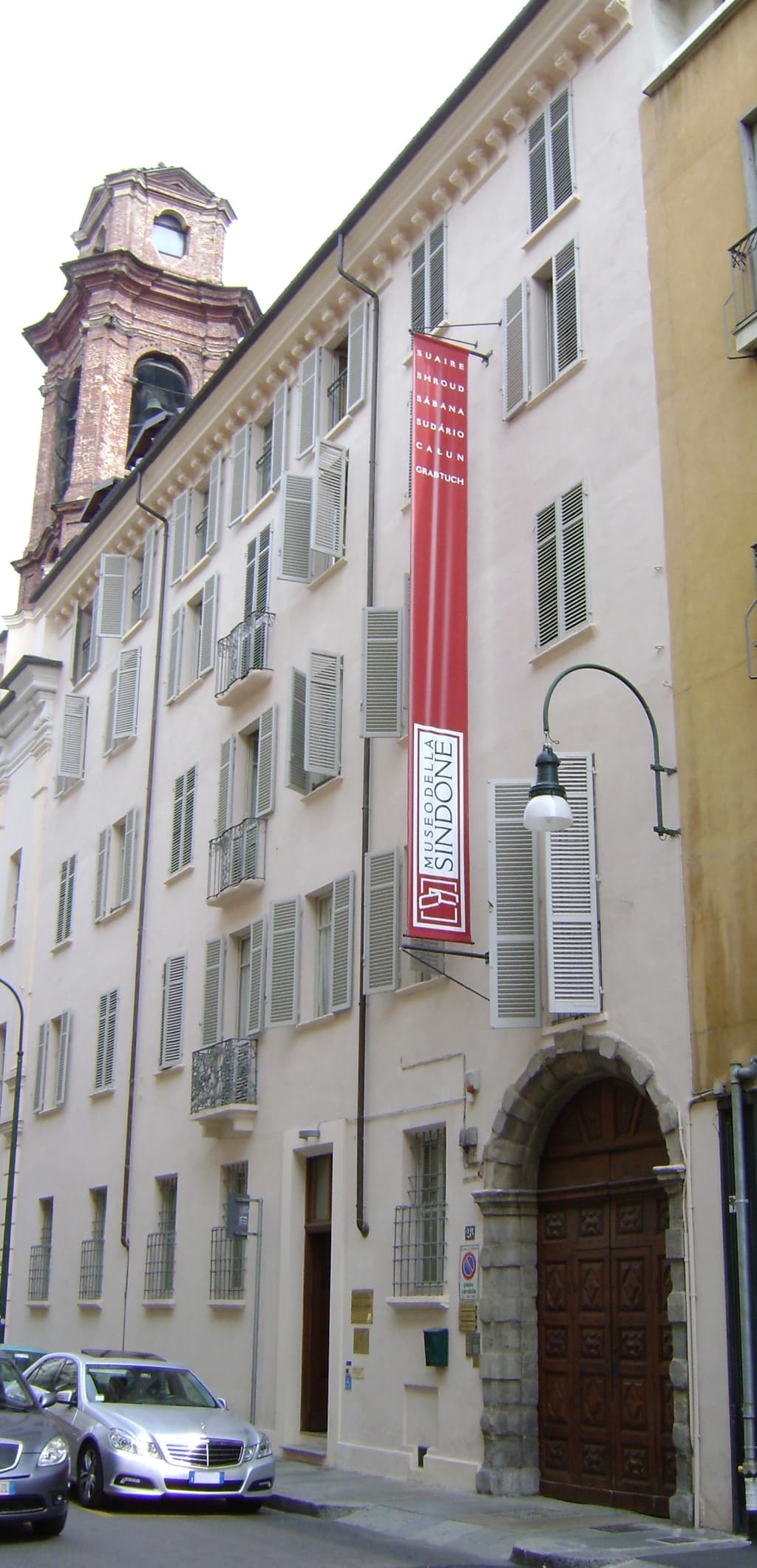 Museum of the Holy ShroudOne night in May 1898, a lawyer from Asti and amateur photographer named Secondo4 minutes walk4.3
 Museo Diffuso della Resistenza (Museum of the Resistance, Deportation, War, Rights and Freedom)Twelve metres beneath the museum floor lies an air-raid shelter originally dug f6 minutes walk4.6
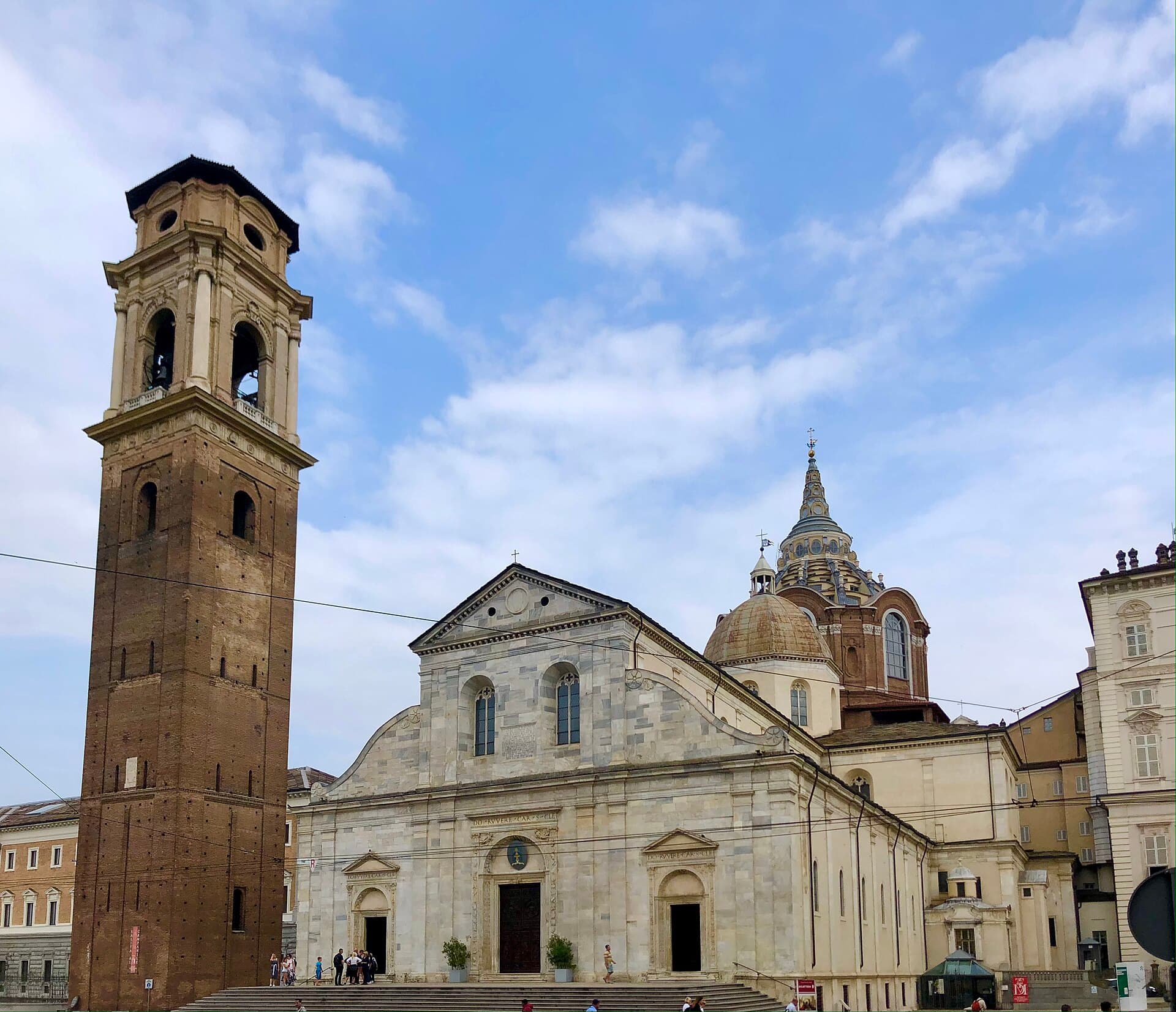 Turin CathedralTurin's cathedral is the Shroud's house and the city's one Renaissance oasis ami6 minutes walk4.5
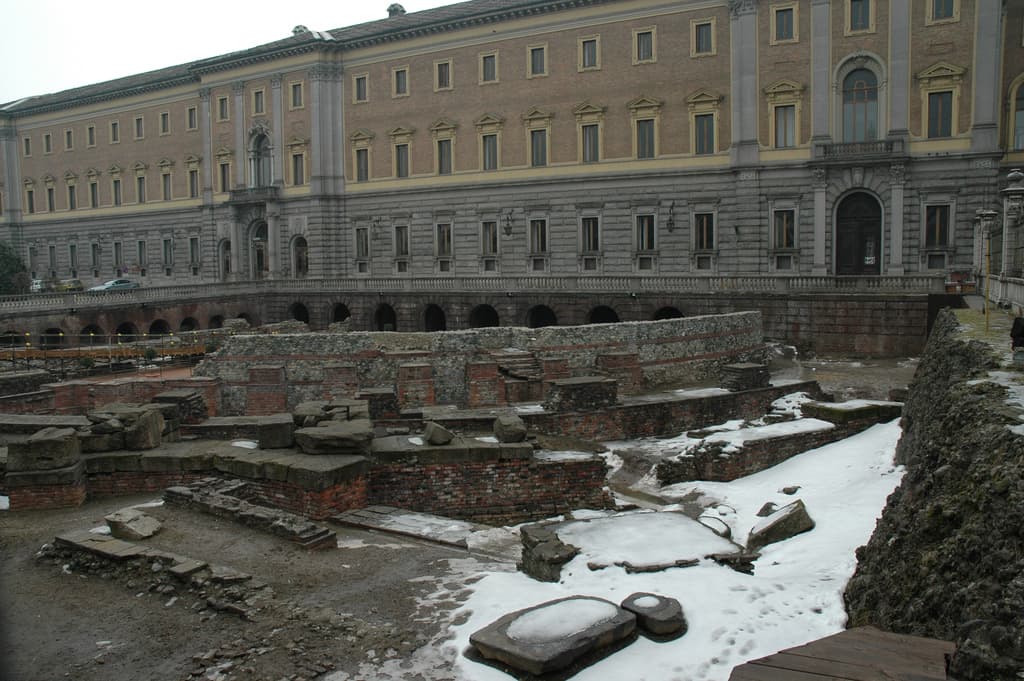 Galleria SabaudaThe private collection of Italy's kings: the Galleria Sabauda is the picture gal7 minutes walk4.8
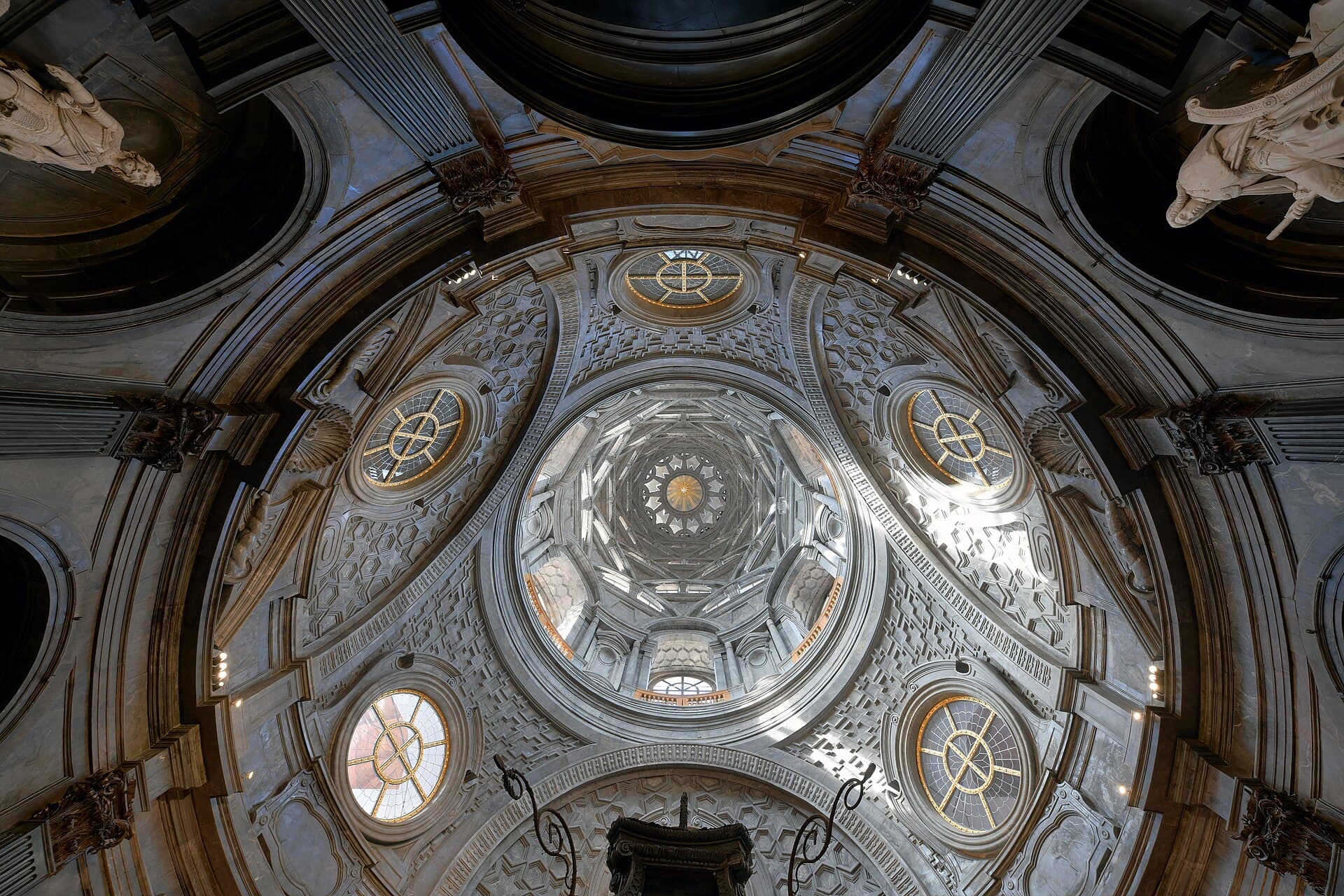 Chapel of the Holy ShroudOn the night of 11 April 1997, Turin's most famous dome caught fire. A firefight7 minutes walk4.8
No. With one day, choose the Museo Egizio, then Palazzo Madama or the Mole Antonelliana. MAO is a second- or third-day museum and rewards an unhurried visit, not a rushed one.
No, and this trips people up. The Musei Reali ticket bundles the Royal Palace, the Chapel of the Holy Shroud and the Galleria Sabauda, and has nothing to do with this museum. MAO belongs to the Fondazione Torino Musei alongside Palazzo Madama, and costs its own EUR 10. The Torino+Piemonte Card and the Abbonamento Musei are what cover both.