
The shelter, twelve metres down
A shelter dug for the staff of the newspaper based in this building and rediscovered during its restoration; descending into it is the visit's real moment.
Dario Crespi — CC BY-SA 4.0 · Dario Crespi — CC BY-SA 4.0 · Dario Crespi — CC BY-SA 4.0 · Dario Crespi — CC BY-SA 4.0
Twelve metres beneath the museum floor lies an air-raid shelter originally dug for the staff of the newspaper La Gazzetta del Popolo, whose offices were in this very building, and later used by anyone in the neighbourhood when the sirens went. It was forgotten for decades and resurfaced during the restoration of the building. It is the strongest thing here by some distance: you go down the stairs, the light and the noise drop away together, and in a minute you understand something no wall panel explains in half an hour. The museum itself opened in May 2003 inside the eighteenth-century military barracks that Filippo Juvarra designed and built between 1716 and 1728, today part of the Polo del '900 cultural complex. Do not expect vitrines of relics; the story is told with screens, voices and filmed testimony, running from the racial laws of 1938 through the Allied bombing of the city, the Nazi occupation, the deportations, the partisan Resistance and on to the republican Constitution. Turin was a factory city before it was a palace city, which is why it was among the most heavily bombed cities in Italy and the most strike-prone — and that is exactly what gives the narrative its weight. The language question settles more easily than you might expect. The wall texts are Italian with English translation, the audiovisual material is subtitled in English, and the bookshop keeps leaflets in English, French, German, Spanish and Arabic. Guided tours in English or French, though, are offered only to groups that book ahead. A solo visitor manages perfectly well, but a good deal of the effect lives in the Italian voices themselves; without the language you will leave fully informed and slightly less moved. Plainly put: this is not a reason to travel to Turin, but it is an excellent hour for anyone already staying in the city who wants to understand its ground before its facades. It sits on Corso Valdocco, about ten minutes on foot from Piazza Castello and on the edge of the Quadrilatero Romano, where the restaurants and cafes are. The ticket is its own, separate from the Museo Egizio, Palazzo Madama and the rest of the city's museums — though the Torino+Piemonte Card covers all of them — and it deserves its own visit rather than being wedged into a crowded day. It is not a place for young children: the material is hard. The museum is otherwise accessible by ramps and lifts, but the shelter is reached by stairs only and cannot be entered in a wheelchair.
A shelter dug for the staff of the newspaper based in this building and rediscovered during its restoration; descending into it is the visit's real moment.
The museum works through film, sound and recorded testimony, so anyone hoping for cabinets of objects is in the wrong building.
The route is compact and rarely needs more than an hour, and you step straight out into the restaurants of the Quadrilatero Romano.
Corso Valdocco 4/A, 10122 Turin
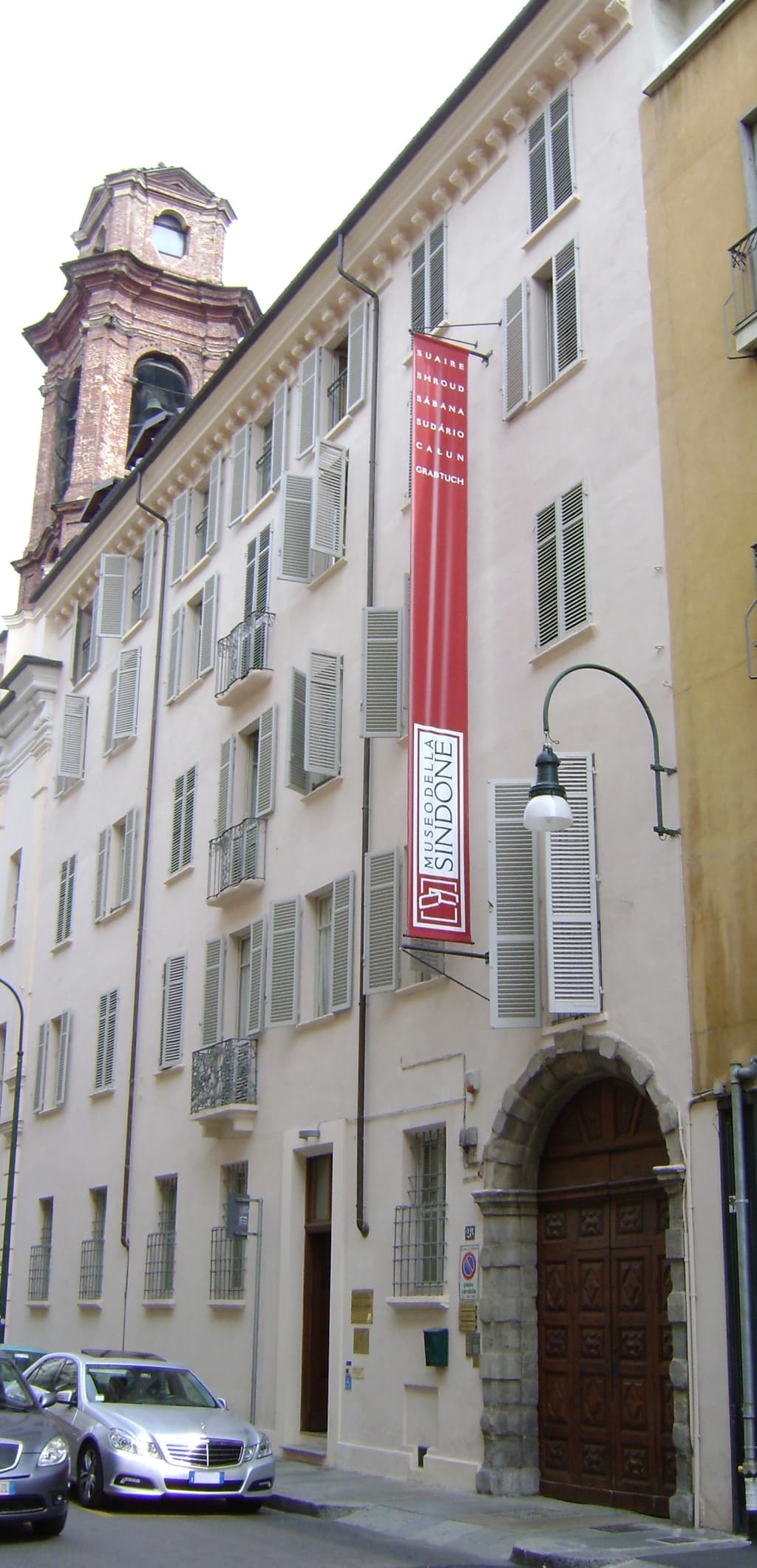 Museum of the Holy ShroudOne night in May 1898, a lawyer from Asti and amateur photographer named Secondo3 minutes walk4.3
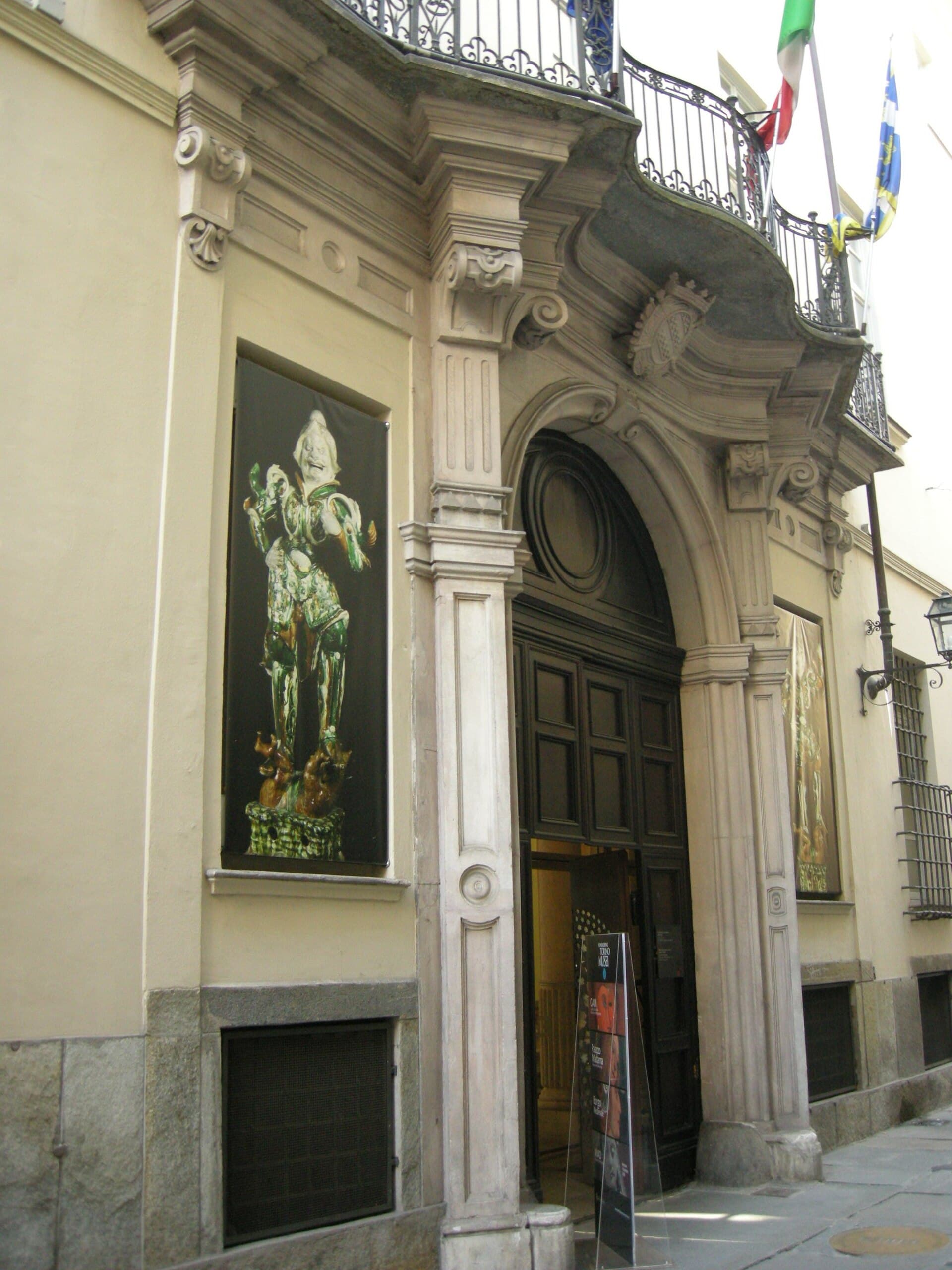 MAO – Museum of Oriental ArtIn a Baroque palace that housed a textile works for the best part of a century a6 minutes walk4.4
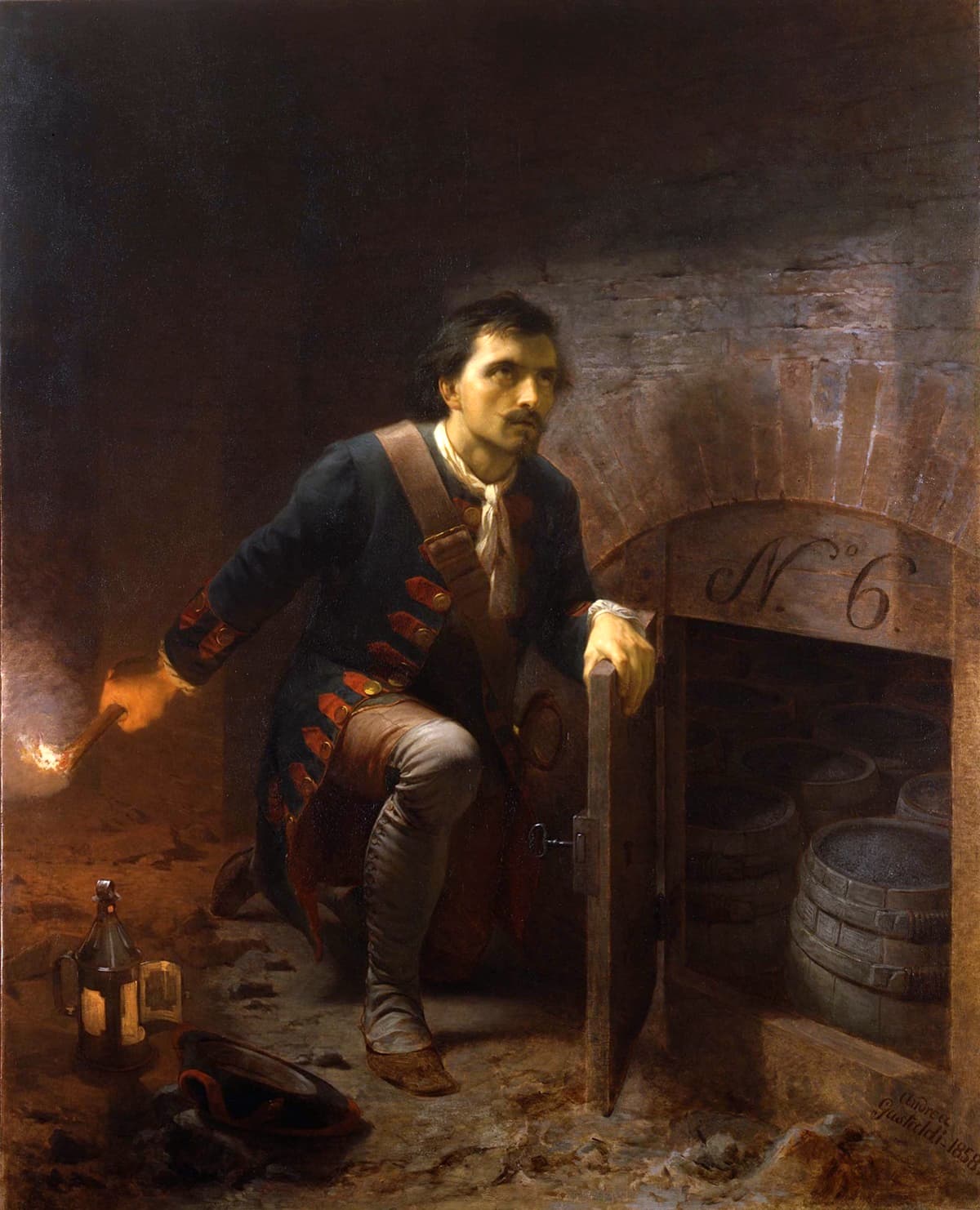 Museo Pietro Micca and the 1706 Siege of TurinOn the night of 29-30 August 1706, in a tunnel running directly beneath this bui8 minutes walk4.6
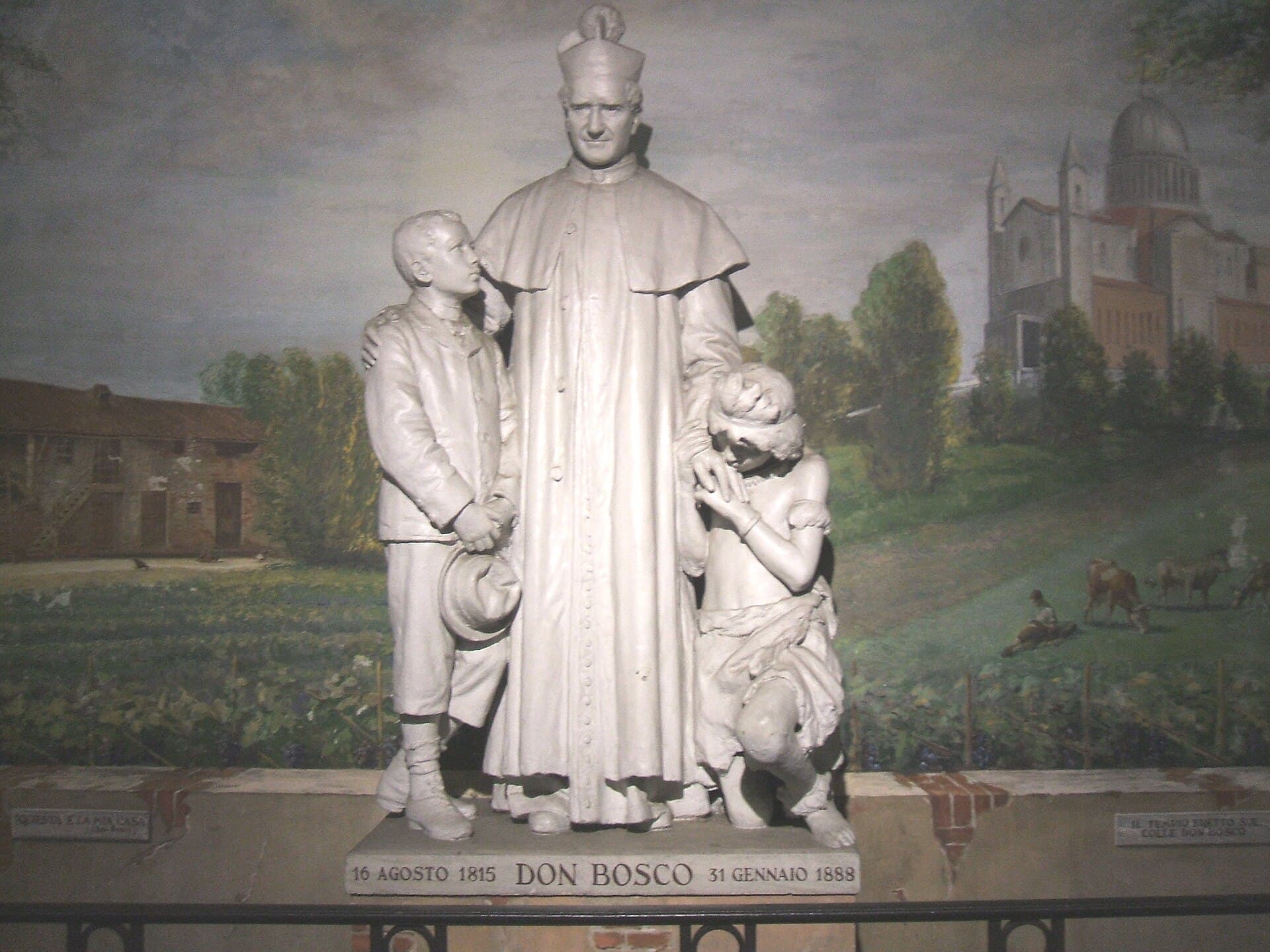 Museo Casa Don BoscoIn the spring of 1846 a young priest rented a run-down shed in Valdocco, on Turi8 minutes walk4.9
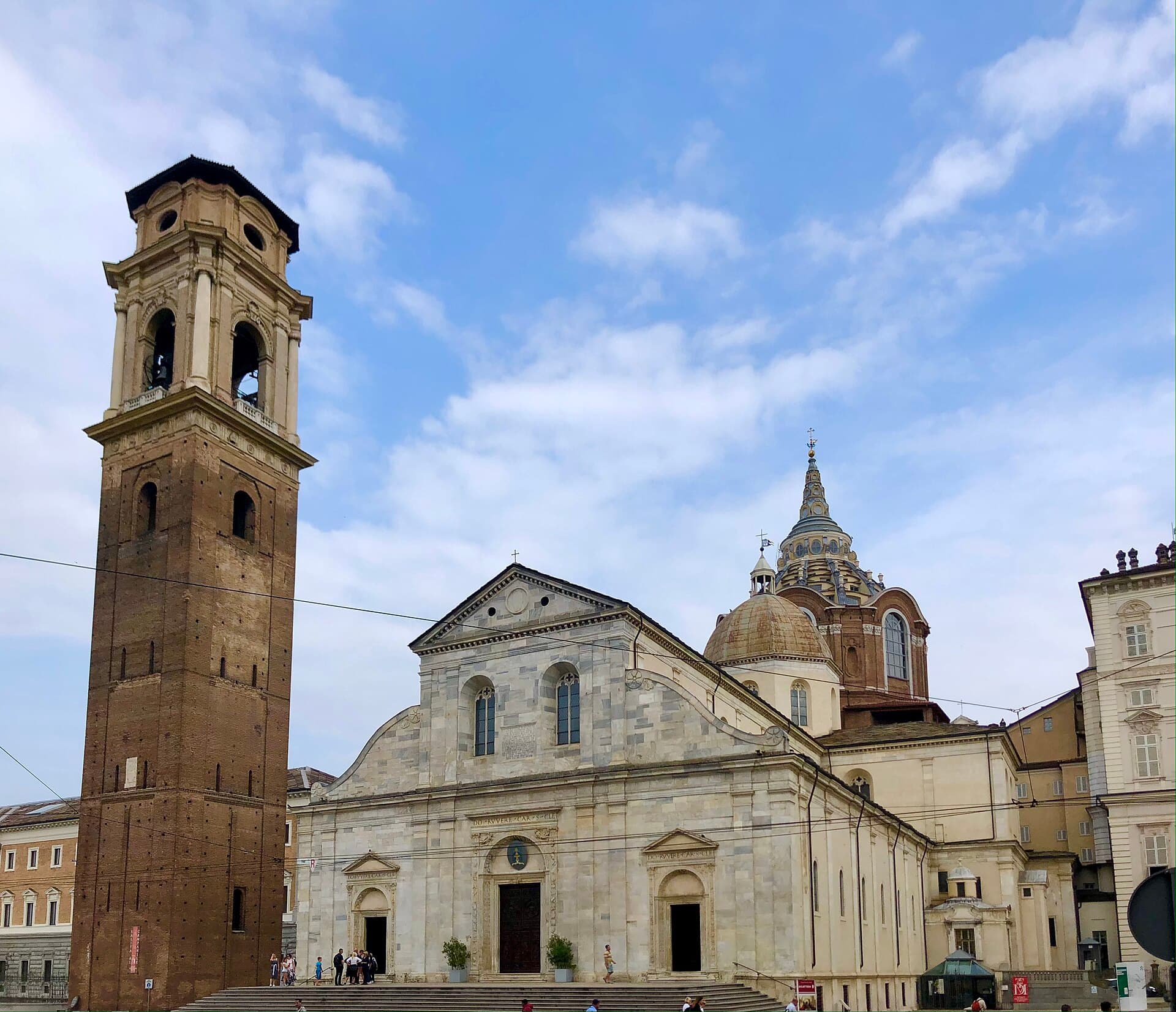 Turin CathedralTurin's cathedral is the Shroud's house and the city's one Renaissance oasis ami12 minutes walk4.5
Honestly, no. With two days the Museo Egizio, the Mole Antonelliana and the piazzas come first. But if the Second World War is a subject that genuinely interests you, or you have three days or more, this is an hour well spent and it changes how you read the streets afterwards.
That is a different, much larger public shelter, not the one under the museum. The museum manages it, but it is not covered by the standard ticket and it is not open daily: it opens for the Liberation Day anniversary on 25 April, for FAI open days and for guided visits arranged in advance. If it matters to you, email the museum weeks before your trip rather than hoping on the day.