
Secondo Pia's original camera, 1898
The camera whose glass plate revealed that the faint mark on the linen behaves like a photographic negative, the moment that made the Shroud a global affair, shown with the official photographs taken since.
Marco Plassio — CC BY-SA 3.0 · Fanny (Appleton) Longfellow (1817-1861) — Public domain · Fanny (Appleton) Longfellow (1817-1861) — Public domain · Fab5669 — CC BY 4.0
One night in May 1898, a lawyer from Asti and amateur photographer named Secondo Pia stood over his developing tray waiting for a glass plate to come up, and watched a man's face, fully modelled, rise out of the negative. The cloth he had photographed hours earlier is barely legible to the naked eye, but its negative came out as a clear positive image, as though the linen itself were a photographic negative several centuries old. That night is the reason this small museum exists, and it is the best way to understand it: this is not a museum about a miracle so much as about nearly 130 years of trying to measure one. The museum occupies the crypt of the church of the Santissimo Sudario and has long been run by the Confraternity of the Holy Shroud. The rooms are small: the record of the cloth's travels and the fires it survived, down to the crate it was carried to Turin in back in 1578, then Pia's original camera and the official photographs of the linen, then the scientific heart of the visit, the American STURP mission that in October 1978 spent five uninterrupted days on the cloth with X-rays, spectroscopy and microscopes. The oddest thing on show is a three-dimensional relief of the face, worked up in Turin in 1978 by Giovanni Tamburelli's team out of the image's own intensity gradient, because the density of the mark varies with the distance between cloth and body, which is not how a painted image behaves. After that comes a cool forensic reading of the wound sites. The Shroud itself is not here: what you see is a full-size photographic reproduction, while the original stays sealed in a case in Turin Cathedral and is shown only at rare public ostensions decided by the Church, the last of them in 2015. To the museum's credit, it does not step around the finding many would rather ignore: in 1988 three laboratories radiocarbon-dated a sample of the cloth to the 13th or 14th century. The Church has not treated that as closing the file, and the argument has run ever since over whether the sample came from a later repair patch or was contaminated. You are looking at a display mounted by a believing institution, one that prefers to keep the question open, but it puts the contrary evidence in front of you rather than hiding it. Walk in knowing that and you will leave with a fairer impression. Practically: the museum opens in the afternoon only, three to six, every day with no closing day, and that is the single most useful thing to know before you plan your day around it. An hour covers it comfortably. The ticket is eight euros, bought at the door and not online, and free with the Torino+Piemonte Card. Do not confuse it with two other places that have their own pages here: Turin Cathedral, where the real Shroud rests, and Guarini's Chapel of the Holy Shroud with its extraordinary conical dome, which today is entered from inside the Musei Reali on that museum's ticket, a separate visit and a separate ticket entirely. And plainly: if the Shroud story does not already interest you, skip it without regret, because Turin has heavier things open at the same hour. If the argument between science and faith pulls at you, this is one of the smarter hours you can spend in the city.
The camera whose glass plate revealed that the faint mark on the linen behaves like a photographic negative, the moment that made the Shroud a global affair, shown with the official photographs taken since.
Instruments and findings from the STURP examination, alongside the three-dimensional relief of the face that Giovanni Tamburelli's team derived in 1978 from the image's own intensity gradient, the strangest and most visually persuasive thing on show.
Panels laying out the dating that placed the cloth in the 13th to 14th century, and the objections to it, presented more honestly than a visitor expects.
Via San Domenico 28, 10122 Turin
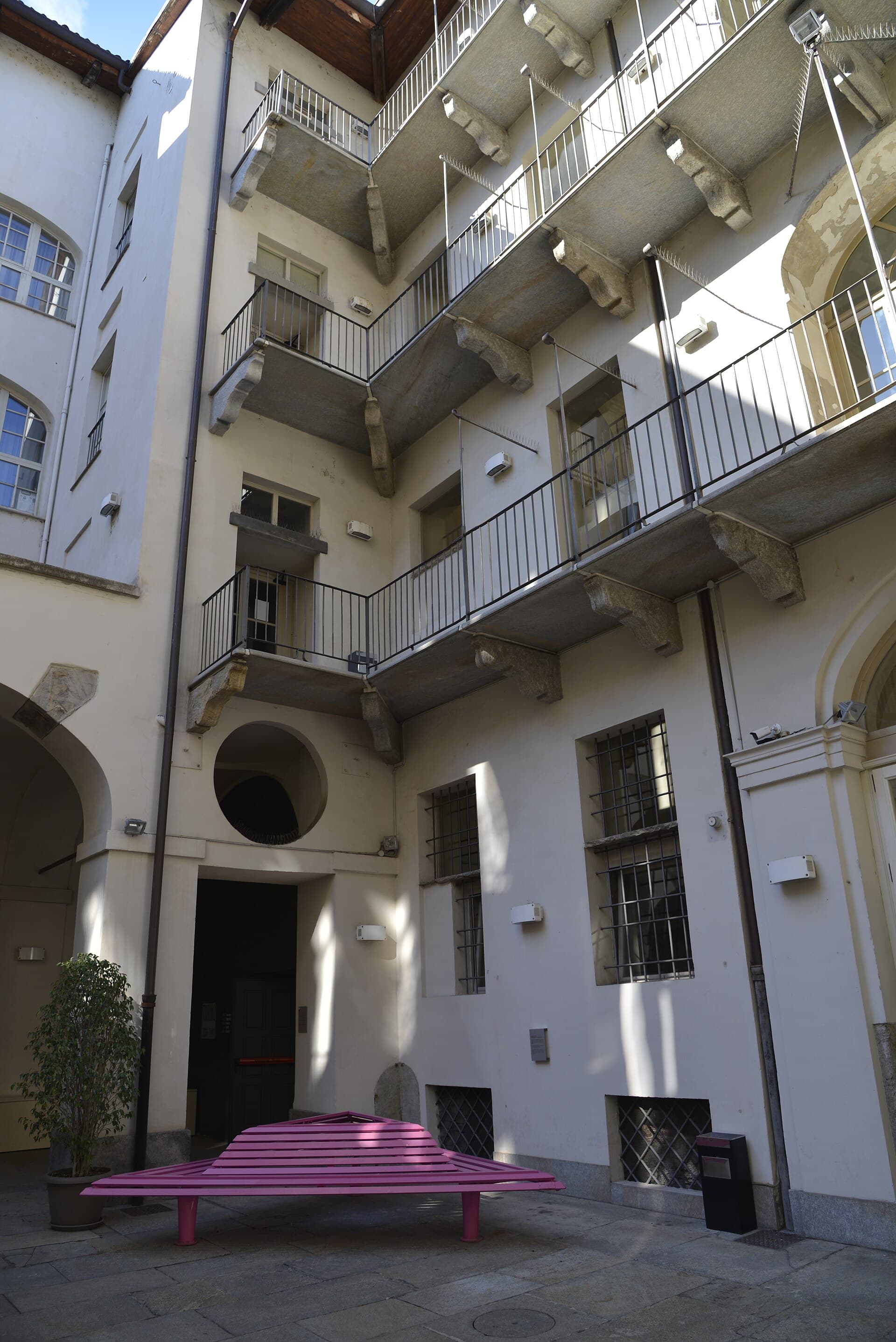 Museo Diffuso della Resistenza (Museum of the Resistance, Deportation, War, Rights and Freedom)Twelve metres beneath the museum floor lies an air-raid shelter originally dug f3 minutes walk4.6
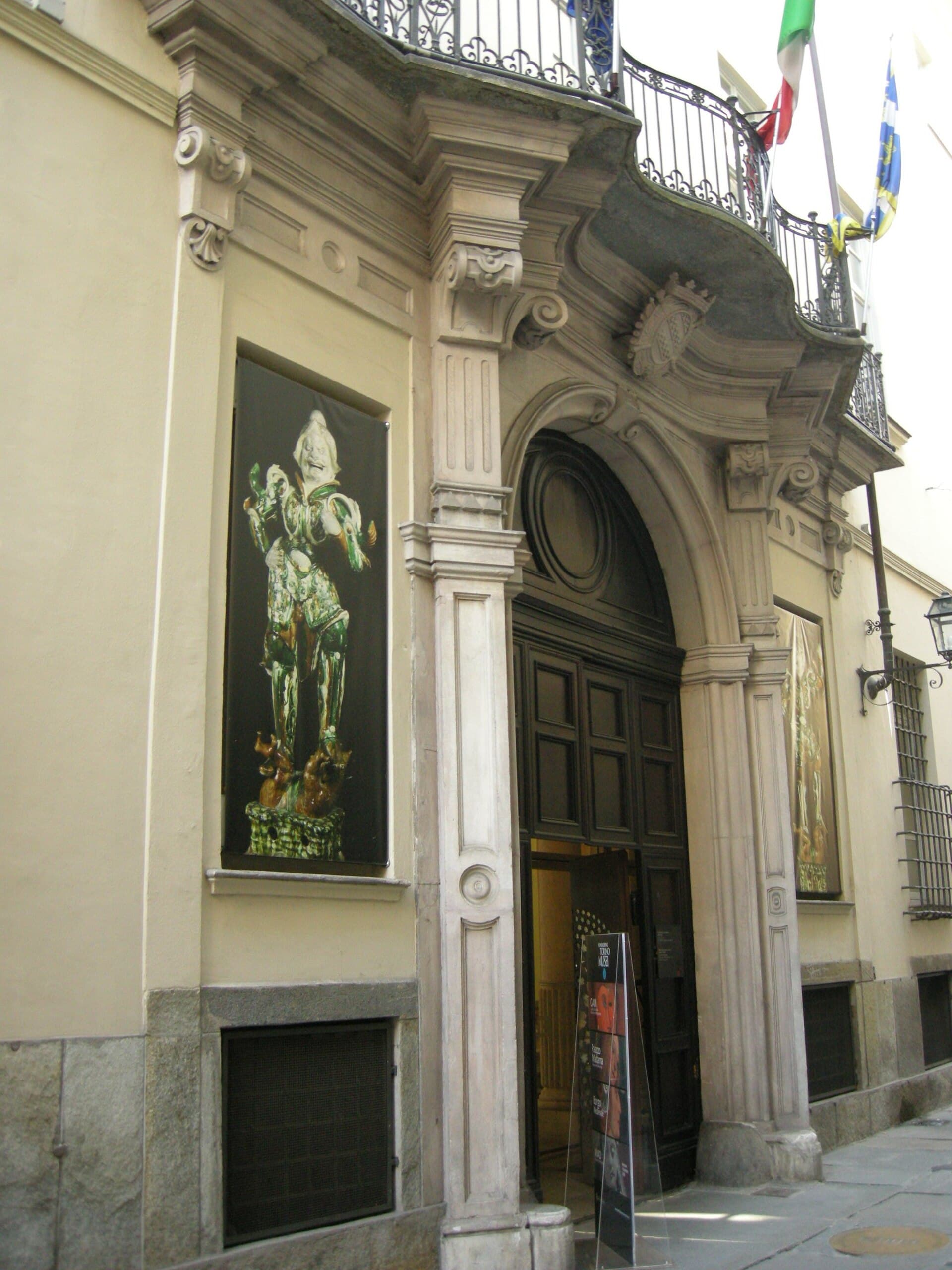 MAO – Museum of Oriental ArtIn a Baroque palace that housed a textile works for the best part of a century a4 minutes walk4.4
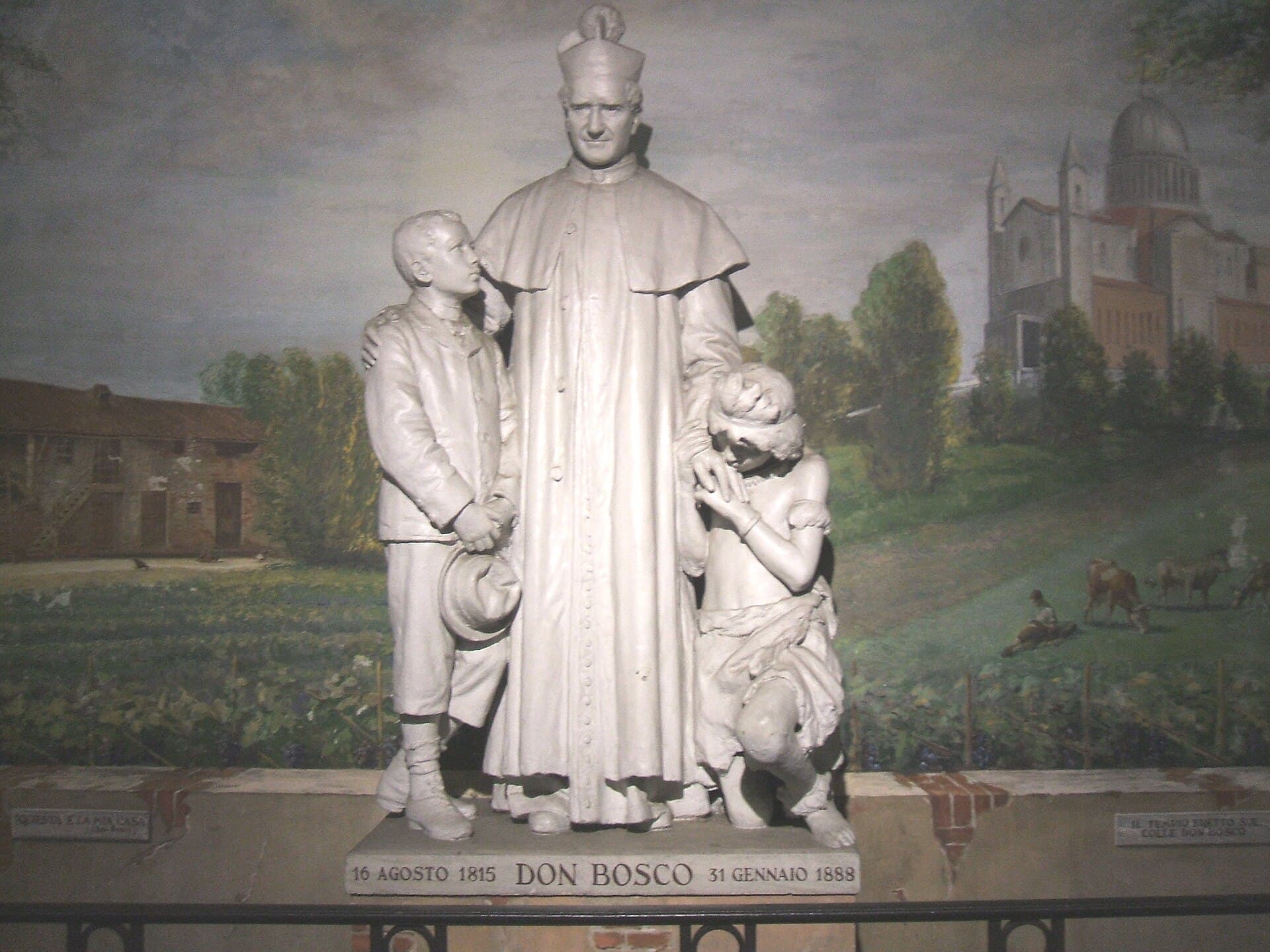 Museo Casa Don BoscoIn the spring of 1846 a young priest rented a run-down shed in Valdocco, on Turi7 minutes walk4.9
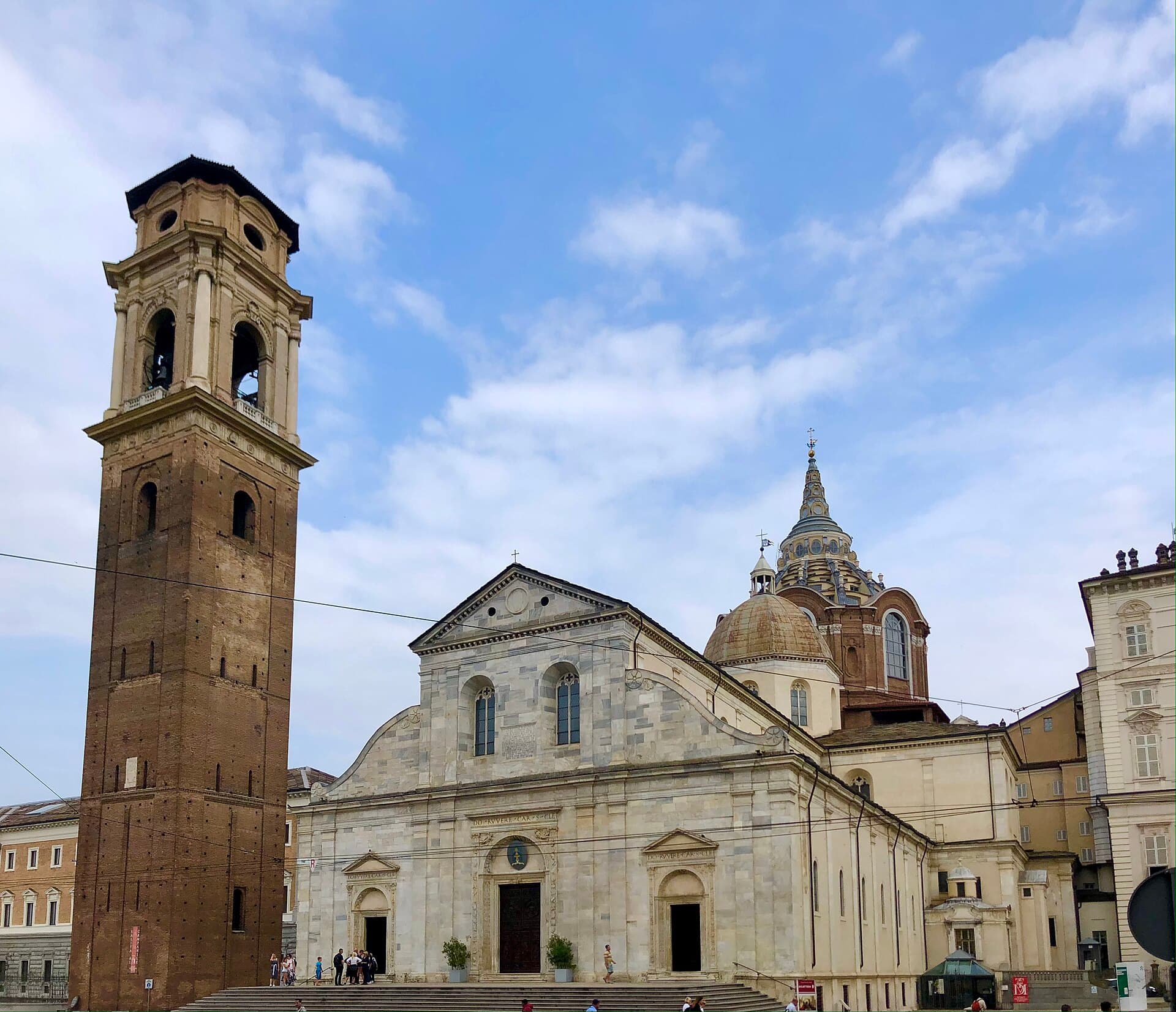 Turin CathedralTurin's cathedral is the Shroud's house and the city's one Renaissance oasis ami10 minutes walk4.5
 Galleria SabaudaThe private collection of Italy's kings: the Galleria Sabauda is the picture gal10 minutes walk4.8
No. The original is sealed in a case in Turin Cathedral and is shown publicly only at rare ostensions decided by the Church. The last in-person one was in 2015, a 2020 showing was broadcast only, and the 2025 Jubilee brought a digital and multimedia display rather than the cloth itself. No date has been announced for the next. What you see here is a full-size photographic reproduction, which is in fact easier to read than the original. Visit the cathedral and you will see the case and the setting, not the cloth.
Honestly, it is not in the city's top five, and if time is tight the Egyptian Museum and the Mole come first. But if you are the sort of traveller who enjoys watching evidence fight it out, it earns an hour, because at heart it is a museum about scientific method more than about religion: a camera, radiation, carbon dating, and a long argument over one sample. No religious background is needed, and it suits teenagers better than young children.