
The patients survived
The trepanation edges healed — evidence of successful surgery.
Спасимир (Spasimir Pilev) — CC BY-SA 4.0 · Ziko van Dijk — CC BY-SA 4.0 · Ziko van Dijk — CC BY-SA 4.0 · Ziko van Dijk — CC BY-SA 4.0
A museum of medical history in the building of Varna's first municipal hospital, built in the 1880s, and the only museum of its kind in Bulgaria. The collection covers medicine from prehistory to the twentieth century. Its most striking holdings are Chalcolithic skulls bearing the marks of trepanation — a surgical operation opening a hole in the bone — and the remarkable thing is that the edges of the openings have healed, meaning the patients survived and lived for years afterwards. These are among the oldest evidence of successful surgery in human history, dating back about five thousand years. Beside them are Roman bronze surgical instruments, objects of Bulgarian folk medicine, a nineteenth-century pharmacy, and equipment from early twentieth-century hospitals. The building is part of the story: an Ottoman-style hospital established immediately after independence. Small, with limited hours.
The trepanation edges healed — evidence of successful surgery.
Scalpels, forceps and surgical tools of the Roman period.
There is no other museum of medical history in the country.
The old municipal hospital building, Varna
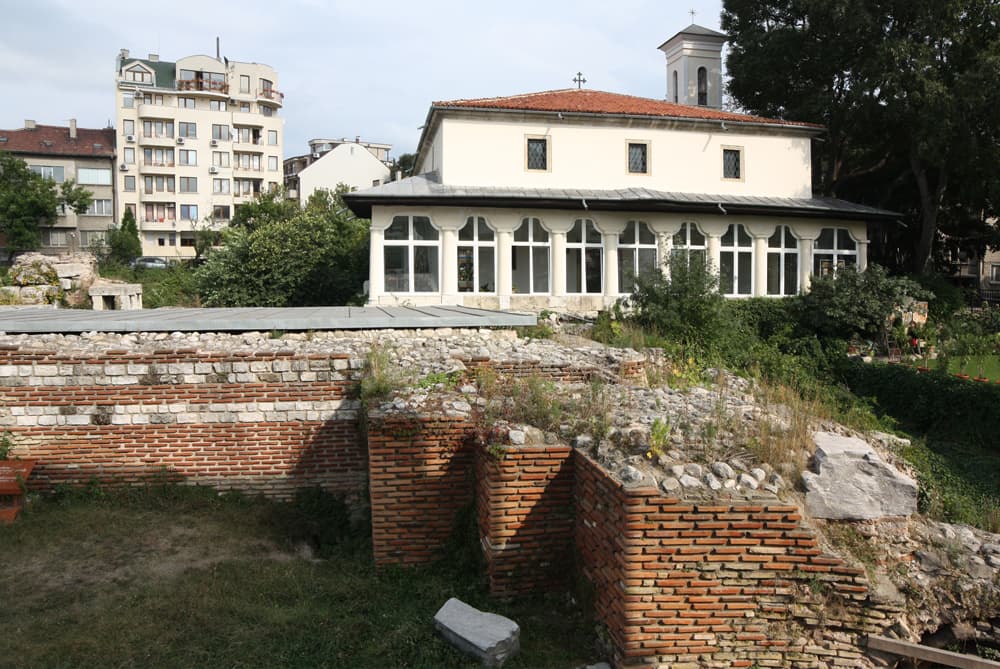 The Church of St AthanasiusAn Orthodox church in Varna's old Greek quarter, built in 1838 under Ottoman rul2 minutes walk4.8
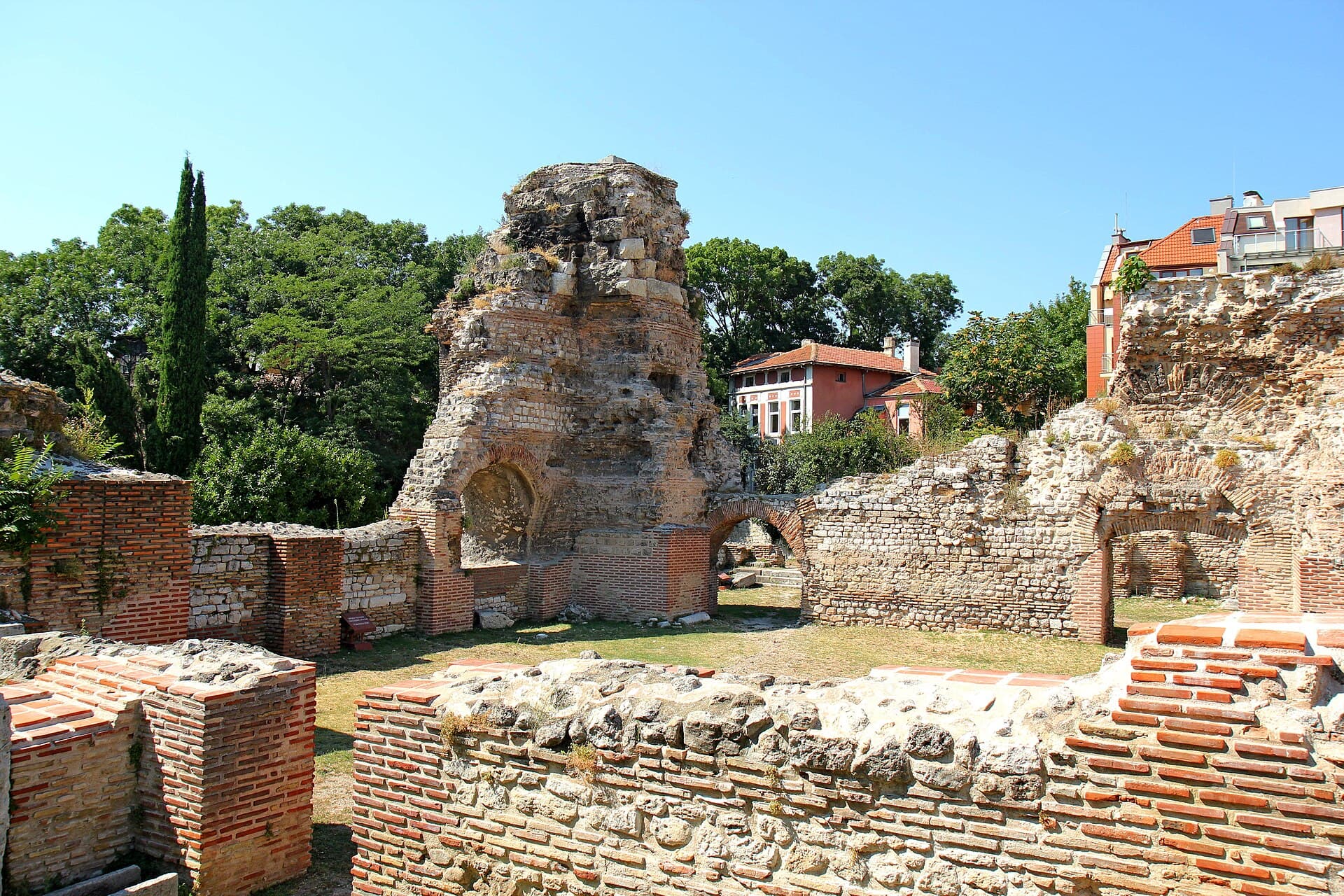 The Roman Thermae (Great Baths)Varna's Great Roman Thermae is the fourth-largest surviving Roman bath complex i3 minutes walk4.3
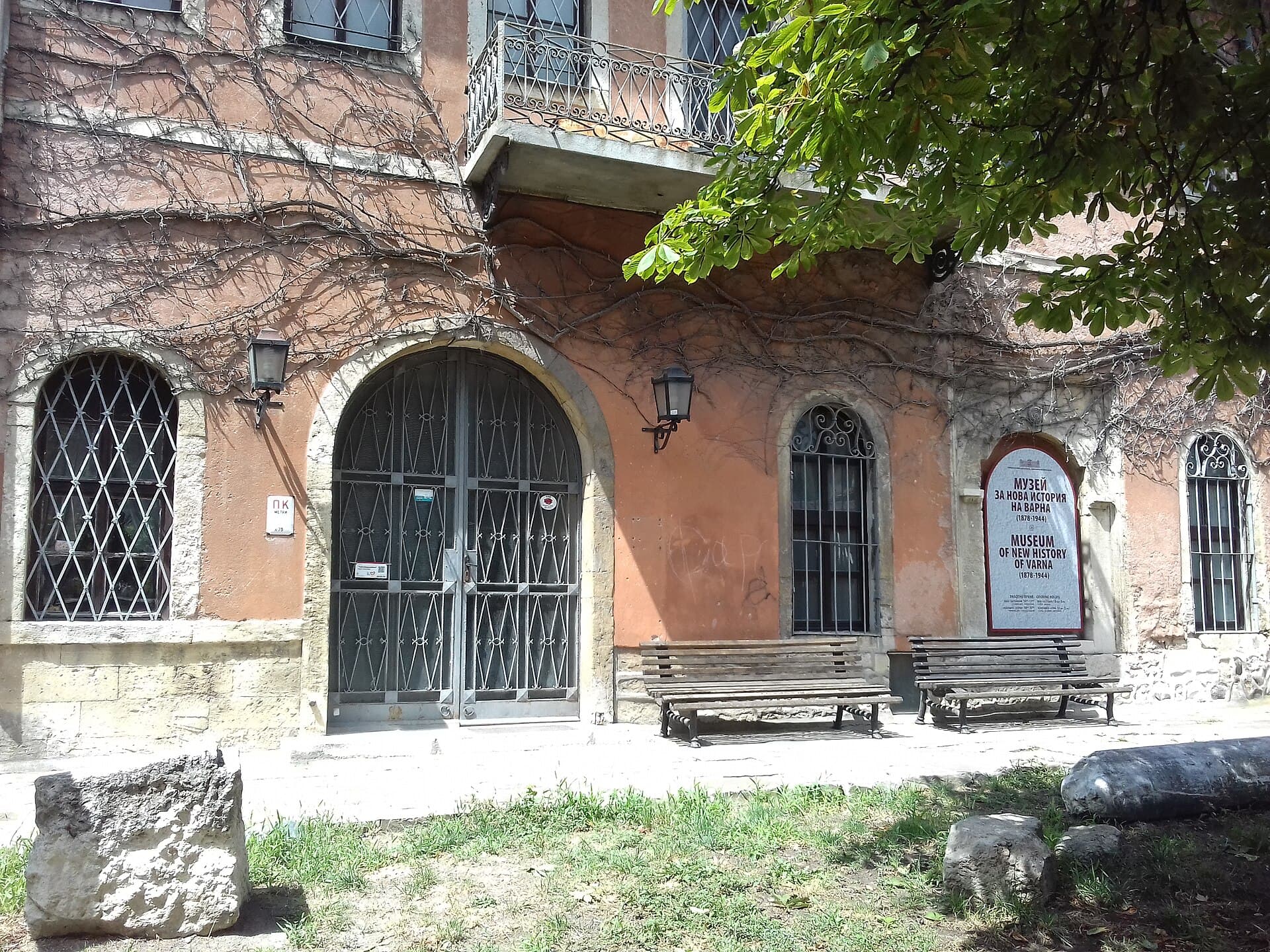 The Varna Museum of Modern HistoryVarna's Museum of Modern History covers the city from the Ottoman liberation of 3 minutes walk4.7
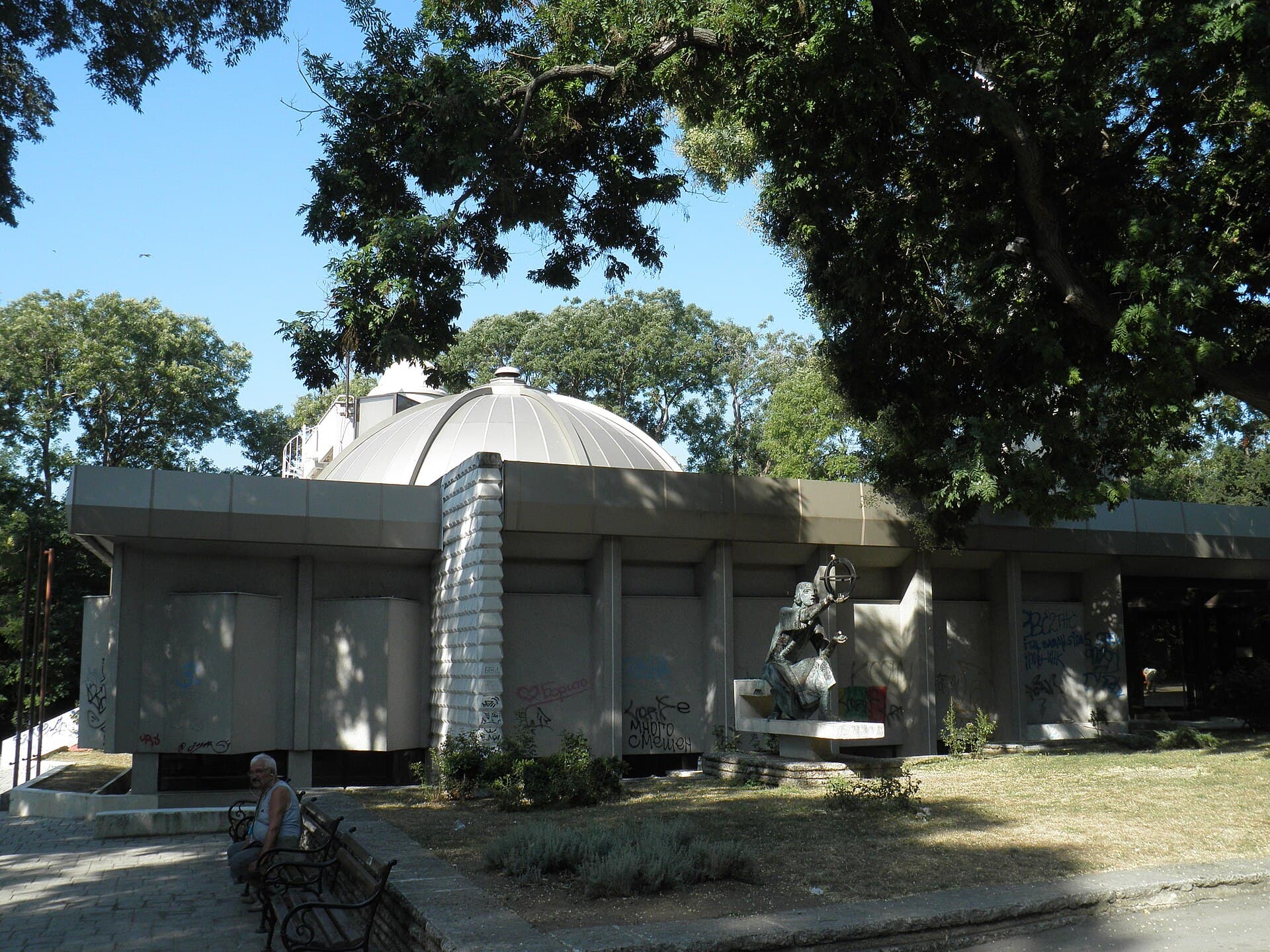 The Varna Observatory and PlanetariumThe Nicolaus Copernicus astronomical observatory and planetarium stands in Varna5 minutes walk4.5
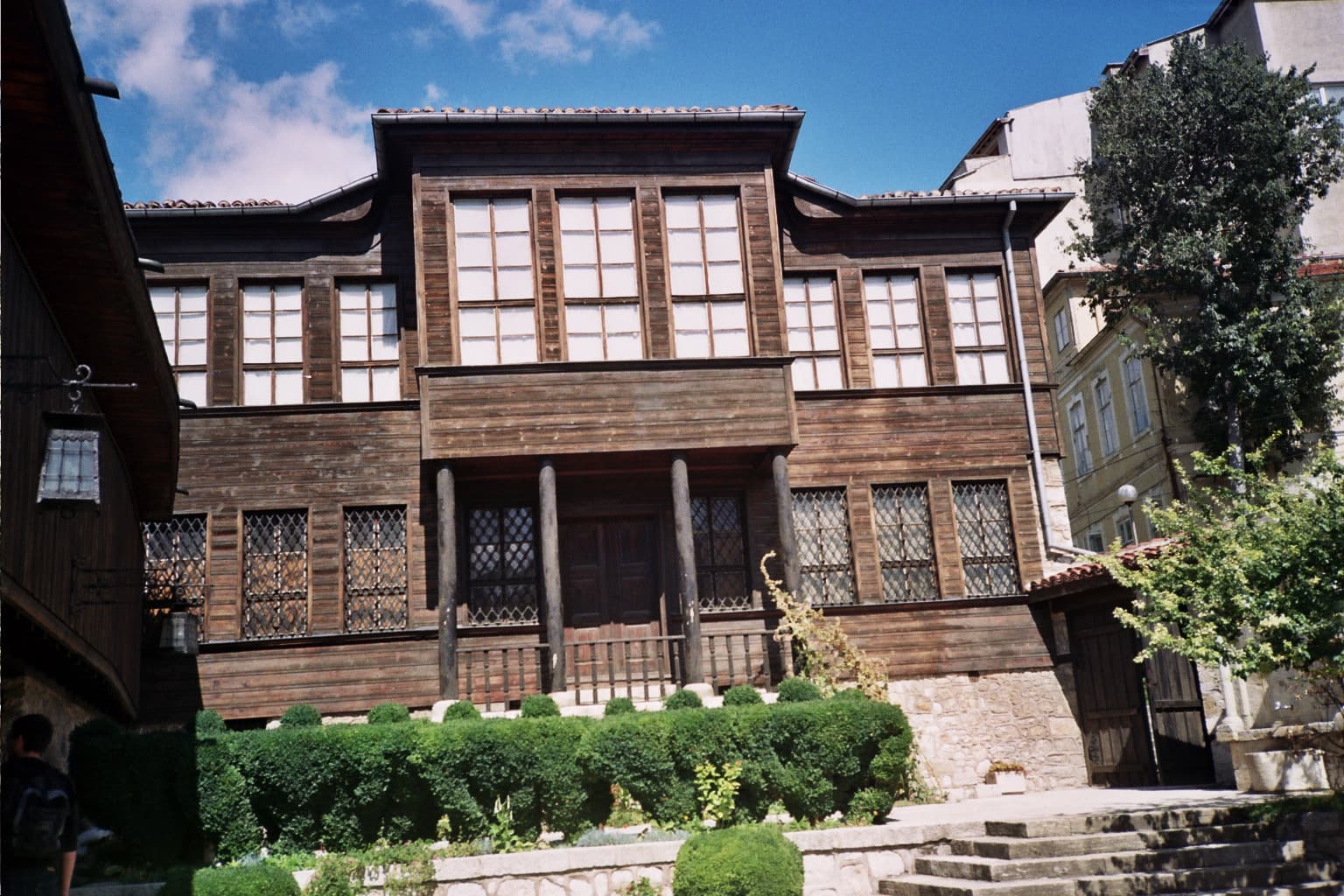 The Ethnographic Museum of VarnaVarna's Ethnographic Museum occupies a house of 1860 in the Bulgarian Revival ma8 minutes walk4.6
The oldest known surgical operation in human history: a piece of skull bone is scraped or cut away to open a hole, a practice found on nearly every continent from the Stone Age. The likely reasons include relieving pressure after head injuries, treating headache and epilepsy, and possibly ritual motives. The evidence that it worked is bone healing around the opening, present in a large proportion of the skulls found — meaning the survival rate was higher than one would expect.
The Archaeological Museum is unquestionably the most important: it holds the Varna gold treasure, the oldest worked gold in the world. The Naval Museum with its vessels and Black Sea displays. The Revival Museum in the building of the city's first Bulgarian school. And the Roman baths in the centre — among the largest surviving Roman baths in the Balkans. All are central and walkable.