
The resort posters
1930s tourist advertising for the queen of the Black Sea.
Spasimir Pilev — CC BY-SA 4.0 · Spasimir Pilev — CC BY-SA 4.0 · Spasimir Pilev — CC BY-SA 4.0 · Spasimir Pilev — CC BY-SA 4.0
Varna's Museum of Modern History covers the city from the Ottoman liberation of 1878 to the middle of the twentieth century — the period in which Varna turned from an Ottoman town into Bulgaria's first port and its seaside resort. The story it tells is more interesting than its title suggests. In those decades the first **railway** of modern Bulgaria reached Varna, the modern port was built, the first sea gardens were laid out, and the city became a destination for holidaymakers from across the Balkans and central Europe — the queen of the Black Sea. The displays are mainly photographs, along with documents, furniture, shop signs and tourist posters of the 1930s — from which the city can be read as its own people saw it. There is also a section on the **mixed communities** who lived in Varna: Greeks, Armenians, Jews, Turks and Gagauz, and their part in the city's trade and architecture. **Charges are low.**
1930s tourist advertising for the queen of the Black Sea.
Greeks, Armenians, Jews, Turks and Gagauz in one city.
Ulitsa 8 Noemvri 3, Varna
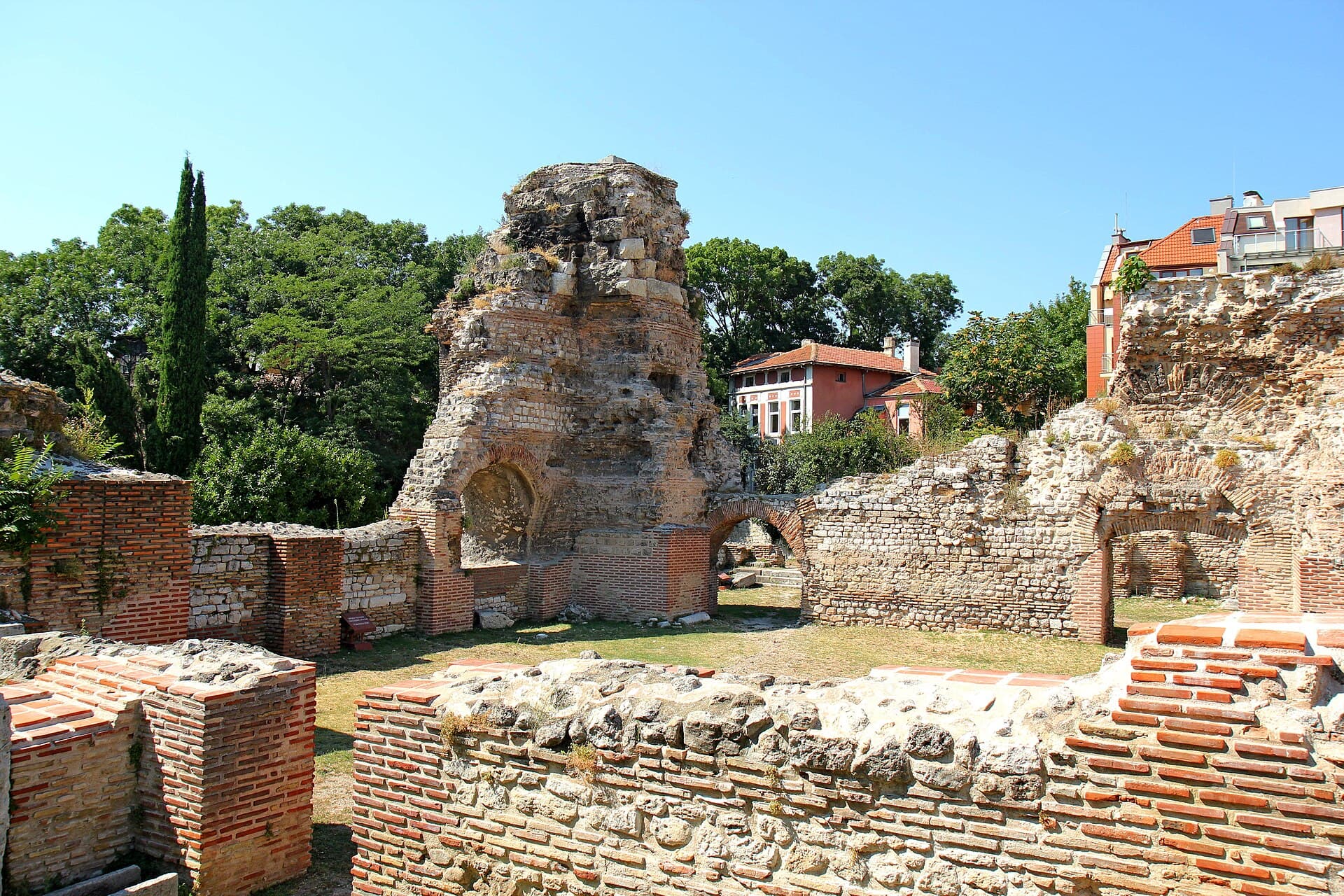 The Roman Thermae (Great Baths)Varna's Great Roman Thermae is the fourth-largest surviving Roman bath complex i2 minutes walk4.3
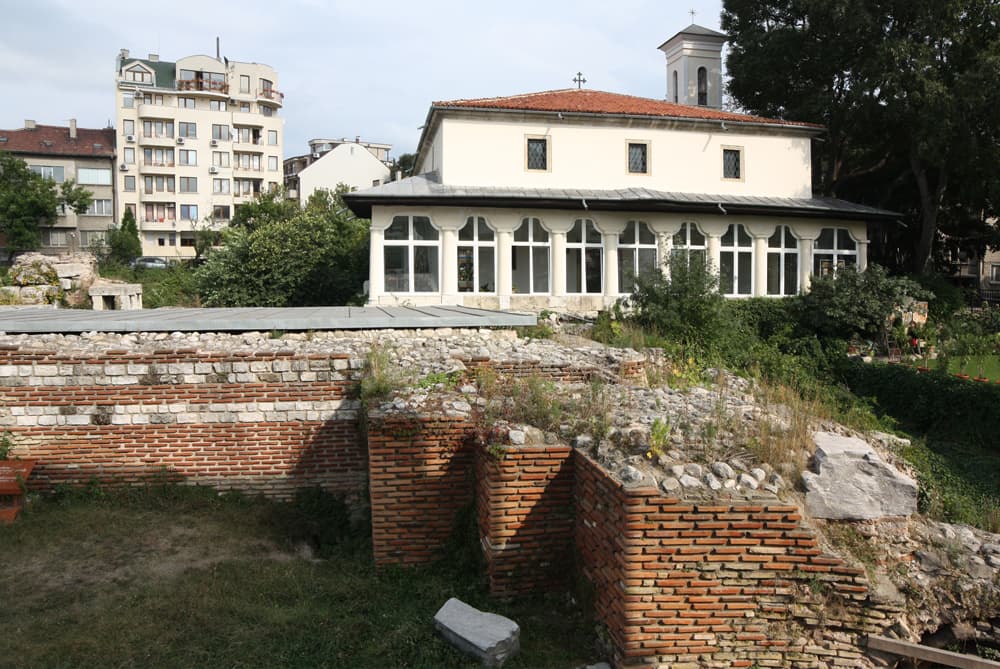 The Church of St AthanasiusAn Orthodox church in Varna's old Greek quarter, built in 1838 under Ottoman rul2 minutes walk4.8
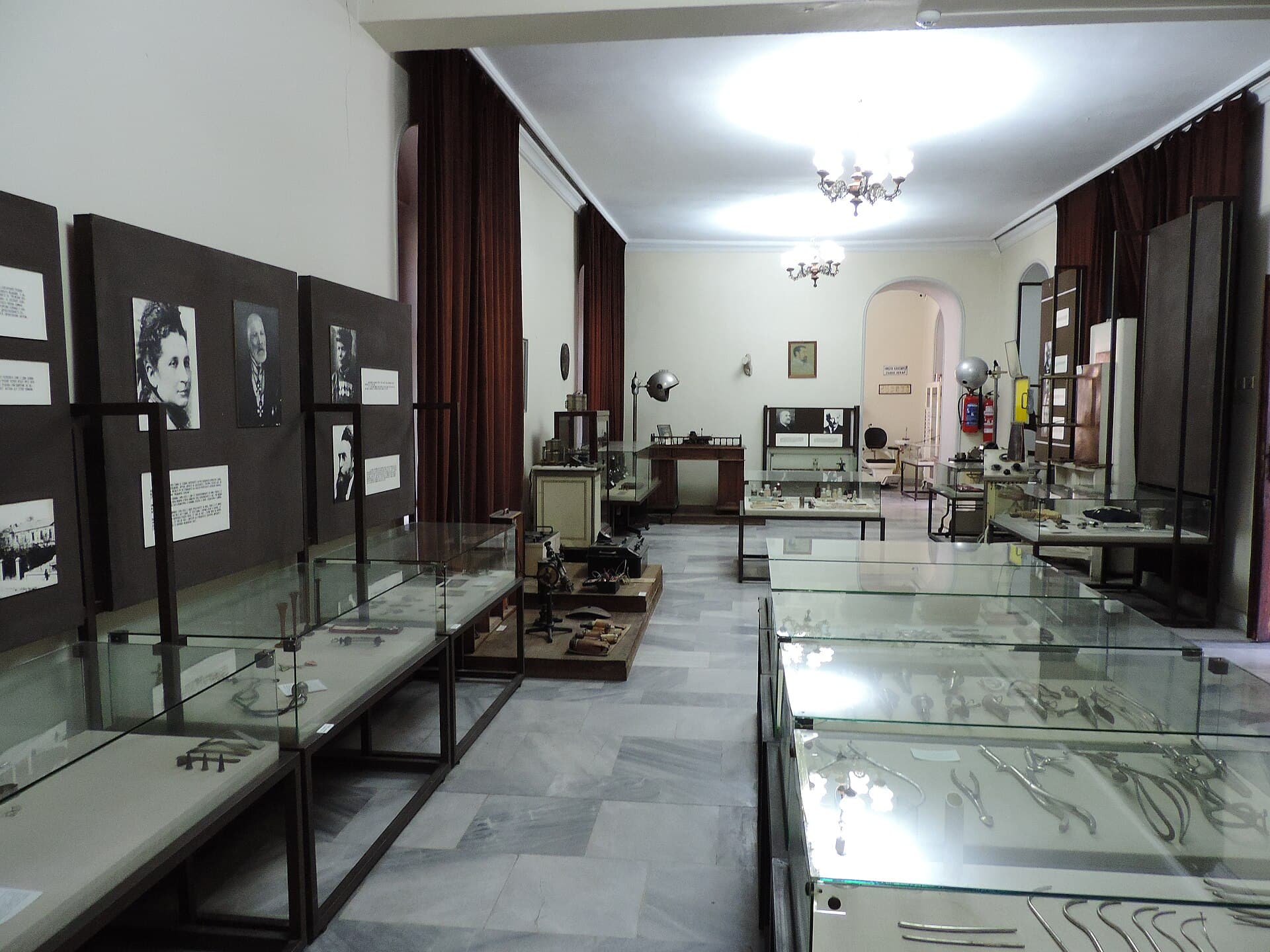 The Museum of the History of MedicineA museum of medical history in the building of Varna's first municipal hospital,3 minutes walk4.7
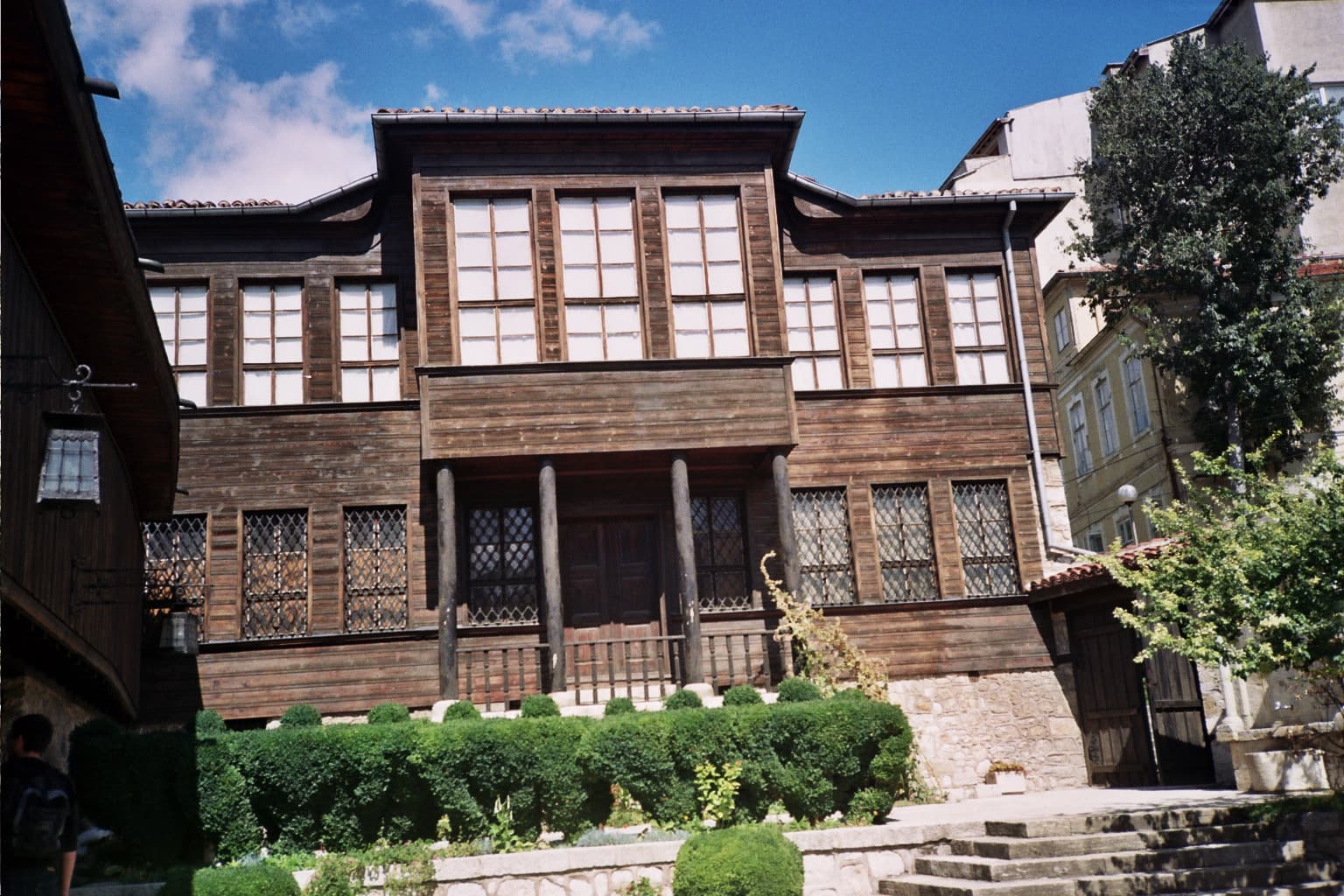 The Ethnographic Museum of VarnaVarna's Ethnographic Museum occupies a house of 1860 in the Bulgarian Revival ma6 minutes walk4.6
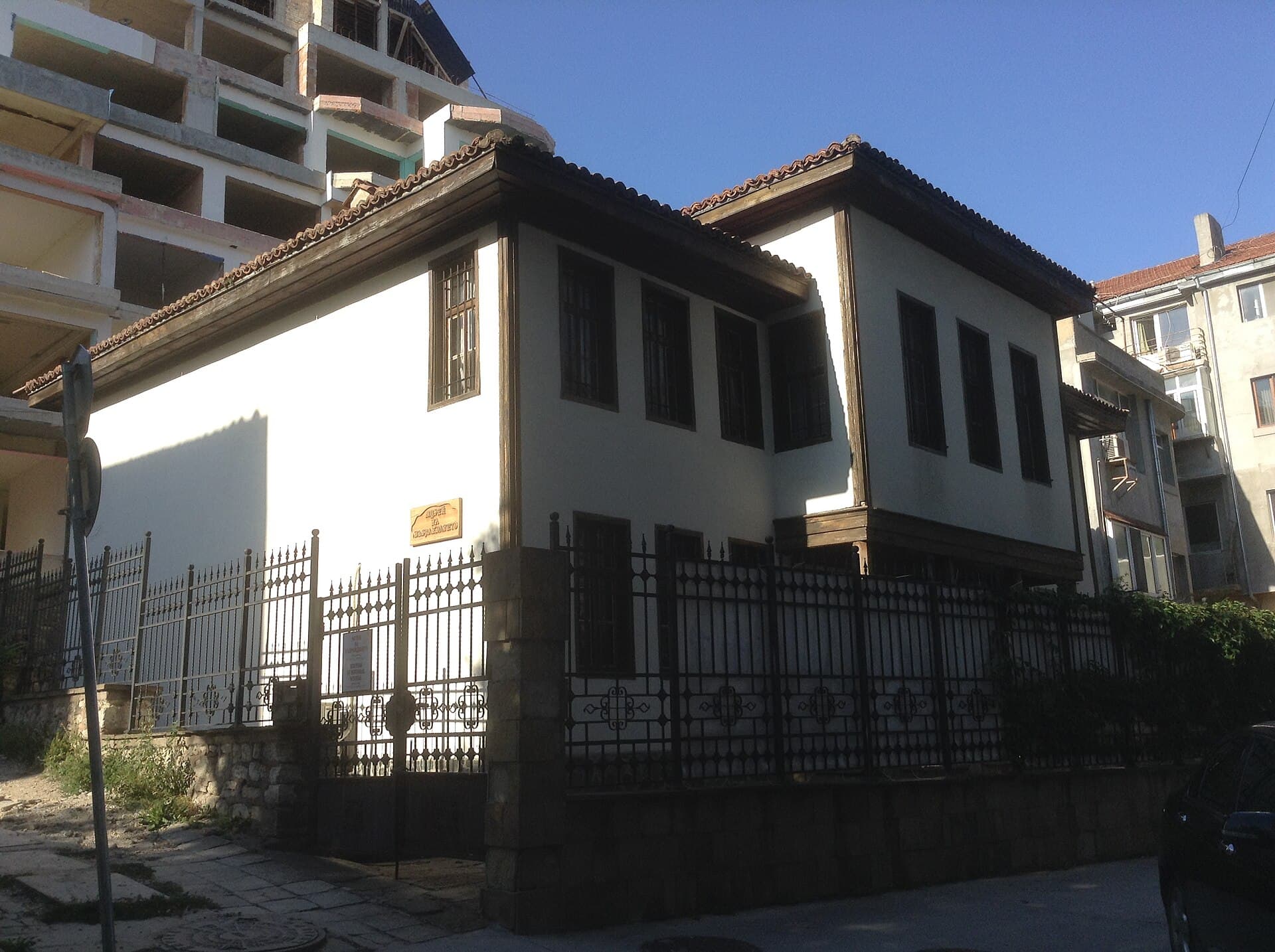 The National Revival MuseumVarna's National Revival Museum occupies the building that was **the city's firs7 minutes walk4.6
A community that speaks a Turkic language but is Orthodox Christian, living mainly in Moldova, Ukraine and north-eastern Bulgaria around Varna and Dobruja. Their origin is disputed among scholars: they may be Turks who adopted Orthodoxy, or Bulgarians who took up Turkish under Ottoman rule. What is striking is that they kept both — a Turkic language and an Orthodox rite — against the usual Balkan division between Turkish-speaking Muslims and Slavic-speaking Christians. Their dress and traditions are shown in Varna's museums.