
Sunk below street level
Ottoman restrictions forbade height, so it was built low.
Edal Anton Lefterov — CC BY-SA 3.0 · Mister No — CC BY 3.0 · karel291 — CC BY 3.0 · Svilen Enev — CC BY-SA 3.0
An Orthodox church in Varna's old Greek quarter, built in 1838 under Ottoman rule, and among the oldest surviving churches in the city. Its form carries the same restrictions of that period you see in Plovdiv: a low building not visible from the street, partly sunk below ground level, without a tall bell tower. Christian churches were permitted, but they were not allowed to rise above mosques or be seen from a distance. The quarter around it belonged to the Greek community, which was large in Varna into the early twentieth century — the city was strongly mixed: Bulgarians, Greeks, Turks, Armenians, Gagauz and Jews, each with its own quarter, churches and schools. That changed with the population exchanges and migrations of the twentieth century, but its traces remain in the buildings. The interior holds a wooden iconostasis and nineteenth-century icons. A working place of worship with normally free entry.
Ottoman restrictions forbade height, so it was built low.
The community was large in Varna into the early twentieth century.
Bulgarians, Greeks, Turks, Armenians, Gagauz and Jews.
The Greek quarter, central Varna
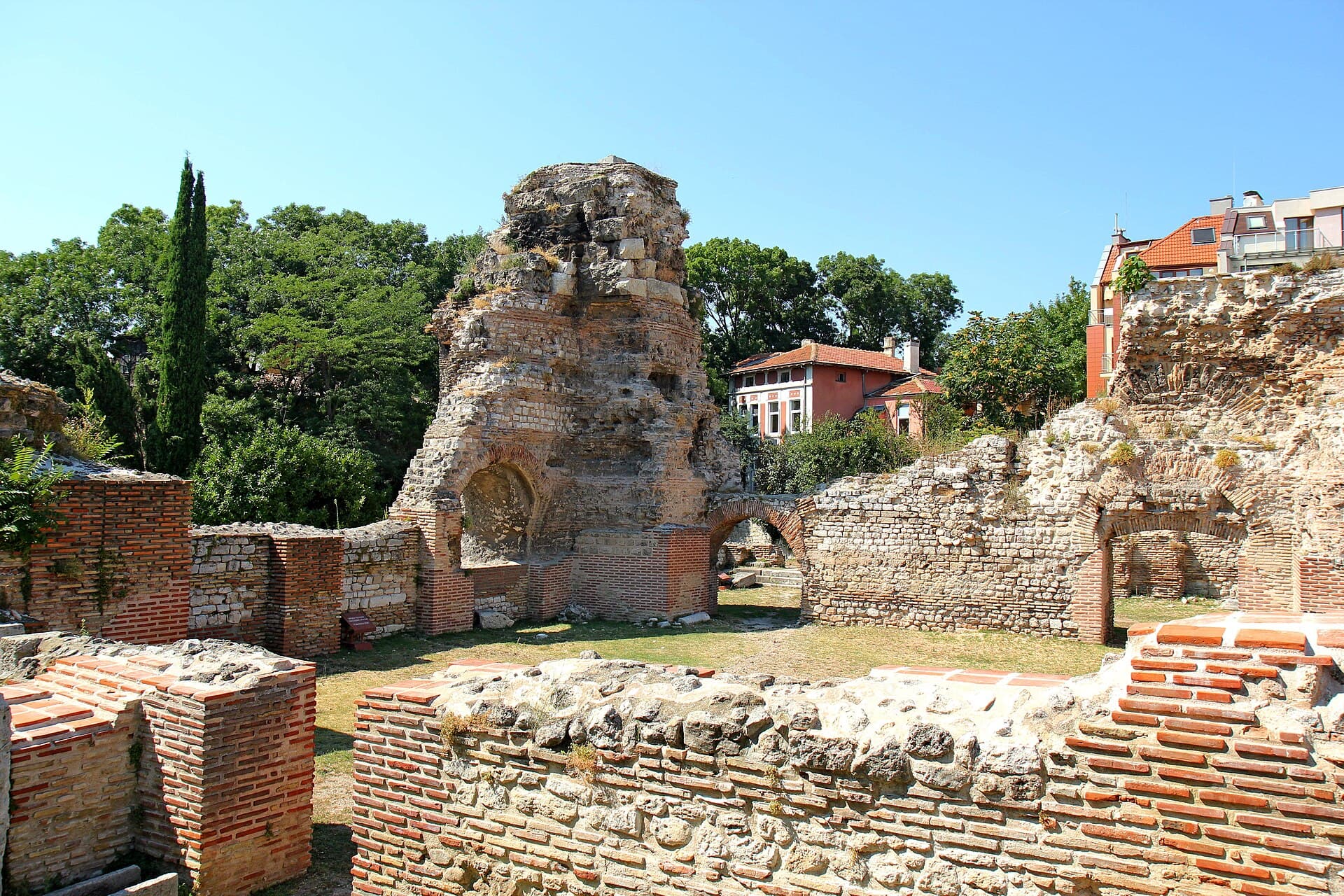 The Roman Thermae (Great Baths)Varna's Great Roman Thermae is the fourth-largest surviving Roman bath complex i1 minute walk4.3
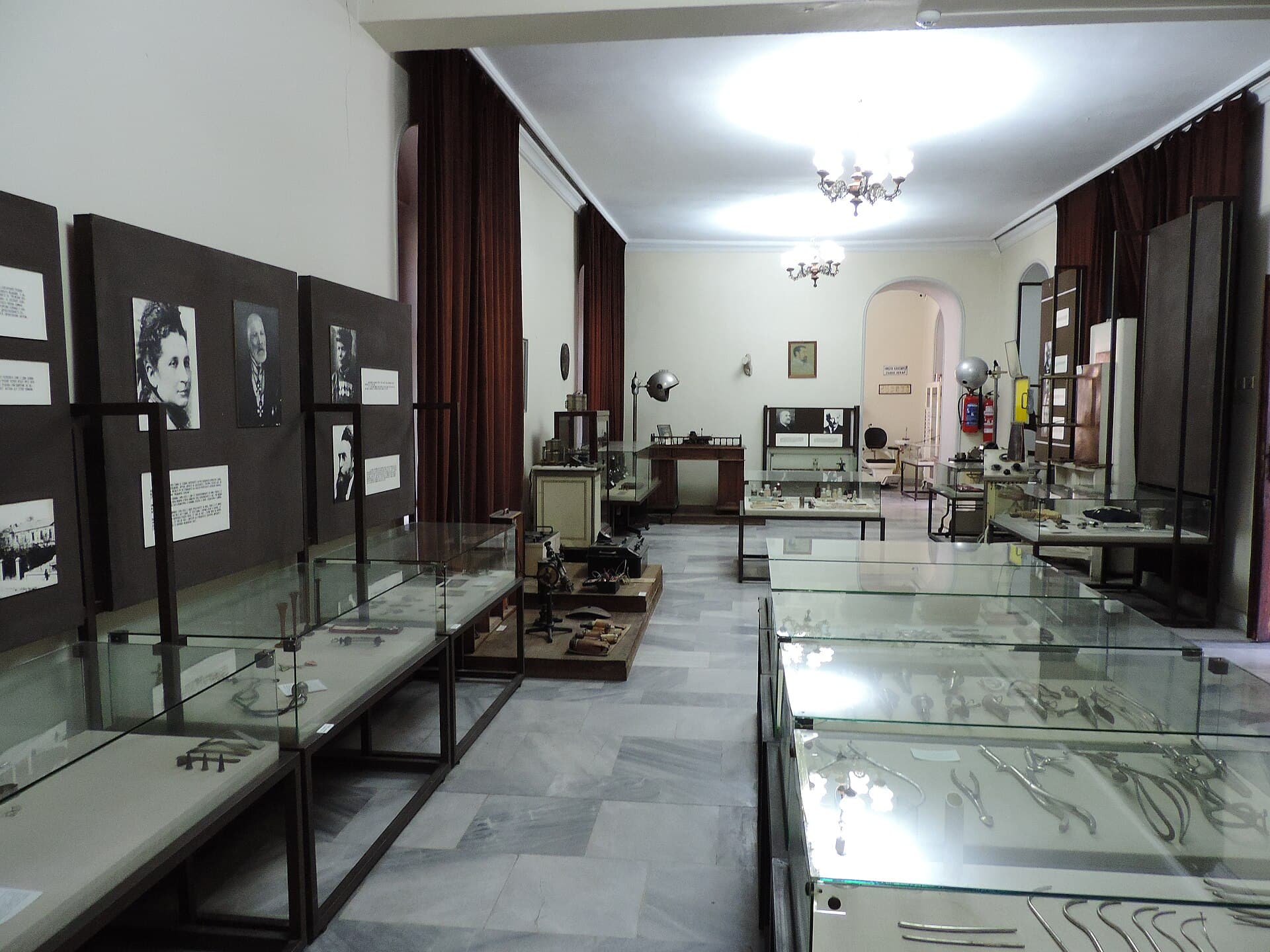 The Museum of the History of MedicineA museum of medical history in the building of Varna's first municipal hospital,2 minutes walk4.7
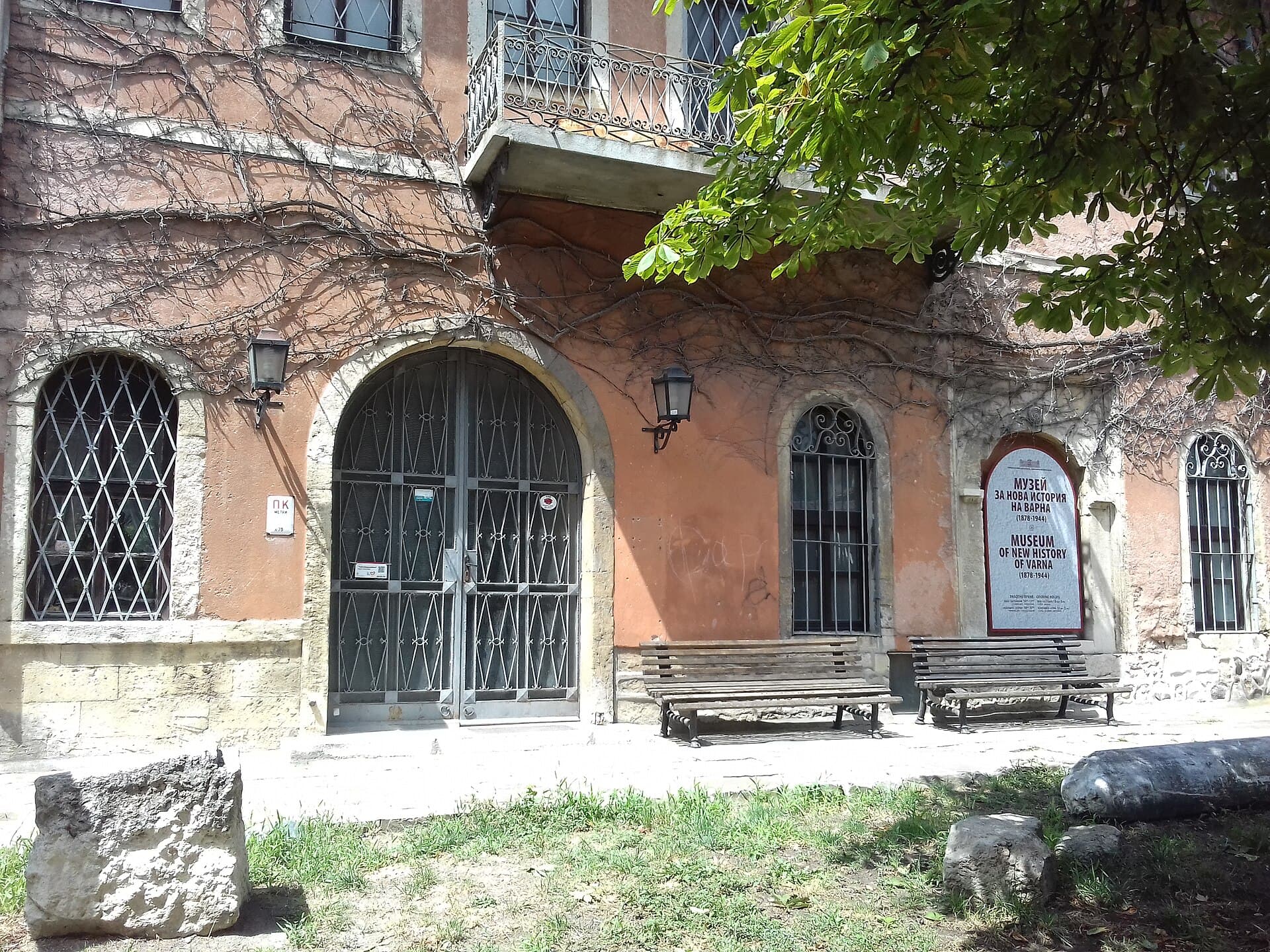 The Varna Museum of Modern HistoryVarna's Museum of Modern History covers the city from the Ottoman liberation of 2 minutes walk4.7
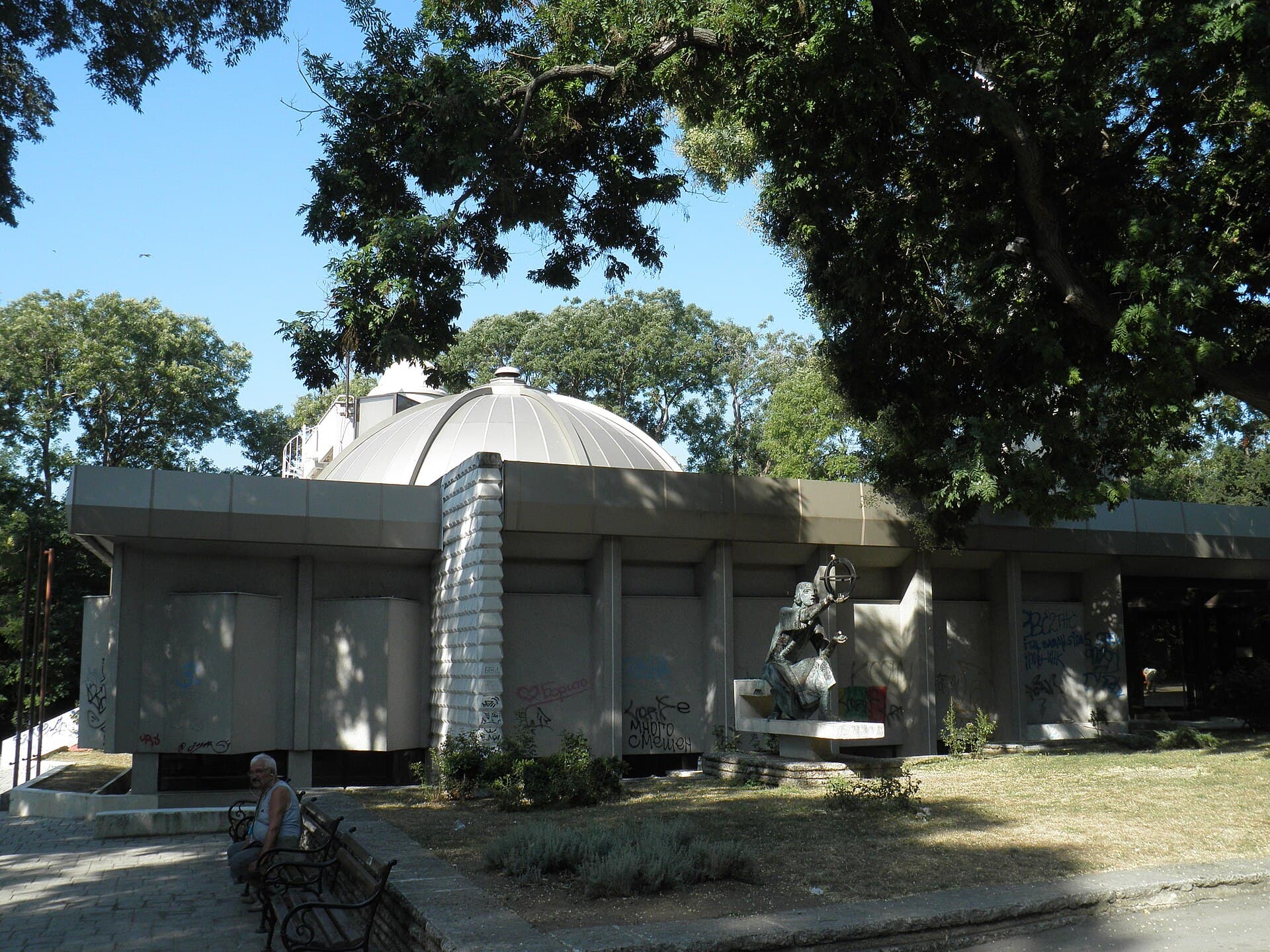 The Varna Observatory and PlanetariumThe Nicolaus Copernicus astronomical observatory and planetarium stands in Varna5 minutes walk4.5
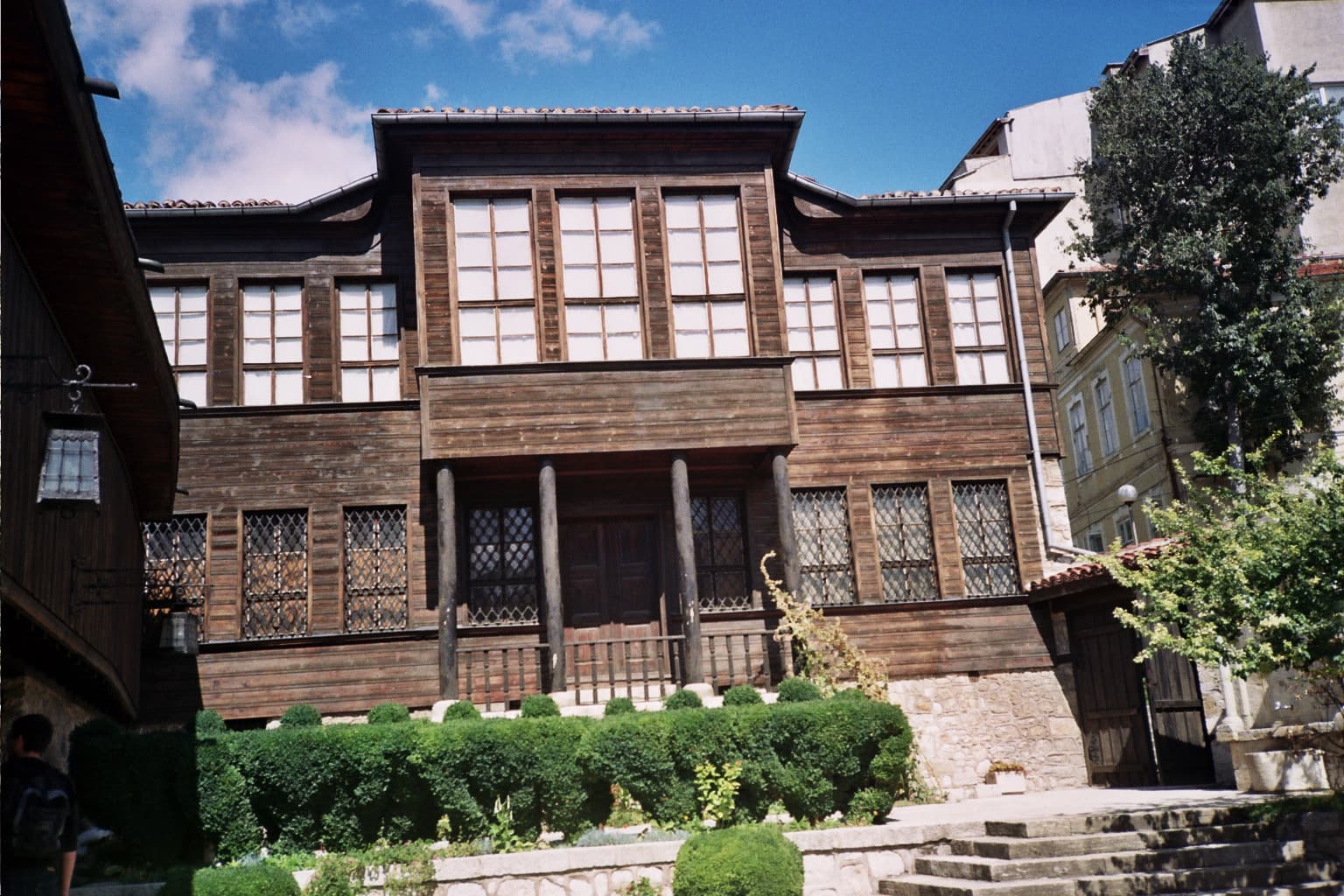 The Ethnographic Museum of VarnaVarna's Ethnographic Museum occupies a house of 1860 in the Bulgarian Revival ma6 minutes walk4.6
An Orthodox Christian people speaking a Turkic language, living mainly in Moldova, Ukraine and eastern Bulgaria. Their origin is disputed among scholars: some see them as Turks who adopted Christianity, others as Bulgarians or Greeks who took up the Turkish language under Ottoman rule. That combination — a Turkic language and an Orthodox faith — makes them an unusual case in the Balkans. They have an autonomous region in Moldova today.
The Cathedral of the Dormition with its golden domes is the central landmark. From it south to the Roman baths, then to the Sea Garden — the largest park on the Black Sea, running for kilometres along the coast and holding museums, an aquarium and an observatory. The distance from the cathedral to the sea is about twenty minutes on foot down a pedestrian street.