
The wedge deck
A high glass tip looking out over the city roofs.
Bundeswehr-Fotos Wir.Dienen.Deutschland. — CC BY 2.0 · Lupus in Saxonia — CC BY-SA 4.0 · Bybbisch94, Christian Gebhardt — CC BY-SA 4.0 · Bybbisch94, Christian Gebhardt — CC BY-SA 4.0
The building began as a Saxon arsenal, put up between eighteen seventy-three and eighteen seventy-six and turned into a museum in eighteen ninety-seven. Every German regime since has used it: imperial, Nazi, Soviet and East German curators each rewrote what the collection was supposed to say about war, which makes the house itself part of the exhibition. It reopened in October twenty eleven after six years of work, with Daniel Libeskind's wedge of steel, concrete and glass driven straight through the symmetrical neoclassical front. The footprint of the wedge echoes a bomb crater, and its point is aimed at the Ostragehege, the loop of land Allied crews used as a marker on the night the city burned. The old wings tell military history in chronological order; the wedge cuts across them with thematic rooms on violence and memory, on war and play, on animals in the military, on music, and on what weapons actually do to a body. Allow two hours at the very least. More than ten thousand objects are on show, including a V-2 rocket standing in the central void, and the upper viewing deck at the tip of the wedge looks out over the city. Labels are in German and English and an audio guide is available. The one thing to get right is the closing day: this museum shuts on Wednesday, not Monday, and on Monday it stays open until nine in the evening with free entry for the last three hours. Trams seven and eight stop at Stauffenbergallee, a short walk away.
A high glass tip looking out over the city roofs.
Sections on play, animals and music in wartime.
Olbrichtplatz 2, 01099 Dresden
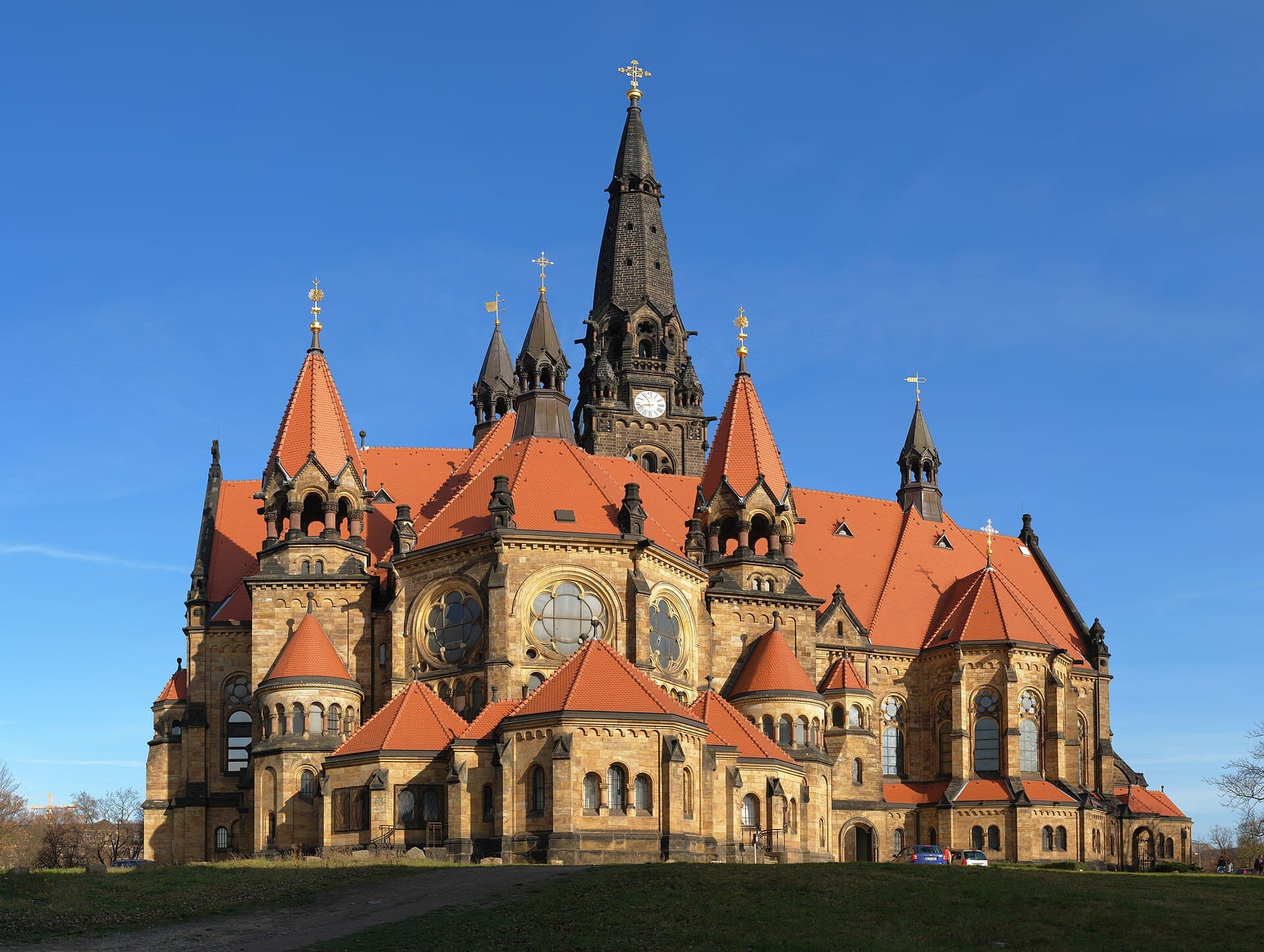 St Martin's Garrison ChurchAn early twentieth-century church in the Albertstadt district north of Dresden, 5 minutes walk4.6
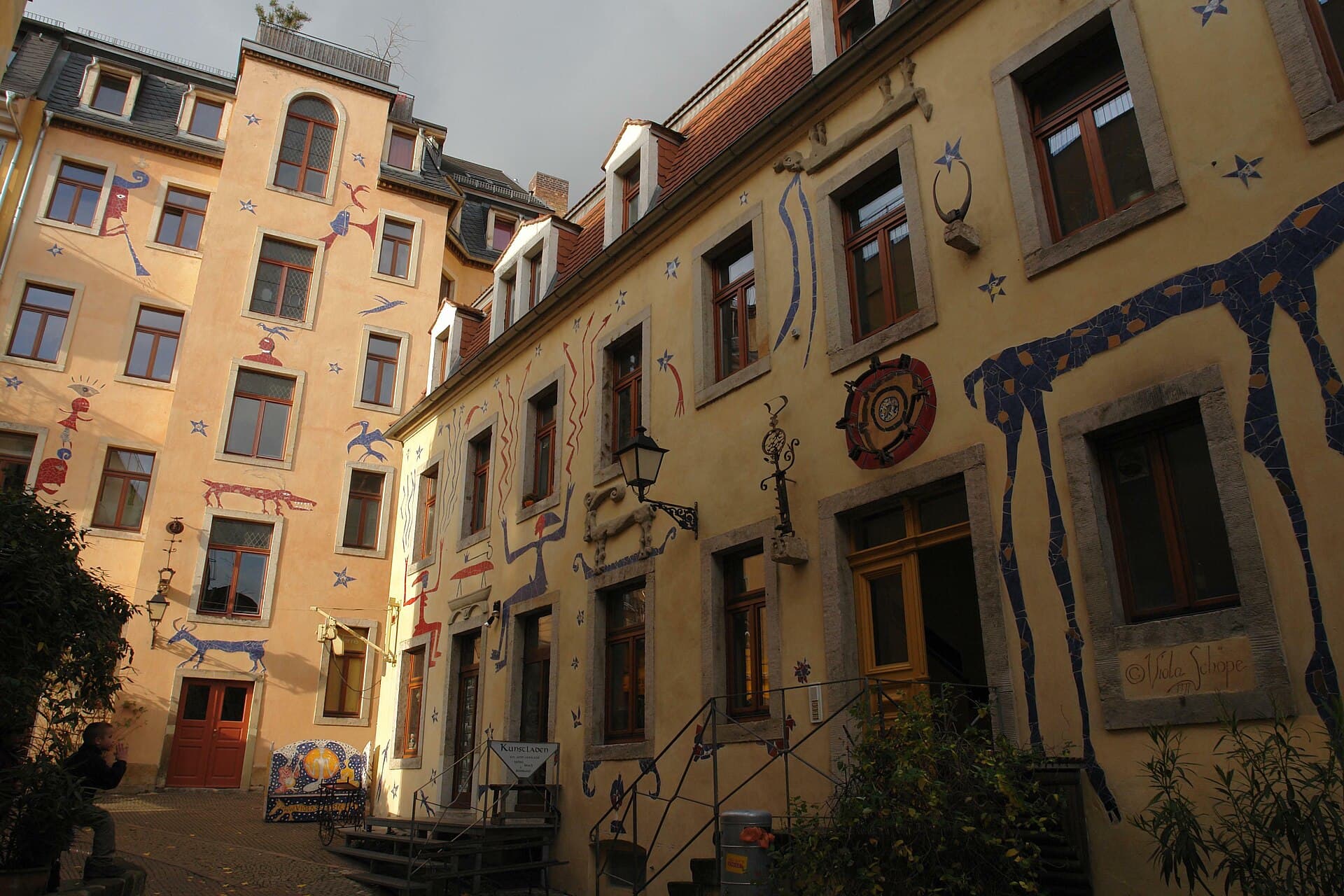 KunsthofpassageThe Kunsthofpassage is a chain of linked inner courtyards in the Neustadt distri15 minutes walk4.5
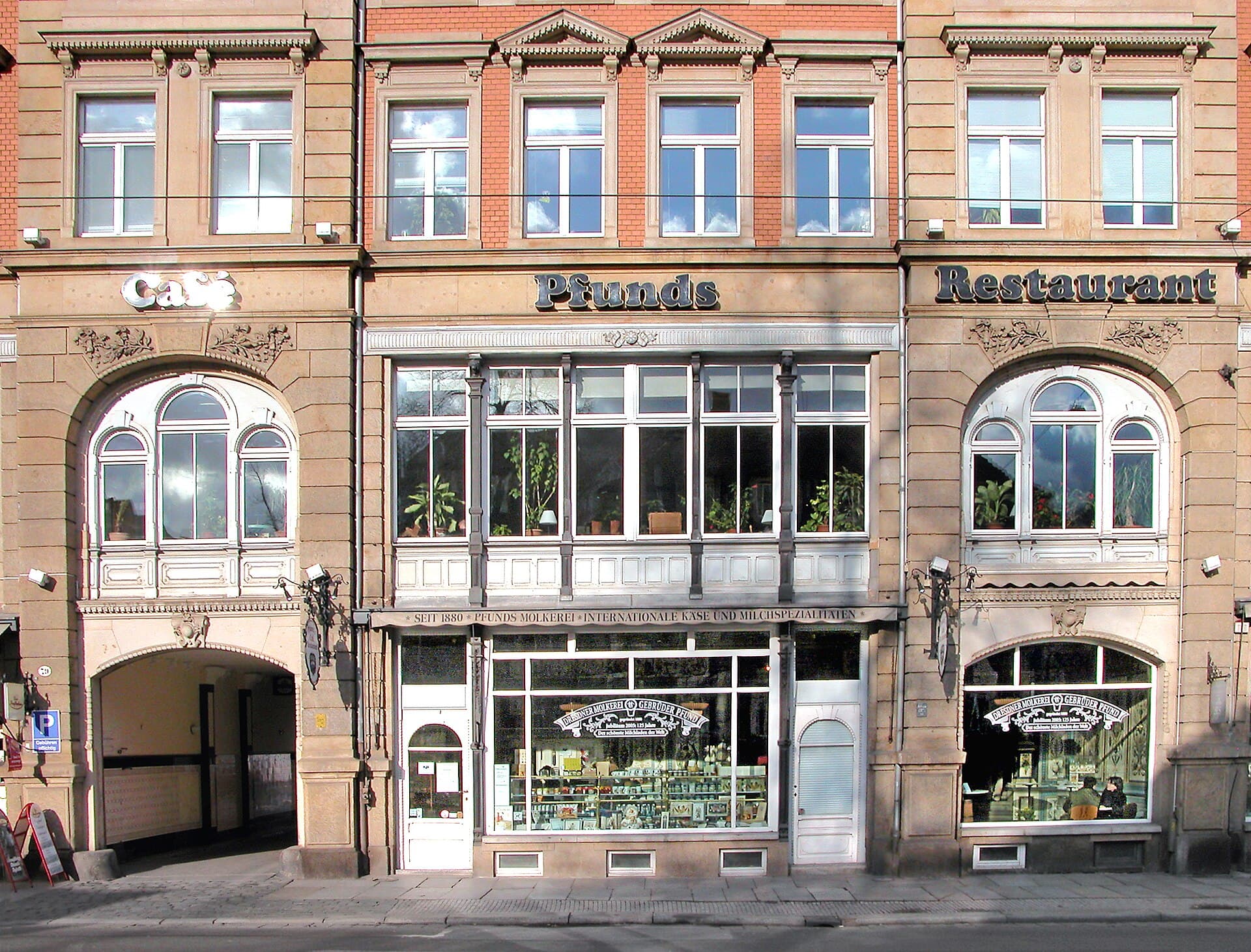 Pfunds MolkereiPfunds Molkerei is a small shop in Dresden's Neustadt that holds an official Gui20 minutes walk4.4
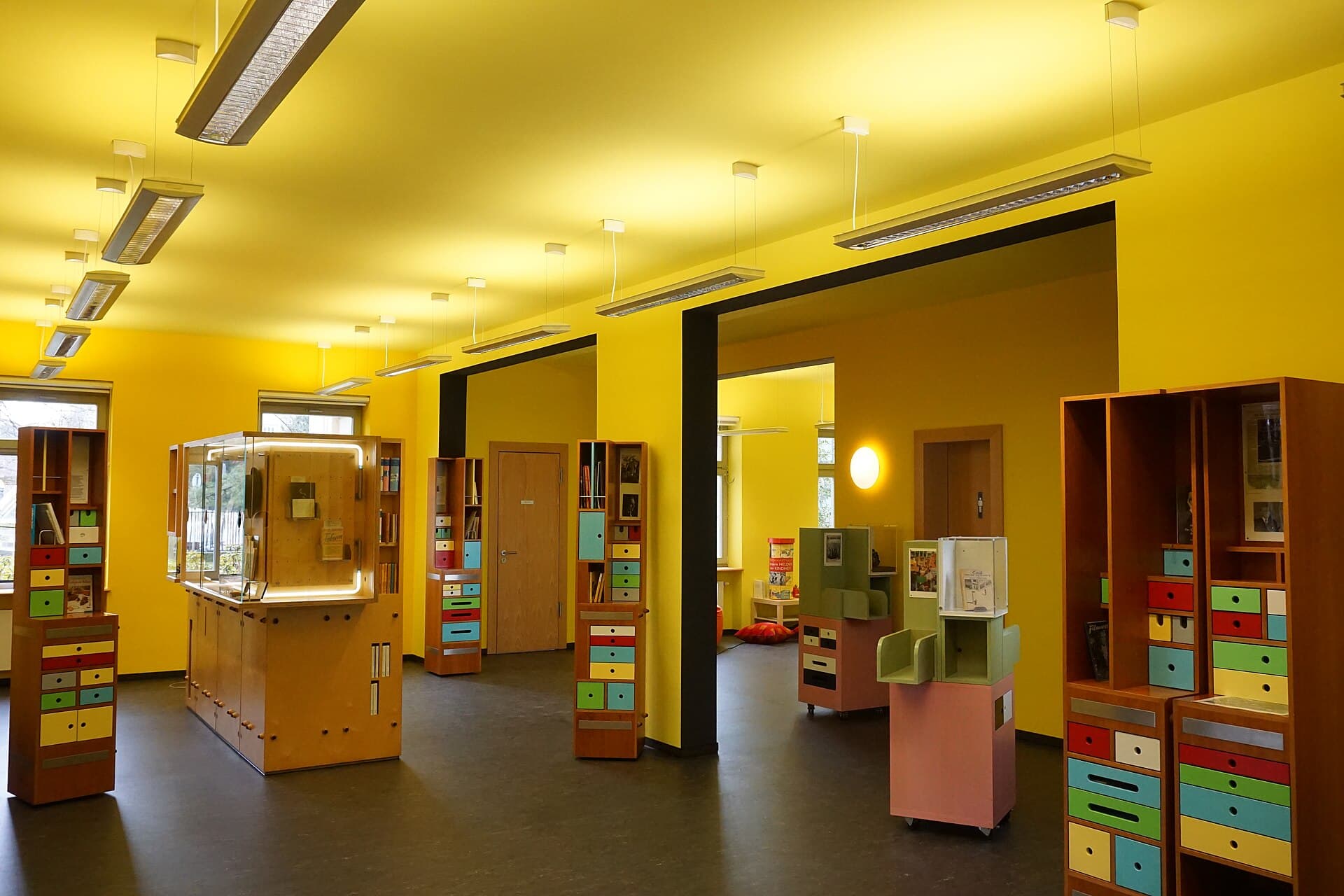 Erich Kaestner MuseumErich Kaestner was born in Dresden in eighteen ninety-nine and wrote some of the24 minutes walk4.5
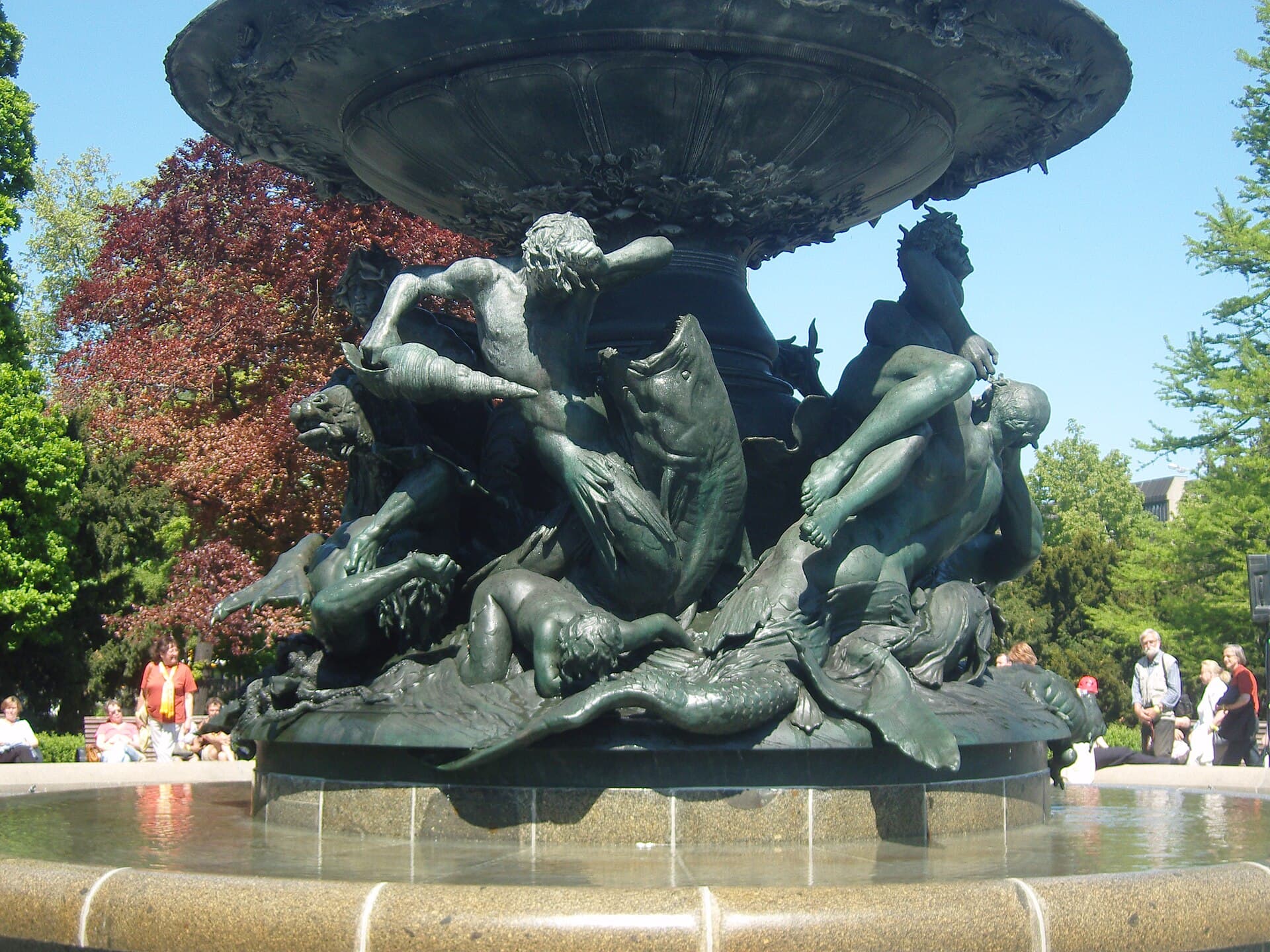 The Stormy Waves FountainsA pair of fountains in northern Dresden known together as Stormy Waves and Calm 25 minutes walk4.5
No. Weapons are here, but the argument of the museum is violence as a cultural and human phenomenon: why people fight, how they remember it, and what happens to bodies and cities. Visitors with no interest in hardware often rate it the strongest museum in Dresden.
About three and a half kilometres north of the old town, in the Albertstadt barracks quarter. Tram seven or eight gets you there in roughly fifteen minutes from the main station or from Schlossplatz.