
A real cabinet of curiosities
Objects surviving from Ludovico Moscardo's seventeenth-century collection, the famous Verona astrolabe among them, back when art, nature and the plain strange shared one room.
This Photo was taken by Andrea Bertozzi. Feel free to use my photos, but please mention me as the author and send me a message. — CC BY-SA 4.0 · Libens libenter — CC BY-SA 3.0 · Phyrexian — CC BY-SA 4.0 · This Photo was taken by Andrea Bertozzi. Feel free to use my photos, but please mention me as the author and send me a message. — CC BY-SA 4.0
On a narrow lane off Via Garibaldi there is a facade still carrying the remains of sixteenth-century frescoes, so faded that almost nobody walking past looks up. Behind it is the house of the Miniscalchi Erizzo family. The last of the line, Count Mario, died in 1957 with no direct heir, having left the palace and everything in it to a foundation; his widow, Countess Anna, went on living here until 1977, and after a long and expensive restoration the museum opened to the public in 1990. What you get is not a gallery. It is a nobleman's house that was never fully emptied of its owners. Fifteen rooms on the first floor hold what the family accumulated over centuries: Renaissance arms and armour, small bronzes, drawings by sixteenth-century masters, old glass and ivories, maiolica and porcelain, eighteenth-century Venetian furniture, archaeological finds, and family portraits hanging more or less where they always hung. Among the objects are the celebrated Verona astrolabe and pieces that survive from the seventeenth-century cabinet of curiosities assembled by Ludovico Moscardo — the kind of collecting that mixed art with nature and sheer oddity long before anyone invented the modern museum. And here is what matters most in practice: the museum opens four days a week only — Friday, Saturday, Sunday and Monday — from 10:00 to 13:00 and again from 14:00 to 18:00, with last admission forty-five minutes before closing. Tuesday, Wednesday and Thursday it is shut completely, and plenty of visitors arrive at the door on the wrong day and walk away. The full ticket is 8 euros; the Verona Card gets you the reduced 5-euro rate, not free entry, which surprises people. No advance booking is needed for individuals, and under-12s go in free. An hour is enough, and you may well have every room to yourself — half the pleasure of the place. If you have a single day in Verona, go to Castelvecchio and the Arena and skip this without regret. If it is your second visit, or you have a weakness for small house museums that feel like somebody's private box of secrets, it is one of the quietest and most likeable things in the city. It is about five minutes on foot from Piazza delle Erbe, which makes it a cool, calm stop between lunch and dinner on a hot afternoon. The rooms are tight and the objects fragile, so it is no place for small children at a run — though the armour does hold ten-year-olds nicely.
Objects surviving from Ludovico Moscardo's seventeenth-century collection, the famous Verona astrolabe among them, back when art, nature and the plain strange shared one room.
Fifteen furnished rooms with the family portraits still in place, so it reads as somebody's home far more than as a museum.
Late sixteenth-century frescoes by Michelangelo Aliprandi on the upper registers and Tullio India the Elder on the lower frieze, faded but still readable, and free to admire from the lane.
Via San Mammaso 2/A, 37121 Verona
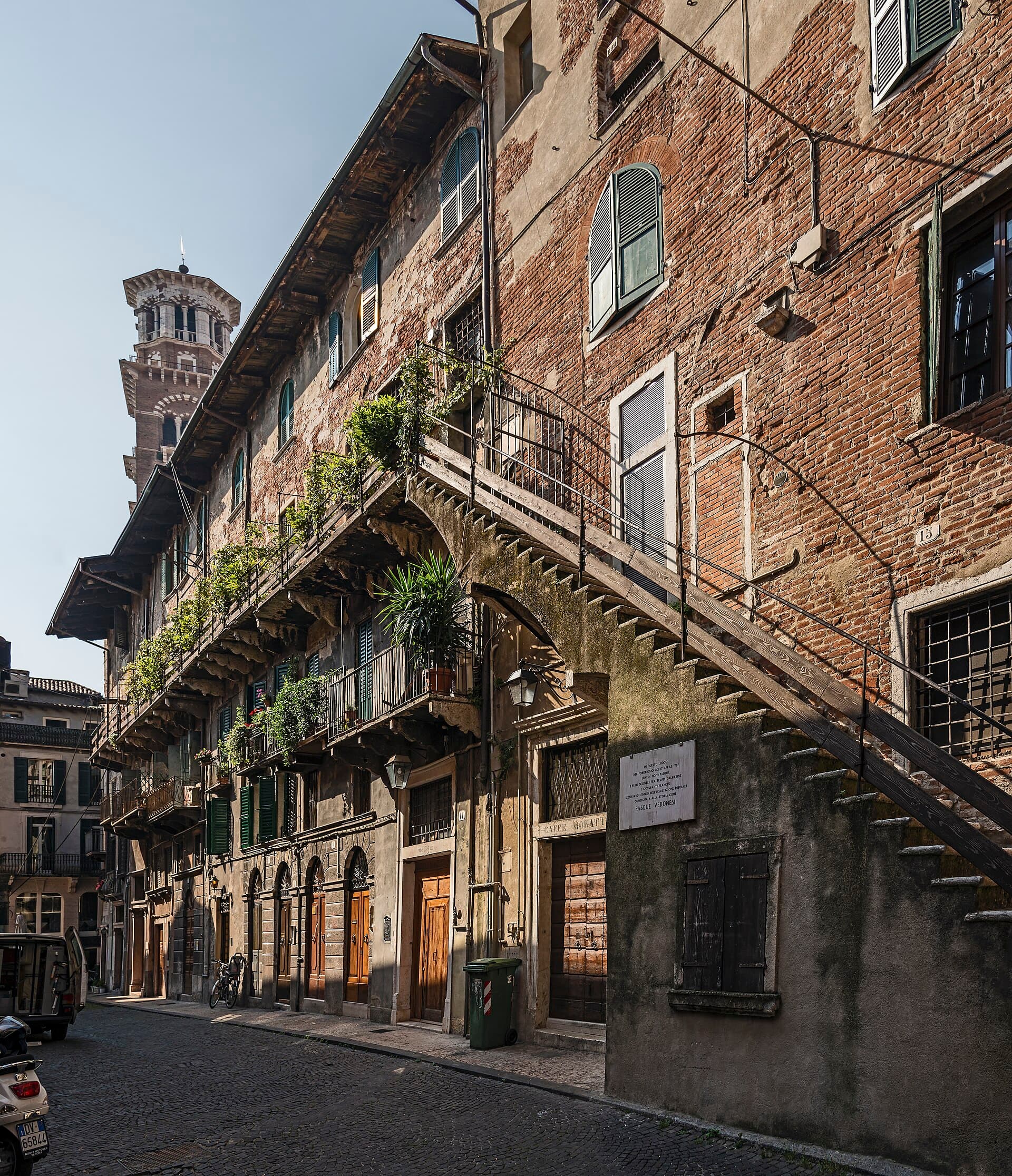 Case MazzantiA group of buildings on the Piazza delle Erbe in central Verona whose fronts are3 minutes walk4.5
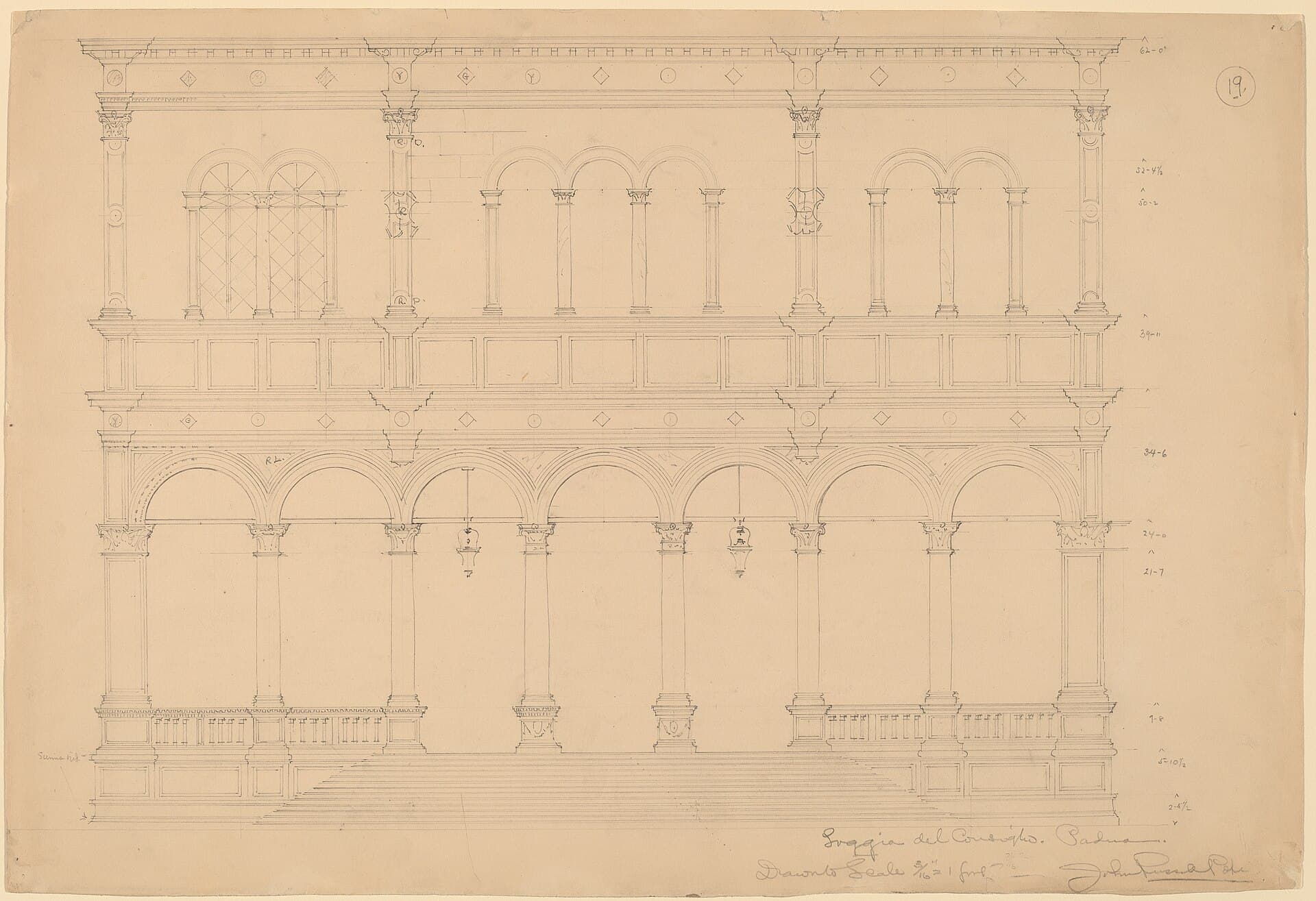 Loggia del ConsiglioFive ancient Romans have stood along the roofline since 1493, looking down on th3 minutes walk4.7
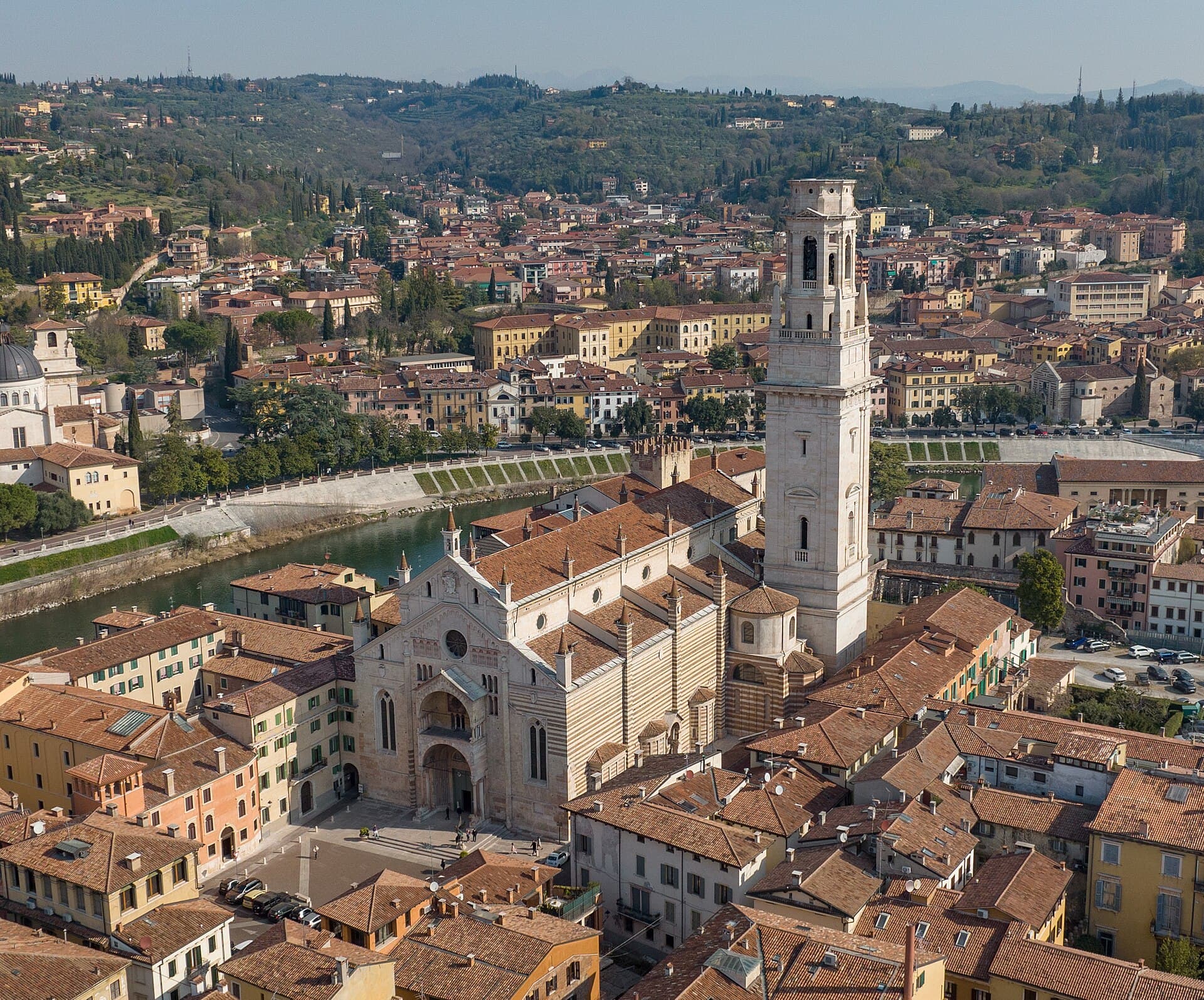 Verona CathedralVerona's cathedral is a complex of stacked ages in the old city's quietest corne3 minutes walk4.7
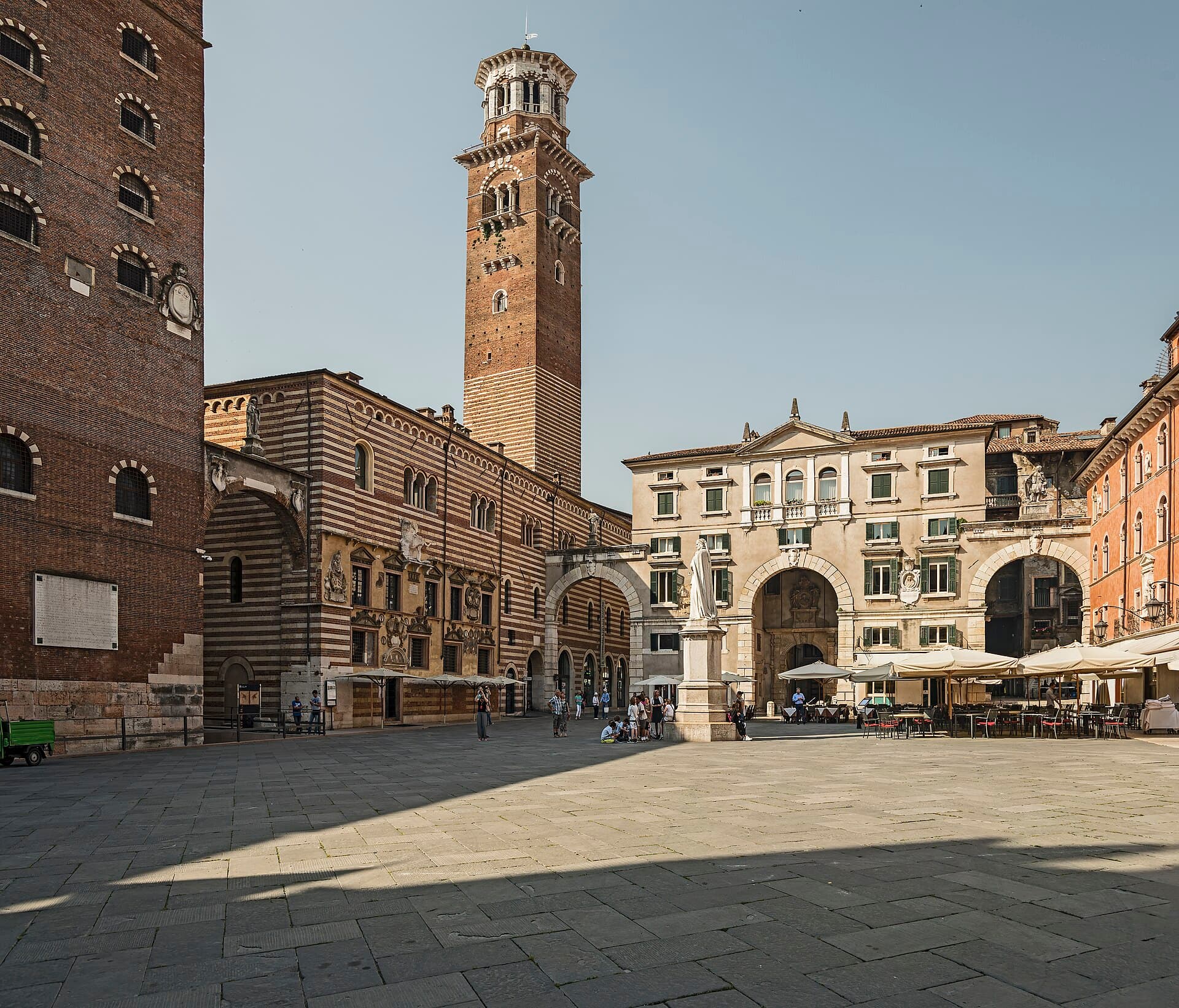 Piazza dei SignoriOne step under the whale-rib arch moves you from the Erbe market's clamour into 3 minutes walk4.6
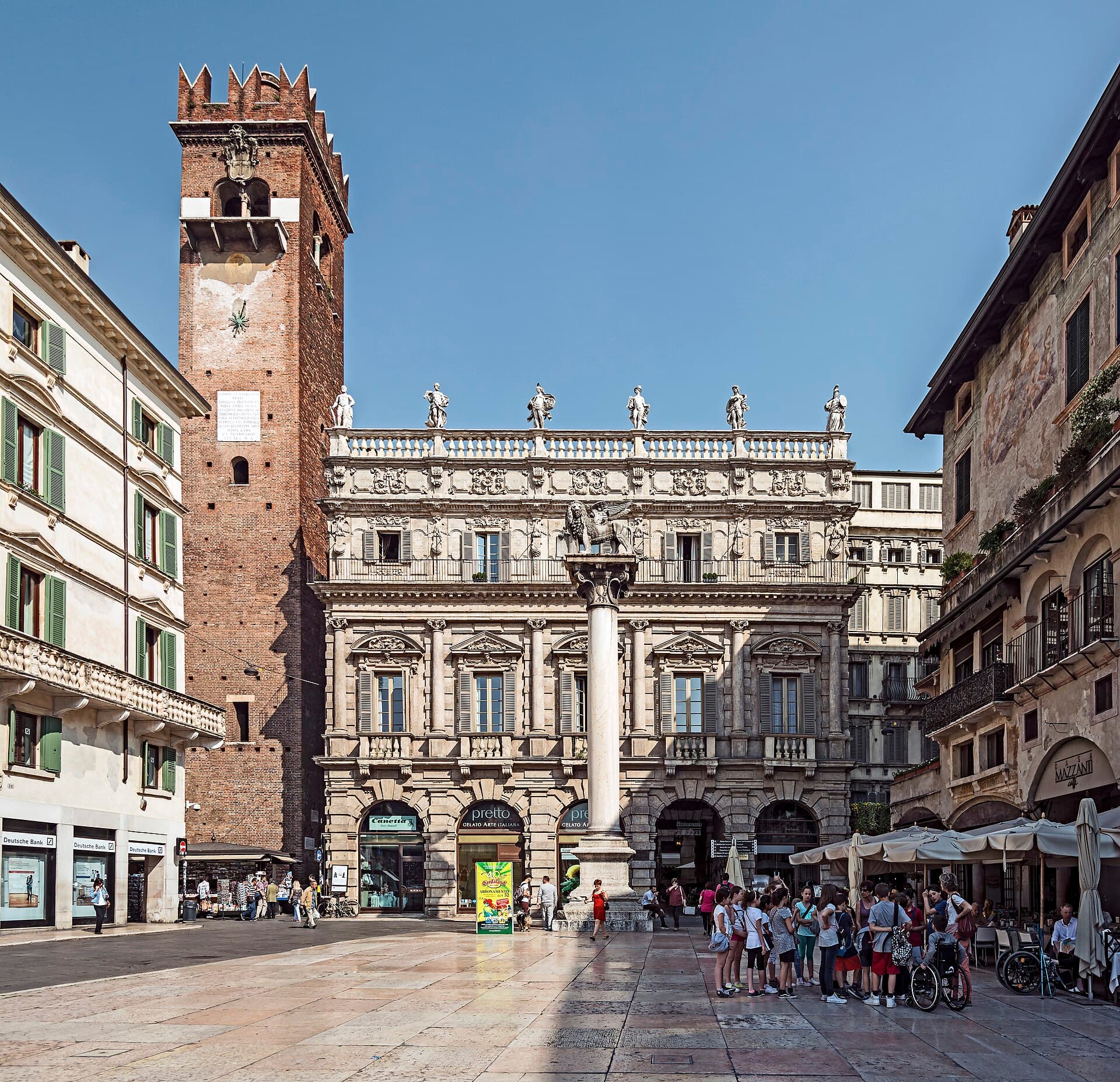 Piazza delle ErbePiazza delle Erbe is Verona's Roman forum that never stopped working — two thous3 minutes walk4.8
No. It gets you the reduced 5-euro ticket instead of 8, not free entry. More important than the price is the calendar: the museum opens Friday to Monday only, so plan around the opening days rather than around the card.
Honestly, no. On a single day the Arena, Castelvecchio, Piazza delle Erbe and San Zeno come first. This is a second-visit reward, or a very good choice if you are tired of crowds and want a quiet hour inside an old house.