
Tops like gravestones
The resemblance is plain; whether it was deliberate is still debated.
bartek444 — CC BY-SA 3.0 pl · Adrian Grycuk — CC BY-SA 3.0 pl · Adrian Grycuk — CC BY-SA 3.0 pl · Adrian Grycuk — CC BY-SA 3.0 pl
Two surviving sections of the Kraków ghetto wall in the Podgórze district, all that physically remains of the barrier that cut about fifteen thousand people off from the city. The ghetto was created in March 1941 in this district south of the river, not in Kazimierz — Kraków's historic Jewish quarter. Podgórze's Polish residents were moved out and the Jews of the city and region moved in. The detail always mentioned is the wall's shape: it was built with rounded tops resembling Jewish gravestones. Whether that was deliberate or an architectural coincidence remains debated, but the resemblance is plain in the surviving sections. The ghetto was liquidated in March 1943: those remaining were killed and the rest deported to Płaszów and Auschwitz. Memorial plaques stand on the surviving sections. A public space, free to see at any time.
The resemblance is plain; whether it was deliberate is still debated.
The ghetto was made south of the river, not in historic Kazimierz.
Those remaining were killed and the rest deported to Płaszów and Auschwitz.
Podgórze, south of the Vistula
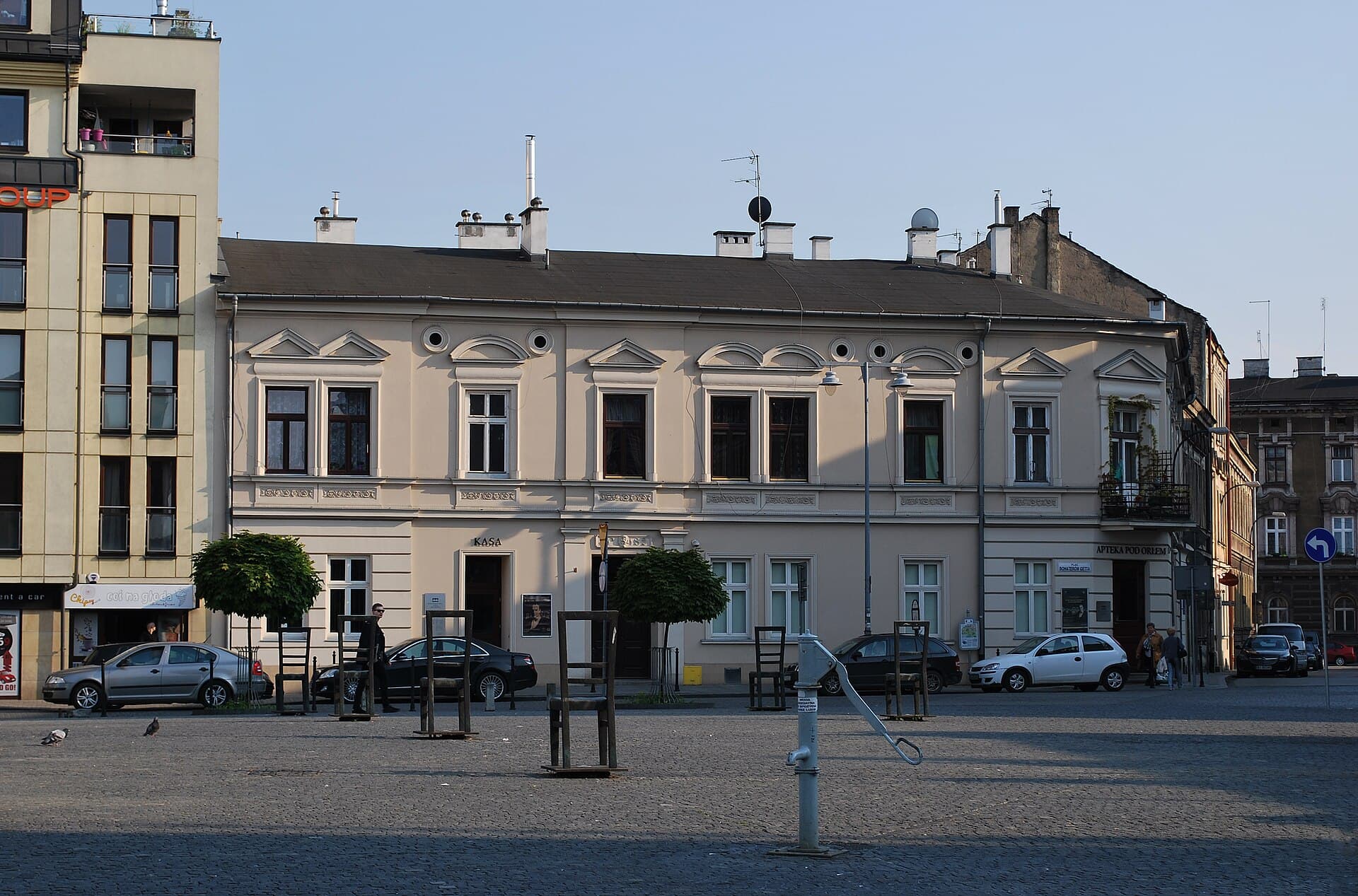 Eagle PharmacyA pharmacy on Ghetto Heroes Square in Podgórze that was the only pharmacy inside4 minutes walk4.6
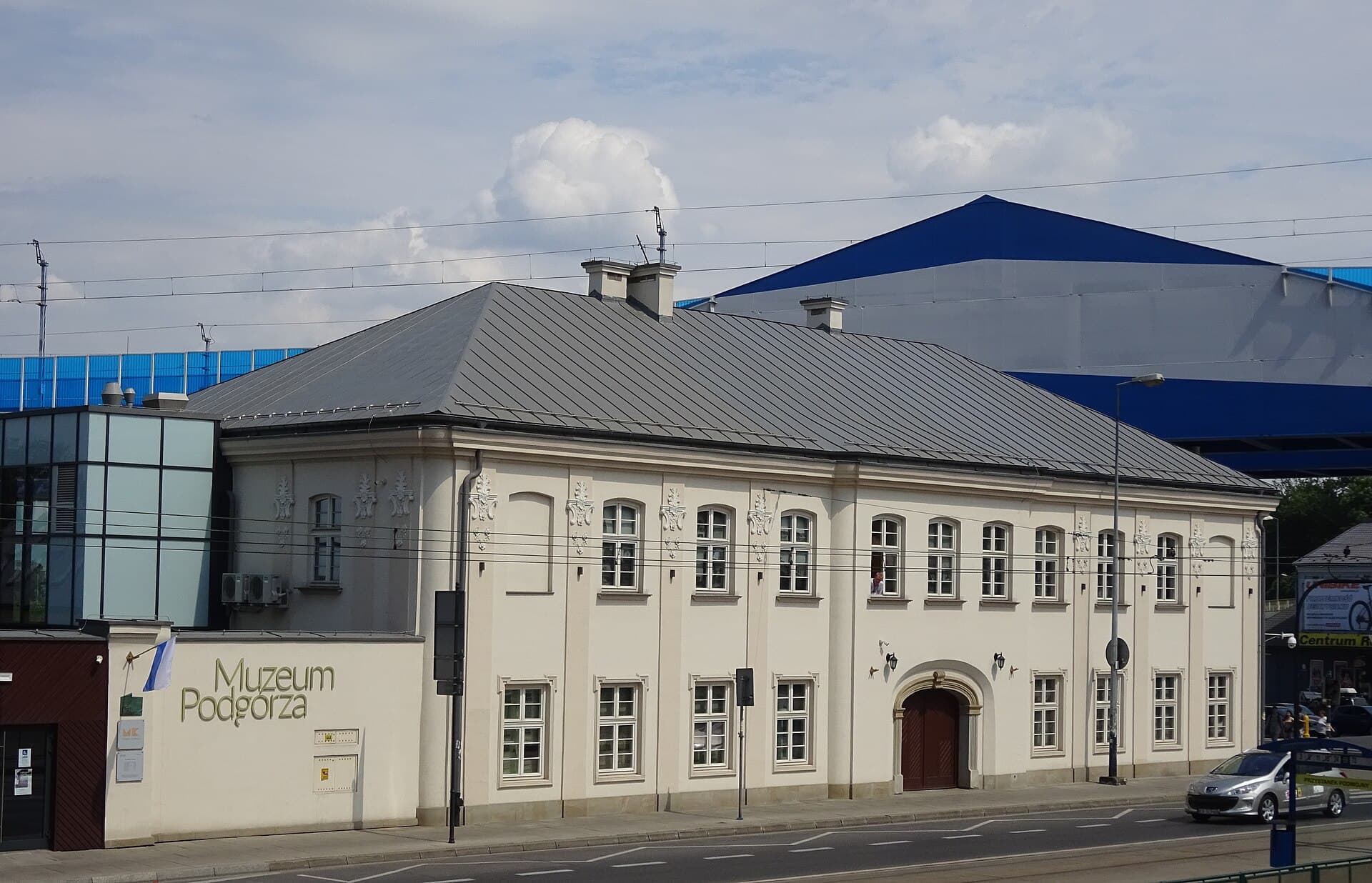 Museum of PodgórzeA museum about the Podgórze district in a historic inn at the foot of the Krakus4 minutes walk4.6
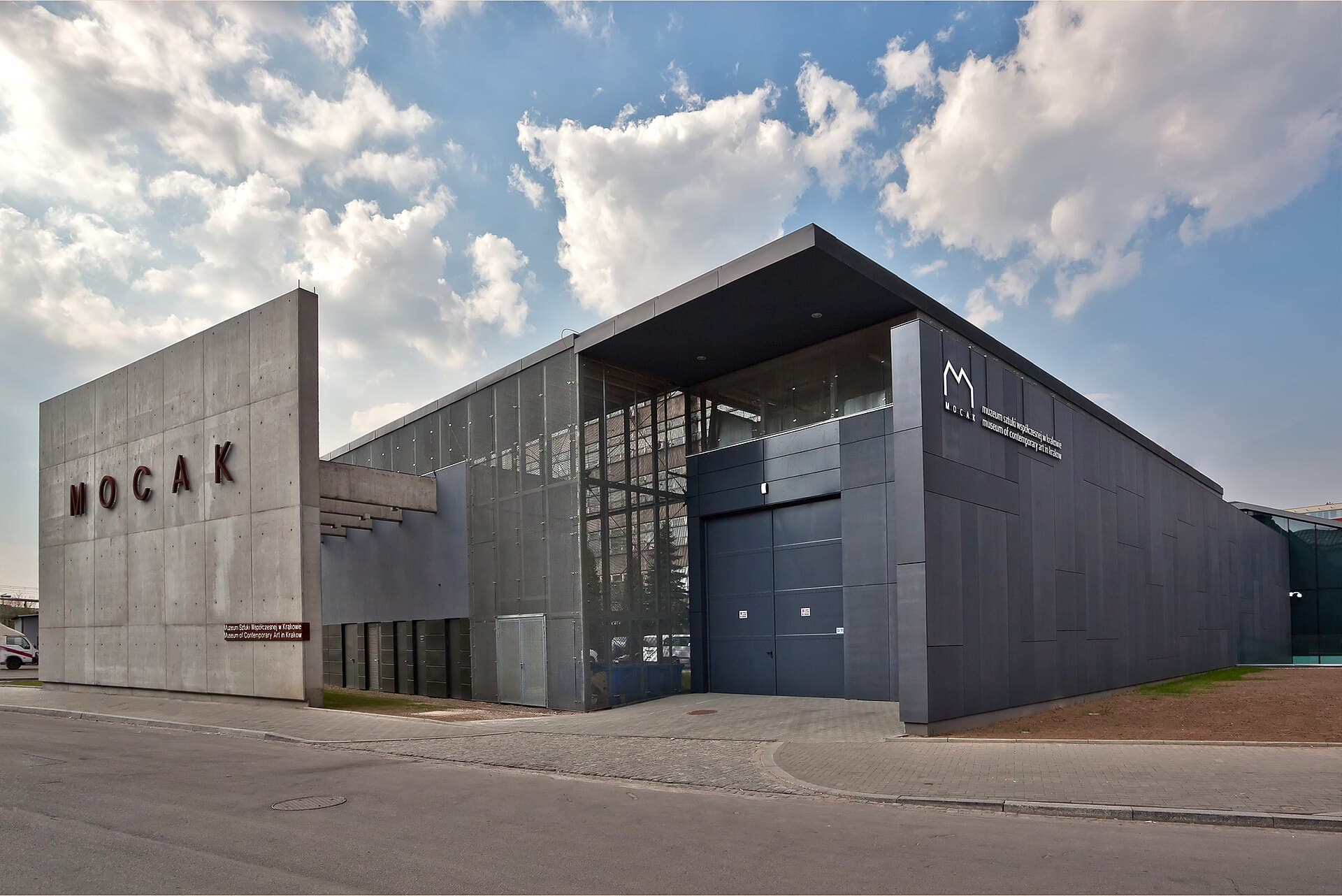 MOCAK Museum of Contemporary ArtA contemporary art museum in the former industrial district of Zabłocie, built o5 minutes walk4.4
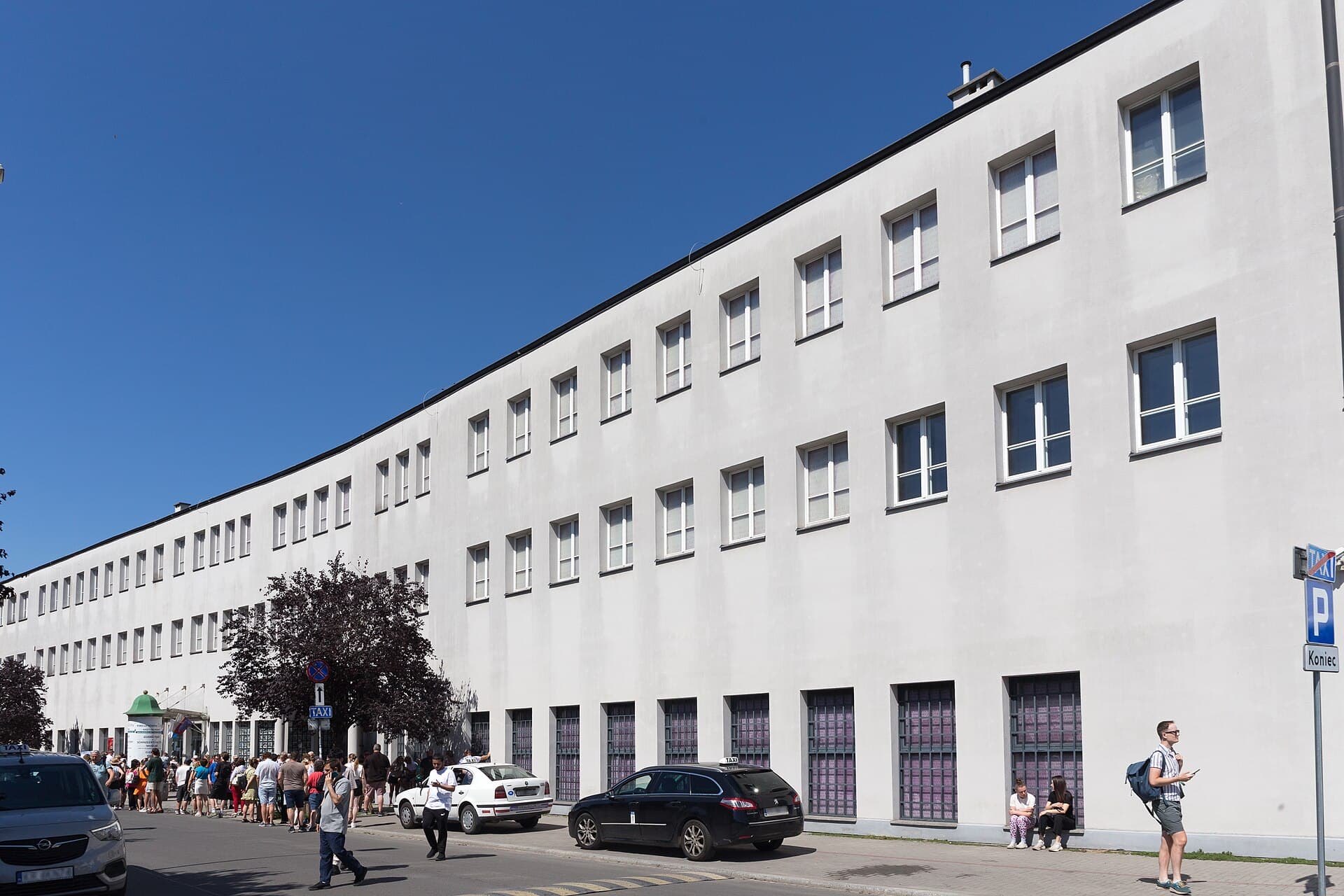 Oskar Schindler's FactorySchindler's Factory is the museum of occupied Krakow: in the actual enamelware w6 minutes walk4.4
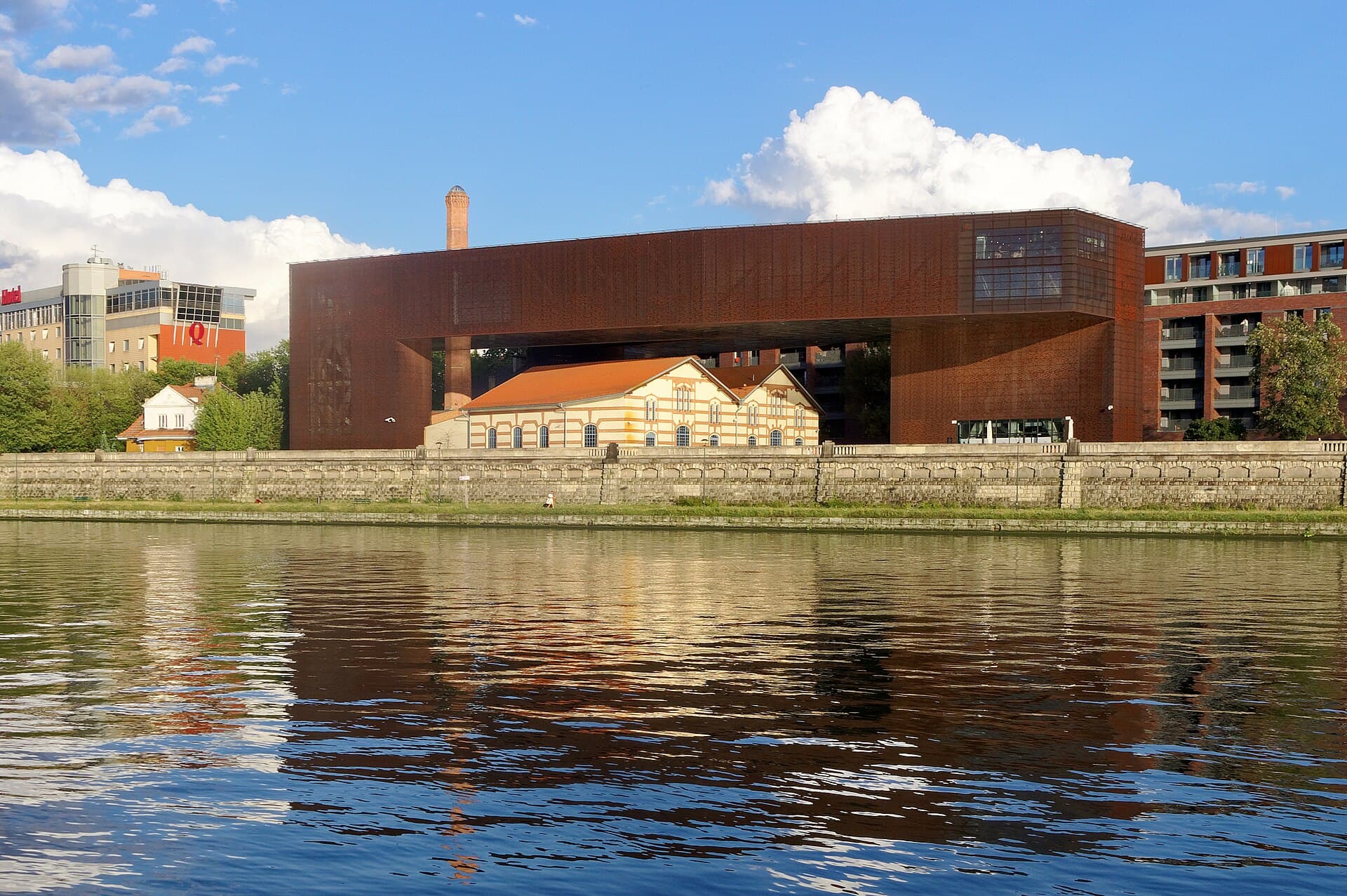 Cricoteka — Tadeusz Kantor CentreA documentation centre and museum of the work of Tadeusz Kantor, in a striking b7 minutes walk4.4
The Ghetto Heroes Square with its memorial of thirty-three empty steel chairs spread across it — an affecting design referring to the furniture left in the streets during the deportations. The Pharmacy under the Eagle on the square, the only one that continued working inside the ghetto, run by a Polish pharmacist who helped its inhabitants, today a small museum. And Schindler's Factory a short distance away, with its exhibition on Kraków under occupation.
Kazimierz is the historic Jewish quarter north of the river, where Jews lived in Kraków for about five centuries: it holds seven old synagogues, cemeteries and lanes, and is today a lively district of cafés and nightlife. Podgórze south of the river was an ordinary Polish district forcibly turned into a ghetto in 1941. The two are often confused: Kazimierz is the long history, Podgórze the extermination.