
The 1727 relief plan
The fortified city as a military model to walk around.
Yann Caradec from Paris, France — CC BY-SA 2.0 · Thomas Bresson — CC BY 3.0 · Ji-Elle — CC BY-SA 4.0 · DCHNwam — Public domain
The Historical Museum tells Strasbourg's story from the Middle Ages: in a sixteenth-century former slaughterhouse on the river, it shows how the city became a powerful free republic in the Holy Roman Empire, a centre of printing, humanism and the Reformation, then French, then German, then French. Its jewel is the huge relief plan of 1727 — a precise French military model of the fortified city, walked around to see eighteenth-century Strasbourg whole from above. It holds arms, costume, prints and paintings explaining the city where Gutenberg worked part of his revolution. A model city museum for grasping the place before walking it — and the building itself on the river is lovely, near the Ponts Couverts and Petite France.
The fortified city as a military model to walk around.
Strasbourg of printing, Reformation and humanism.
2 rue du Vieux-Marché-aux-Poissons, 67000 Strasbourg
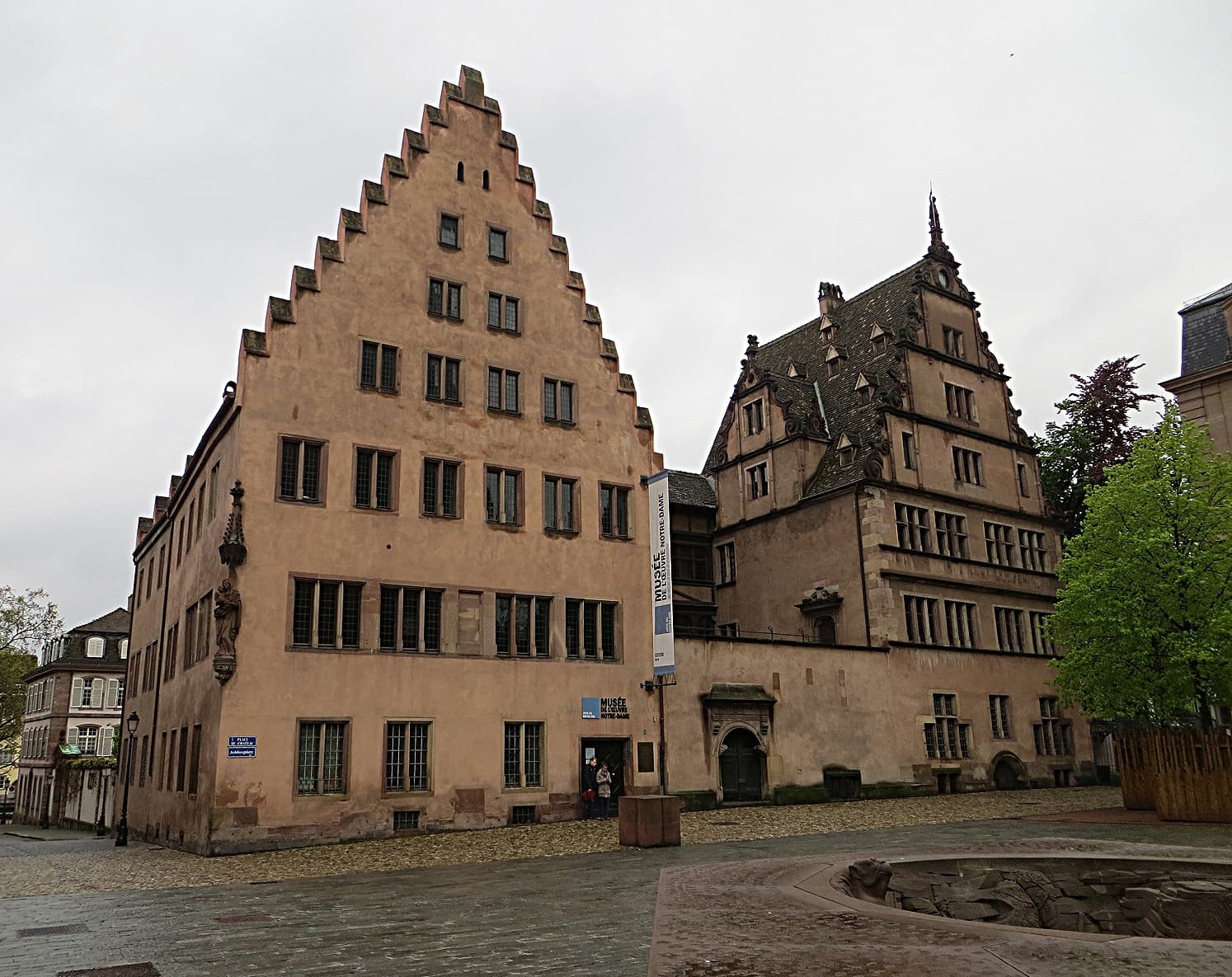 Musée de l'Œuvre Notre-DameThe 'Œuvre Notre-Dame' is the foundation that has built and repaired the cathedr1 minute walk4.6
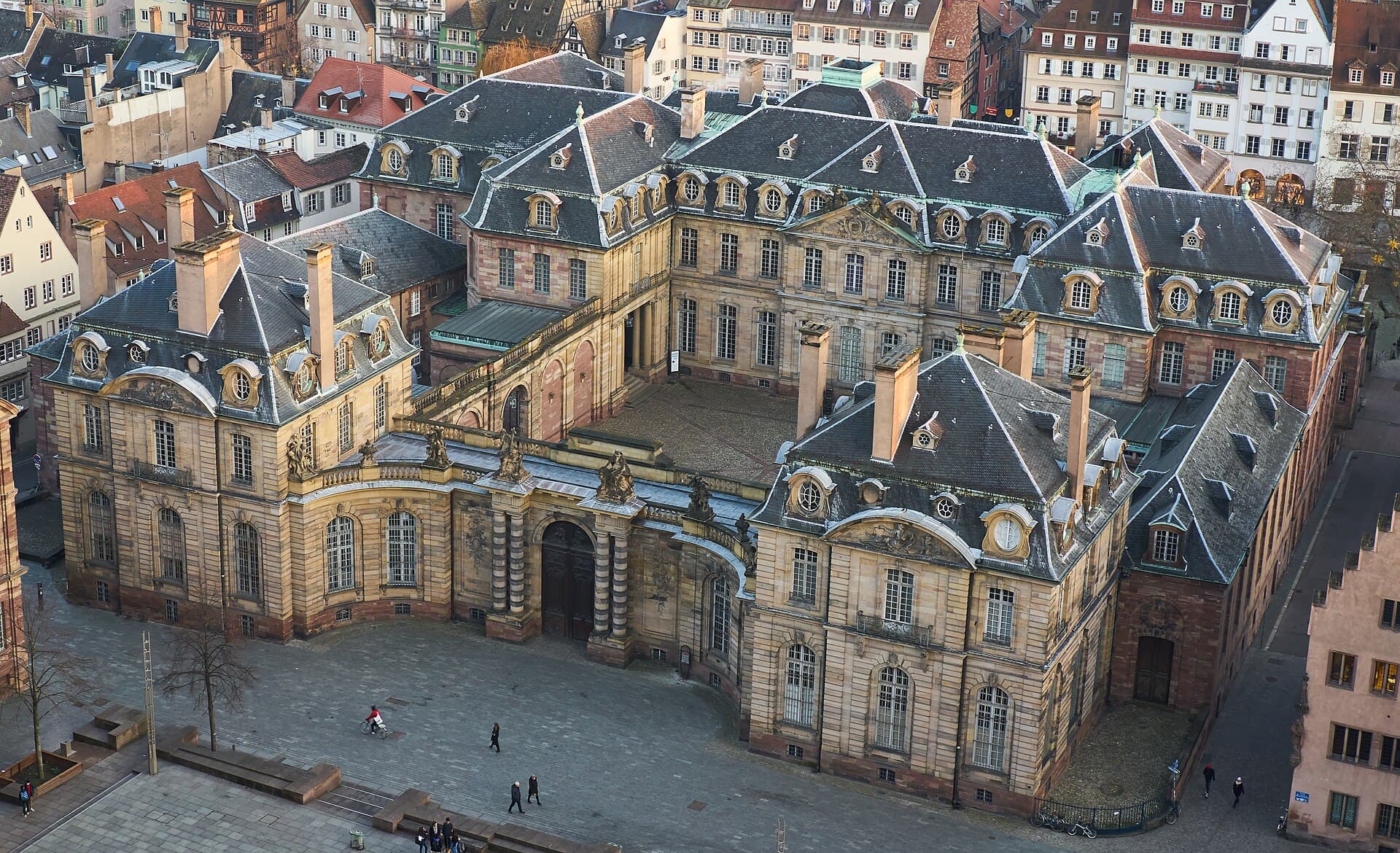 Palais RohanThe Palais Rohan is Strasbourg's eighteenth-century masterpiece: built by the po2 minutes walk4.5
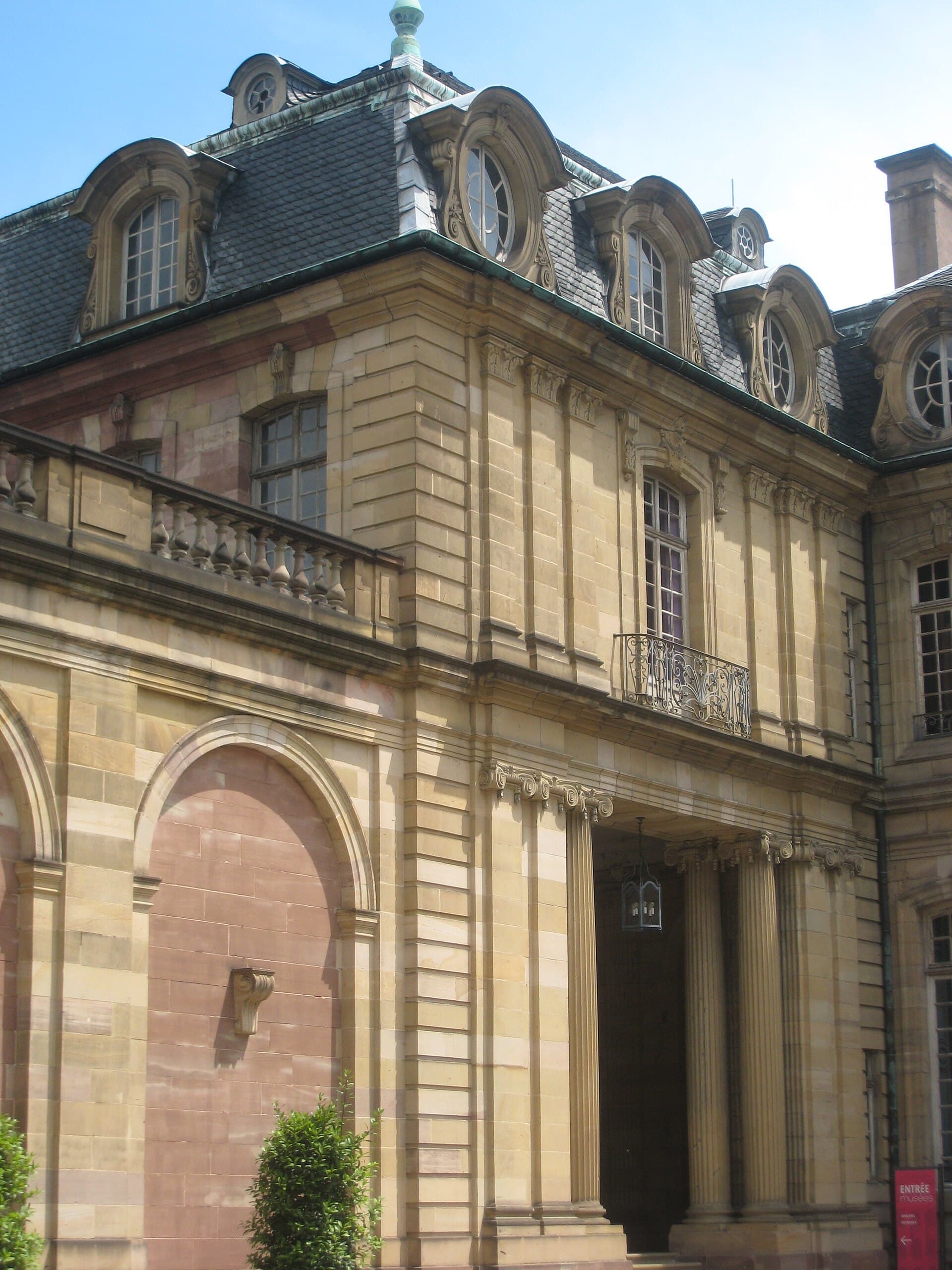 Museum of Decorative Arts, StrasbourgA museum on the ground floor of the Palais Rohan, combining two halves: the stat2 minutes walk4.3
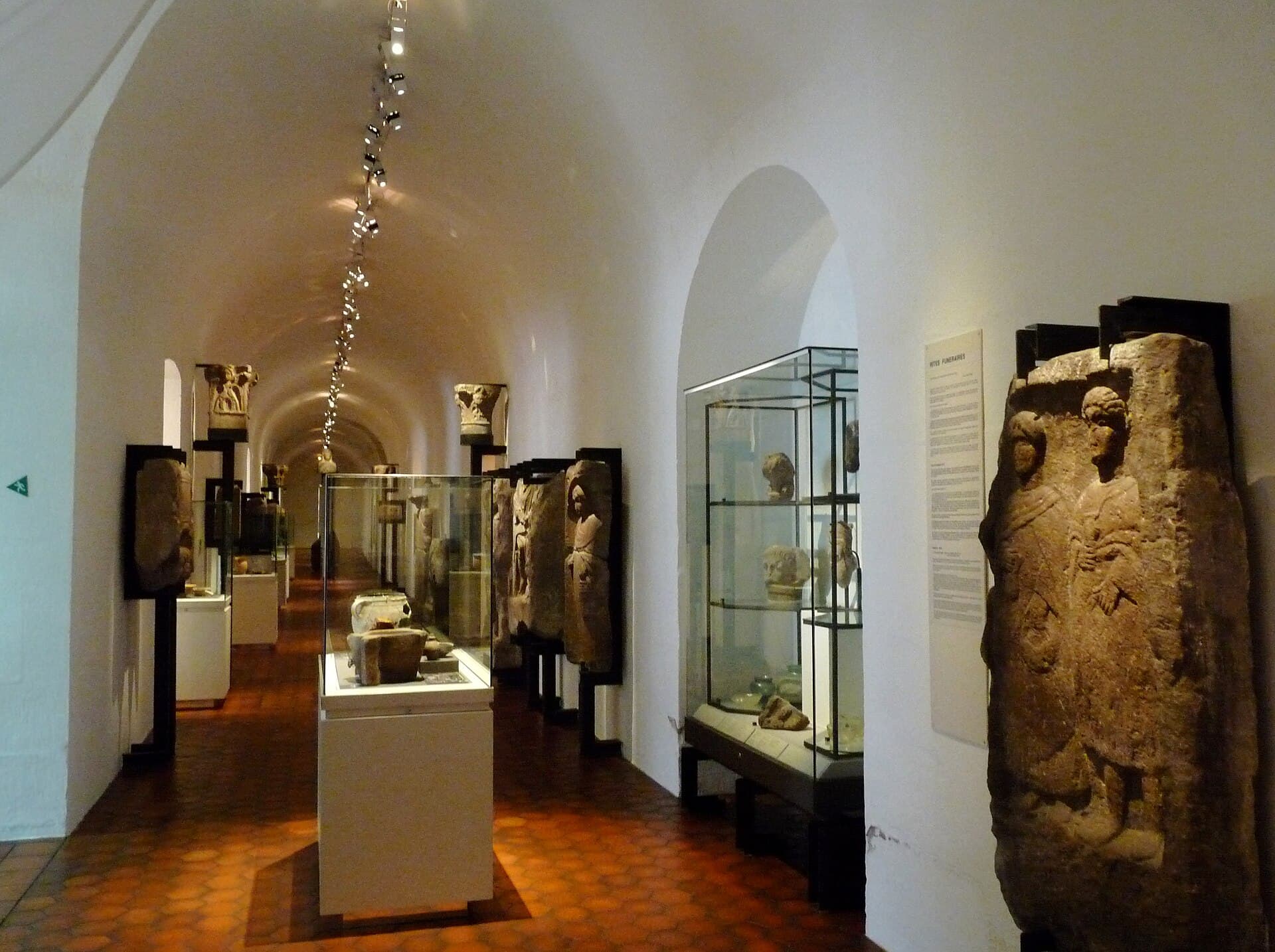 Strasbourg Archaeological MuseumAn archaeology museum in the basement of the Palais Rohan, among the most import2 minutes walk4.0
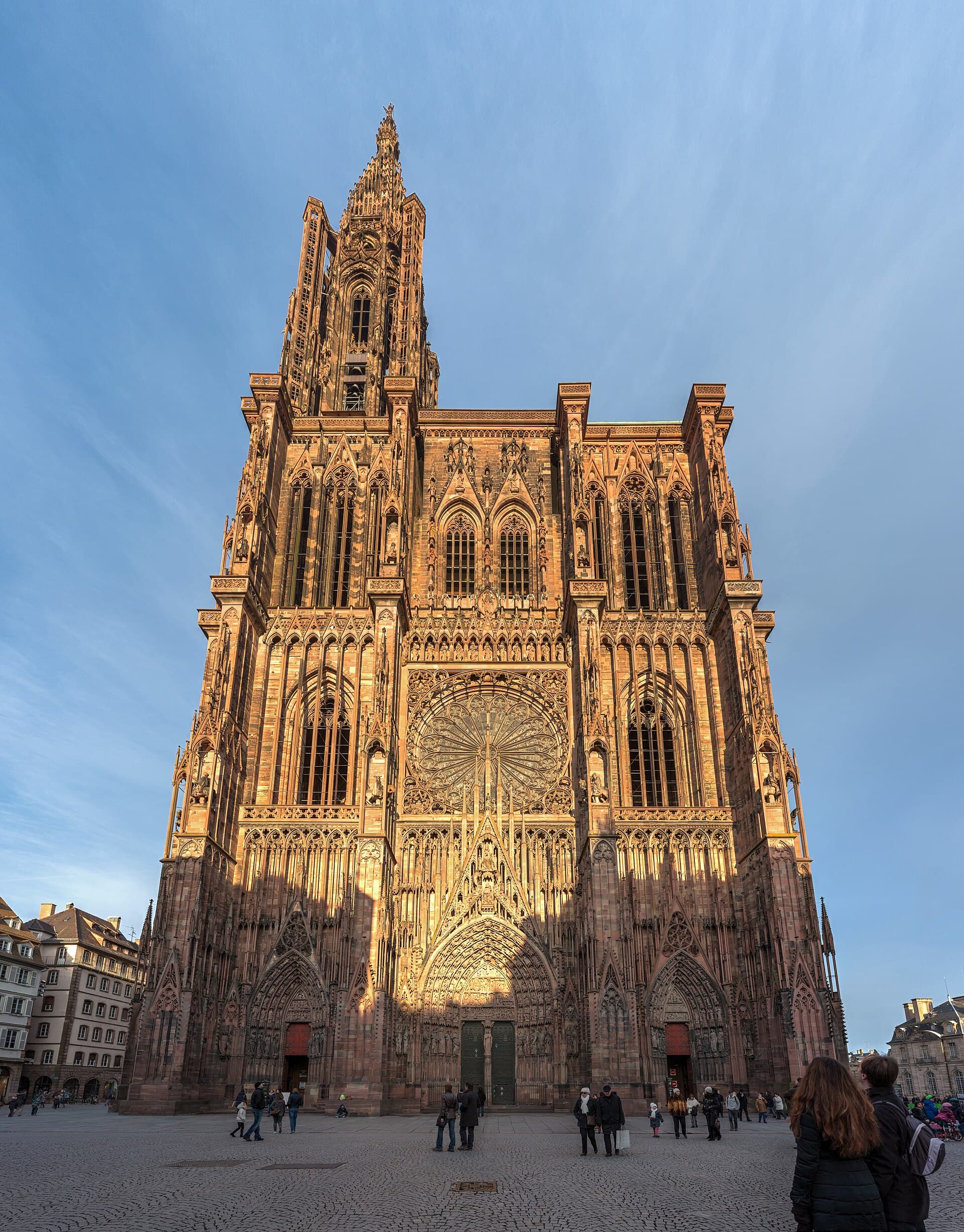 Strasbourg CathedralFor more than two centuries Strasbourg Cathedral was the tallest building on ear3 minutes walk4.7
Gutenberg spent his early experimental years in Strasbourg (1430s) before completing his press in Mainz — so the city claims to be the experiment's cradle, with a square and statue in his name. Strasbourg was among early Europe's great printing cities, half its free-republic glory.