
Witz's Miraculous Draught
Europe's first true landscape, 1444 — and the lake is this lake.
Franck Schneider — CC BY-SA 3.0 · TimeTravelRome — CC BY 2.0 · TimeTravelRome — CC BY 2.0 · TimeTravelRome — CC BY 2.0
Geneva's largest museum — its 1910 Beaux-Arts palace at the old town's foot holds nearly everything: Egyptian, Greek and Etruscan antiquities, centuries of armour and whole transplanted salons, painting from Renaissance to Impressionists — an encyclopedia under one roof in the grand old manner. Its two jewels: Konrad Witz's Miraculous Draught of Fishes (1444) — European painting's first true landscape, Christ walking the water of Lake Geneva itself, its mountains drawn as you nearly see them from the window today; and the Ferdinand Hodler halls, the largest holding of Switzerland's Romantic painter. And the permanent collection is entirely free — Geneva's municipally rare-in-Europe policy — making the unhurried, commitment-free hour the smartest visiting mode.
Europe's first true landscape, 1444 — and the lake is this lake.
The largest Hodler gathering — his lakes, mountains and famous dying muse.
Egypt to armour to salons — the last of the everything museums.
Rue Charles-Galland 2, 1206 Geneva
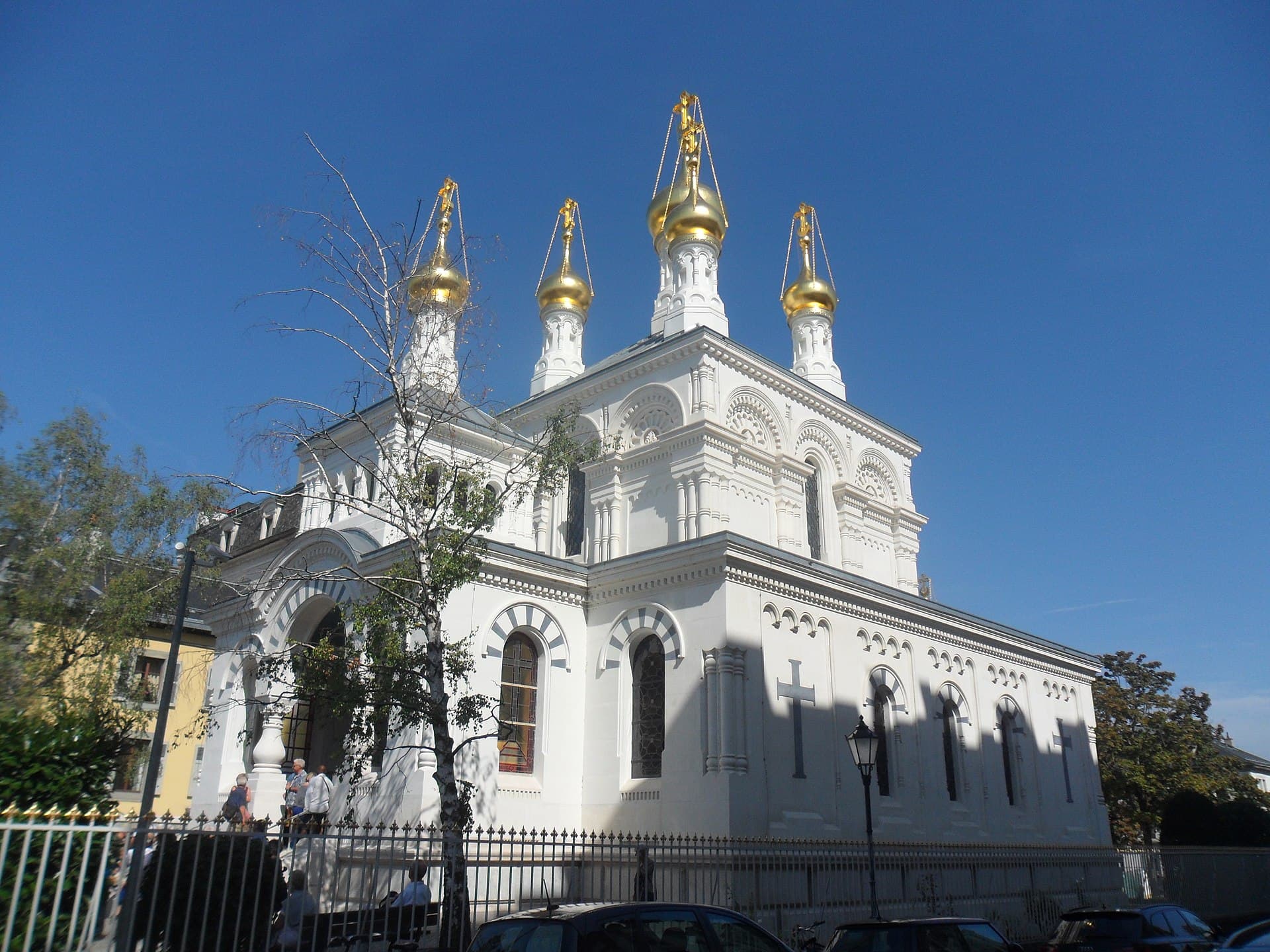 The Russian ChurchIts formal name is the **Cathedral of the Exaltation of the Holy Cross**, a Russ2 minutes walk4.5
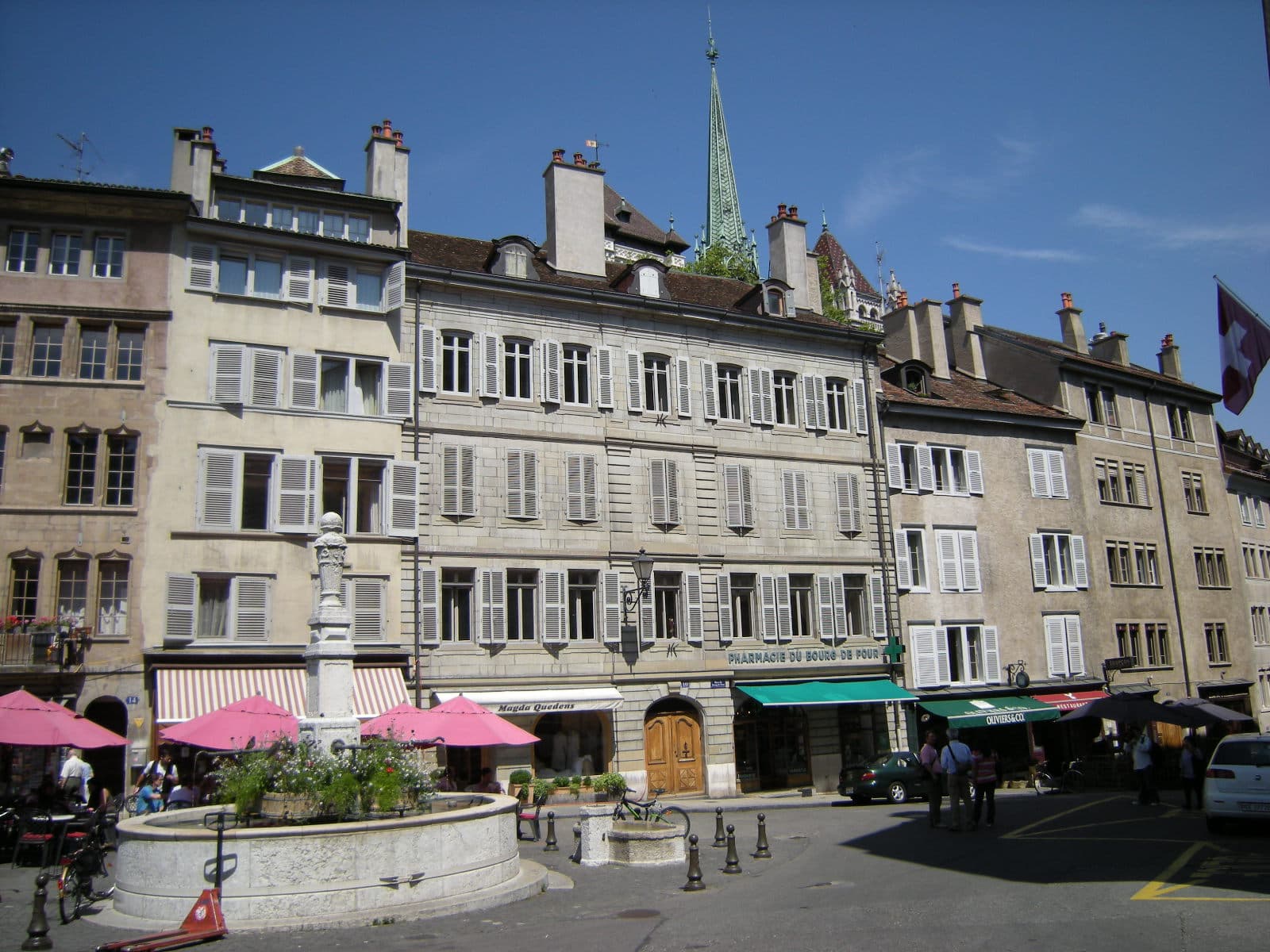 Place du Bourg-de-FourGeneva's oldest square and the upper town's heart: the Bourg-de-Four was a Roman3 minutes walk4.4
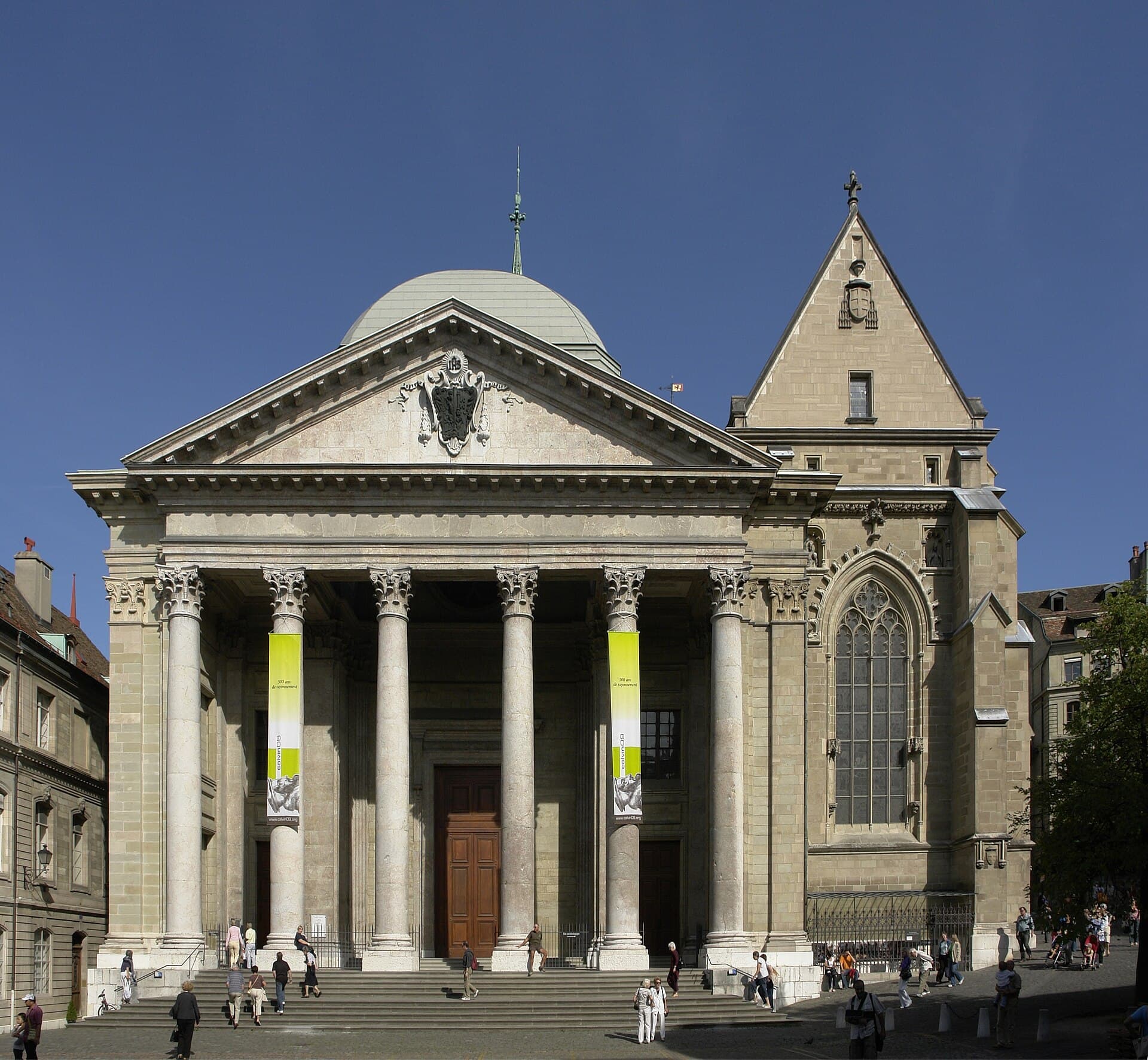 St Pierre CathedralAtop the old town sits Geneva's cathedral in its strange mixture: a twelfth-cent4 minutes walk4.7
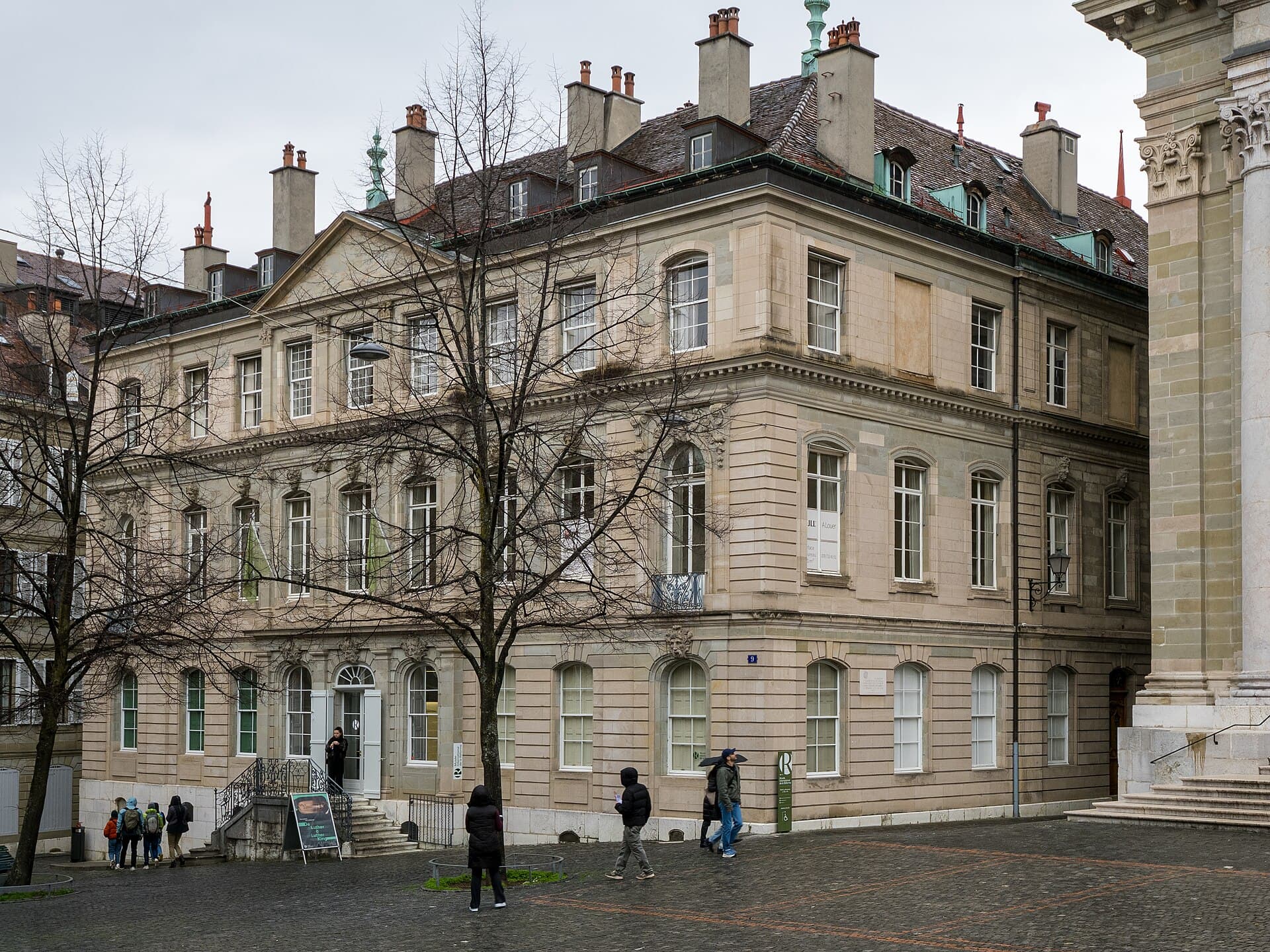 International Museum of the ReformationThe museum occupies the **Maison Mallet**, a small mansion built in 1723 by the 4 minutes walk4.6
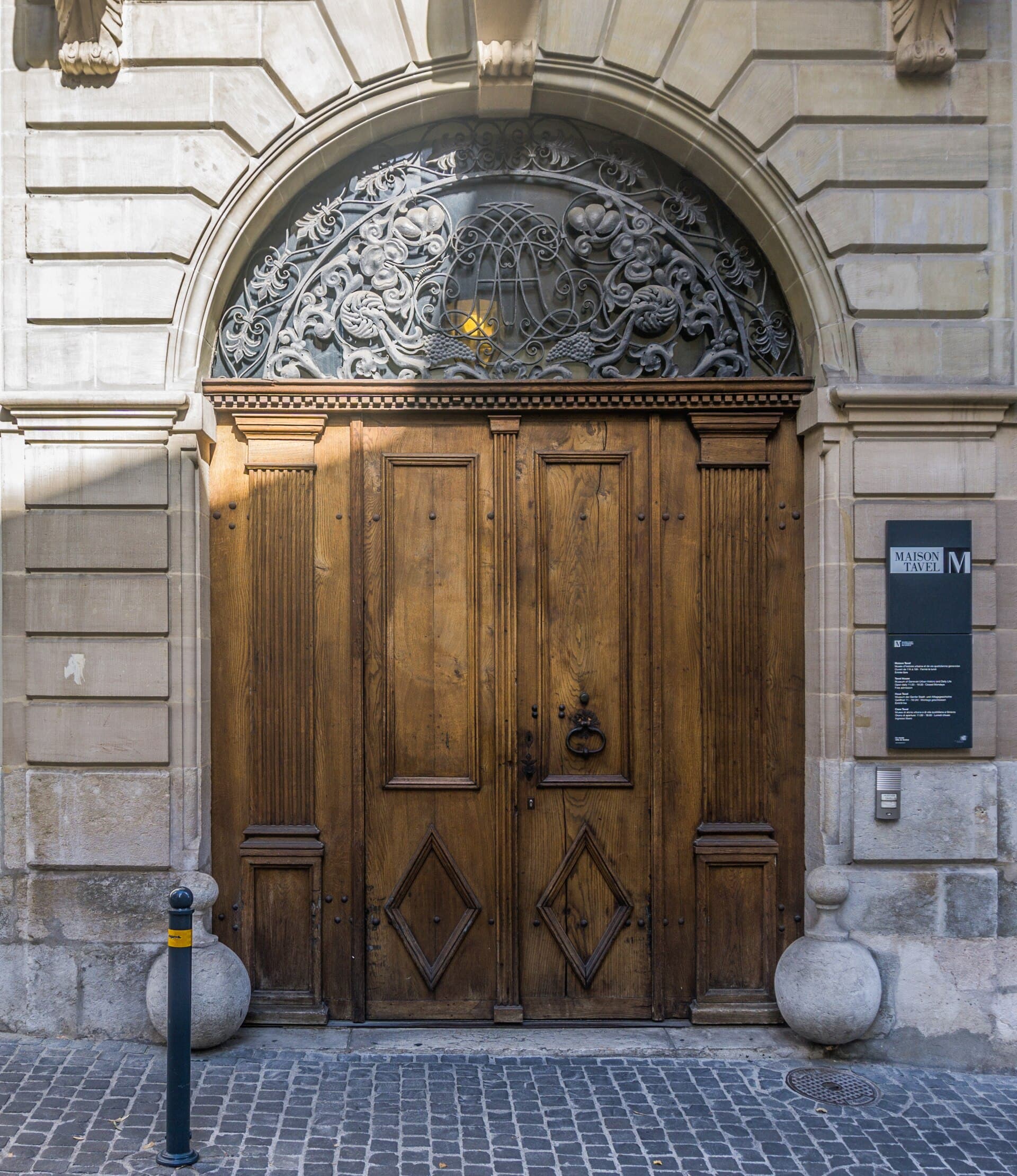 Maison TavelMaison Tavel is **the oldest surviving private house in Geneva**, standing a few5 minutes walk4.6
Commissioned in 1444 for Geneva's cathedral altar, Witz committed a revolution: setting the miraculous catch on the real Lake Geneva with the Môle and Salève as they look — the first time a European painted an existing, recognisable place instead of gold ground. Taught in every art history; the original here where it was born.
The Genevan way: several short visits over one marathon — Witz and Hodler today, antiquities tomorrow if passing. Free entry deletes the 'unfinished' guilt that spoils great museums — its deepest gift.
A concentrated Egyptian basement with mummies and a Book of the Dead, a respectable Greco-Roman range, and an Etruscan section counted among the best north of the Alps — a purely archaeological hour is possible without touching the paintings at all.