
The painted city
Verona's facades were once covered in painting; this collection is what survived of it.
Claconvr — CC BY-SA 4.0 · Sailko — CC BY-SA 4.0 · Sailko — CC BY-SA 4.0 · Garonzi Stefania — CC BY-SA 4.0
A museum of frescoes detached from old buildings in Verona, in a former convent south of the centre. In its crypt lies the stone tomb the city calls Juliet's. It should be clear: Juliet is a literary rather than historical figure, and the tomb is an empty medieval stone sarcophagus that became attached to the story centuries ago. The site presents it as a cultural tradition rather than a fact, which is more honest than much of what is sold to visitors in Verona. The real value is in the other collection. The frescoes were detached from the facades and halls of Verona buildings threatened by demolition or decay and moved here for preservation. Verona was once called the painted city because its facades were covered in painting, and these are what remain of it. That makes the visit useful for understanding how the city looked before most of that painting disappeared. The site is far quieter than Juliet's house in the centre, which is crowded all day.
Verona's facades were once covered in painting; this collection is what survived of it.
An empty stone sarcophagus attached to a literary story — presented as tradition, not history.
A quiet alternative to Juliet's house, which fills all day in the centre.
Former San Francesco al Corso convent, south of central Verona
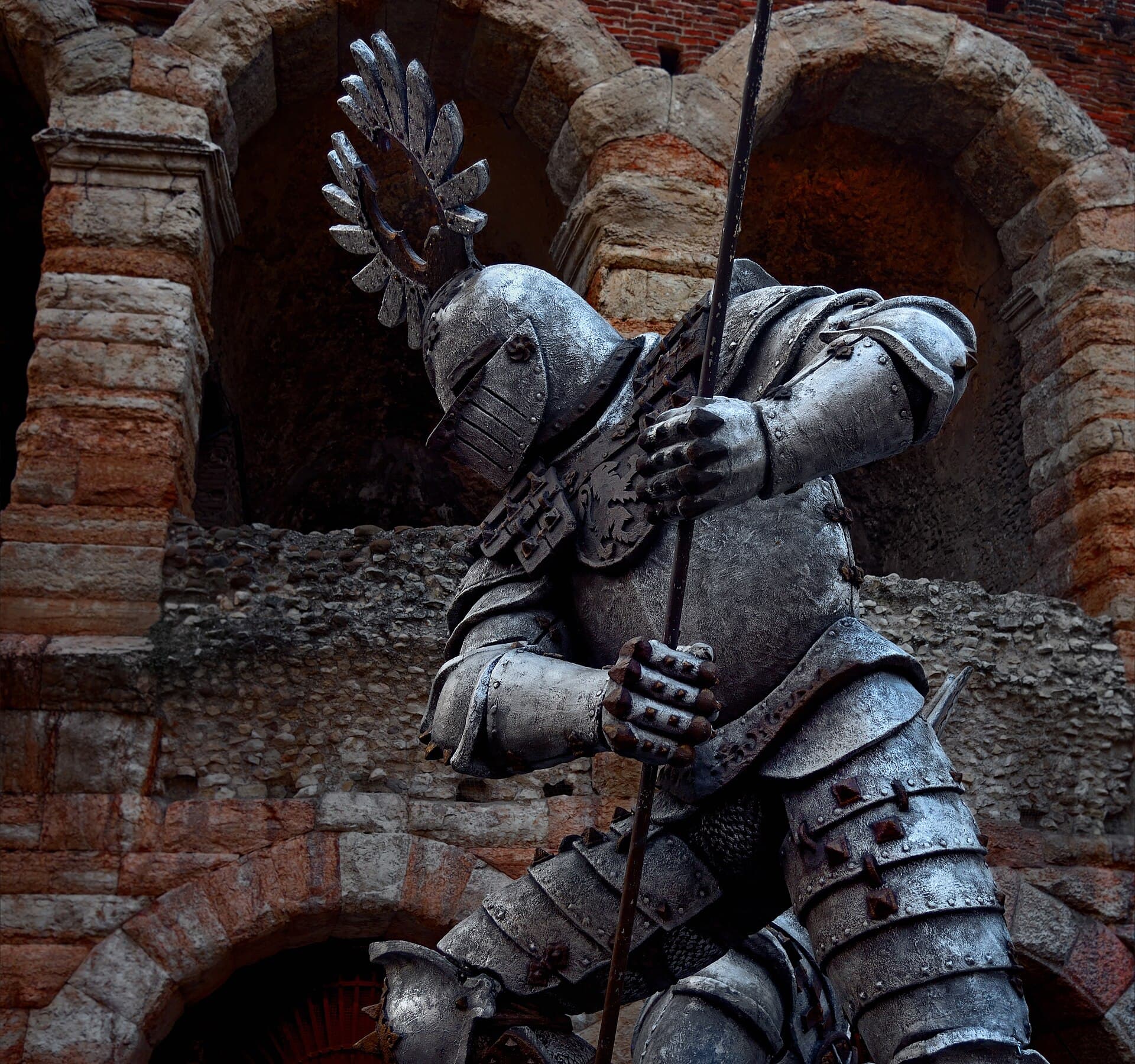 Arena di VeronaThe Verona Arena is a first-century Roman amphitheatre finished fifty years befo8 minutes walk4.8
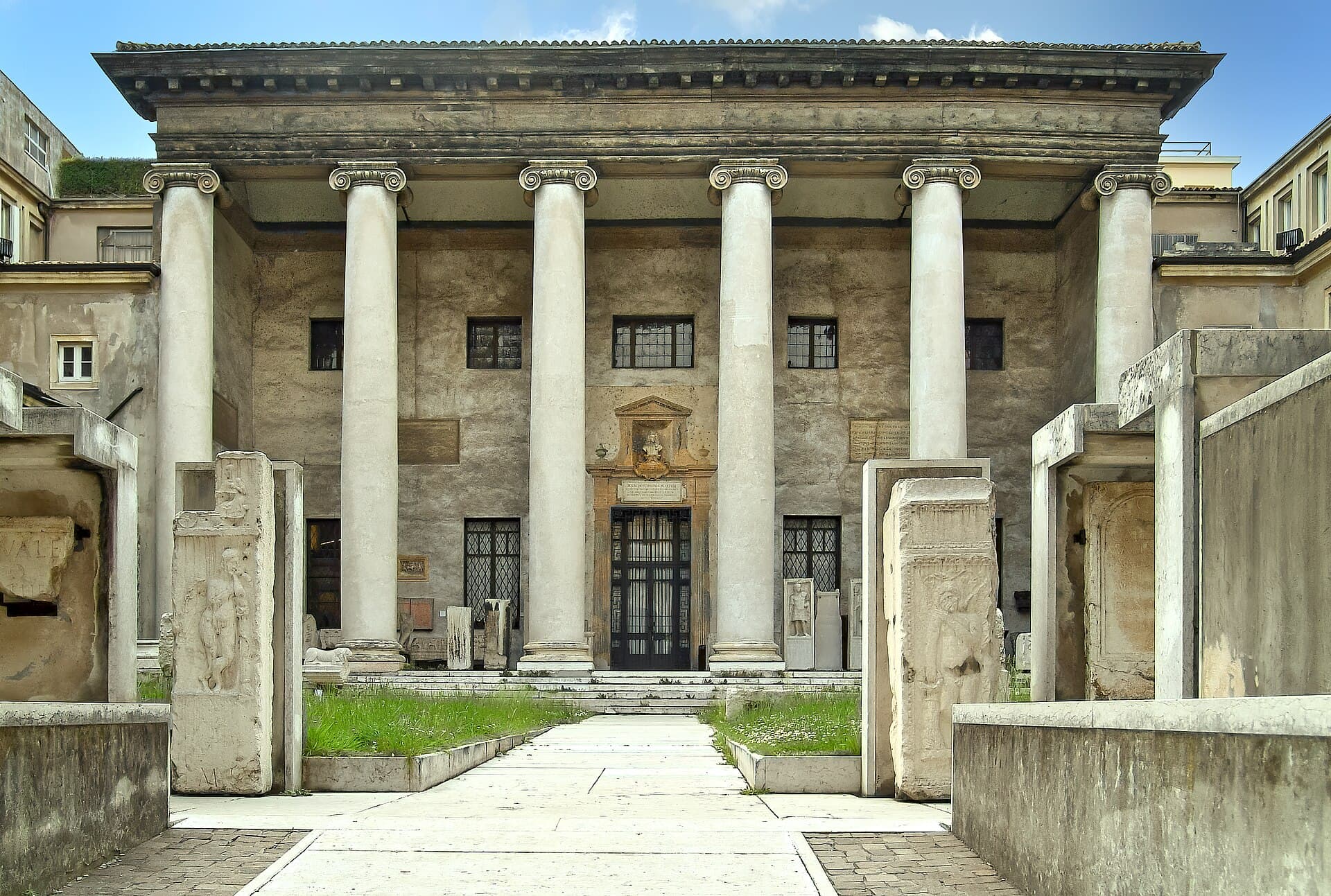 Museo Lapidario MaffeianoIn 1745, before the idea of a public museum was really a normal thing in Europe,8 minutes walk4.2
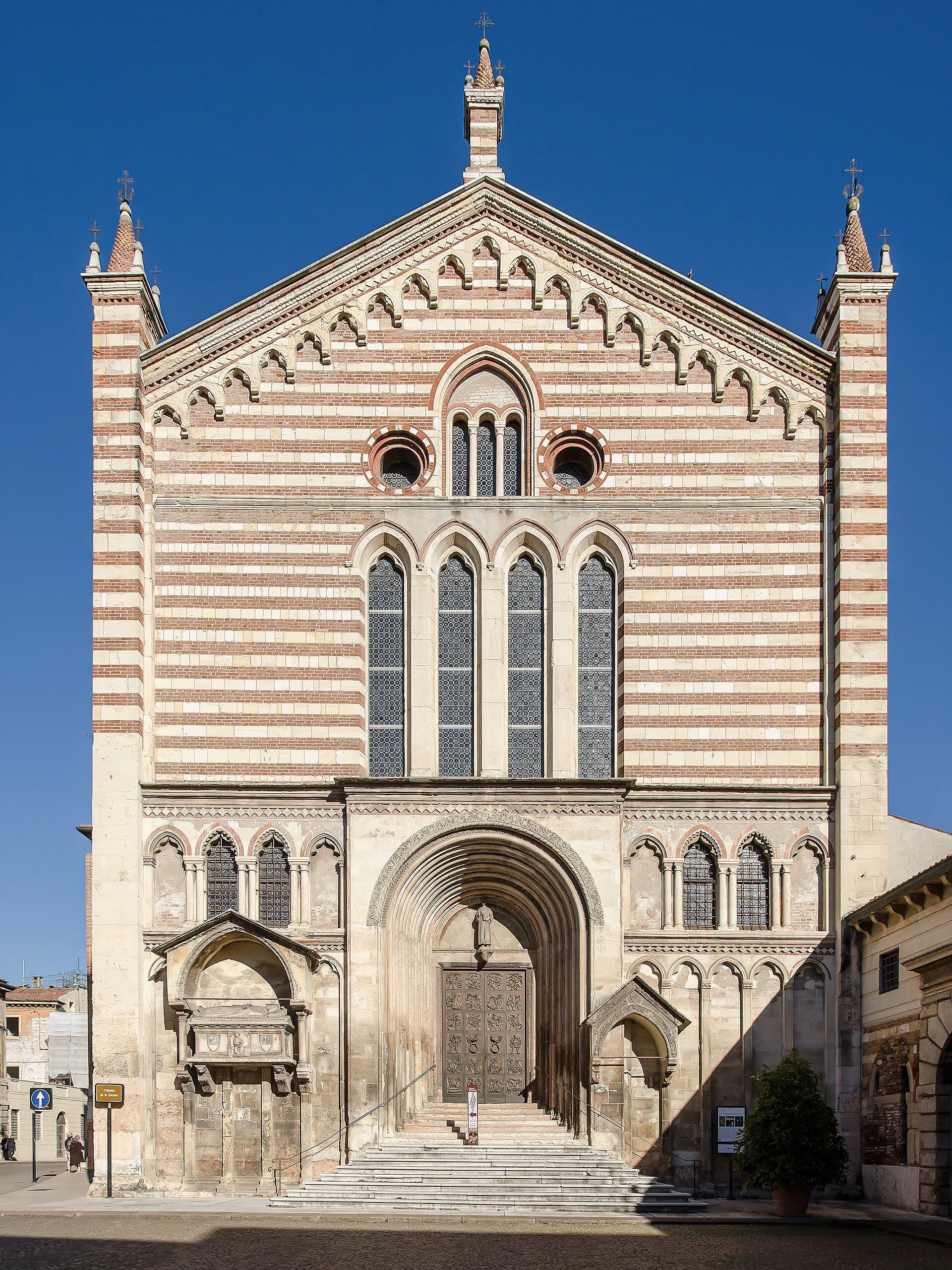 San Fermo MaggioreSan Fermo is not one church but two, stacked. What you walk into at street level9 minutes walk4.8
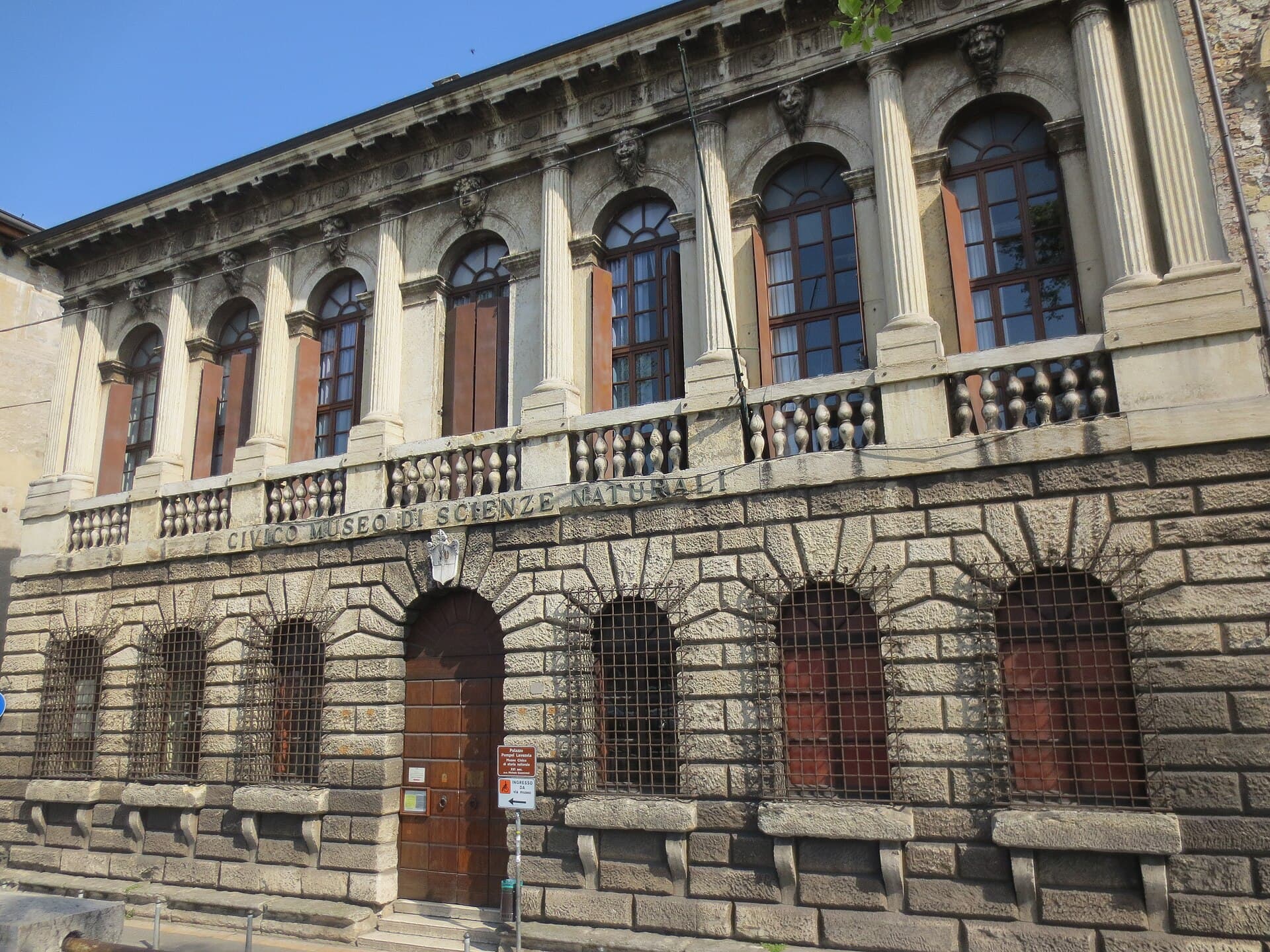 Verona Natural History MuseumThere are fish in this museum that died some fifty million years ago and still s9 minutes walk4.3
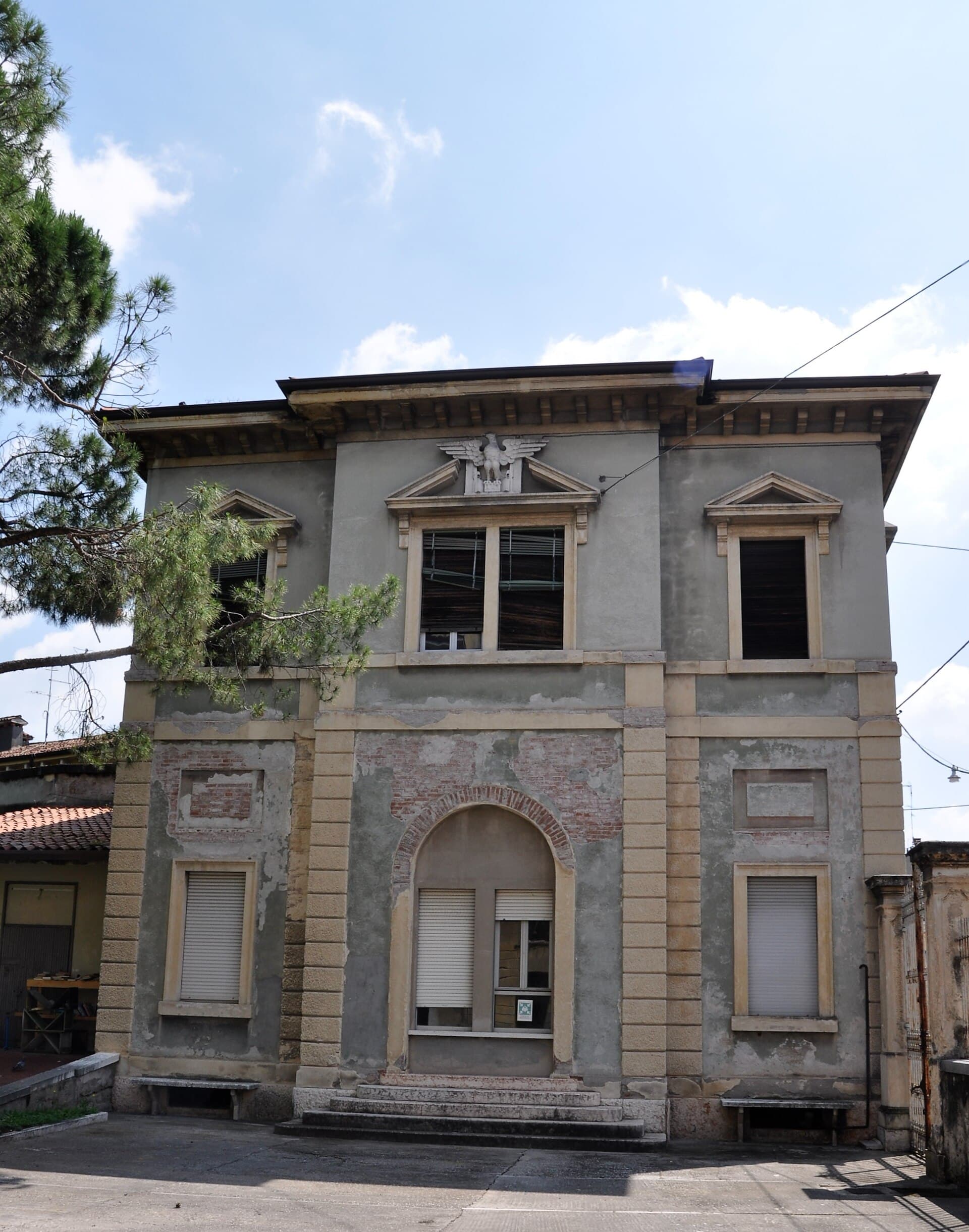 Palazzo Bocca TrezzaA nineteenth-century palace west of central Verona, built for the Bocca Trezza f10 minutes walk4.9
No. Juliet is a character from Shakespeare's play, and before that from Italian tales, not a historical person. The stone sarcophagus in the crypt is medieval and empty, and became attached to the story centuries ago, which is how it became a destination. The museum presents it on that basis, as a living cultural tradition rather than a historical claim.
Juliet's house is in central Verona with the famous balcony, very crowded, with paid entry to the courtyard and house. This museum is south of the centre and much quieter, and its real value is the fresco collection rather than the tomb. They are separate sites on separate tickets.