
The Dead Christ
Mantegna's feet-first foreshortening — the body that follows you.
Jean-Christophe BENOIST — CC BY 3.0 · C messier — CC BY-SA 4.0 · FrDr — CC BY-SA 4.0 · FrDr — CC BY-SA 4.0
The Brera is Milan's greatest art museum and one of Europe's majors: in a palazzo at the heart of the artistic Brera quarter, Napoleon — who founded it with spoils for his Italian capital — ranged the masterworks of all northern Italy, making it the reference library of Lombard and Venetian painting. Its walls run summit to summit: Mantegna's Dead Christ, its shocking feet-first perspective following you as you move; Hayez's The Kiss, Italian Romanticism's icon and its most reproduced image; young Raphael's Marriage of the Virgin; Piero della Francesca's last altarpiece; Caravaggio's darker second Supper at Emmaus — through to Boccioni and the twentieth century. The rooms are broad and the crowds far below Florentine peers — a great museum kind to its visitor's nerves, set in Milan's loveliest café quarter.
Mantegna's feet-first foreshortening — the body that follows you.
Hayez, 1859 — Italian Romanticism's eternal icon.
The Marriage of the Virgin and the Montefeltro altarpiece — two Renaissance summits, two rooms.
Via Brera 28, 20121 Milan
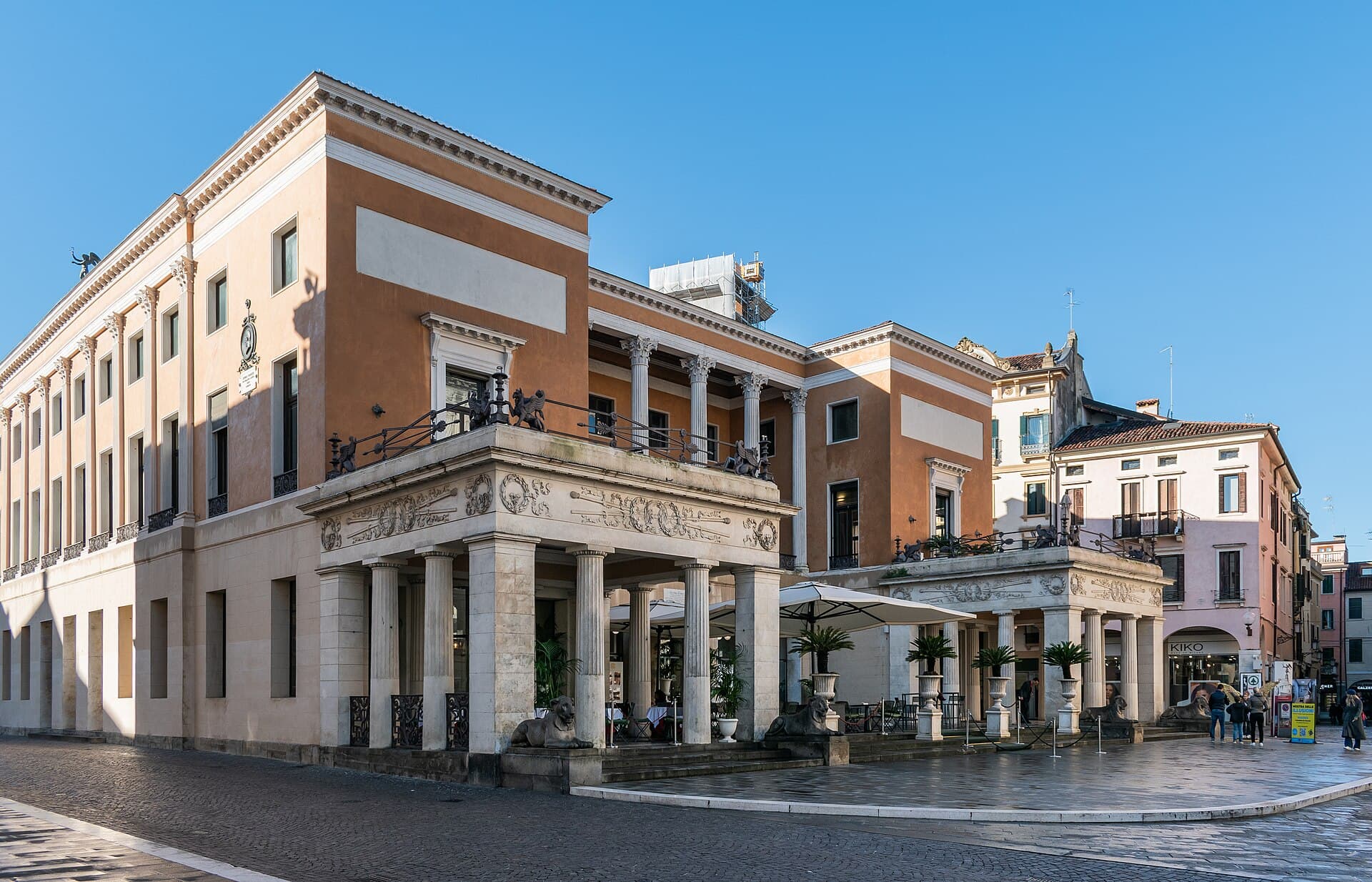 Museo del RisorgimentoA museum telling the story of Italy's nineteenth-century unification, in the Pal2 minutes walk4.6
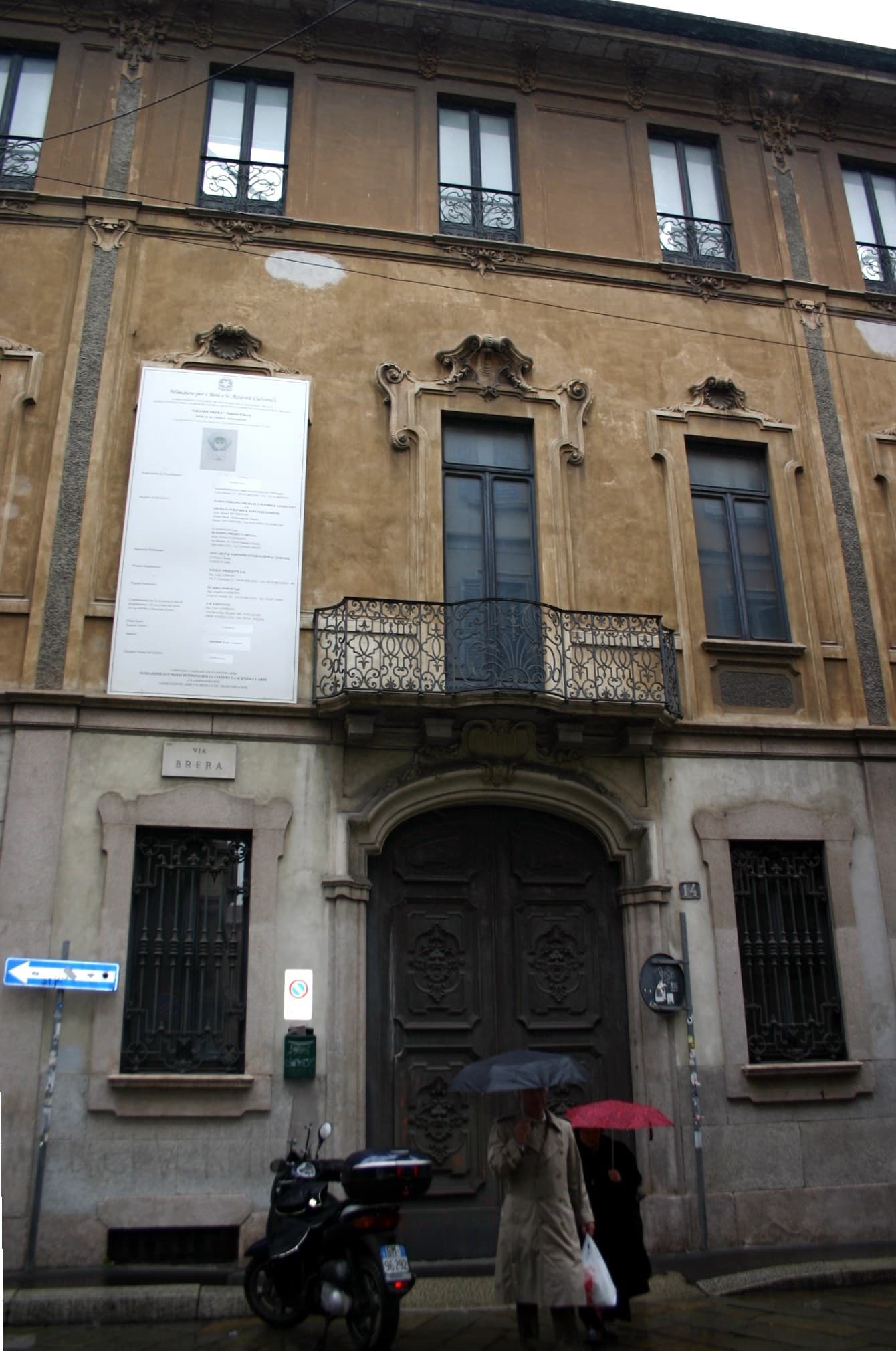 Palazzo CitterioIn 1972 the Italian state bought an eighteenth-century palace on Via Brera and p2 minutes walk4.5
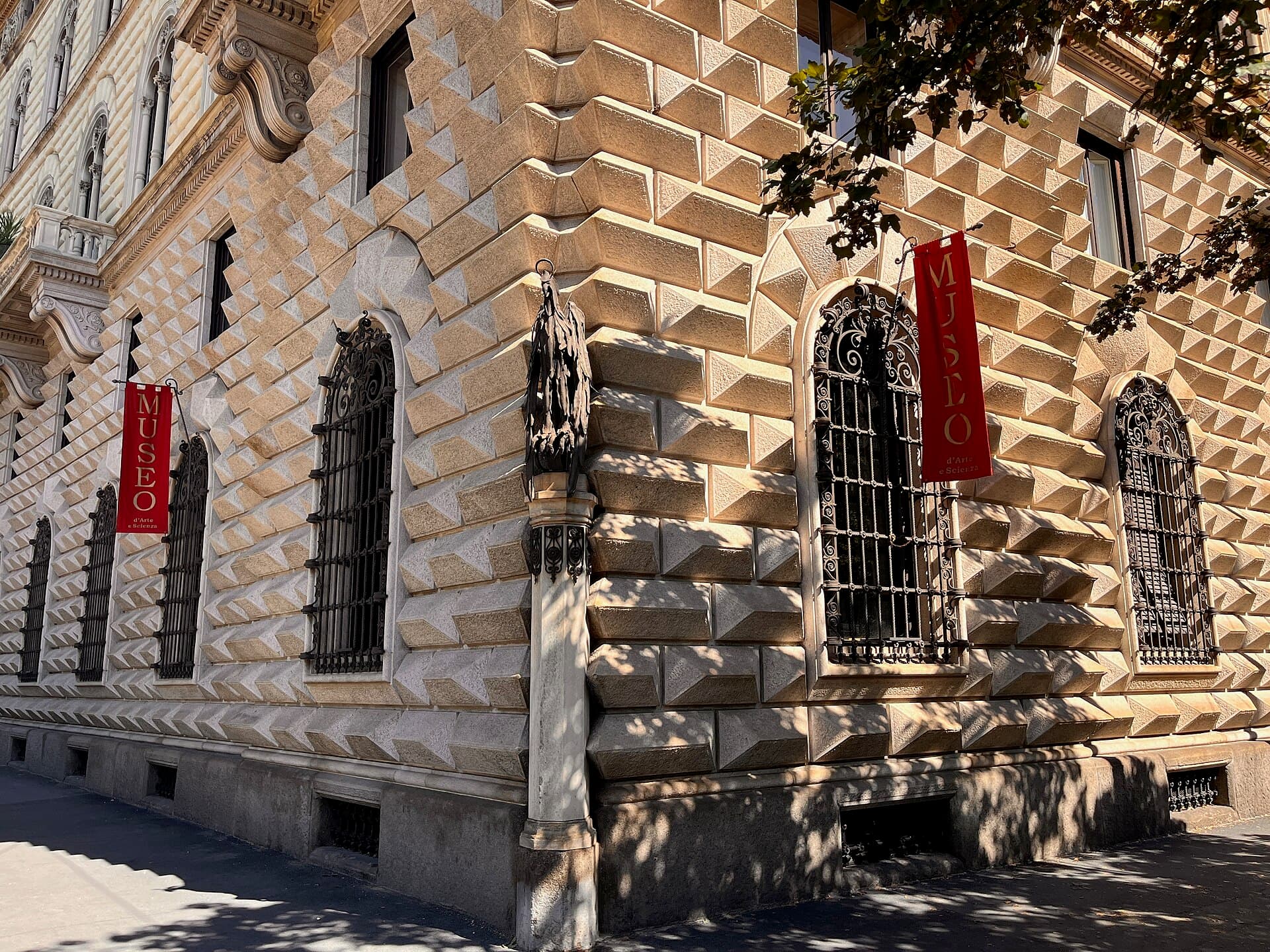 Museo d'Arte e ScienzaA private museum near the Sforza castle in Milan with an unusual subject: how it6 minutes walk4.4
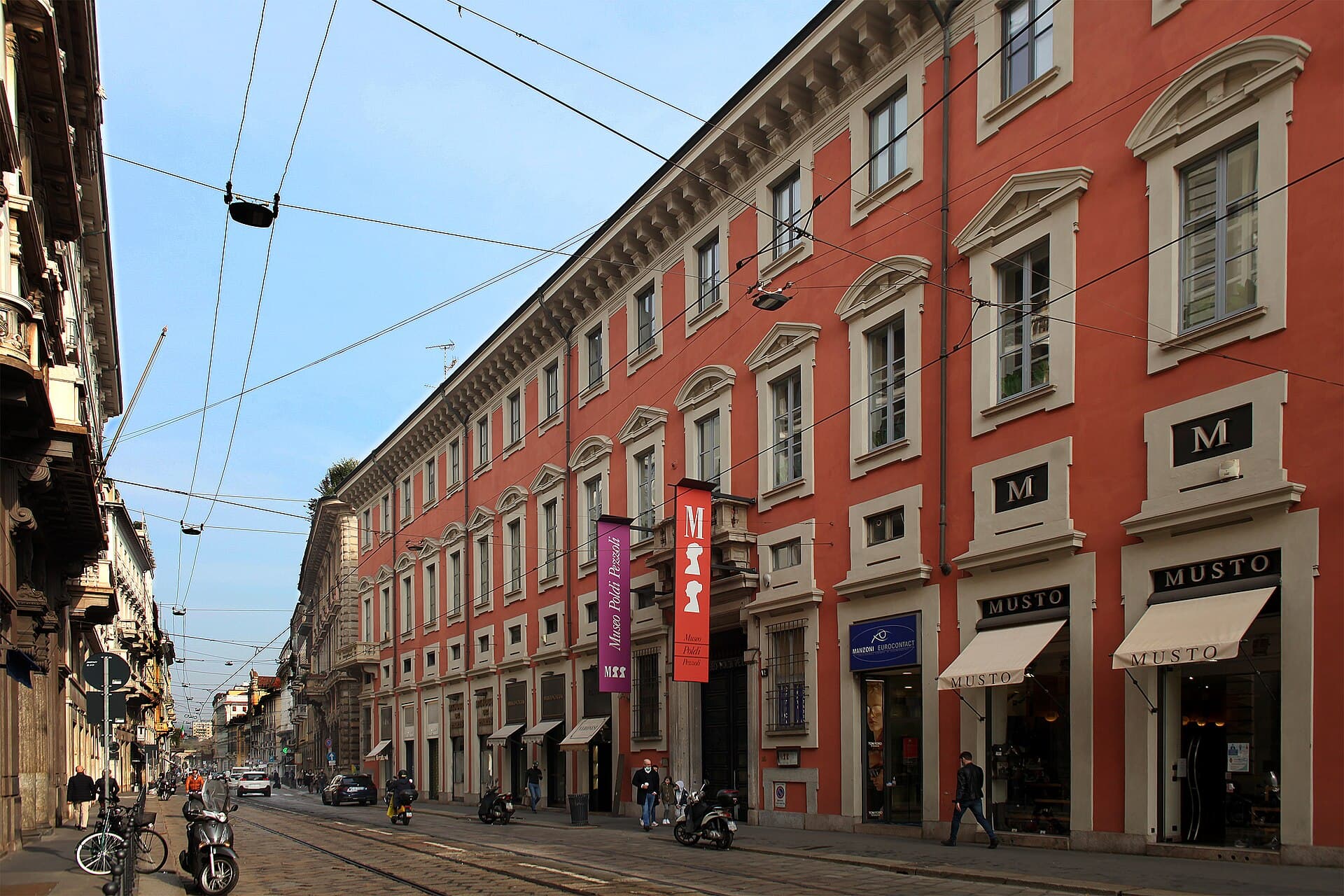 Poldi Pezzoli MuseumThe Poldi Pezzoli is a collector's house become museum — the model later famous 6 minutes walk4.6
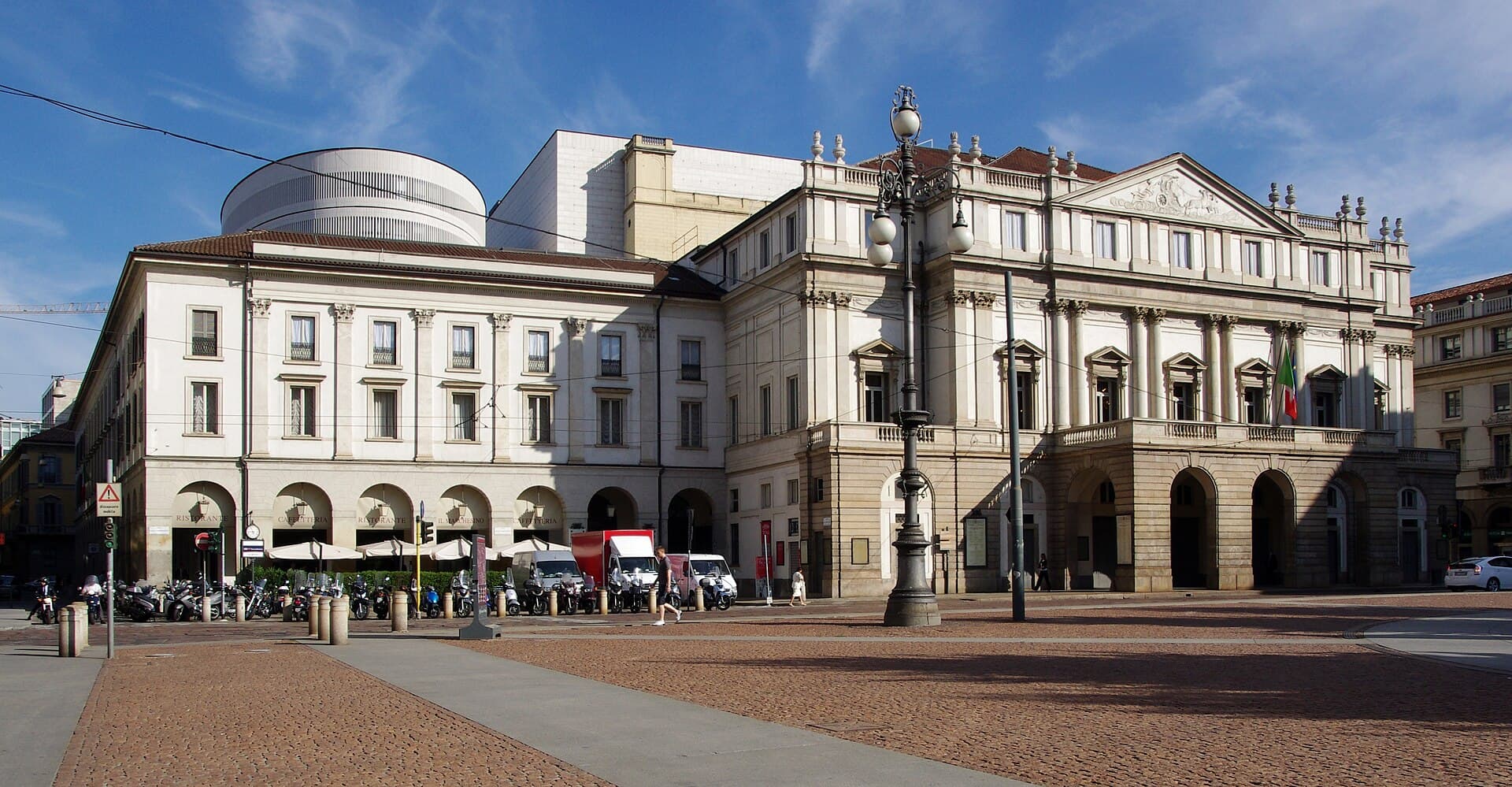 Teatro alla ScalaLa Scala is the world's most famous opera house: since 1778 its stage has premie6 minutes walk4.8
The question assumes one trip — but usefully: Brera tells northern Italy (Venice, Lombardy) as the Uffizi tells Tuscany, complementary stories, not rivals. Practically: Brera is the kinder experience at near the level.
Mantegna, Piero, Raphael in their natural sequence, then the Venetians (Tintoretto, Veronese), then Caravaggio — ending at The Kiss near the exit: the summit route draws itself.
The old artists' district turned Milan's prettiest corner: leafy lanes, galleries, elegant cafés, a plant market — give it the hour after the museum; the pair is "beautiful Milan" in half a day.