
The rooms as he left them
Don Bosco's bedroom and study on the second floor, restored to their original arrangement with his plain furniture and papers, in the place where he lived from 1853 until his death in 1888.
Georgius LXXXIX — CC BY 3.0 · Jose Luis Cernadas Iglesias from Coruña, España — CC BY 2.0 · CasaMuseoDonBosco — CC BY-SA 4.0 · Angros47 — CC BY-SA 4.0
In the spring of 1846 a young priest rented a run-down shed in Valdocco, on Turin's northern edge, from a landowner named Francesco Pinardi, and filled it with the street boys the factories had pulled into the city and then abandoned. The priest was John Bosco. The shed became the seed of a religious order he founded in 1859 that today runs schools and vocational institutes in more than a hundred countries. He lived on this spot for more than forty years, moved in 1853 into the rooms the museum now shows, and died in one of them in January 1888; they are kept as he left them. The museum reopened in 2020 after a full redesign and now spreads over some 4,000 square metres on four levels: the cellars under the courtyard and the church of San Francesco di Sales, the ground floor with the old Pinardi chapel, and two floors above it in the Casa Pinardi itself. The heart of the visit is his bedroom and study on the second floor, restored to the way he arranged them — the bed, the desk where he drafted the first Salesian constitutions, the partitioned shelves where he sorted his correspondence. Below ground are the original mid-nineteenth-century service rooms: the wine cellar, the kitchen, the boys' two dining halls and the room that doubled as the Oratory's theatre. The first floor tells how a poor suburb on the edge of town turned into a global institution, through paintings, printed matter and documents. The staging is modern, orderly and air-conditioned; nothing like the dusty shrine you might be picturing. Let us be straight about it: this is not a museum that justifies a trip to Turin on its own, and it is a Catholic pilgrimage site before it is a tourist attraction. But it is entirely free, it takes an hour or so, and it offers something rare for an Arab visitor — a window onto a living religious institution still working out of the same building after a century and a half, rather than objects behind glass. Next door stands the Basilica of Mary Help of Christians, which Bosco built and where his remains lie; it is free, and it is a separate visit from the museum. It has nothing to do with Turin Cathedral or the Shroud, which are a different stop about fifteen minutes' walk south, beyond Porta Palazzo. The practical detail that matters most: the museum closes on Mondays and its hours flip between morning and afternoon depending on the day — Tuesday and Thursday 9:30 to 12:30, Wednesday and Friday 14:30 to 17:30, both halves at the weekend. Check before you walk over. The neighbourhood repays the time too: you are minutes on foot from Piazza della Repubblica, which holds the Porta Palazzo market, the largest open-air market in Europe, where North African and Arab grocers and restaurants solve the halal lunch question without effort. Inside the museum and the basilica, modest dress and a low voice are expected, and the visit works perfectly well with children.
Don Bosco's bedroom and study on the second floor, restored to their original arrangement with his plain furniture and papers, in the place where he lived from 1853 until his death in 1888.
A mid-nineteenth-century wine cellar, kitchen, two dining halls and the room that served as the Oratory theatre, showing how a shelter for hundreds of boys was actually run day to day.
The church of Mary Help of Christians that Bosco built and where his remains lie: free, startlingly large, and a completely separate visit from the museum.
Via Maria Ausiliatrice 32, Valdocco, 10152 Turin
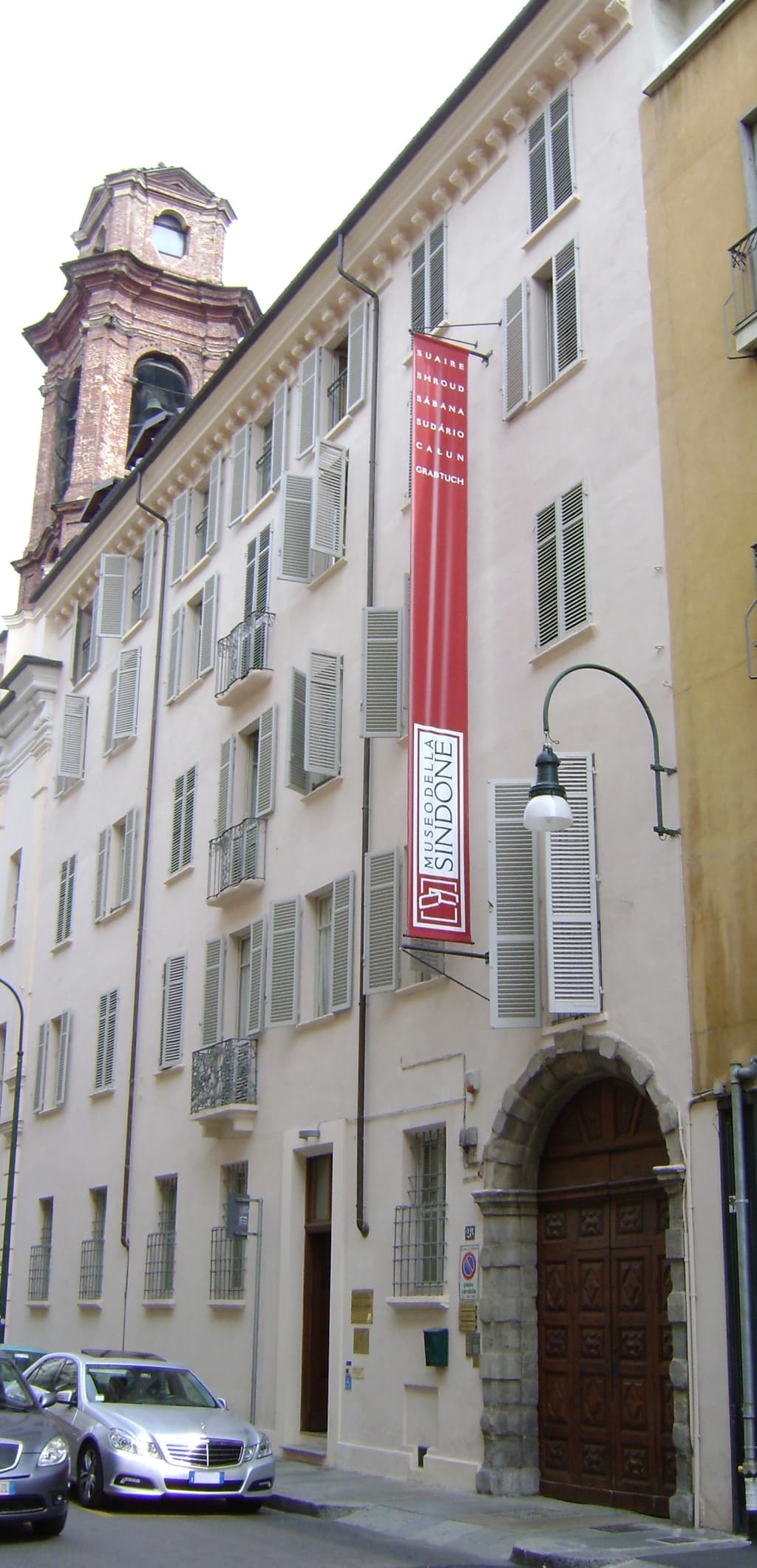 Museum of the Holy ShroudOne night in May 1898, a lawyer from Asti and amateur photographer named Secondo7 minutes walk4.3
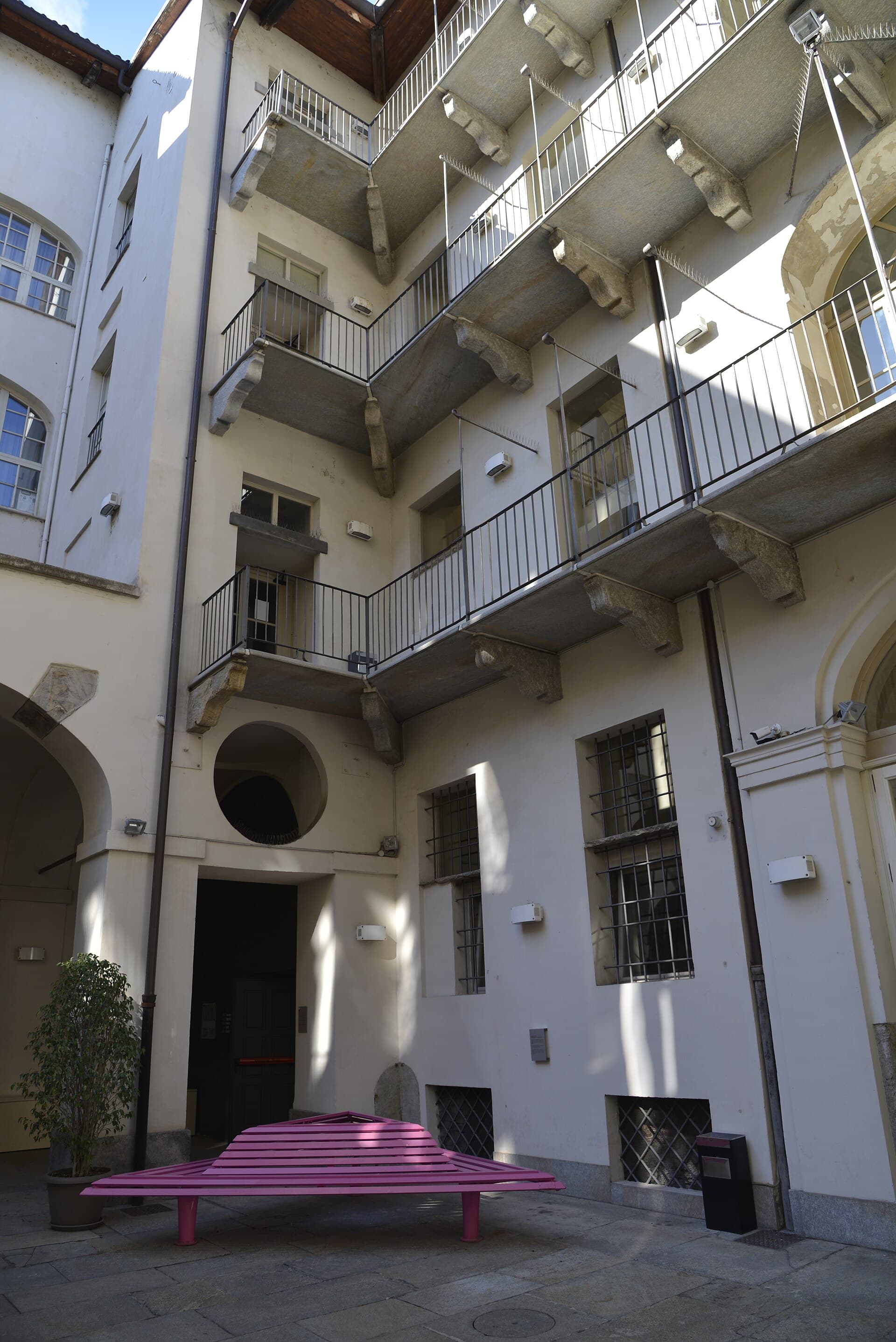 Museo Diffuso della Resistenza (Museum of the Resistance, Deportation, War, Rights and Freedom)Twelve metres beneath the museum floor lies an air-raid shelter originally dug f8 minutes walk4.6
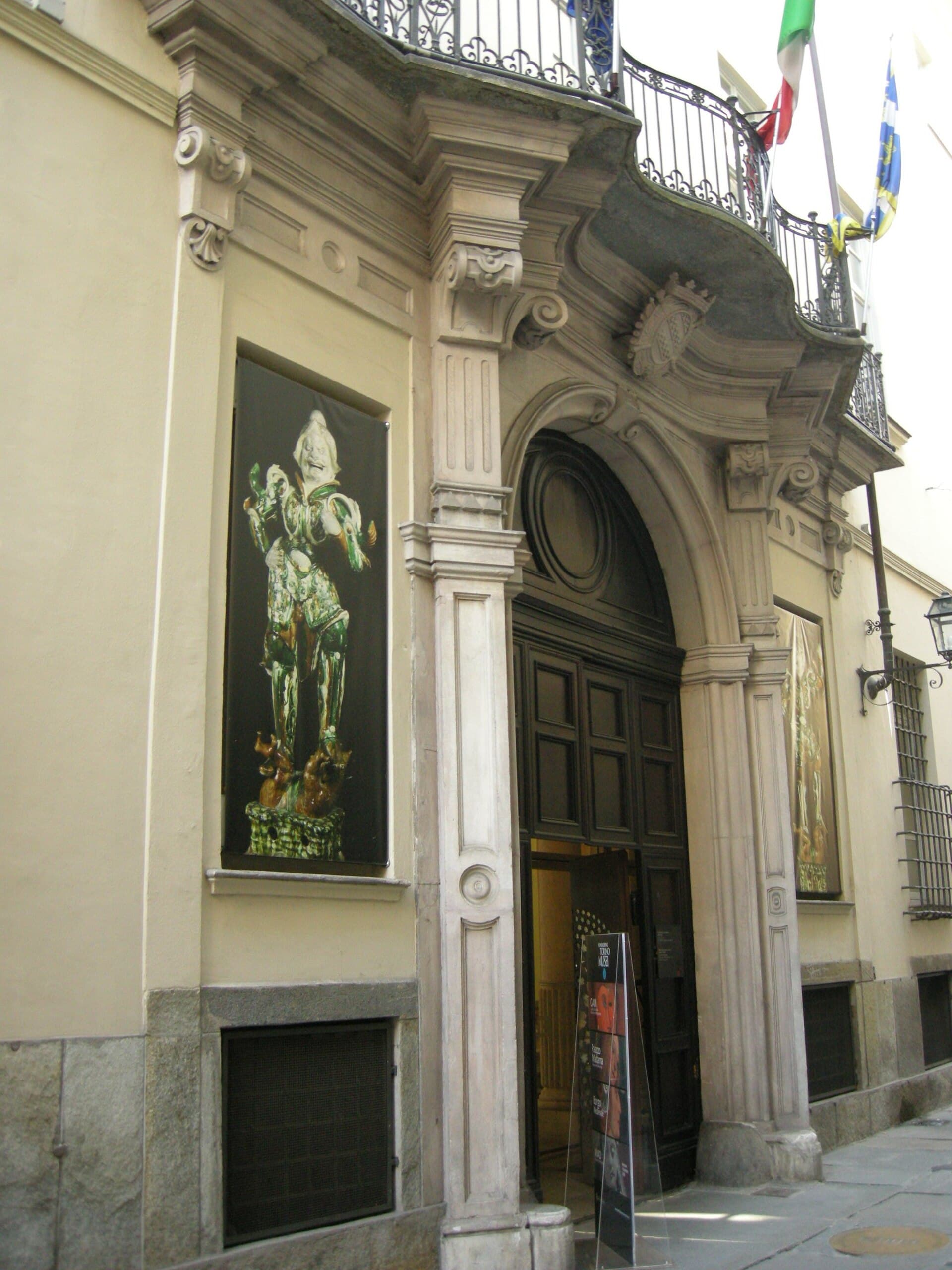 MAO – Museum of Oriental ArtIn a Baroque palace that housed a textile works for the best part of a century a10 minutes walk4.4
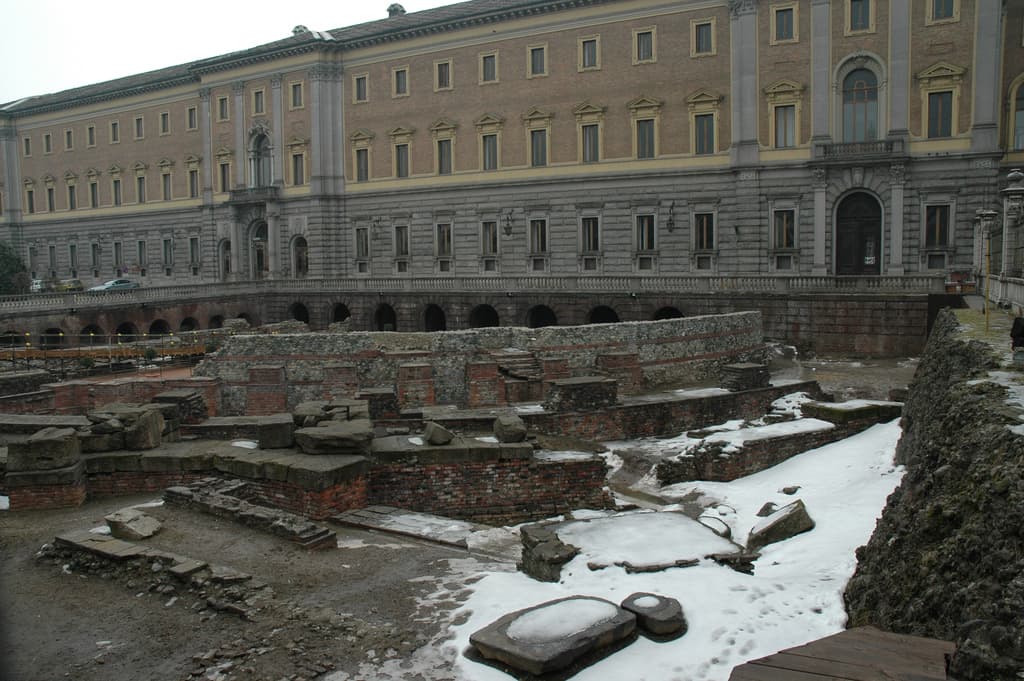 Galleria SabaudaThe private collection of Italy's kings: the Galleria Sabauda is the picture gal14 minutes walk4.8
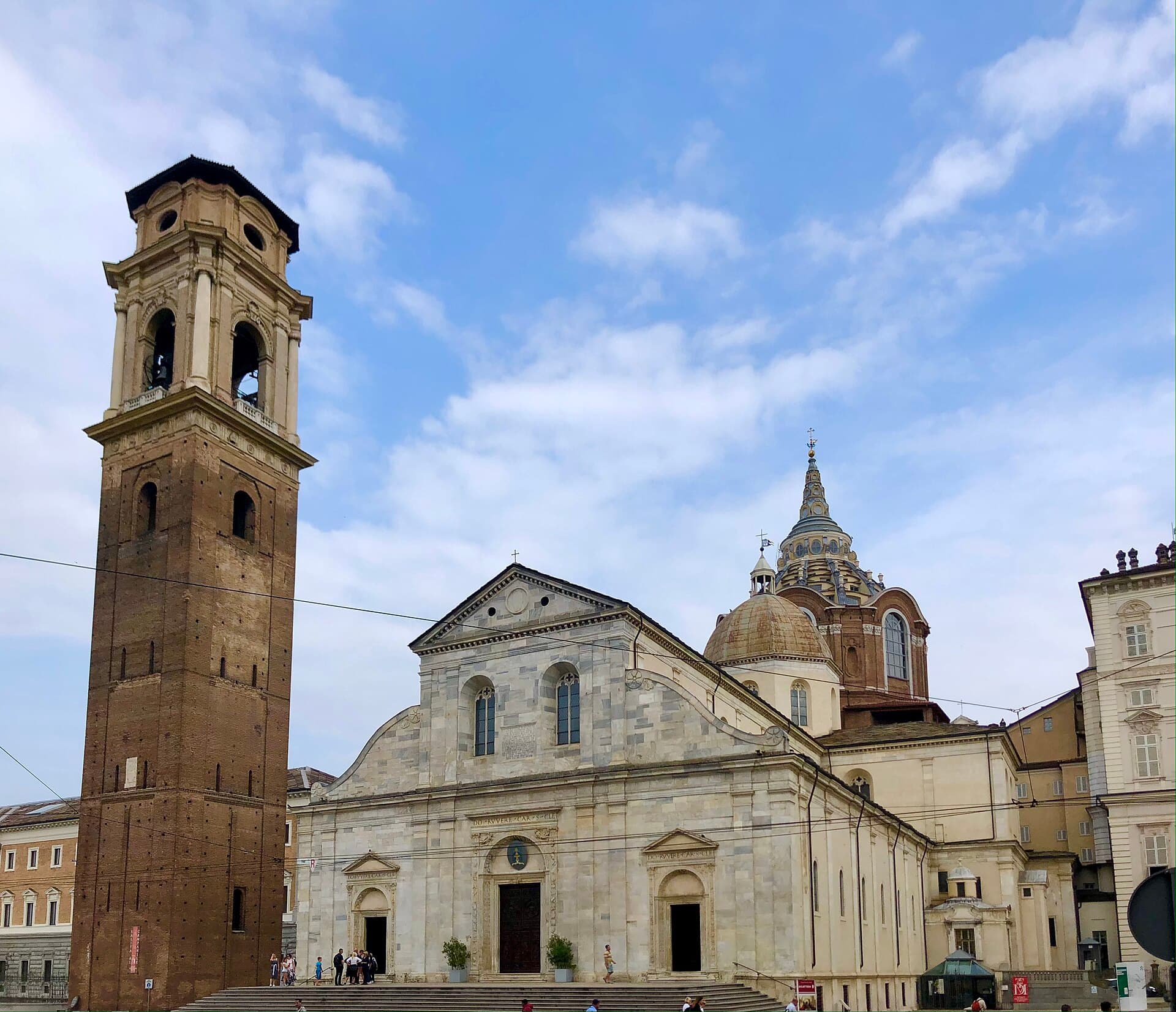 Turin CathedralTurin's cathedral is the Shroud's house and the city's one Renaissance oasis ami14 minutes walk4.5
If you only have a few days in Turin, no — it sits well behind the Egyptian Museum, the Mole and the Royal Palace. But if you are staying longer, or lodging near Porta Palazzo, it is free, takes about an hour, and explains something real about nineteenth-century industrial Turin: a city that filled up with workers' children and had no idea what to do with them. Pair it with the market and you have a decent half-morning.
Not as an individual or a small family — just turn up during opening hours; self-guided visits are always possible. Booking is required only for guided tours, which are normally limited to groups of 15 to 25 and arranged by email, so do not count on one as an independent traveller. More important than booking is checking the hours for the specific day you plan to go: it opens in the morning one day and in the afternoon the next.