
Older than Padua by founding
Founded in 1543-44 to teach medicine, a year or two ahead of Padua's famous garden — which is the older one still on its original site.
Sailko — CC BY 3.0 · Notafly — CC BY-SA 4.0 · Alexmar983 — CC BY-SA 4.0 · Alexmar983 — CC BY 4.0
In 1543 — some sources say 1544 — Cosimo I de' Medici ordered a garden planted so that medical students would have real specimens to study, and put Luca Ghini in charge of it. What grew out of that instruction is generally recognised as the first university botanical garden in the world. It then moved twice before settling on its present ground in 1591, and that small detail is the reason for a courteous rivalry with Padua that has now run for centuries: Pisa is the older foundation by a year or two, Padua the older garden on its original site. Both claims are true, and each city prefers its own wording. What sits behind the wall today is about three hectares of orderly quiet: beds laid out in the old teaching arrangement, small pools, iron-framed hothouses among the earliest of their kind built in Italy, and corners given over to African and American desert succulents and to Mediterranean aromatics. The stars are two trees planted in 1787 — a Ginkgo biloba among the first of its species brought into Italy, and a Magnolia grandiflora said to be the first in Tuscany, which dried out after the brutal winter of 1789, flowered again in 1798, and still fruits every season. Let us be plain about what this is. It is not a destination you travel for; it is an excellent hour in the middle of a crowded day. You are five minutes' walk from the Campo dei Miracoli and its leaning tower, and yet the noise stops dead at the gate. An hour covers it comfortably, less if you are pressed. The garden alone costs four euros, six with the botanical museum, and tickets are sold at the entrance only — online ticketing is currently suspended. One warning worth heeding: the museum has been closed since the earthquake of 4 August 2026, so check its status before paying for the combined ticket. For families it is easy going — level paths, nothing to climb, room for a pushchair, and generous shade in July and August when the Campo dei Miracoli turns into an open dish under the sun. There is no café inside, but Via Roma and the lanes around it put food and coffee a few steps away. Last admission is an hour before closing, and closing time shifts month by month — five in the afternoon in deep winter, nine in July — so glance at the official site on the morning of your visit.
Founded in 1543-44 to teach medicine, a year or two ahead of Padua's famous garden — which is the older one still on its original site.
A ginkgo among the first of its kind in Italy, and a magnolia said to be Tuscany's first, which survived the winter of 1789 and still fruits.
Five minutes from one of Italy's busiest squares, and the noise stops dead at the gate.
Via Luca Ghini 13, 56126 Pisa, Italy
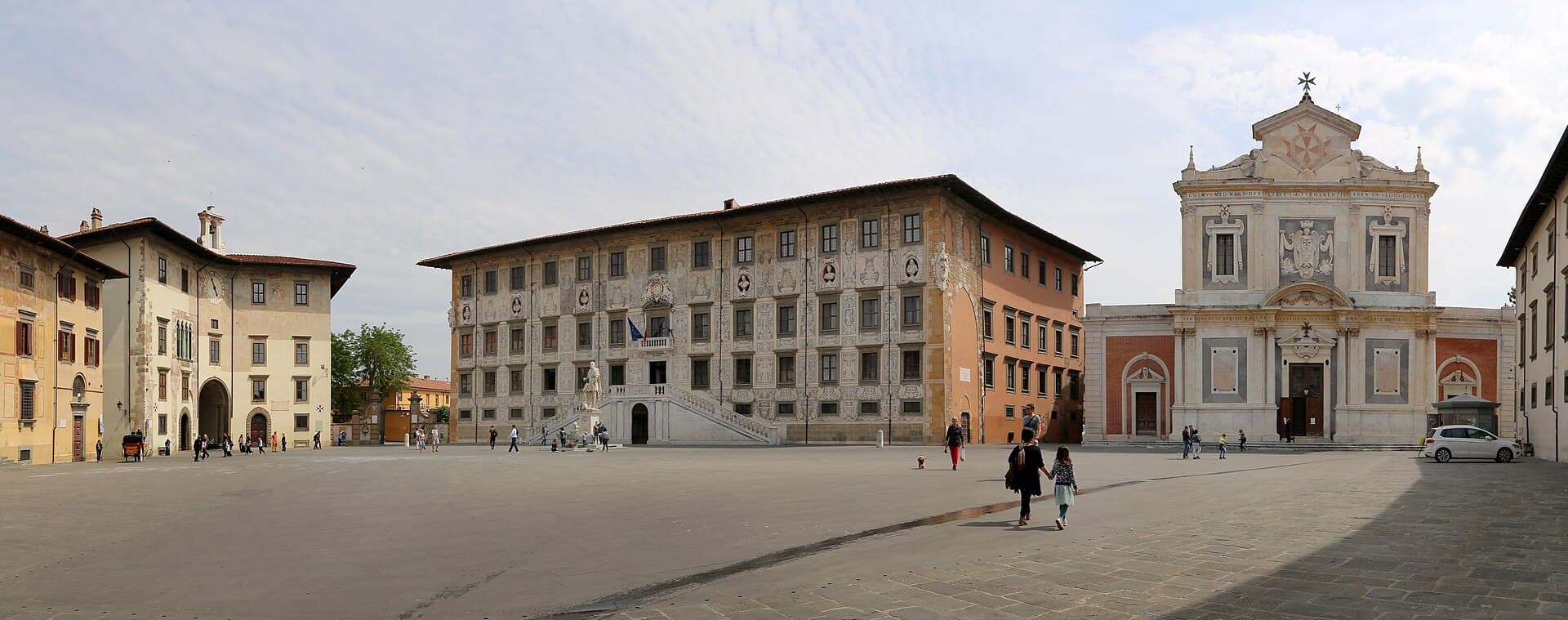 Piazza dei CavalieriThe Knights' Square is the second Pisa the tower crowds miss: the city's Roman f4 minutes walk4.7
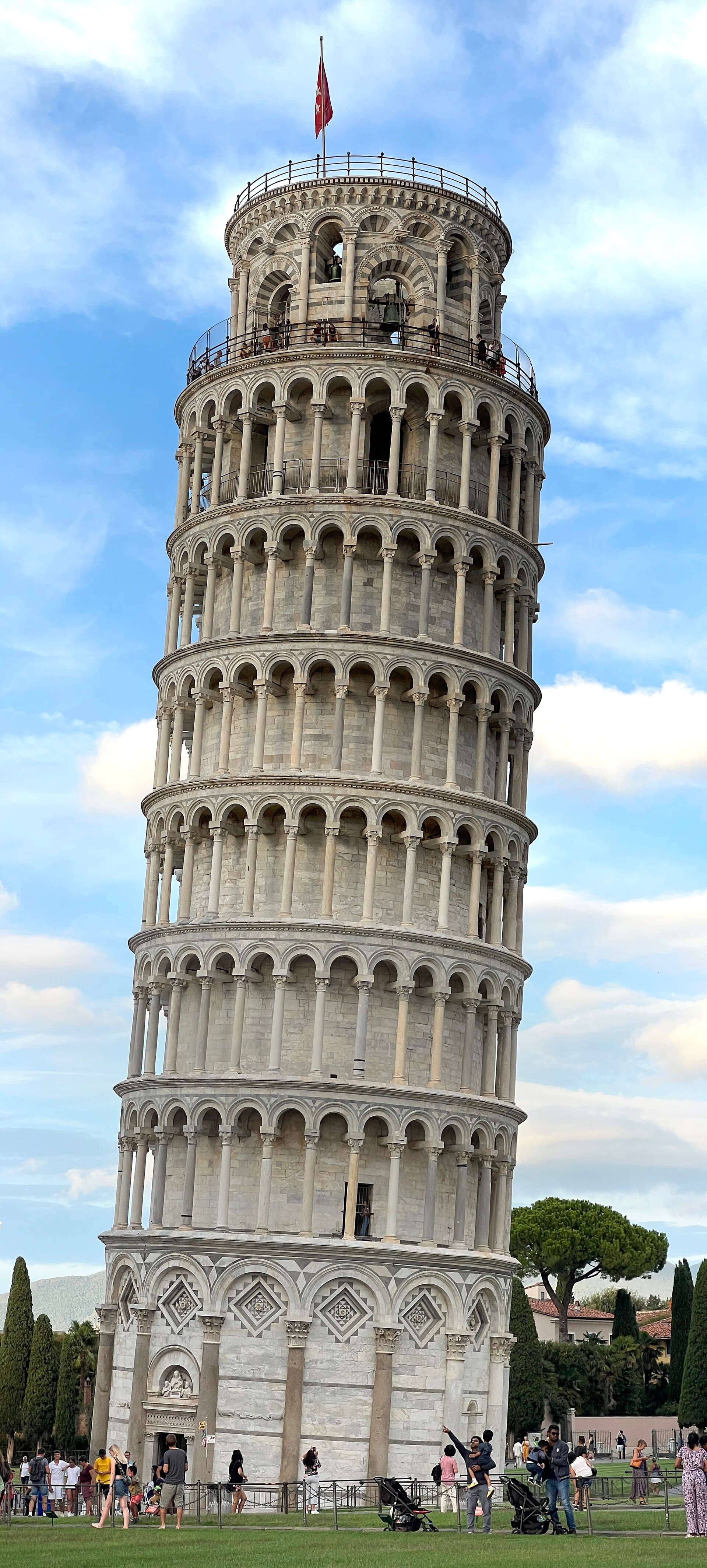 Leaning Tower of PisaThe Tower of Pisa is architecture's most famous and best-loved mistake: the cath4 minutes walk4.8
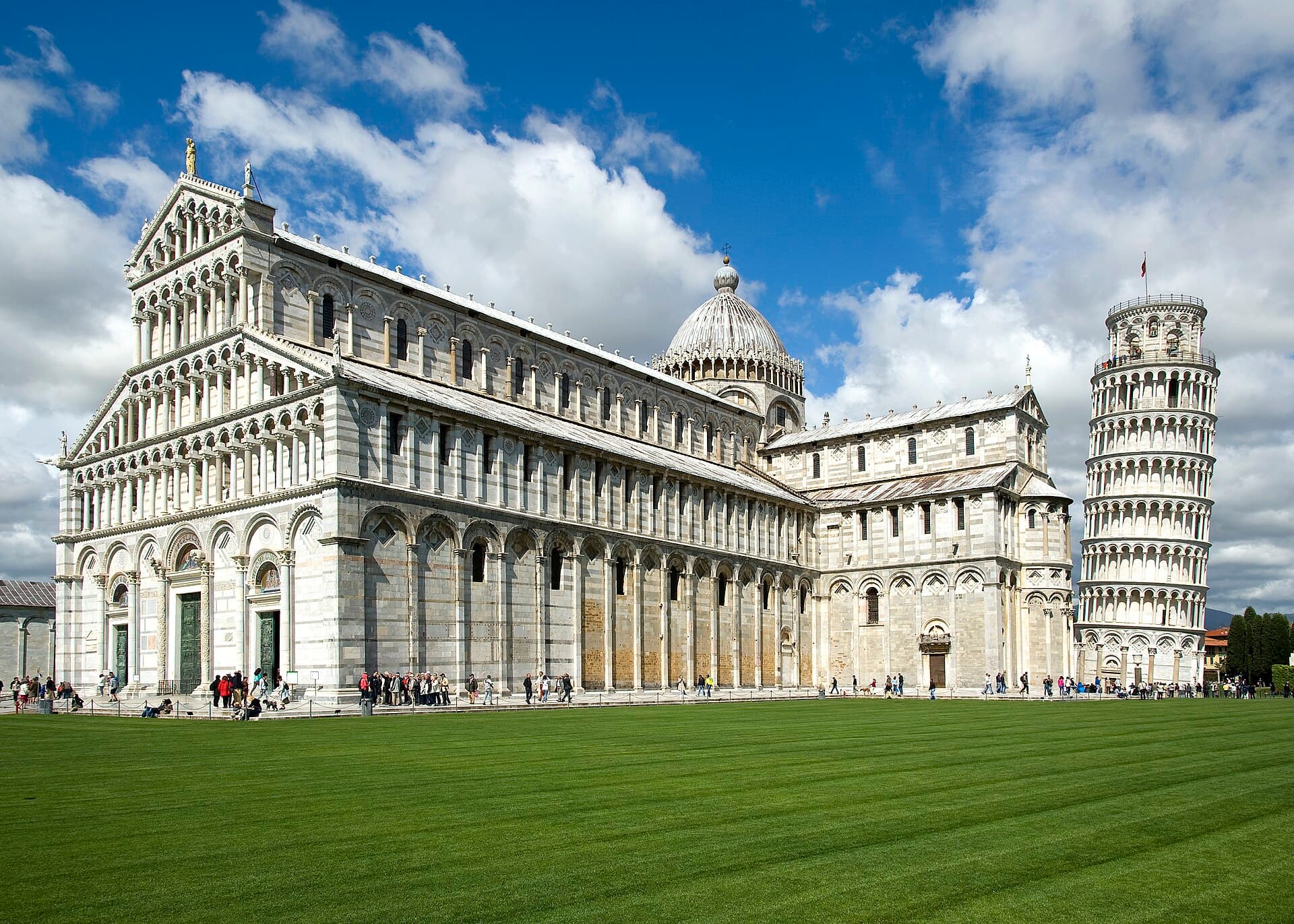 Pisa CathedralBefore the tower leaned, the cathedral was the miracle: Pisa began it (1064) as 5 minutes walk4.7
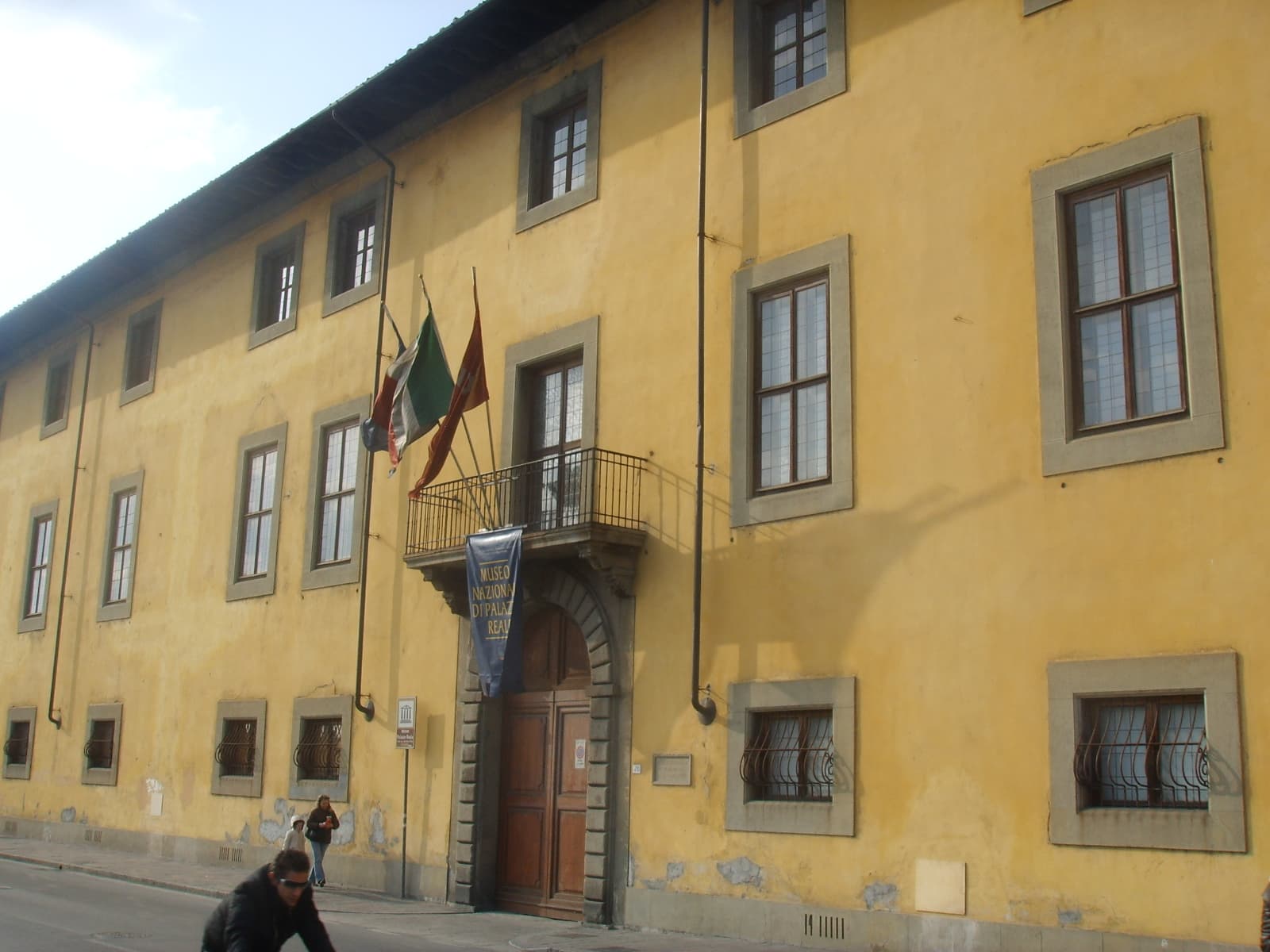 Museo Nazionale di Palazzo RealeA national museum inside Pisa's royal palace, on the bank of the Arno in the cit5 minutes walk4.1
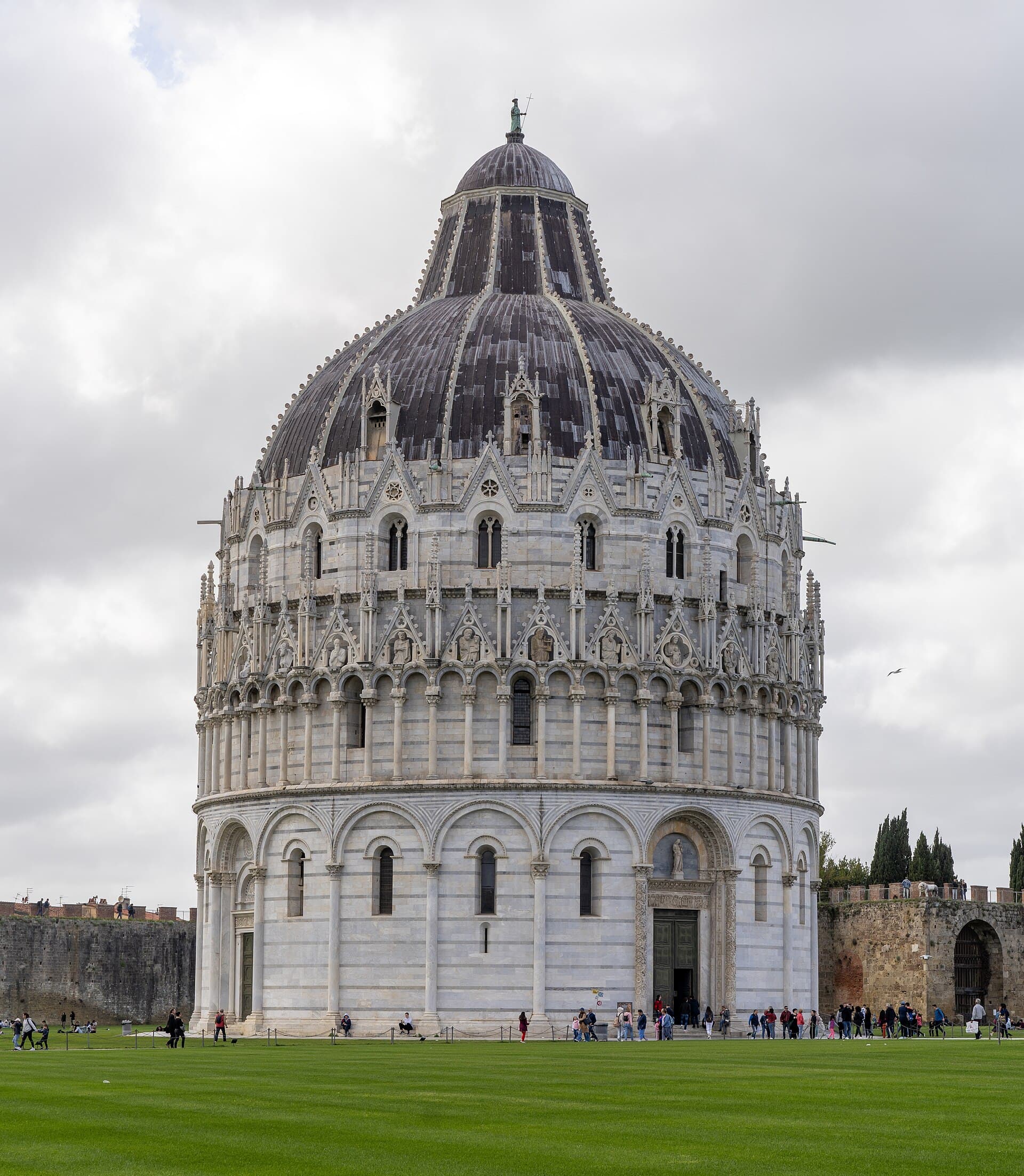 Pisa BaptisteryPisa's baptistery is Italy's largest: a marble cylinder over a hundred metres ro5 minutes walk4.8
No. On a first visit with half a day, the tower, cathedral, baptistery and Camposanto will fairly use up all of it. The garden earns its place on a second visit to Pisa, or when you are with children who have had enough of the July sun and want shade and quiet for four euros, or when you have two hours before a train and no wish to spend them in souvenir shops.
You cannot at the moment — online ticketing is suspended and tickets are sold at the entrance only, which is no real problem since the garden is rarely busy. What is worth checking before you set out is two things: whether the botanical museum, closed since the earthquake of 4 August 2026, has reopened, and whether a palm-treatment closure (the garden is sprayed against red palm weevil) falls on your day, as these land on scattered dates between May and September.