
Vesuvius minerals
Some first identified here anywhere, and the collection an international reference.
IlSistemone — CC BY-SA 3.0 · Sordelli — CC BY-SA 3.0 · IlSistemone — CC BY-SA 3.0 · Paolo Orlando — CC BY 3.0
A university mineralogical museum founded in 1801 by decree of King Ferdinand IV, occupying one large hall in the historic university building of Naples. The hall is half the pleasure: a high ceiling, original early nineteenth-century wooden cases with their old glass, and hand-written labels. The display has not been much modernised, and that is deliberate — the museum is preserved as it was. The most important part is the Vesuvius minerals: over centuries the volcano has produced rare minerals, some first identified here anywhere in the world, and samples have been collected from every eruption since the eighteenth century. That collection is an international reference. It also holds meteorites, a giant quartz weighing more than four hundred kilograms, and a collection of gemstones from the Bourbon holdings. Small, with university hours — check before going.
Some first identified here anywhere, and the collection an international reference.
A giant block displayed in the hall.
The display was never much modernised, and that is part of its value.
The University of Naples Federico II, city centre
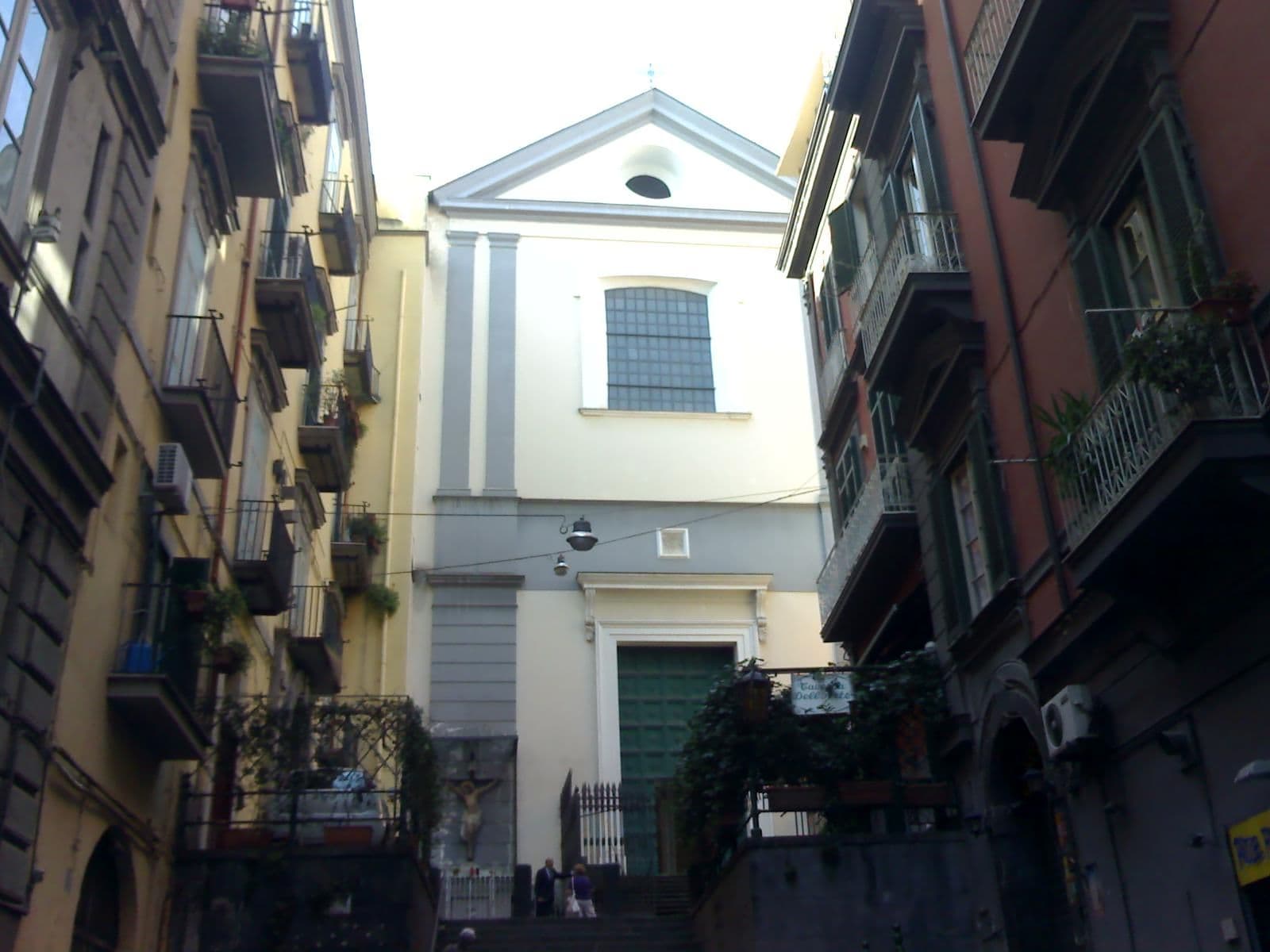 Basilica of San Giovanni MaggioreIt stayed shut for forty-two years after collapses closed it in 1970, and it reo1 minute walk4.7
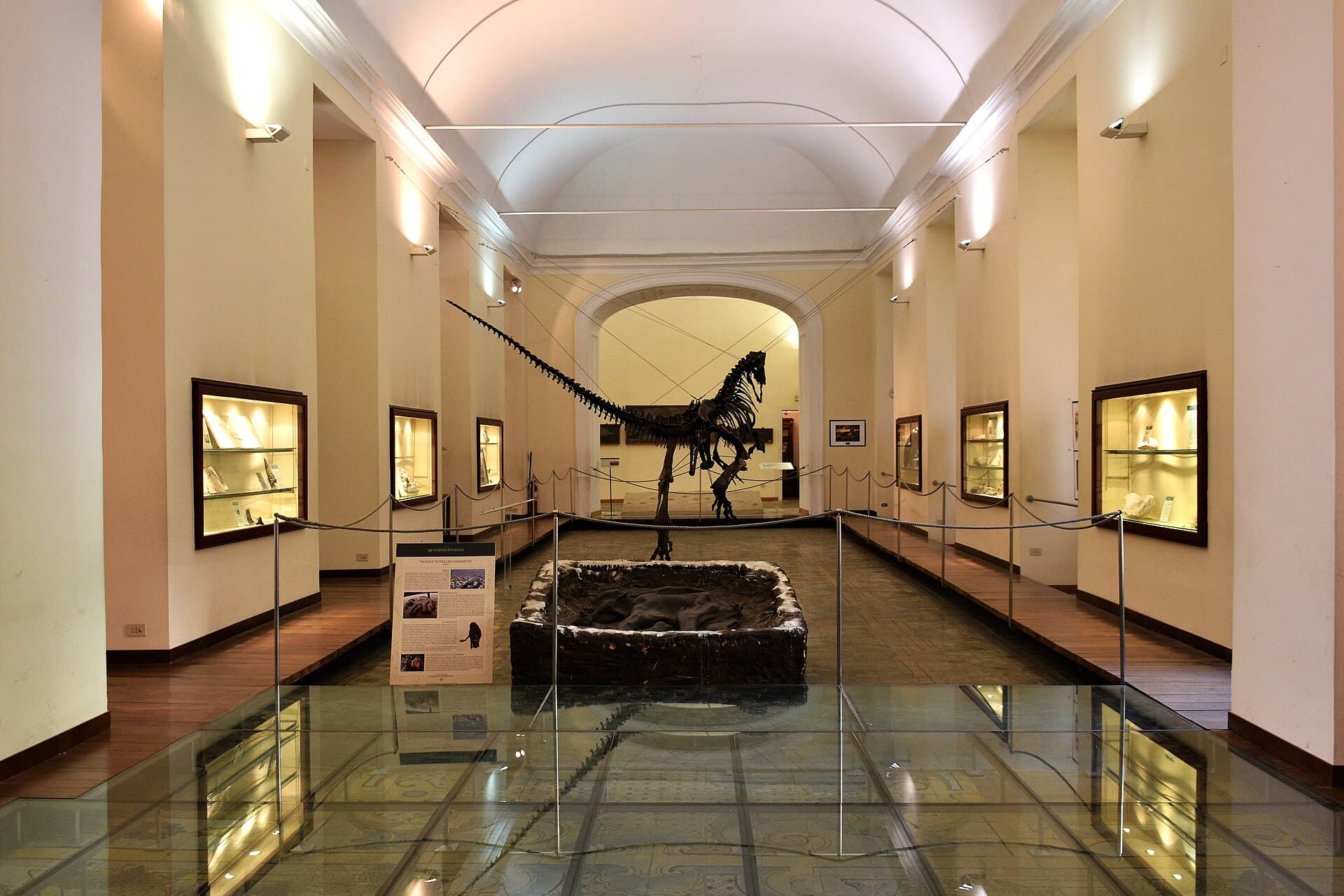 The Palaeontology MuseumA university palaeontology museum in Naples occupying the halls of the sixteenth2 minutes walk4.6
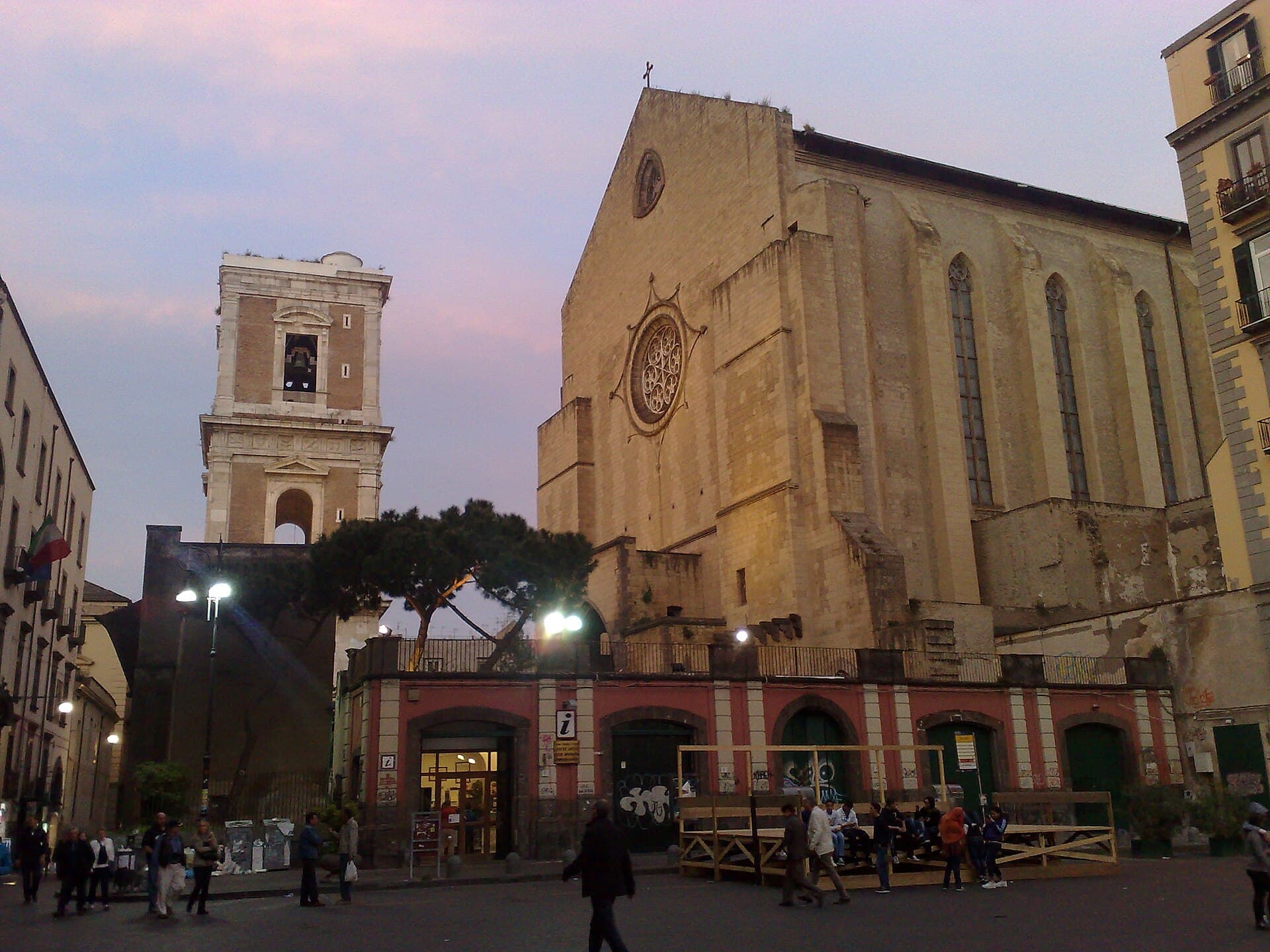 Santa Chiara ComplexBehind the huge Gothic church of Santa Chiara — the greatest of Angevin Naples a4 minutes walk4.6
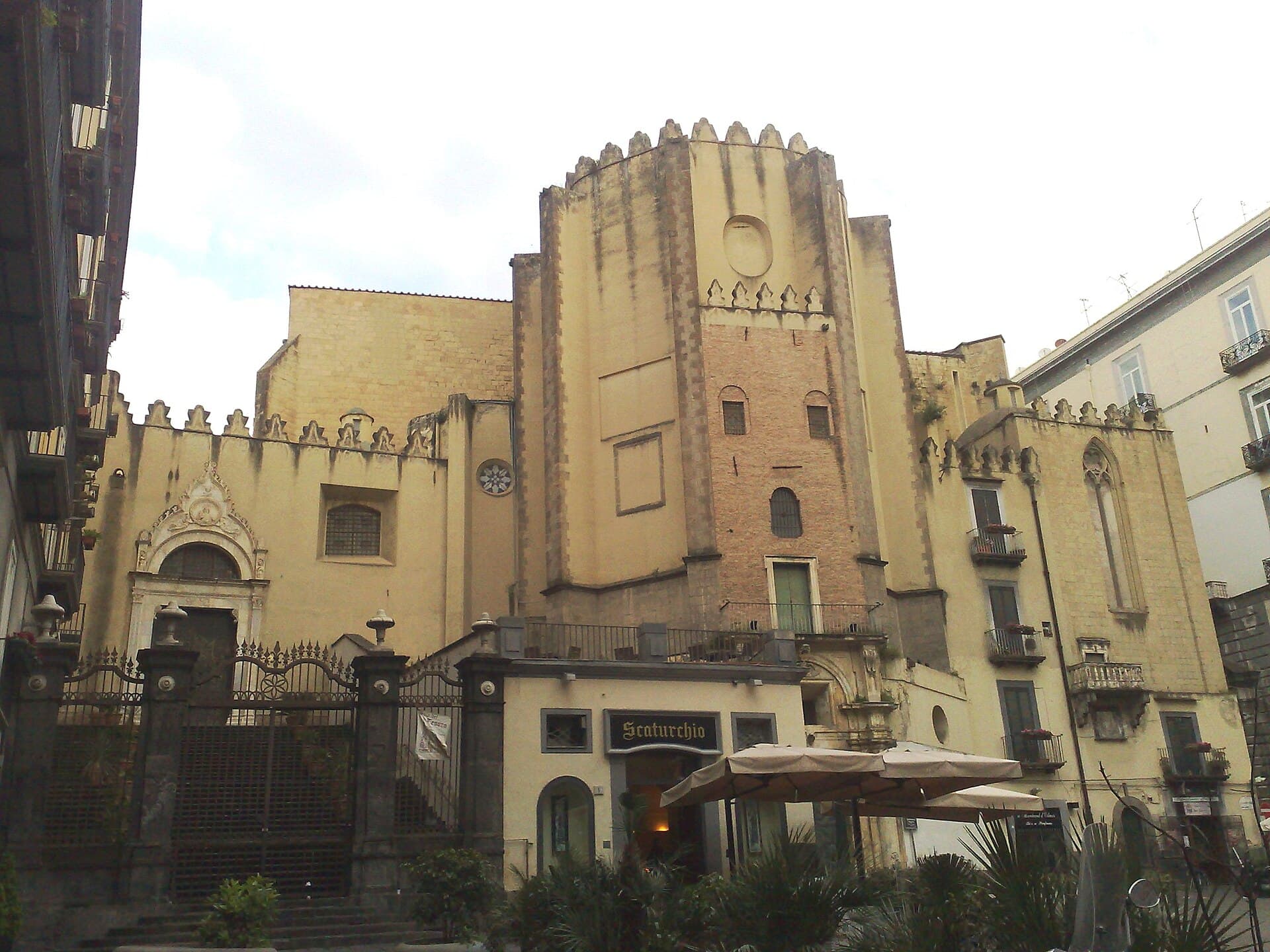 San Domenico MaggioreAbove the sacristy, on a wooden gallery running around three walls some four met4 minutes walk4.6
 Sansevero ChapelIn a narrow lane of old Naples waits one of art's great shocks: the Veiled Chris5 minutes walk4.6
Because its continuous activity and the varied chemistry of its lava have produced an exceptional mineral range in a small area: more than two hundred mineral species are recorded from Vesuvius and the Phlegraean Fields, and dozens were first scientifically described from here and carry names derived from the region. The vents that release hot gases deposit rare crystals around their edges, and researchers collect them after each eruption.
The University Federico II runs several museums in or near the same building: mineralogy, palaeontology, zoology, anthropology and physics. They are administered together as the Centre of Museums of Natural Sciences with a combined ticket. All are small, quiet and preserved in nineteenth-century style, and are among the least visited places in Naples despite being entirely central.